
The automotive market, a colossal segment of the global economy, is often perceived through the lens of gleaming new models, cutting-edge technology, and aspirational branding. Yet, beneath the polished veneer of new car launches lies a vibrant, robust, and economically significant used car market that caters to a broad spectrum of consumers. Understanding who purchases used cars is not merely a demographic exercise; it’s a profound exploration of financial pragmatism, strategic budgeting, and the intricate economic forces that shape consumer spending habits. This article delves into the financial motivations, economic realities, and prudent decision-making that drive millions to opt for pre-owned vehicles, positioning the used car purchase as a cornerstone of sound personal finance for many.
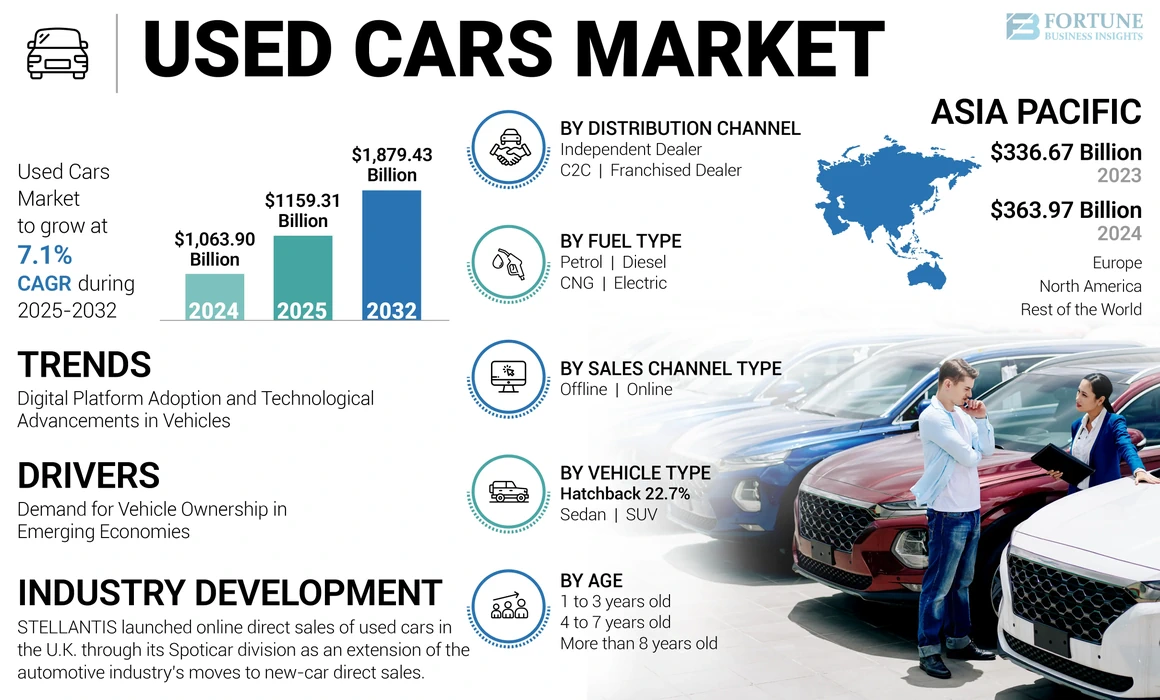
The Shifting Landscape of Automotive Spending Habits
In an era marked by economic volatility, inflationary pressures, and a renewed emphasis on fiscal responsibility, the decision to purchase a vehicle has become more complex than ever. For a significant portion of the population, the traditional allure of a brand-new car has been tempered by a clear-eyed assessment of its financial implications. This has propelled the used car market into a position of prominence, reflecting a fundamental shift in how consumers approach one of their most substantial financial outlays after housing.
Economic Imperatives Driving Used Car Demand
The primary catalyst for the burgeoning used car market is, unequivocally, economic necessity and strategic financial planning. Rising interest rates, escalating cost of living, and stagnant wage growth in many sectors have made the entry barrier for new car ownership considerably higher. A new vehicle often comes with a heftier sticker price, leading to larger loan amounts, and consequently, higher monthly payments and greater total interest accrued over the loan term. For many, the difference in monthly payments between a new and a used car can free up significant disposable income, crucial for other household expenses, savings, or investment. Furthermore, recent supply chain disruptions have inflated new car prices, making used vehicles an even more attractive alternative from a pure value perspective. Consumers are increasingly making purchasing decisions not just based on desire, but on rigorous financial analysis, seeking to maximize utility while minimizing the financial burden.
Value Proposition: New vs. Used Car Depreciation
One of the most compelling financial arguments for purchasing a used car revolves around the concept of depreciation. New cars famously lose a significant portion of their value the moment they are driven off the lot, often depreciating by 10-20% in the first year alone, and up to 40% or more within the first three to five years. This rapid depreciation represents a substantial financial loss for the initial buyer. Used car buyers, conversely, avoid this steepest curve of depreciation. They acquire a vehicle that has already absorbed the initial value hit, meaning their asset will depreciate at a slower rate from their purchase point. This allows for greater financial stability and often a stronger return on investment should they decide to sell the vehicle down the line. Savvy buyers recognize that buying used is, in essence, buying a more financially stable asset, one that holds its value better relative to its purchase price.
Accessibility and Affordability for Diverse Budgets
The used car market thrives on its ability to offer a wide spectrum of vehicles across various price points, making car ownership accessible to a much broader demographic. From entry-level sedans for first-time drivers to luxury SUVs available at a fraction of their original cost, the diversity is unparalleled. This affordability opens doors for individuals and families who might otherwise be priced out of the new car market. It enables them to secure reliable transportation crucial for employment, education, and daily life without incurring crippling debt. The lower purchase price also means lower associated costs, such as sales tax and, often, insurance premiums, contributing to a lower overall cost of ownership. This democratic access to vehicle ownership underscores the vital role the used car market plays in the financial mobility and empowerment of countless individuals.
Demographics of the Savvy Used Car Buyer
While the allure of a new car might seem universal, the reality is that the decision to purchase a used vehicle is often rooted in a diverse array of financial circumstances, life stages, and strategic monetary goals. The individuals and families who choose used cars are not a monolithic group but rather represent a cross-section of society united by their financial prudence and a clear understanding of value.
First-Time Buyers and Budget Constraints
Younger individuals, particularly those graduating from college, entering the workforce, or simply acquiring their first vehicle, frequently gravitate towards the used car market. This demographic often faces significant budget constraints, limited credit history, and a desire to minimize initial financial outlay. A used car provides an affordable entry point into vehicle ownership, allowing them to build credit, gain experience with car maintenance, and save for future financial goals without being burdened by a hefty car payment. For many, a used car is a practical rite of passage, offering independence without financial strain.
Growing Families Prioritizing Practicality and Savings
Families, especially those expanding or managing multiple children, represent another significant segment of used car purchasers. The need for larger, more practical vehicles – minivans, SUVs, or sedans with ample cargo space – often clashes with the premium price tag of new models in these categories. Used cars offer a pragmatic solution, allowing families to acquire the necessary space, safety features, and reliability at a fraction of the cost. The money saved can then be redirected towards other family expenses, such as education, healthcare, or housing, showcasing a clear prioritization of overall family financial well-being over the prestige of a new vehicle.
The Financially Prudent and Investment-Minded
Beyond immediate financial constraints, a considerable segment of used car buyers comprises individuals who are inherently financially prudent and view vehicles not as investments (as they rarely appreciate) but as necessary depreciating assets to be acquired efficiently. These buyers understand the economics of depreciation and actively seek to minimize their exposure to it. They often have stable incomes but choose to allocate their funds towards appreciating assets like real estate, retirement accounts, or other investments, viewing a car as a utility that should fulfill its purpose without excessive capital expenditure. For them, a used car is a smart financial play, allowing them to retain more capital for wealth creation.
Side Hustlers and Small Business Owners Leveraging Cost-Efficiency
The rise of the gig economy and the proliferation of small businesses have created a distinct demand for cost-effective transportation. Individuals engaged in ride-sharing, food delivery services, courier businesses, or small-scale contracting often require reliable vehicles that don’t drain their operational budget. For these entrepreneurs, a used car is an ideal choice, offering a lower initial investment, reduced insurance costs, and often cheaper repairs compared to newer, more complex models. The financial efficiency of a used vehicle directly impacts their profitability and serves as a vital tool in their pursuit of online income and business growth, embodying the principle of lean financial management.
Financial Considerations Beyond the Sticker Price
Purchasing a used car involves a deeper financial analysis than simply comparing sticker prices. A truly savvy buyer understands that the total cost of ownership (TCO) encompasses a range of ongoing expenses that can significantly impact their personal budget. Strategic financial planning necessitates a holistic view of these costs.
Insurance Premiums and Their Impact on Total Cost of Ownership (TCO)
One often-overlooked financial advantage of a used car is its typically lower insurance premiums. Insurance companies assess risk based on several factors, including the vehicle’s value, repair costs, and susceptibility to theft. Since used cars generally have a lower market value than new ones, the cost to insure them is often considerably less, particularly for comprehensive and collision coverage. Over the lifespan of car ownership, these savings can amount to hundreds or even thousands of dollars, further solidifying the financial appeal of a used vehicle. Integrating insurance cost estimates into the initial budgeting phase is a critical step for understanding the true TCO.

Financing Options: Interest Rates and Loan Terms for Used Vehicles
While the principal loan amount for a used car is usually lower, the interest rates can sometimes be higher than for new cars, depending on the age of the vehicle and the borrower’s credit score. However, because the loan amount is smaller, the overall interest paid might still be less. Used car buyers must diligently compare financing options from various lenders, including banks, credit unions, and dealership financing, to secure the most favorable interest rates and loan terms. Shorter loan terms, while leading to higher monthly payments, can significantly reduce the total interest paid over the life of the loan, representing a prudent financial strategy for those who can afford it. Understanding the nuances of used car financing is crucial for optimizing the financial structure of the purchase.
Maintenance and Repair Budgets: A Calculated Risk
One of the primary concerns for used car buyers is the potential for higher maintenance and repair costs compared to a new car with a factory warranty. However, a financially astute buyer factors this into their budget as a calculated risk. Allocating a dedicated emergency fund for potential repairs, investing in a pre-purchase inspection by an independent mechanic, and researching the reliability track record of specific makes and models can significantly mitigate this risk. Many modern used cars, especially those only a few years old, come with excellent reliability ratings and may even have portions of their original warranty transferable. The key is to approach a used car purchase with eyes wide open, integrating a maintenance budget into personal finance planning to avoid unexpected financial shocks.
Resale Value and Strategic Upgrades
For the financially savvy, the journey of car ownership doesn’t end at the purchase; it extends to the eventual sale or trade-in. Used cars, having already undergone their steepest depreciation, often hold their value more predictably. This means that a well-maintained used car can retain a significant portion of its purchase price, allowing for a more financially advantageous upgrade path in the future. Buyers who select reliable, popular models with a proven track record for resale value are making a strategic financial decision. This approach transforms the car from a pure expense into a more fluid asset that contributes to long-term financial planning, enabling future automotive needs to be met with less financial strain.
Smart Money Strategies for the Used Car Market
Navigating the used car market effectively requires more than just identifying a suitable vehicle; it demands the application of smart money strategies at every stage of the process. From initial budgeting to the final handshake, financial discipline and informed decision-making are paramount.
Budgeting for a Used Car Purchase: Down Payments and Monthly Commitments
Effective budgeting is the cornerstone of any major financial decision, and a used car purchase is no exception. Buyers should determine a realistic budget that encompasses not only the vehicle’s price but also associated costs like sales tax, registration fees, insurance, and a contingency fund for immediate maintenance. A substantial down payment, if feasible, can significantly reduce the loan amount, leading to lower monthly payments and less interest paid over time. It also signals financial strength to lenders, potentially securing better interest rates. Prioritizing affordable monthly payments that comfortably fit within one’s existing financial obligations is critical to avoiding financial strain and ensuring long-term financial health.
The Art of Negotiation: Saving Thousands on Your Purchase
Unlike new car pricing, which is often more rigid due to manufacturer incentives and fixed margins, used car prices are typically more negotiable. Mastering the art of negotiation is a vital money skill that can save buyers thousands of dollars. This involves thorough market research to understand fair pricing, being prepared to walk away if the deal isn’t right, and confidently presenting counter-offers. Knowing the vehicle’s history, identified potential issues from a pre-purchase inspection, and comparable market prices provides leverage. For the financially astute, negotiation is not just about getting a good deal; it’s about optimizing their financial outlay and ensuring they get maximum value for their money.
Leveraging Pre-Purchase Inspections as a Financial Safeguard
While an expense, a pre-purchase inspection (PPI) by an independent, certified mechanic is one of the most financially prudent investments a used car buyer can make. For a relatively small fee, a PPI can uncover hidden mechanical issues, structural damage, or impending repairs that could cost significantly more down the line. This inspection serves as a critical financial safeguard, preventing buyers from acquiring a “lemon” and turning a seemingly good deal into a financial nightmare. The information gleaned from a PPI can also be used as leverage during negotiation, allowing the buyer to request repairs or a price reduction commensurate with the identified issues, thereby optimizing their financial position.
When to Buy and Sell: Market Timing and Economic Cycles
Strategic financial decision-making extends to understanding the best times to buy and sell in the used car market. Seasonal trends, economic cycles, and new model year releases can all influence prices. For instance, prices for convertibles might drop in winter, while the release of new models in late summer/early fall can lead to a surplus of previous model year trade-ins, increasing used car inventory and potentially lowering prices. Similarly, selling a used car before it incurs major maintenance costs or before its value depreciates significantly, can yield a better return. Attentive buyers use market intelligence to time their purchases and sales, ensuring they make financially optimal choices that align with their long-term financial objectives.
The Broader Economic Impact of the Used Car Market
The financial implications of the used car market extend far beyond individual consumer budgets; they ripple through the wider economy, influencing industries, employment, and even indicators of economic health.
Supporting a Circular Economy and Resource Optimization
From an economic sustainability perspective, the used car market embodies principles of a circular economy. By extending the lifespan of vehicles, it reduces the demand for new manufacturing, thereby conserving raw materials, energy, and minimizing waste. This resource optimization has financial benefits on a macro level, reducing reliance on new resource extraction and promoting more efficient capital utilization within the automotive sector. For consumers, this translates to accessing quality transportation without contributing to the immediate environmental and financial burden of new production, aligning personal finance with broader economic and ecological efficiency.
Stimulating Ancillary Industries: Repairs, Parts, and Aftermarket Services
The robust used car market is a significant driver for a myriad of ancillary industries. The need for maintenance, repairs, parts replacement, and aftermarket accessories creates a vibrant ecosystem of mechanics, parts suppliers, body shops, detailers, and technicians. This generates countless jobs and contributes substantially to local economies. These businesses thrive on the ongoing needs of used car owners, providing essential services that keep vehicles on the road longer and safer. This economic ripple effect underscores the used car market’s role as a vital economic engine, generating revenue and employment opportunities that directly benefit communities.

Indicator of Consumer Confidence and Economic Health
Purchasing trends within the used car market often serve as a telling indicator of broader consumer confidence and the overall health of the economy. During periods of economic uncertainty or recession, used car sales typically surge as consumers tighten their belts and prioritize affordability. Conversely, a strong economy might see an uptick in new car sales. Analysts and economists closely watch these trends to gauge the financial well-being of households and to predict future spending patterns. The used car market, therefore, acts as a barometer, reflecting the financial comfort and decision-making calculus of millions, offering valuable insights into the economic pulse of the nation.
In conclusion, the individuals who purchase used cars are not merely seeking a cheaper alternative; they are engaged in a sophisticated exercise of financial planning, strategic budgeting, and informed decision-making. They represent a diverse cross-section of society – from first-time buyers and growing families to prudent investors and entrepreneurial side-hustlers – all united by a common objective: to acquire reliable transportation in the most financially advantageous way possible. The used car market is not just a segment of the automotive industry; it is a testament to financial wisdom, economic resilience, and a critical component of personal finance for millions.
aViewFromTheCave is a participant in the Amazon Services LLC Associates Program, an affiliate advertising program designed to provide a means for sites to earn advertising fees by advertising and linking to Amazon.com. Amazon, the Amazon logo, AmazonSupply, and the AmazonSupply logo are trademarks of Amazon.com, Inc. or its affiliates. As an Amazon Associate we earn affiliate commissions from qualifying purchases.