
The question “who pays taxes” might seem straightforward at first glance, eliciting simple answers like “everyone” or “companies.” Yet, beneath this seemingly obvious query lies a multifaceted economic and societal challenge that touches upon personal finance, corporate strategy, global economics, and fundamental principles of fairness and resource allocation. Taxes are the lifeblood of modern governments, funding everything from infrastructure and education to healthcare and national defense. Understanding who truly bears this financial burden requires a deep dive into various tax structures, the concept of tax incidence, and the intricate dance between individuals, businesses, and the state. This article will unravel the complexities, revealing that the act of paying taxes is far more nuanced than a mere transaction.
The Foundation: Individual Taxpayers and Their Direct Contributions
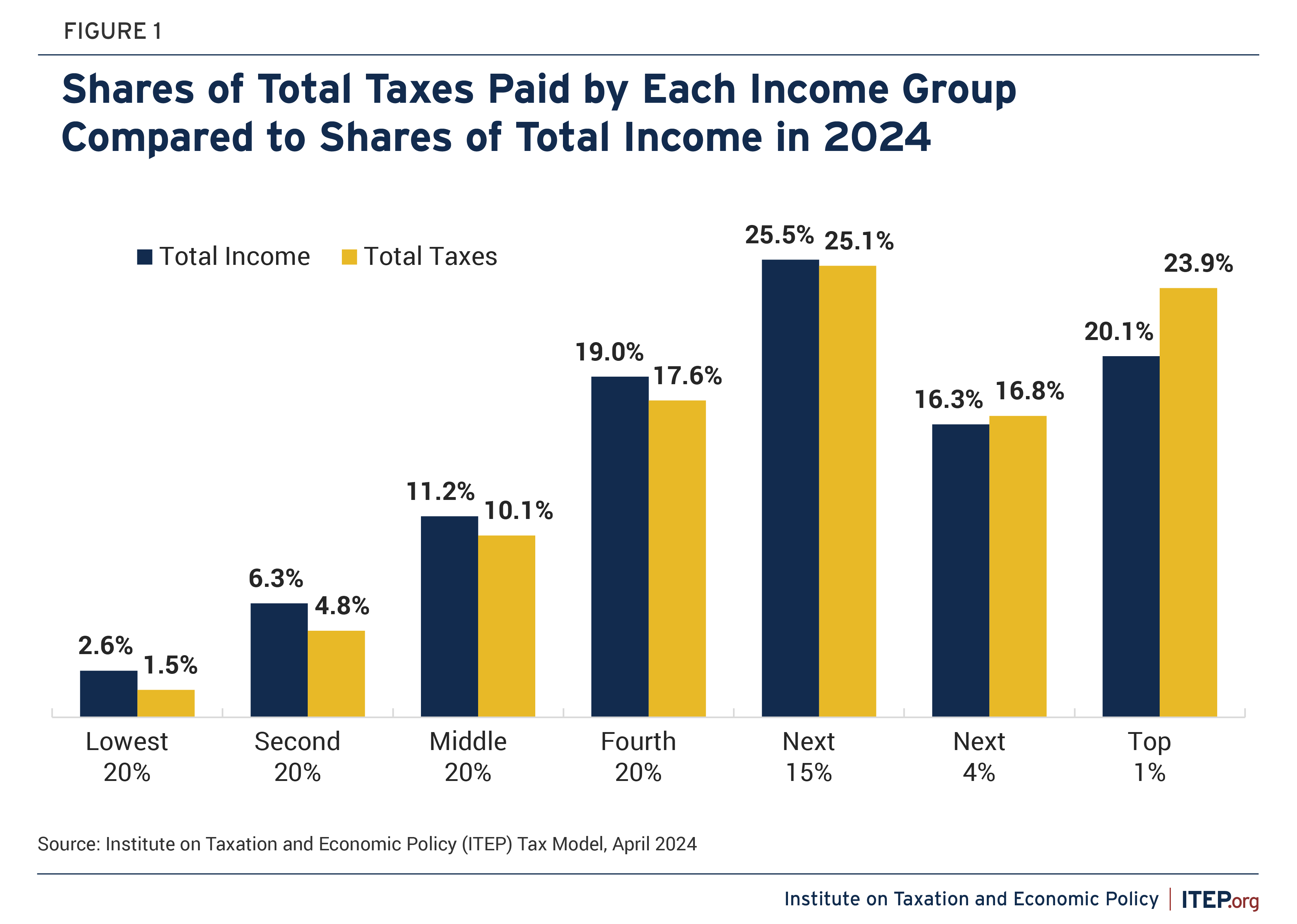
At the most personal level, individuals and households are the bedrock of any tax system, contributing through a myriad of direct and indirect levies that impact their personal finance and spending power.
Income Tax: The Most Common Contribution
For most working adults, income tax is the most significant and directly felt form of taxation. This encompasses taxes on wages, salaries, professional fees, and other forms of earned income. Systems vary globally, but common models include progressive taxation, where higher earners pay a larger percentage of their income in taxes, aiming for greater equity. Conversely, regressive systems disproportionately affect lower earners, as they pay a larger percentage of their income, even if the absolute amount is smaller. Proportional or flat tax systems apply the same rate to all income levels, regardless of income bracket. Individuals typically file annual tax returns, calculating their taxable income after deductions and credits, and paying any outstanding balance or receiving a refund.
Consumption Taxes: Indirect Contributions on Spending
Beyond income, individuals also contribute significantly through consumption taxes, which are levied on goods and services rather than income or property. These are often considered “indirect” taxes because, while businesses collect them, the economic burden is typically passed on to the consumer. Examples include Sales Tax in the United States, Value Added Tax (VAT) prevalent across Europe and many other parts of the world, and Goods and Services Tax (GST) in countries like Canada and Australia. Excise duties, levied on specific goods like tobacco, alcohol, or fuel, also fall into this category. These taxes mean that every purchase, from a daily coffee to a new car, includes a contribution to public coffers, making every consumer an indirect taxpayer.
Property and Wealth Taxes: Contributions on Assets
Another substantial contribution from individuals and households comes in the form of property taxes and, in some jurisdictions, wealth taxes. Property taxes are usually levied by local governments on real estate, based on assessed values. These funds typically support local services like schools, police, and fire departments. The owners of residential and commercial properties are the direct payers. Wealth taxes are less common but exist in some forms, taxing an individual’s total net worth (assets minus liabilities). Inheritance or estate taxes, levied on the transfer of wealth upon death, also represent a significant contribution from families and estates, impacting long-term financial planning and intergenerational wealth transfer.
The Corporate Entity: Businesses and Their Tax Burden
While individuals are a primary source of tax revenue, corporations and businesses also play a critical role, contributing through profit-based taxes, payroll taxes, and various other levies. However, the question of who actually pays corporate taxes is a subject of intense economic debate.
Corporate Income Tax: A Share of Profits
Corporate income tax is a direct tax on the profits of legal entities. Governments impose these taxes to ensure that businesses, which benefit from public infrastructure, legal frameworks, and an educated workforce, contribute to the societal resources they utilize. The rates and rules for calculating taxable profit vary widely by jurisdiction, influencing corporate financial strategies, investment decisions, and even where companies choose to establish operations. These taxes are recorded in a company’s financial statements as an expense, reducing net income.
The Elusive “Payer”: Tax Incidence and Shifting Burdens
The complexity arises with the concept of tax incidence, which refers to the actual economic burden of a tax, regardless of who legally pays it. While a corporation legally remits corporate income tax, economists argue that the burden is ultimately shifted to one or more stakeholders:
- Consumers: Through higher prices for goods and services.
- Employees: Through lower wages or fewer benefits.
- Shareholders/Owners: Through lower dividends or reduced stock values.
- Suppliers: Through lower prices paid for inputs.
The ability of a corporation to shift its tax burden depends on market dynamics, competition, and the elasticity of demand and supply for its products and labor. Understanding tax incidence is crucial for evaluating the true impact of corporate tax policies on the broader economy and on individuals’ personal finance.
Payroll and Other Business Taxes: Beyond Profits
Beyond corporate income tax, businesses contribute significantly through payroll taxes, which typically fund social security, Medicare, unemployment benefits, and other social welfare programs. Both employers and employees usually contribute to these, though the employer’s portion is a direct cost to the business. Businesses also pay various local licenses, permits, property taxes on their commercial real estate, and often collect and remit consumption taxes (like sales tax or VAT) on behalf of the government. These diverse contributions are an integral part of business finance, influencing operating costs and pricing strategies.
Beyond Direct Payments: Indirect Taxes and Tax Incidence
The notion of “who pays taxes” extends beyond explicit payments to governments, encompassing various indirect mechanisms and the aforementioned concept of tax incidence. Many taxes are embedded within economic activities, making their ultimate payer less visible.
Capital Gains Tax: Profiting from Investments
When individuals or corporations sell an asset—such as stocks, bonds, real estate, or other investments—for a profit, they typically owe capital gains tax. This is a tax on the increase in value of an asset. While it’s a direct tax on investment income, it’s often distinguished from ordinary income tax due to different rates or holding period requirements. Investors, both small-scale and institutional, are the direct payers. Understanding capital gains tax is essential for investment planning, as it impacts net returns and influences decisions on when to buy and sell assets.
Excise Taxes and Environmental Levies: Shaping Behavior
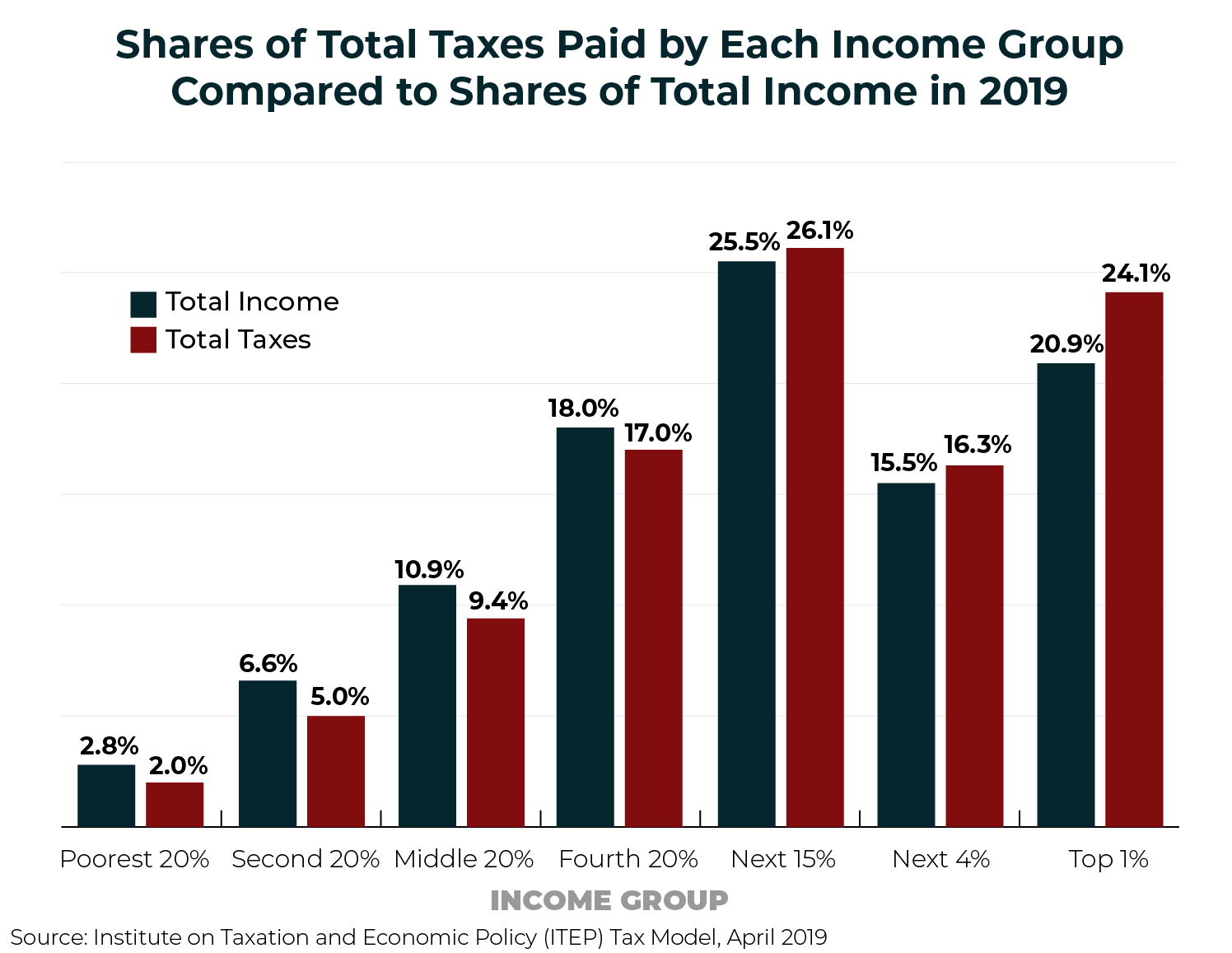
Excise taxes are special indirect taxes levied on the sale of particular goods or services. Often referred to as “sin taxes,” they are commonly applied to products like tobacco, alcohol, and sugary drinks, with the dual aim of generating revenue and discouraging consumption of goods deemed harmful to public health or society. Fuel taxes, another form of excise tax, fund infrastructure projects. Environmental taxes or carbon taxes, similarly, aim to discourage activities that harm the environment by making them more expensive. While the businesses selling these goods collect the tax, the ultimate burden almost always falls on the consumer through higher prices, making them indirect contributors to public funds and policy objectives.
The Informal Economy and the Tax Gap
An often-overlooked aspect of “who pays taxes” involves those who don’t pay, or don’t pay their full share, due to participation in the informal economy or through various forms of tax non-compliance. The informal economy encompasses unreported income from unregistered businesses or undeclared work. This results in a tax gap—the difference between the amount of tax legally owed and the amount actually collected. When some individuals or businesses evade taxes, the burden effectively shifts to compliant taxpayers, who must either pay more to maintain public services or endure cuts to those services. Addressing the tax gap is a continuous challenge for governments, impacting financial equity and the sustainability of public finance.
The Purpose of Taxation: Funding Society and Shaping Policy
Understanding who pays taxes is incomplete without grasping why we pay them. Taxes are more than just a financial obligation; they are a fundamental component of the social contract, enabling collective action and shaping economic and social landscapes.
Funding Public Goods and Services: The Collective Benefit
The primary purpose of taxation is to finance public goods and services that benefit society as a whole but cannot efficiently be provided by the private market alone. This includes critical infrastructure (roads, bridges, utilities), national defense, public safety (police, fire departments), public education, scientific research, and environmental protection. Without a mechanism for collective funding, these essential services would either not exist or be inaccessible to large segments of the population. Every taxpayer, whether directly or indirectly, contributes to this shared reservoir of resources, which forms the backbone of a functional society.
Income Redistribution and Social Equity: Addressing Disparities
Many tax systems also serve as a tool for income redistribution and promoting social equity. Progressive tax structures, along with transfer payments (like unemployment benefits, welfare programs, and social security), aim to alleviate poverty, reduce income inequality, and provide a safety net for vulnerable populations. By taxing higher earners at a greater rate and using those funds to support lower-income individuals or provide universal services, governments attempt to create a more equitable society. This aspect of taxation is often a subject of intense political and economic debate, balancing the desire for equity against concerns about economic incentives and individual liberty.
Influencing Economic Behavior: Steering the Market
Beyond revenue generation and redistribution, taxation is a powerful instrument for influencing economic behavior. Governments use tax incentives (like tax credits for energy-efficient purchases or R&D) to encourage specific activities deemed beneficial to the economy or society. Conversely, taxes can be used to discourage undesirable behaviors, as seen with sin taxes on tobacco and alcohol, or carbon taxes to reduce pollution. These fiscal policies can stimulate investment, encourage innovation, promote environmental sustainability, or deter harmful consumption, demonstrating taxes’ role as a dynamic tool for economic management.
Global Dimensions and Future Challenges in Taxation
In an increasingly interconnected world, the question of “who pays taxes” takes on a significant international dimension, presenting complex challenges for financial authorities and global governance.
International Taxation and Corporate Mobility
The rise of multinational corporations operating across borders has complicated national tax systems significantly. Companies can strategically structure their operations and transfer profits between subsidiaries in different countries to minimize their overall tax burden—a practice known as tax planning, or in some cases, aggressive tax avoidance. The phenomenon of tax havens—countries or jurisdictions with very low or no corporate taxes—further complicates matters, allowing profits to be legally shifted away from the countries where economic activity actually occurs. This raises concerns about fairness, as domestic businesses and individual taxpayers in high-tax jurisdictions bear a disproportionately larger share.
The Quest for Global Tax Harmonization
In response to these challenges, international bodies like the OECD (Organisation for Economic Co-operation and Development) have launched initiatives aimed at combating base erosion and profit shifting (BEPS). Efforts towards a global minimum corporate tax rate, for example, represent an attempt to harmonize international tax rules and ensure that multinational corporations pay their fair share wherever they operate. Such initiatives highlight the evolving nature of taxation in a globalized economy, where national sovereignty over tax policy must often contend with the realities of capital mobility and interconnected markets.
Digital Economy and Emerging Tax Frontiers
The digital economy presents a new frontier for taxation. Traditional tax rules were designed for a physical economy, making it difficult to tax companies that derive significant value from user data, digital services, or online advertising without a physical presence in a country. Debates over digital services taxes and new allocation rules for taxing profits of tech giants are ongoing, underscoring the need for innovative solutions to ensure that the economic value created in the digital realm is appropriately taxed. As business models continue to evolve, so too must the mechanisms for determining who pays taxes and how revenue is distributed among nations.
Conclusion
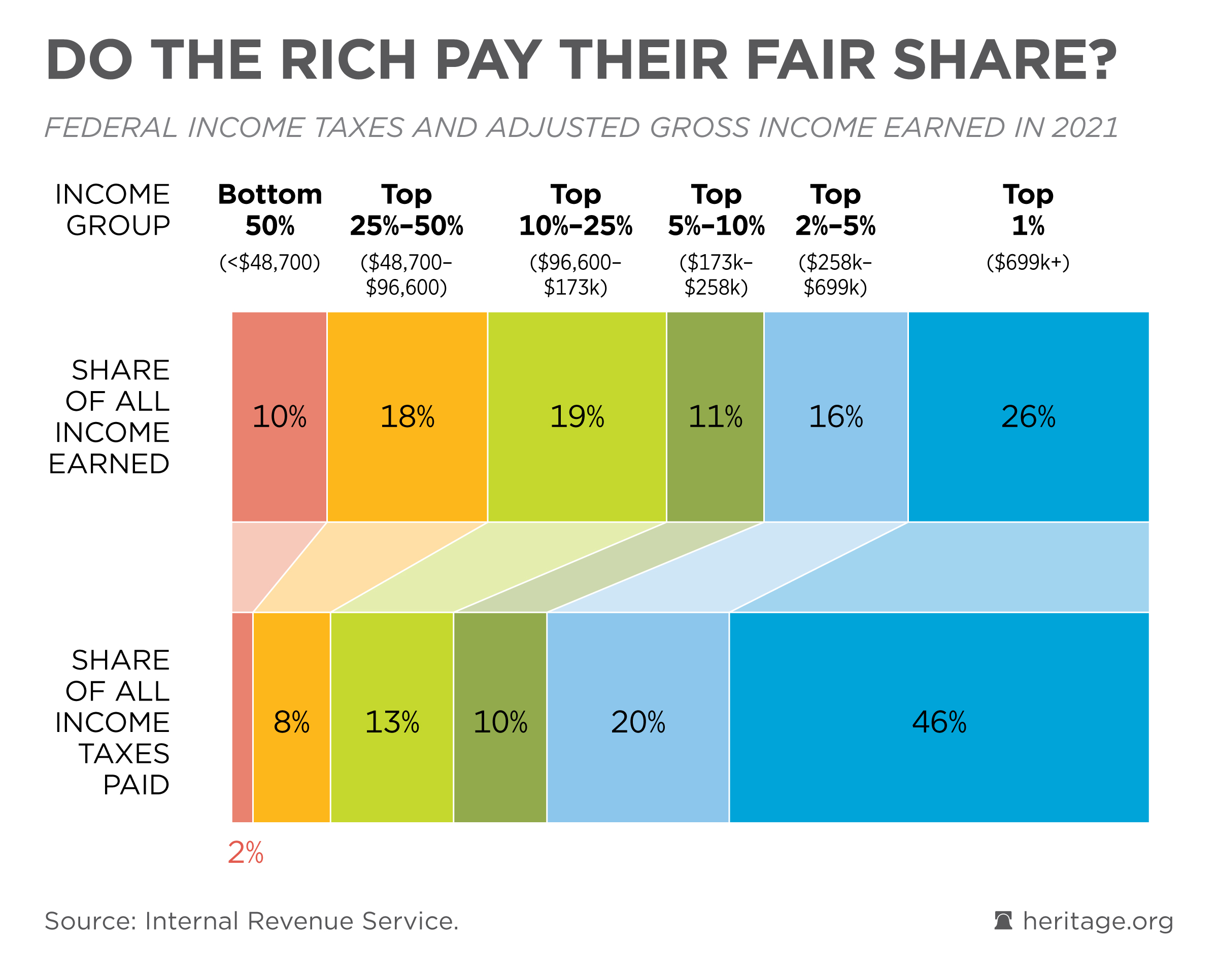
The question “who pays taxes” is far from simple. It reveals a sophisticated network of financial obligations that extends from the individual consumer making a daily purchase to the multinational corporation navigating complex international tax codes. Taxes are the collective investment made by individuals and businesses into the functioning of society, funding essential services, shaping economic behavior, and addressing social inequalities. While the legal payer of a tax may be easily identifiable, the ultimate economic burden often disperses across various stakeholders, a concept known as tax incidence. As global economies evolve and digital transformations accelerate, the mechanisms of taxation and the pursuit of fairness and efficiency in financial contributions will remain central to policy debates and individual financial literacy worldwide. Understanding this intricate web is not just an academic exercise; it is crucial for informed citizenship and sound personal and business financial planning.
aViewFromTheCave is a participant in the Amazon Services LLC Associates Program, an affiliate advertising program designed to provide a means for sites to earn advertising fees by advertising and linking to Amazon.com. Amazon, the Amazon logo, AmazonSupply, and the AmazonSupply logo are trademarks of Amazon.com, Inc. or its affiliates. As an Amazon Associate we earn affiliate commissions from qualifying purchases.