
The question “who pays federal income taxes” might seem straightforward at first glance, but delving into its nuances reveals a complex web of legal obligations, economic realities, and societal structures. At its core, the federal income tax system in the United States is designed to fund government operations, from national defense and infrastructure projects to social security and healthcare initiatives. However, the burden of these taxes is not uniformly distributed, nor is it always borne directly by the entity that remits the funds to the Internal Revenue Service (IRS). Understanding who is obligated to pay, what types of income are taxed, and how the progressive system functions is crucial for every citizen, business owner, and financial planner. This article will unravel these complexities, offering a comprehensive look at the various entities and income streams subject to federal income taxation, and the broader implications of this fundamental financial mechanism.
The Legal Framework: Who is Obligated to Pay?
The primary purpose of federal income tax is to raise revenue for the U.S. government, and the legal framework specifies precisely which individuals and entities are required to contribute. This obligation extends far beyond just employed adults and encompasses a wide range of economic actors.
Individuals and Households
The most common taxpayers are individuals and households.
- U.S. Citizens and Resident Aliens: A cornerstone principle of U.S. tax law is that its citizens and resident aliens are taxed on their worldwide income, regardless of where they live or earn that income. This means even if a U.S. citizen works and resides abroad, they are still generally subject to U.S. federal income tax, though foreign earned income exclusions and tax credits can often reduce or eliminate their U.S. tax liability. Resident aliens, defined by a green card test or substantial presence test, are treated similarly to U.S. citizens for tax purposes.
- Non-Resident Aliens: Individuals who are not U.S. citizens or resident aliens are typically taxed only on income that is effectively connected with a U.S. trade or business, or on certain U.S.-sourced fixed, determinable, annual, or periodical (FDAP) income, often at a flat rate, which may be subject to treaty benefits.
- Dependents and Minors: While often not filing their own returns due to insufficient income, dependents and minors can have a filing requirement if their earned income exceeds a certain threshold or if their unearned income (like interest or dividends) is above a specific limit. The “kiddie tax” rules apply to certain unearned income of children, taxing it at their parents’ marginal rate.
- Filing Status: An individual’s filing status – Single, Married Filing Jointly, Married Filing Separately, Head of Household, or Qualifying Widow(er) with Dependent Child – significantly impacts their tax brackets, standard deduction amount, and eligibility for various credits. This status is determined by marital status and family situation as of the last day of the tax year.
Businesses and Corporations
Businesses, regardless of their size or structure, also have federal income tax obligations, though the mechanism varies significantly.
- Sole Proprietorships and Partnerships: These are considered “pass-through” entities. The business itself does not pay federal income tax on its profits. Instead, the profits (or losses) are “passed through” to the owner(s) and reported on their individual income tax returns (Form 1040, Schedule C for sole proprietors, Schedule K-1 for partners). The owners then pay income tax on these profits at their individual marginal rates. They are also subject to self-employment tax (Social Security and Medicare taxes) on their net earnings.
- S Corporations: Similar to partnerships, S corporations are also pass-through entities. They elect to pass corporate income, losses, deductions, and credits through to their shareholders for federal tax purposes. This avoids the double taxation inherent in C corporations. Shareholders pay taxes on the income at their individual rates, and are also subject to self-employment taxes if they are actively involved in the business.
- C Corporations: Unlike pass-through entities, C corporations are separate legal entities that are subject to corporate income tax on their profits. This can lead to “double taxation” because the corporation pays tax on its income, and then shareholders pay a second layer of tax on dividends received from the corporation (which are paid out of after-tax corporate profits).
- Non-Profits: Organizations granted 501(c)(3) status (and other 501(c) types) are generally exempt from federal income tax on income related to their charitable or educational mission. However, they may be subject to unrelated business income tax (UBIT) on income derived from activities not substantially related to their exempt purpose.
Estates and Trusts
Estates and trusts are distinct taxable entities that hold assets for beneficiaries. They generally pay federal income tax on any income they earn that is not distributed to beneficiaries. If income is distributed to beneficiaries, it is typically taxed at the beneficiary’s individual rate. The rules for taxing estates and trusts can be quite complex, involving specific deductions and tax rates.
Sources of Taxable Income: What Are We Taxed On?
Federal income taxes are levied on a broad spectrum of income sources. Understanding what constitutes taxable income is key to accurately fulfilling one’s tax obligations.
Wages, Salaries, and Tips
For most working individuals, the largest component of taxable income comes from wages, salaries, and tips. This is typically reported on Form W-2 issued by an employer, detailing gross earnings, federal income tax withheld, and other payroll deductions. Tips received are also considered taxable income and must be reported.
Business and Self-Employment Income
Individuals who operate their own businesses as sole proprietors or independent contractors report their net profit (gross income minus allowable business expenses) on Schedule C (Profit or Loss from Business) of Form 1040. Partners and S corporation shareholders receive Schedule K-1 detailing their share of the business’s income, which is then reported on their individual returns. This income is also generally subject to self-employment tax.
Investment Income
Income generated from investments is a significant source of taxable income, particularly for those with substantial assets.
- Interest and Dividends: Interest earned from bank accounts, bonds, and other debt instruments, as well as dividends from stocks and mutual funds, are generally taxable. Qualified dividends, however, may be taxed at lower capital gains rates.
- Capital Gains: When an asset (like stocks, real estate, or collectibles) is sold for more than its purchase price, the profit is a capital gain. Short-term capital gains (assets held for one year or less) are taxed at ordinary income rates, while long-term capital gains (assets held for more than one year) benefit from preferential, lower tax rates.
- Rental Income: Income derived from renting out property (real estate, vehicles, equipment, etc.) is generally taxable, after deducting eligible expenses.
Other Income
A variety of other income sources are also subject to federal income tax:
- Pensions and Annuities: Distributions from most traditional retirement plans and annuities are taxable upon receipt.
- Social Security Benefits: A portion of Social Security benefits may be taxable if an individual’s “provisional income” (adjusted gross income plus tax-exempt interest plus half of Social Security benefits) exceeds certain thresholds.
- Unemployment Benefits: All unemployment compensation received is fully taxable and must be reported.
- Gambling Winnings: Winnings from lotteries, raffles, horse races, and other forms of gambling are fully taxable.
- Awards and Prizes: Cash or the fair market value of prizes and awards are generally taxable.
- Foreign Income: As mentioned, U.S. citizens and resident aliens are taxed on worldwide income, including income earned from foreign sources.
Exempt Income vs. Taxable Income
It’s important to distinguish between taxable and non-taxable income. Certain types of income are exempt from federal income tax, such as interest from municipal bonds, certain scholarships and fellowships used for qualified educational expenses, workers’ compensation benefits, and qualified foster care payments. Understanding these distinctions is crucial for accurate tax planning and compliance.
The Progressive Nature of the U.S. Tax System
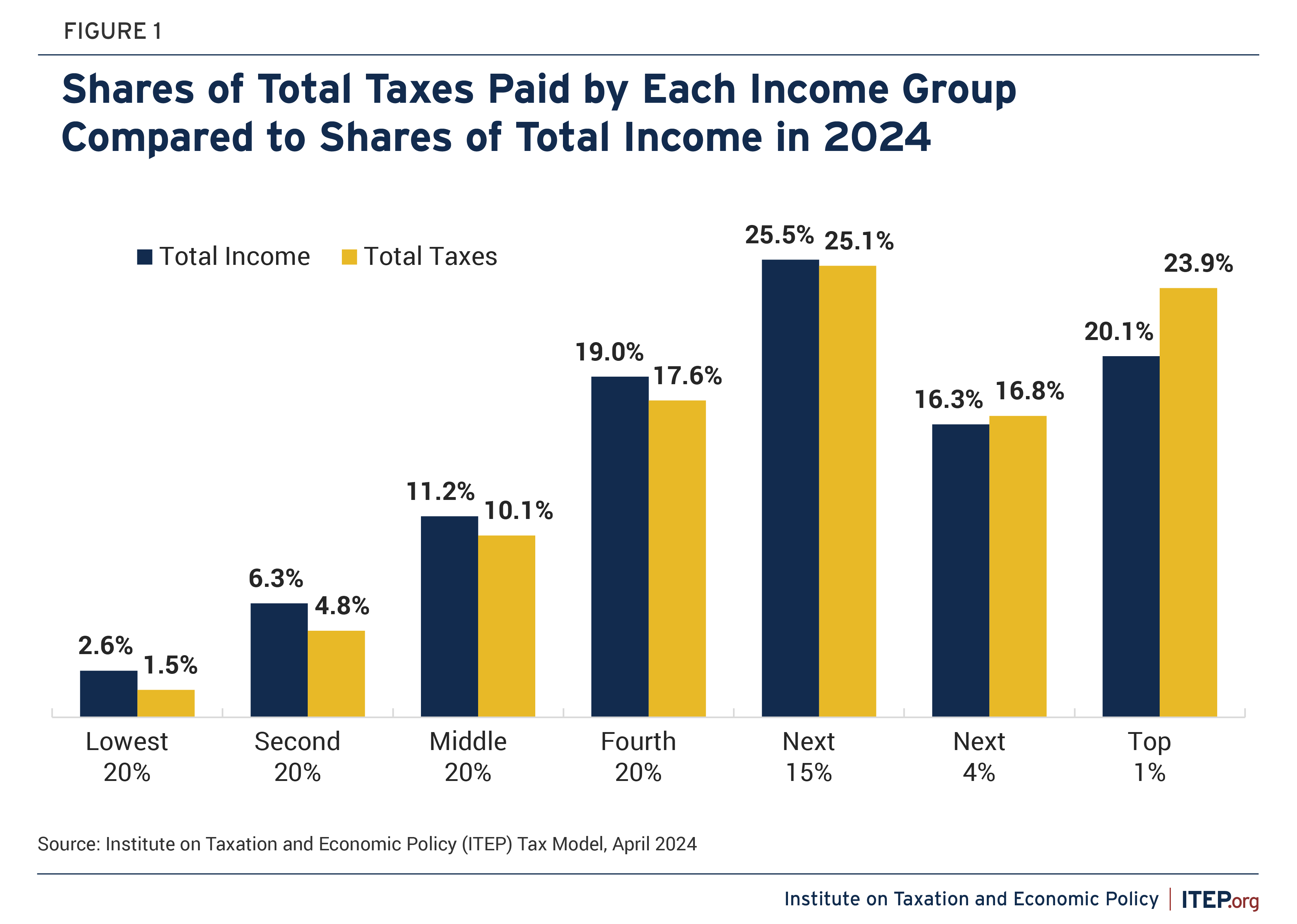
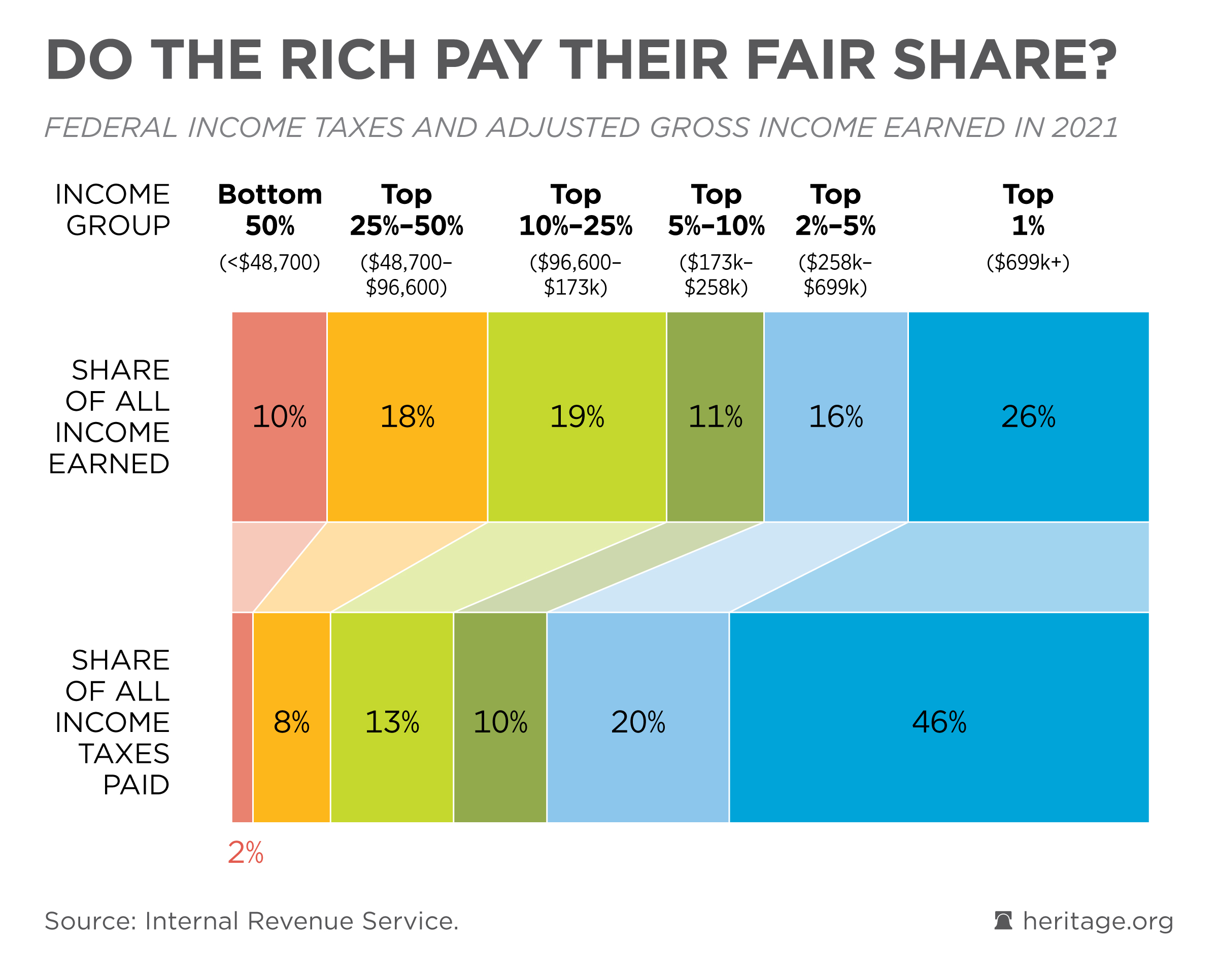
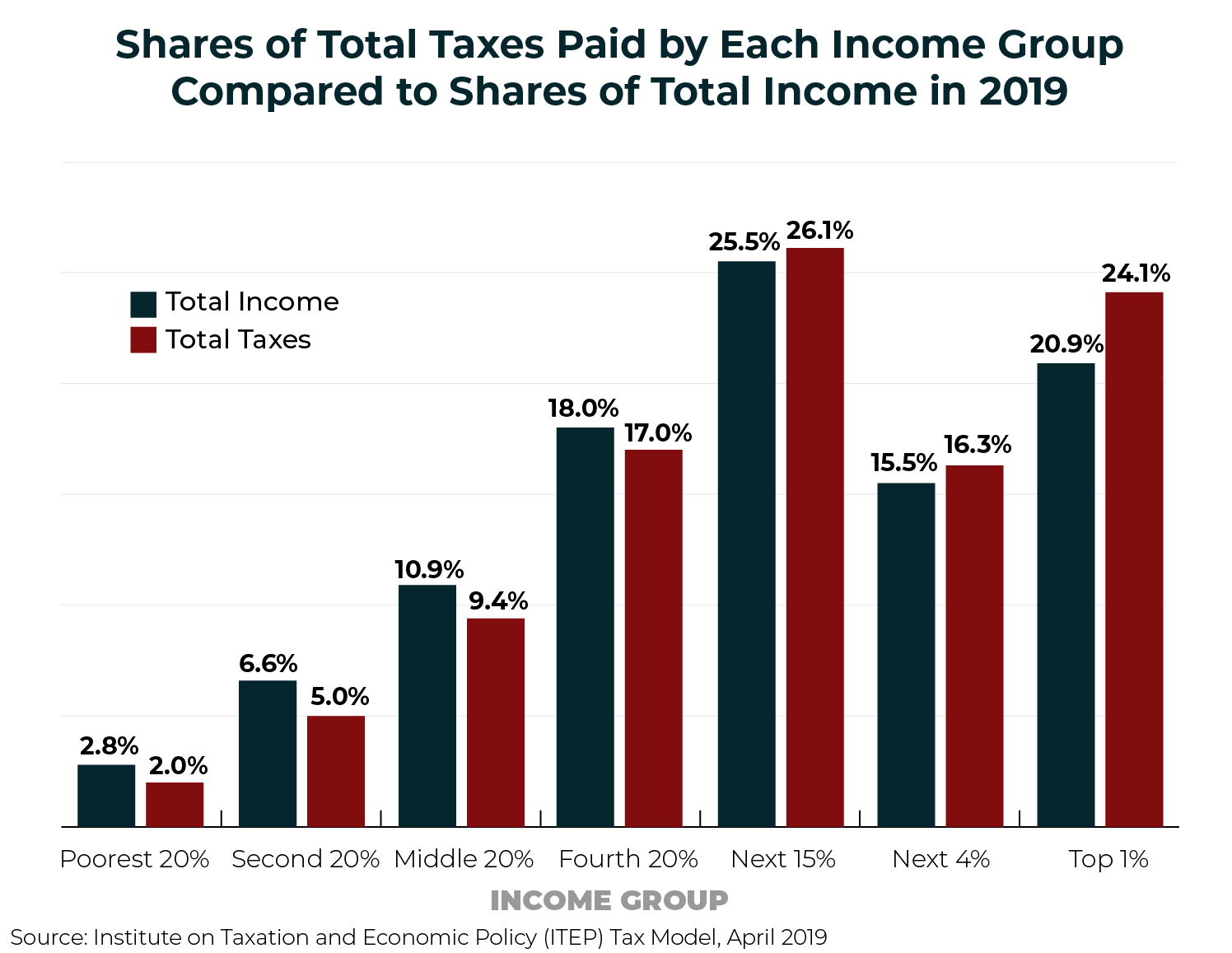
The U.S. federal income tax system is designed to be progressive, meaning that individuals with higher incomes pay a larger percentage of their income in taxes. This is primarily achieved through a system of tax brackets and marginal rates, complemented by deductions and credits.
Tax Brackets and Marginal Rates
The concept of tax brackets is fundamental to the progressive system. Instead of all income being taxed at a single rate, income is divided into segments, or “brackets,” each taxed at a progressively higher rate.
- Marginal Tax Rates: It’s a common misconception that if you fall into a 22% tax bracket, all of your income is taxed at 22%. In reality, only the portion of your taxable income that falls within that bracket is taxed at that rate. For example, the first dollar might be taxed at 10%, the next segment at 12%, then 22%, and so on. This is called the marginal tax rate – the rate applied to the last dollar of income earned. This structure ensures that everyone pays the lowest rates on their initial income.
- Annual Adjustments: Federal income tax brackets, along with standard deduction amounts, are adjusted annually for inflation to prevent “bracket creep,” where inflation pushes taxpayers into higher brackets even if their real income hasn’t increased.
Deductions, Credits, and Exemptions
Beyond tax brackets, various provisions further refine the progressive nature of the tax system and provide relief or incentives.
- Deductions: Deductions reduce an individual’s taxable income. The two main types are the standard deduction and itemized deductions. Taxpayers generally choose the larger of the two. The standard deduction is a fixed amount based on filing status, while itemized deductions allow taxpayers to subtract specific expenses (e.g., state and local taxes, mortgage interest, charitable contributions) from their adjusted gross income. The more deductions claimed, the lower the taxable income, and potentially, the lower the overall tax liability.
- Tax Credits: Tax credits are even more powerful than deductions because they directly reduce the amount of tax owed, dollar for dollar. For example, a $1,000 credit reduces your tax bill by $1,000. Examples include the Child Tax Credit, Earned Income Tax Credit (EITC), education credits, and credits for energy-efficient home improvements. Some credits are “refundable,” meaning they can result in a tax refund even if the taxpayer owes no tax.
- Exemptions (Historical Context): Prior to the Tax Cuts and Jobs Act (TCJA) of 2017, taxpayers could also claim “personal exemptions” for themselves, their spouses, and dependents, which further reduced taxable income. TCJA eliminated personal exemptions through 2025, significantly increasing the standard deduction instead.
The Role of Wealthy Individuals and Corporations
While the progressive system aims to ensure higher earners pay a greater share, the actual “effective tax rate” (the percentage of total income paid in taxes after all deductions and credits) for wealthy individuals and large corporations can sometimes differ significantly from their nominal bracket rates.
- Tax Planning Strategies: High-net-worth individuals and corporations often employ sophisticated tax planning strategies, utilize tax-advantaged investments (like municipal bonds), and leverage complex deductions and credits to minimize their tax burden.
- Ongoing Debate: The distribution of the tax burden and the perceived fairness of the system are subjects of ongoing political and economic debate. Critics often argue that loopholes and specialized provisions allow the wealthiest to pay a lower effective tax rate than middle-income earners, while proponents emphasize the importance of capital formation and investment for economic growth.
Beyond Federal Income Tax: A Broader Perspective
It’s important to remember that federal income tax is just one component of an individual’s or business’s total tax burden.
Payroll Taxes (FICA)
Often confused with income tax, payroll taxes, also known as Federal Insurance Contributions Act (FICA) taxes, are separate taxes dedicated to funding Social Security and Medicare.
- Social Security and Medicare: Employees and employers each pay a share of these taxes. As of current law, employees pay 6.2% for Social Security up to an annual wage cap and 1.45% for Medicare on all earned income. Employers match these contributions.
- Self-Employment Tax: Self-employed individuals pay both the employer and employee portions, totaling 12.4% for Social Security (up to the wage cap) and 2.9% for Medicare on their net earnings. However, they can deduct one-half of their self-employment taxes paid from their gross income when calculating adjusted gross income.
State and Local Taxes
In addition to federal taxes, most individuals and businesses also pay state and local taxes, which can include:
- State Income Tax: Many states impose their own income taxes, which can be progressive, flat, or even non-existent in some states.
- Sales Tax: Levied on the purchase of goods and services.
- Property Tax: Assessed on real estate and sometimes personal property, funding local services like schools and infrastructure.
- Other Taxes: Various other local taxes, such as excise taxes, hotel taxes, and business licenses.
The Economic and Societal Impact
The revenue generated by federal income taxes is immense and underpins the vast majority of government functions.
- Funding Government Services: Tax dollars fund everything from national defense and scientific research to federal highways, education initiatives, and social programs like Medicare and Medicaid.
- Economic Stabilization and Redistribution: Taxes are also a tool for economic stabilization, allowing the government to influence aggregate demand, and for wealth redistribution, aiming to provide a safety net and reduce income inequality (though the extent of this effect is often debated).
Navigating Your Tax Obligations: Practical Steps
Given the complexities, understanding and fulfilling one’s tax obligations requires proactive engagement.
Record Keeping and Organization
Maintaining thorough and organized records of income, expenses, deductions, and credits throughout the year is paramount. This includes W-2s, 1099s, bank statements, receipts for deductible expenses, and investment statements. Good record-keeping simplifies tax preparation and provides crucial documentation in case of an IRS audit.
Estimated Taxes
For self-employed individuals, those with significant investment income, or others whose income is not subject to sufficient withholding, it’s often necessary to pay estimated taxes quarterly. This ensures that tax liabilities are paid throughout the year, avoiding potential penalties for underpayment.
Professional Help vs. DIY
While many individuals use tax software to prepare their own returns, others benefit from professional assistance.
- Tax Software: Good for straightforward returns, offering step-by-step guidance and error checking.
- CPAs, Enrolled Agents, or Tax Attorneys: Recommended for complex financial situations, business owners, those with significant investment activity, or individuals facing audits. These professionals can offer personalized advice and identify potential tax-saving opportunities.
Staying Informed
Tax laws are dynamic and can change frequently through new legislation, IRS rulings, and court decisions. Staying informed about changes, particularly those relevant to one’s specific financial situation, is vital for accurate tax planning and compliance. Reputable financial news sources, IRS publications, and tax professional updates are good resources.
Conclusion
The question of “who pays federal income taxes” leads us down a path illustrating the intricate architecture of the U.S. financial system. From the individual earning a modest wage to the multinational corporation generating billions, the obligation to contribute to the national purse is widespread, albeit structured with varying nuances. The progressive system, designed to balance revenue generation with principles of fairness and ability to pay, employs a sophisticated interplay of tax brackets, deductions, and credits. Beyond the immediate act of filing a return, understanding these mechanisms empowers individuals and businesses to navigate their financial responsibilities effectively, optimize their tax position, and appreciate their role in funding the essential services that underpin society. Ultimately, federal income tax is not just a financial transaction; it’s a fundamental pillar of modern governance and collective responsibility.
aViewFromTheCave is a participant in the Amazon Services LLC Associates Program, an affiliate advertising program designed to provide a means for sites to earn advertising fees by advertising and linking to Amazon.com. Amazon, the Amazon logo, AmazonSupply, and the AmazonSupply logo are trademarks of Amazon.com, Inc. or its affiliates. As an Amazon Associate we earn affiliate commissions from qualifying purchases.