
In the vast landscape of retail, few private label brands command the loyalty and recognition of Kirkland Signature. From oversized jars of nuts to award-winning wines, and from batteries to bespoke apparel, the Kirkland Signature label has become synonymous with quality and value, often sparking conversations and curiosity among consumers. The question “Who owns the Kirkland brand?” isn’t just a trivial inquiry; it’s a fundamental query that unlocks a deeper understanding of brand strategy, corporate identity, and the masterful execution of a private label phenomenon. At its heart, Kirkland Signature is more than just a product line; it is a strategic pillar of Costco Wholesale Corporation’s brand identity and a textbook example of how a store brand can transcend its origins to become a powerful market force in its own right.

The Undeniable Owner: Costco Wholesale Corporation
To answer the question directly and unequivocally: Kirkland Signature is a brand wholly owned by Costco Wholesale Corporation. It is not a separate entity, a joint venture, or a subsidiary; rather, it is Costco’s proprietary private label brand, meticulously developed and managed from within. This direct line of ownership is the bedrock of Kirkland’s entire brand strategy and its enduring success.
A Direct Line of Ownership: Defining Private Label
A private label, also known as a store brand or own brand, is a product manufactured by a third party but sold under a retailer’s brand name. In Kirkland Signature’s case, Costco contracts with various manufacturers—often the same ones that produce leading national brands—to create products according to Costco’s stringent specifications. These products are then exclusively sold in Costco warehouses and through its e-commerce channels, bearing the Kirkland Signature label. This model allows Costco to control the product’s quality, design, and, crucially, its pricing, offering members compelling value while reinforcing the Costco brand promise. The lack of a separate corporate structure for Kirkland Signature highlights its integral role as an extension of the Costco brand, rather than a distinct competitor in the marketplace.
Beyond Simple Ownership: The Strategic Genesis
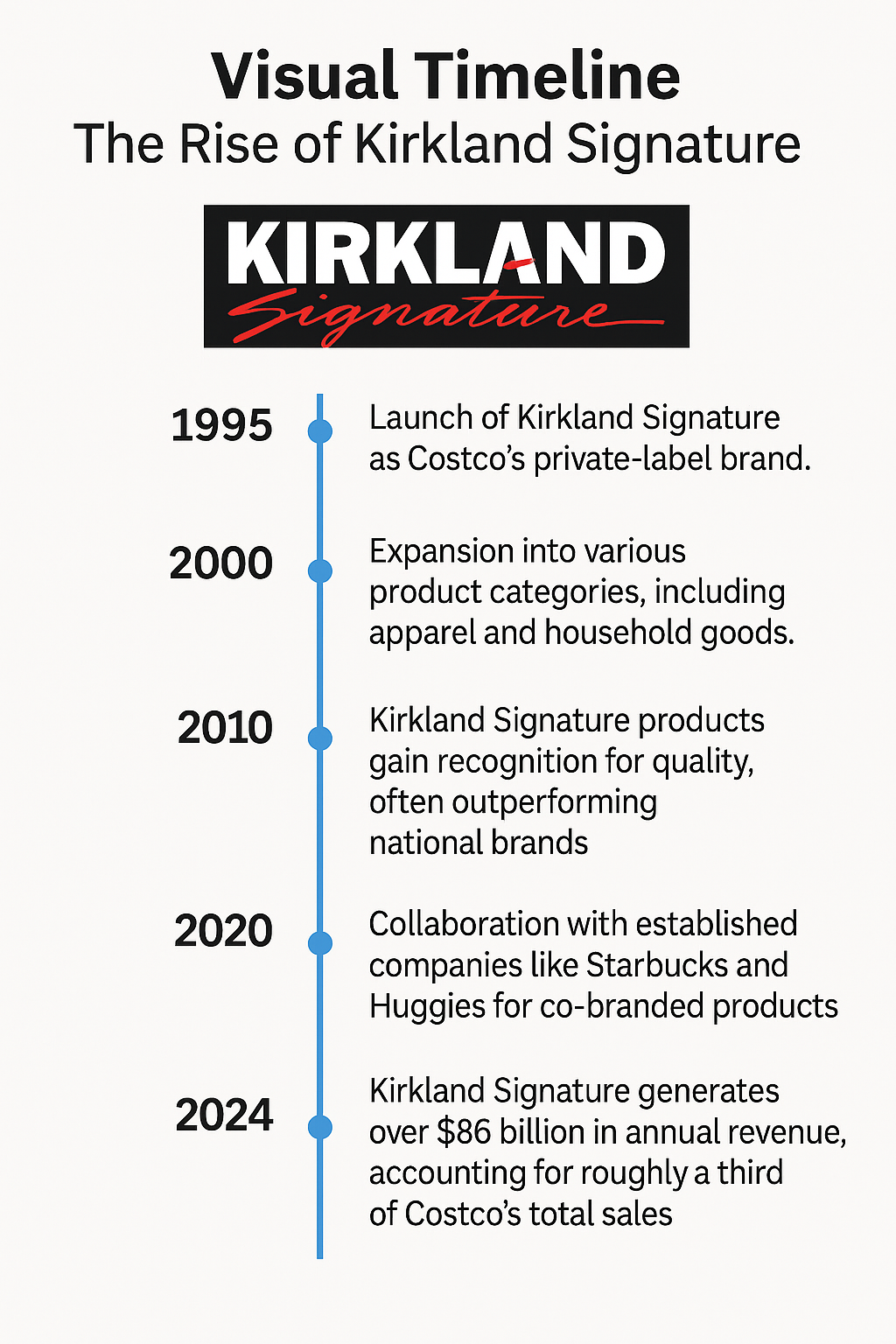
The inception of Kirkland Signature in 1995 was not merely an opportunistic venture; it was a deliberate and visionary strategic move by Costco. Prior to its launch, Costco carried a medley of private label products under various names. Recognizing the confusion this created for consumers and the dilution of brand equity, Costco decided to consolidate all its private label offerings under a single, unified brand: Kirkland Signature. The name itself was chosen to honor the location of Costco’s corporate headquarters at the time, Kirkland, Washington, imbuing the brand with a sense of origin and authenticity.
The core why behind creating Kirkland Signature was multifaceted. Firstly, it aimed to offer members products that met or exceeded the quality of leading national brands at a significantly lower price point, thereby enhancing member value and driving loyalty. Secondly, it provided Costco with greater control over its supply chain, product specifications, and inventory. Thirdly, it served as a powerful bargaining chip against national brands, ensuring that Costco could always provide competitive pricing and options to its members. From a brand strategy perspective, Kirkland was designed to be a trust mark, a promise of consistent quality and exceptional value that would strengthen Costco’s overall corporate identity.
Kirkland’s Brand Identity: A Symphony of Trust and Value
The ownership structure of Kirkland Signature is critical because it directly informs the brand’s unique identity, which is characterized by an unwavering commitment to quality and perceived value. Unlike many private labels that might struggle with perceptions of inferiority, Kirkland Signature has, through consistent execution, cultivated an image of premium yet affordable excellence.
The Promise of “Signature” Quality
The “Signature” in Kirkland Signature is not merely a stylistic flourish; it is a direct brand promise. Costco’s strategy involves meticulously vetting manufacturers, often partnering with industry leaders to produce Kirkland-branded goods. For instance, many Kirkland products are manufactured in the same facilities, using similar or identical ingredients and processes, as their well-known national brand counterparts. This commitment to sourcing quality is then reinforced by rigorous internal quality control processes.
Costco doesn’t just put its name on a product; it stands behind it with an exceptional return policy, further cementing consumer trust. This focus on demonstrable quality, rather than mere claims, has allowed Kirkland Signature to build a formidable reputation. Consumers don’t just expect quality from Kirkland; they assume it, a testament to a brand strategy that prioritizes product excellence as its primary marketing tool. This allows the brand to avoid the “cheap alternative” stigma often associated with store brands, instead positioning itself as a “smart alternative” or even a “premium alternative” due to the value proposition.
A Masterclass in Value Perception
Kirkland Signature’s brand identity is intrinsically linked to value, but it’s a nuanced form of value perception. It’s not about being the cheapest option on the shelf; it’s about delivering superior quality at a price point that significantly undercuts comparable national brands. This value proposition is enabled by Costco’s unique business model. By eliminating marketing costs associated with national brands (Costco spends very little on traditional advertising for Kirkland) and leveraging its massive purchasing power, Costco can pass significant savings directly to its members.
The psychology of buying Kirkland is also fascinating. Members feel they are getting an “insider deal” – access to premium quality without the brand-name markup. This feeling of exclusivity and shrewdness enhances the perceived value of the product and, by extension, the Costco membership itself. The brand’s packaging, often simple and functional, reinforces this no-frills, focus-on-what-matters approach, subtly communicating that the investment is in the product itself, not elaborate branding or advertising.
Marketing by Association, Not Advertising
Perhaps one of the most distinctive aspects of Kirkland Signature’s brand strategy is its unconventional approach to marketing. While national brands spend billions on advertising campaigns, Kirkland Signature relies almost entirely on its association with the Costco brand and word-of-mouth. Its “marketing budget” is effectively reinvested into product quality and competitive pricing.
This strategy works because Costco itself is a powerful brand. Members trust Costco, and that trust extends directly to Kirkland Signature products. Every positive experience with a Kirkland item reinforces the overarching Costco brand, creating a virtuous cycle. In-store placement, strategic product sampling, and positive member reviews become the primary marketing channels. This symbiotic relationship where the retailer’s brand directly elevates its private label brand, and vice-versa, is a powerful case study in leveraging corporate identity for brand success. It demonstrates a deep understanding that the Costco experience is the Kirkland brand experience.
The Brand’s Strategic Impact on Costco’s Corporate Identity
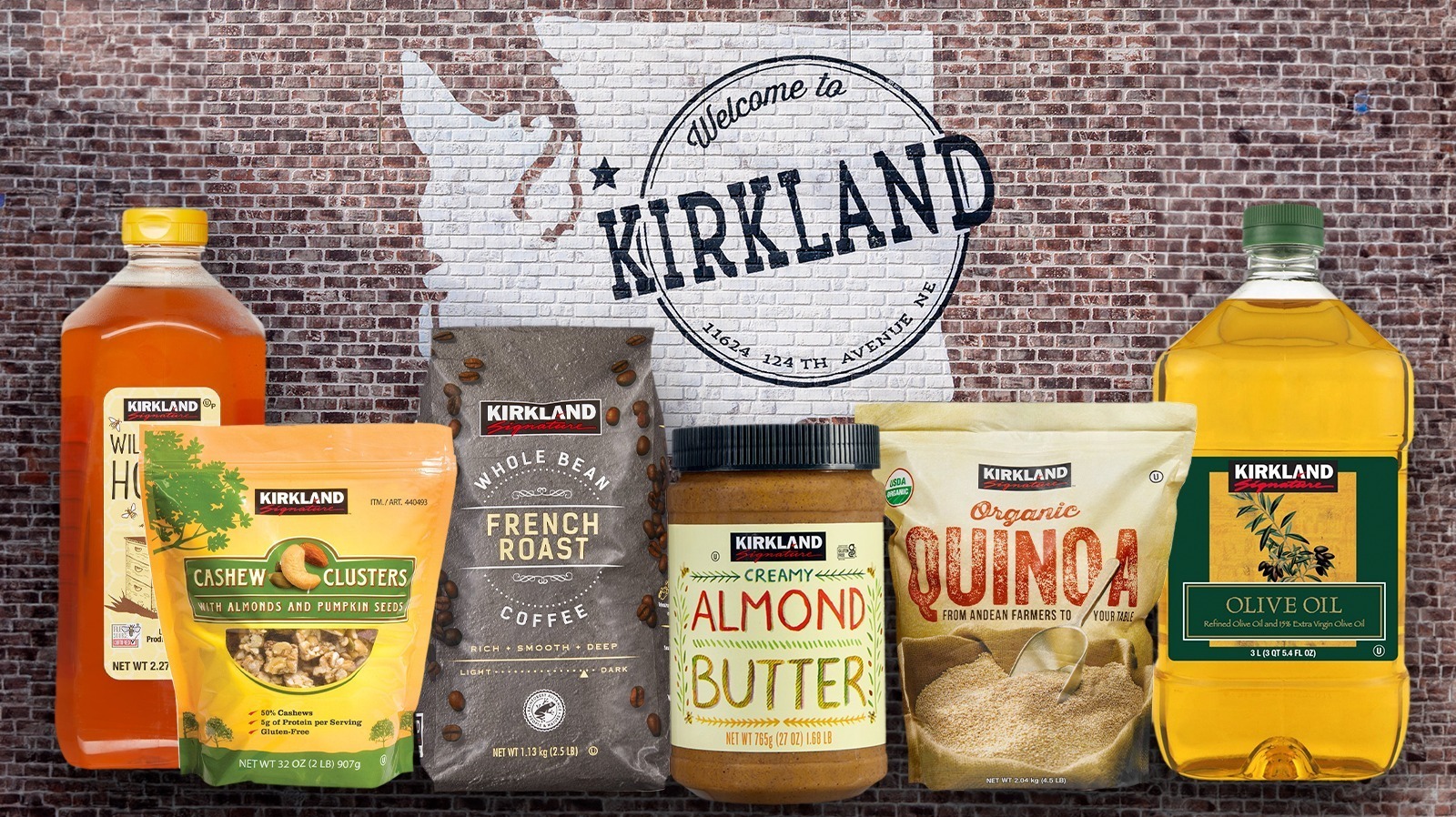
The ownership of Kirkland Signature by Costco is not just a commercial arrangement; it is a fundamental strategic asset that profoundly shapes Costco’s corporate identity and market positioning. Kirkland Signature is not merely a line of products; it is an embodiment of Costco’s values and a key differentiator in a crowded retail market.
Enhancing Customer Loyalty and Membership Value
Kirkland Signature is arguably one of the strongest drivers of Costco’s membership model. Members join Costco not just for bulk purchases, but for exclusive access to the perceived high-quality, high-value offerings under the Kirkland brand. The consistent availability of these beloved products becomes a compelling reason for membership renewal year after year.
The “treasure hunt” aspect of Costco shopping is enhanced by Kirkland products. Discovering a new Kirkland item that delivers exceptional quality at an unbeatable price creates a sense of delight and reinforces the value of the membership. This direct link between the private label and membership loyalty is a sophisticated brand strategy that integrates product offerings deeply into the core value proposition of the entire enterprise. It means that every positive interaction with a Kirkland product strengthens the member’s bond with Costco, making the brand relationship stickier and more resilient.
Strengthening Bargaining Power with Suppliers
From a strategic perspective, Kirkland Signature provides Costco with significant leverage in negotiations with national brand suppliers. If a national brand is unwilling to meet Costco’s pricing or volume requirements, Costco has the option to develop a comparable Kirkland Signature product. This competitive dynamic ensures that national brands selling through Costco are compelled to offer their most competitive terms.
This doesn’t mean Kirkland is always positioned to replace national brands; often, the goal is to create a healthy competitive environment within the warehouse. However, the ability to create an alternative product under its own trusted label empowers Costco. This strategic advantage is a direct result of the trust and quality associated with the Kirkland brand, demonstrating how a strong private label can enhance a retailer’s overall market power and solidify its corporate identity as a tough but fair negotiator that always prioritizes member value.
Shaping the “Costco Experience” Brand
The Kirkland brand is inextricably woven into the fabric of the “Costco Experience.” It represents the essence of what Costco stands for: quality, value, and efficiency delivered through a unique membership model. When a member purchases a Kirkland Signature item, they are not just buying a product; they are affirming their trust in the Costco brand and validating their membership choice.
This integration goes beyond mere product assortment; it permeates the entire brand perception. Costco’s reputation for curation, for offering a limited but high-quality selection, is amplified by Kirkland. The private label streamlines choice, often presenting the “best” or “smartest” option in a given category. This consistent brand experience, largely underpinned by Kirkland, reinforces Costco’s corporate identity as a discerning, member-centric retailer that has mastered the art of value proposition.
The Future of the Kirkland Brand: Evolution and Expansion
The success of Kirkland Signature is a dynamic process, requiring constant adaptation and careful guardianship. As consumer preferences evolve and market dynamics shift, the brand must continue to innovate while staying true to its core tenets of quality and value.
Adapting to Market Trends and Consumer Demands
The future of Kirkland Signature will undoubtedly involve strategic expansion into new product categories and an adaptation to emerging consumer trends. This might include a greater emphasis on organic, sustainable, or plant-based options, reflecting broader societal shifts. Costco’s ownership allows it the agility to respond to these trends quickly, developing Kirkland products that meet evolving demands without the bureaucratic hurdles a separate company might face.
The challenge lies in maintaining the stringent quality standards and value proposition across an ever-broader range of products. Each new Kirkland item must uphold the brand’s legacy, ensuring that the “Signature” promise remains consistent. This requires continuous market research, supplier relationship management, and a keen understanding of the Costco member base.
Protecting the Private Label Legacy
Protecting the integrity of the Kirkland brand is paramount for Costco. This involves ongoing vigilance in quality control, ensuring that any third-party manufacturer adheres to strict specifications. It also means managing the delicate balance of product innovation versus brand consistency. Too much change, or a dip in quality, could erode the hard-won trust that defines the brand.
Furthermore, the brand’s success means guarding against potential counterfeits or imitations, reinforcing its exclusive distribution through Costco channels. The strategic stewardship of Kirkland Signature is a continuous exercise in brand guardianship, requiring a deep understanding of its market position, its intrinsic value to Costco’s corporate identity, and the enduring loyalty it commands from millions of members worldwide.
Conclusion
The question “Who owns the Kirkland brand?” yields a clear and powerful answer: Costco Wholesale Corporation. But the implications of this ownership extend far beyond a simple legal fact. It represents a masterclass in brand strategy, corporate identity, and the extraordinary potential of a well-executed private label. Kirkland Signature is not just an ancillary product line; it is an indispensable component of Costco’s DNA, embodying its commitment to quality, value, and member satisfaction.
By owning and meticulously nurturing Kirkland Signature, Costco has created a brand that not only competes with national labels but often surpasses them in consumer trust and preference. It enhances membership loyalty, strengthens market leverage, and profoundly shapes the overall Costco experience. As Kirkland Signature continues to evolve, its enduring success will remain a testament to the strategic brilliance of integrating a private label so deeply into a corporate identity that it becomes inseparable from the parent company’s brand promise. It stands as a powerful reminder that true brand ownership is not just about legal rights, but about strategic vision, relentless execution, and unwavering commitment to the consumer.
aViewFromTheCave is a participant in the Amazon Services LLC Associates Program, an affiliate advertising program designed to provide a means for sites to earn advertising fees by advertising and linking to Amazon.com. Amazon, the Amazon logo, AmazonSupply, and the AmazonSupply logo are trademarks of Amazon.com, Inc. or its affiliates. As an Amazon Associate we earn affiliate commissions from qualifying purchases.