
Texas Roadhouse is more than just a purveyor of hand-cut steaks and legendary honey-cinnamon butter; it is a financial powerhouse listed on the NASDAQ under the ticker symbol TXRH. To understand who owns Texas Roadhouse, one must look beyond the individual restaurant walls and examine the complex architecture of a publicly traded corporation. Unlike a family-owned diner or a small-scale franchise operation, Texas Roadhouse is owned by a diverse group of shareholders ranging from massive institutional investment firms to individual retail investors and corporate insiders.
Since its Initial Public Offering (IPO) in 2004, the ownership structure of the company has shifted significantly. What began as the vision of a single entrepreneur, W. Kent Taylor, has evolved into a multi-billion dollar enterprise where ownership is decentralized across the global financial markets. Understanding this ownership is critical for investors who want to gauge the company’s stability, governance, and long-term financial health.

The Public Equity Model: A Breakdown of TXRH Stockholders
Texas Roadhouse operates as a publicly traded company, which means its ownership is divided into millions of shares of common stock. As of the current fiscal period, there are approximately 66 to 67 million shares outstanding. This structure ensures that no single entity has absolute control, but rather, ownership is distributed based on equity holdings.
The Role of Common Stock in Ownership
When an individual or a firm buys a share of TXRH, they are purchasing a fractional piece of the company. This ownership entitles them to a portion of the company’s profits—distributed as dividends—and the right to vote on key corporate matters, such as the election of the board of directors. For Texas Roadhouse, the majority of this equity is held by institutional investors, which is a common characteristic of successful, mid-to-large-cap companies in the S&P 400 and similar indices.
The Transition from Founder-Led to Shareholder-Owned
In the early days of the company, W. Kent Taylor held the lion’s share of equity. However, as the company scaled and required capital for expansion, the necessity of the public market became apparent. The 2004 IPO was a turning point that moved the ownership from a private, concentrated model to a public, distributed model. Today, the “owner” is technically anyone with a brokerage account holding TXRH, though the influence of those owners varies wildly based on the size of their position.
Institutional Dominance: The Power Players Behind the Scenes
The most significant portion of Texas Roadhouse is owned by institutional investors. These are professional organizations, such as mutual funds, pension funds, and insurance companies, that manage money on behalf of others. Currently, institutional ownership of Texas Roadhouse sits at approximately 90% to 95%, a high figure that signals strong confidence from the professional financial community.
The Influence of the “Big Three” Asset Managers
The largest shareholders in Texas Roadhouse are often the world’s largest asset management firms: Vanguard Group, BlackRock, and State Street Corporation. These firms do not “own” the company in the traditional sense of running daily operations; instead, they hold the shares in their various index funds and ETFs.
-
The Vanguard Group: Often the largest shareholder, Vanguard typically holds between 10% and 12% of the company’s stock.
-
BlackRock, Inc.: Usually the second-largest holder, BlackRock maintains a significant stake, often hovering around 8% to 10%.
-
Institutional Stewardship: These firms play a crucial role in corporate governance. Because they hold such large blocks of shares, their votes on board members and executive compensation packages carry immense weight.
Why High Institutional Ownership Matters
For the individual investor, high institutional ownership is a double-edged sword. On one hand, it suggests that the company has passed the rigorous “due diligence” of professional analysts, which can provide a sense of security. On the other hand, if these large institutions decide to sell their positions simultaneously, it can lead to significant volatility in the stock price. In the case of Texas Roadhouse, the steady institutional backing has historically provided the capital necessary for the company’s aggressive domestic and international expansion.
The Founder’s Legacy: W. Kent Taylor’s Influence and Insider Ownership

To discuss the ownership of Texas Roadhouse without mentioning W. Kent Taylor would be an oversight of historical and financial proportions. Taylor founded the company in 1993 in Clarksville, Indiana, and remained its primary visionary until his passing in 2021.
The Impact of Insider Holdings
“Insiders” refers to the company’s officers, directors, and high-level executives. Historically, Taylor held a massive stake in the company, which aligned his personal financial interests directly with those of the shareholders. Following his passing, his estate and various trusts managed his holdings, but the company’s management transitioned to a seasoned leadership team that continues to hold significant equity.
Insider ownership currently accounts for a smaller percentage of the total equity than institutional ownership, but it remains a vital metric. When executives like the CEO or CFO own shares, it signals “skin in the game,” reassuring external investors that the management team is motivated to drive the stock price higher.
Corporate Governance and the Board of Directors
While the shareholders “own” the company, the Board of Directors oversees it. The board is responsible for hiring the CEO and ensuring that the company is managed in the best interests of the owners. Texas Roadhouse has maintained a reputation for a strong corporate culture, which many financial analysts attribute to the continuity of leadership even after the transition from the founder’s era.
Financial Performance as an Ownership Metric
The value of owning Texas Roadhouse is tied directly to its financial performance. Investors do not just own the brand name; they own a claim on the company’s cash flows. For a business in the casual dining sector, ownership value is driven by unit growth, same-store sales, and margin management.
Revenue Streams and Profitability
Texas Roadhouse generates billions in annual revenue, primarily through its namesake restaurants. However, the ownership value is diversified through other brands such as Bubba’s 33 and Jaggers. From a business finance perspective, the company’s ability to manage commodity costs—specifically the price of beef—is the primary factor affecting its bottom line. Owners of TXRH stock are essentially betting on the company’s ability to maintain high traffic counts even during periods of inflation.
Dividends: Returning Value to Owners
One of the primary reasons for individual and institutional ownership of Texas Roadhouse is its dividend policy. The company has a history of returning a portion of its earnings to shareholders in the form of cash payments.
-
Dividend Growth: The company has aggressively grown its dividend over the years, making it an attractive “income play” for value investors.
-
Yield and Payout Ratio: By maintaining a healthy payout ratio, the company ensures it retains enough capital to fund new restaurant openings while still rewarding the owners. This balance is a hallmark of disciplined financial management.
The Strategic Future: Diversification and Long-Term Value
Looking ahead, the ownership of Texas Roadhouse will continue to evolve as the company navigates the complexities of the global economy. The question of “who owns” the company is increasingly answered by those who believe in its long-term expansion strategy.
Expanding Beyond the Roadhouse
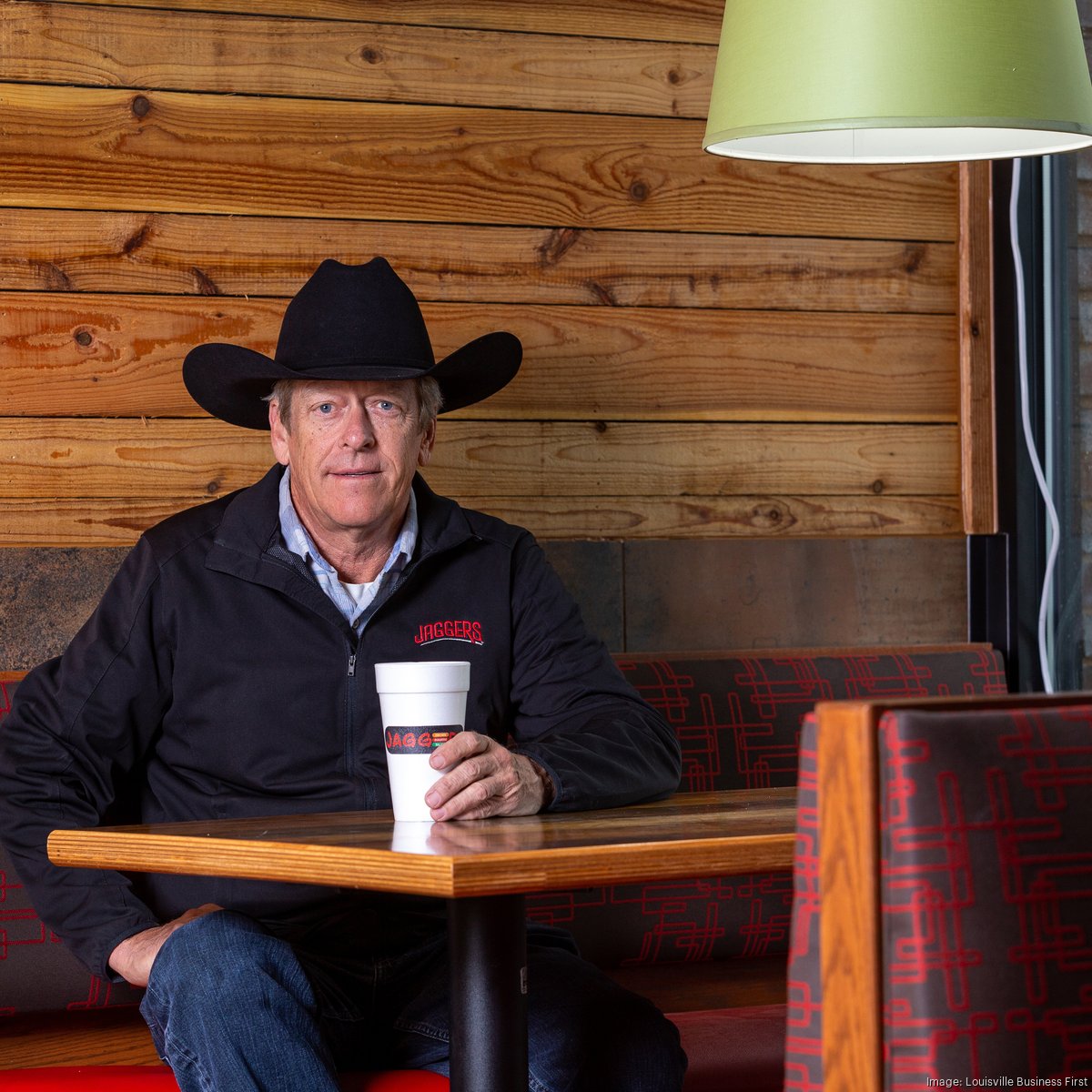
While the core Texas Roadhouse brand remains the engine of the company, the development of Bubba’s 33 (a sports-restaurant concept) and Jaggers (a fast-casual concept) represents a strategic shift. For the owners, this diversification reduces the risk associated with being a single-concept operator. It allows the company to capture different consumer segments and price points, further insulating the stock from localized economic downturns.
The Role of Digital and Tech Investment
In the modern era, ownership value is also tied to a company’s technological infrastructure. Texas Roadhouse has invested heavily in digital ordering, loyalty apps, and kitchen display systems to improve efficiency. From a financial standpoint, these investments are designed to improve “throughput”—the speed at which guests are served—thereby increasing the return on invested capital (ROIC). For the shareholders, higher ROIC translates directly to higher stock valuations.
Final Financial Outlook
In summary, Texas Roadhouse is owned by a conglomerate of global investors, dominated by institutional giants like Vanguard and BlackRock, but supported by a dedicated base of retail investors and a management team with significant equity stakes. The company’s transition from a private venture to a public staple is a testament to its robust business model and financial resilience. For those who hold TXRH shares, ownership is not just about steak; it is about participating in a disciplined, growth-oriented financial engine that continues to prioritize shareholder value through expansion and consistent dividend growth. As the company continues to scale, its ownership will likely remain a benchmark for success in the casual dining industry, driven by a balance of institutional stability and operational excellence.
aViewFromTheCave is a participant in the Amazon Services LLC Associates Program, an affiliate advertising program designed to provide a means for sites to earn advertising fees by advertising and linking to Amazon.com. Amazon, the Amazon logo, AmazonSupply, and the AmazonSupply logo are trademarks of Amazon.com, Inc. or its affiliates. As an Amazon Associate we earn affiliate commissions from qualifying purchases.