
When individuals ask “Who owns TD Bank?” they are often looking for a single name—a billionaire founder or a parent corporation. However, the reality of modern global banking is far more complex and democratized. The Toronto-Dominion Bank, commonly known as TD Bank Group, is a publicly traded, multinational banking and financial services corporation. It does not have a single owner; instead, it is owned by thousands of individual and institutional shareholders who trade its stock on major exchanges.
Understanding the ownership structure of TD Bank is vital for investors, customers, and financial enthusiasts. As one of the “Big Five” banks in Canada and a top-10 player in North America, TD’s stability and strategic direction are dictated by a diverse group of stakeholders, ranging from massive asset management firms to everyday retail investors.
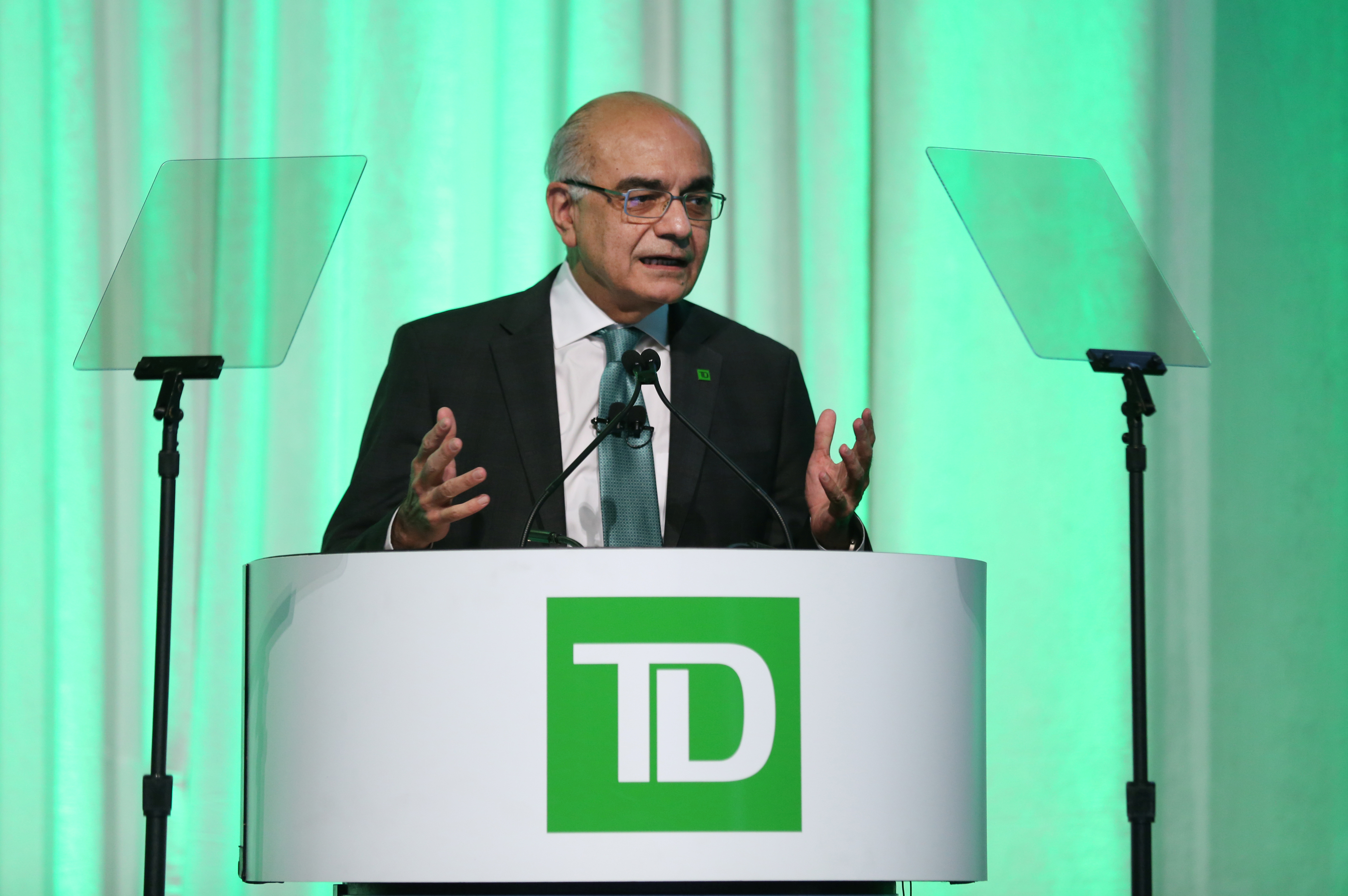
Public Ownership: How TD Bank Operates as a Publicly Traded Entity
TD Bank is a corporation that functions under a public ownership model. This means that the “owners” are anyone who holds shares of the company. Unlike a private company where a few individuals might hold 100% of the equity, TD’s equity is divided into millions of common shares.
The Stock Exchange Listings: TSX and NYSE
TD Bank is dual-listed on two of the world’s most significant stock exchanges: the Toronto Stock Exchange (TSX) and the New York Stock Exchange (NYSE), under the ticker symbol “TD.” This dual listing allows the bank to tap into capital markets in both Canada and the United States, providing high liquidity for its shareholders. Being a publicly traded entity means TD must adhere to stringent regulatory requirements from both the Ontario Securities Commission (OSC) and the U.S. Securities and Exchange Commission (SEC). This transparency is a cornerstone of its appeal to investors.
Retail vs. Institutional Ownership
The ownership of TD Bank is generally split between institutional investors—such as pension funds, mutual funds, and insurance companies—and retail investors, who are individual people buying shares through brokerage accounts. While institutional investors hold the majority of the shares and thus the majority of the voting power, the retail base remains a significant part of the bank’s capital structure. This mix provides a balance of long-term stability (from institutions) and market-driven price discovery (from retail activity).
The Power Players: Top Institutional Shareholders of TD Bank
While thousands of entities hold TD stock, a handful of massive asset management firms dominate the shareholder list. These firms do not “own” the bank in the traditional sense for their own profit; rather, they hold the shares on behalf of their clients, which include millions of individual retirement savers and pension participants.
The Influence of Asset Management Giants: BlackRock and Vanguard
In the world of modern finance, BlackRock and The Vanguard Group are the two most prominent names on almost every major corporation’s shareholder list, and TD Bank is no exception. These firms operate massive index funds and ETFs. Because TD is a staple of major indices like the S&P/TSX Composite Index and various global financial indices, these firms are required to hold significant portions of TD stock. Their “ownership” is passive, meaning they generally support management unless there is a significant governance failure, providing a steady bedrock of capital for the bank.
Canadian Financial Institutions and Pension Funds
Interestingly, other Canadian financial institutions often hold shares in TD Bank through their investment arms. For example, Royal Bank of Canada (RBC) and the Bank of Montreal (BMO) may hold TD shares within their mutual fund portfolios. Additionally, major Canadian pension plans, such as the Canada Pension Plan Investment Board (CPPIB) and the Ontario Teachers’ Pension Plan, are significant stakeholders. These organizations invest in TD because of its historical track record of dividend growth and its central role in the Canadian economy.
Why Institutional Ownership Matters to the Individual Investor
For a personal finance enthusiast, high institutional ownership is often seen as a “seal of approval.” Large institutions conduct rigorous due diligence before allocating billions of dollars to a stock. When these “smart money” players maintain large positions, it indicates a level of confidence in the bank’s risk management, profitability, and long-term viability.
The Historical Context: The Merger That Created the Giant

To understand who owns TD today, one must look at how the entity was formed. TD Bank is the result of a historic merger of two long-standing Canadian institutions.
The Bank of Toronto and The Dominion Bank
In 1955, the Bank of Toronto (founded in 1855) and The Dominion Bank (founded in 1869) merged to form the Toronto-Dominion Bank. At the time, this was a move to create a more competitive national player that could rival the size of the Royal Bank. This merger set the stage for the corporate structure we see today. The legacy of these two founding institutions is still reflected in the bank’s conservative risk culture and its “customer-first” branding.
The Aggressive Expansion into the United States
Over the last two decades, the ownership value of TD has been significantly influenced by its expansion south of the border. Through the acquisition of Banknorth and Commerce Bank, TD rebranded itself as “America’s Most Convenient Bank.” This expansion changed the shareholder profile, attracting more U.S.-based institutional investors and diversifying the bank’s revenue streams. Today, TD has more retail branches in the U.S. than it does in Canada, making it a truly North American powerhouse.
Corporate Governance: Who Really Controls the Strategy?
While the shareholders are the legal owners, they do not manage the day-to-day operations of the bank. That responsibility falls to the executive leadership team, overseen by a Board of Directors.
The Role of the Board of Directors
The Board of Directors is elected by the shareholders to act as fiduciaries. Their job is to ensure that management is acting in the best interests of the owners (the shareholders). The board is responsible for hiring the CEO, setting executive compensation, and approving major strategic moves, such as acquisitions or entries into new markets. A diverse board with expertise in technology, risk management, and international finance is crucial for a bank of TD’s scale.
Executive Leadership and the CEO
The President and CEO (currently Bharat Masrani, with succession planning always a key focus for the board) is the individual most responsible for TD’s performance. Under the CEO’s leadership, the bank executes its “Forward-Focused” strategy, which currently emphasizes digital transformation and personalized banking experiences. While the CEO may own a significant number of shares as part of their compensation package, they are an employee of the shareholders, not the owner of the bank.
Why Ownership Data Matters for Your Personal Finance Strategy
For the average person, knowing who owns TD Bank isn’t just about corporate trivia; it’s about making informed decisions regarding personal finance and investing.
Investing in TD as a Dividend Play
TD Bank is renowned for its dividend history. For decades, it has provided consistent payouts to its shareholders, often increasing those payouts annually. Because the ownership base is so heavily weighted toward pension funds and income-seeking investors, the bank is under immense pressure to maintain its dividend. This makes it a popular choice for “dividend growth” investors who want a reliable stream of passive income.
Stability and the “Canadian Banking Moat”
The ownership structure and the regulatory environment in Canada create what investors call a “moat.” Because TD is owned by a broad base of institutional and retail investors and is subject to strict oversight by the Office of the Superintendent of Financial Institutions (OSFI), it is much less likely to engage in the high-risk behaviors that led to the collapse of some U.S. regional banks in recent years. For someone looking to park their money in a safe, long-term asset, understanding that TD is owned by the very institutions that manage the world’s wealth provides a significant level of psychological and financial comfort.

The Risks of Concentrated Ownership vs. Public Ownership
Because no single person owns TD, the bank is protected from the “key man risk” found in many tech companies or family-owned businesses. If a CEO leaves, the institutional owners and the board ensure a smooth transition. However, the downside of public ownership is the pressure for quarterly results. Management must balance the long-term health of the bank with the short-term demands of Wall Street and Bay Street analysts who want to see constant growth.
In conclusion, TD Bank is owned by the public. It is a collective asset of the global financial system, held by millions of people through their pensions, 401(k)s, RRSPs, and direct brokerage accounts. Its ownership is a reflection of the modern economy: interconnected, institutionalized, and remarkably stable. Whether you are a customer depositing a paycheck or an investor looking for yield, TD’s status as a shareholder-owned giant ensures a level of transparency and accountability that remains a gold standard in the financial world.
aViewFromTheCave is a participant in the Amazon Services LLC Associates Program, an affiliate advertising program designed to provide a means for sites to earn advertising fees by advertising and linking to Amazon.com. Amazon, the Amazon logo, AmazonSupply, and the AmazonSupply logo are trademarks of Amazon.com, Inc. or its affiliates. As an Amazon Associate we earn affiliate commissions from qualifying purchases.