
The SPDR S&P 500 ETF Trust, known universally by its ticker symbol SPY, is more than just a ticker on a screen; it is a financial phenomenon. Launched in January 1993, it was the first exchange-traded fund (ETF) listed in the United States, forever changing the landscape of modern investing. Today, it remains one of the most liquid and heavily traded financial instruments in the world. However, the question of “who owns” SPY is multi-layered. Ownership can be viewed through the lens of the entity that manages and issues the fund, the institutional giants that hold massive blocks of shares, and the millions of individual retail investors who use it as the cornerstone of their retirement portfolios.
To understand who owns SPY, one must first distinguish between the manager of the trust, the legal structure of the fund itself, and the shareholders who provide the capital. Unlike a traditional corporation, an ETF is a pool of assets, and its “owners” are a shifting mosaic of global financial interests.
The Architect and Manager: State Street Global Advisors
At the top of the hierarchy is the entity that created and continues to manage the fund: State Street Global Advisors (SSGA). While SSGA does not “own” the assets within the fund in a proprietary sense—those assets belong to the shareholders—it is the sponsor and the brand behind the SPDR (Standard & Poor’s Depositary Receipts) line of products.
The Role of State Street as Sponsor
State Street Global Advisors is the investment management arm of State Street Corporation, one of the world’s largest custody banks. As the sponsor of SPY, State Street is responsible for the administration, marketing, and overall oversight of the fund. They ensure that the fund accurately tracks the S&P 500 Index, managed by S&P Dow Jones Indices. For this service, State Street collects a gross expense ratio, which currently stands at approximately 0.0945%. While this fee is low compared to actively managed funds, the sheer volume of assets under management (AUM) in SPY—often exceeding $500 billion—makes it a highly lucrative product for the firm.
The Unit Investment Trust (UIT) Structure
One unique aspect of SPY’s ownership and legal identity is its structure as a Unit Investment Trust (UIT). Most modern ETFs are structured as Open-End Management Investment Companies. Because SPY was the pioneer, it was built under a UIT framework, which imposes specific rules. For example, SPY must fully replicate the S&P 500 index and cannot reinvest dividends back into the trust; instead, it holds them in a non-interest-bearing account until they are distributed to shareholders. This structure also means SPY has a technical expiration date (currently set for 2114, or 20 years after the death of the last of 11 individuals named in the trust document), though it is widely expected to be restructured or extended long before then.
Institutional Ownership: The Titans of Wall Street
While State Street manages the fund, the actual shares of SPY are predominantly held by large institutional investors. Because SPY is the most liquid ETF in existence, it serves as the primary vehicle for institutions to gain immediate, diversified exposure to the U.S. equity market.
Major Institutional Shareholders
According to regulatory filings (such as the SEC Form 13F), the list of top SPY owners reads like a “who’s who” of global finance. High-frequency trading firms, hedge funds, and massive asset managers dominate the landscape.
-
Vanguard Group and BlackRock: Paradoxically, the two biggest competitors to State Street—Vanguard and BlackRock—are often among the largest holders of SPY. This is frequently due to their role as wealth managers; they hold SPY shares on behalf of their clients in various managed accounts or model portfolios.
-
Investment Banks: Firms like Morgan Stanley, JPMorgan Chase, and Goldman Sachs hold significant positions. These holdings are often used to facilitate client trades, hedge other positions, or manage internal risk.
-
Hedge Funds and Market Makers: Firms such as Susquehanna International Group and Jane Street Group are consistently top holders. For these entities, SPY is a tool for arbitrage and liquidity provision. They use SPY to hedge against options positions or to execute complex strategies that require moving hundreds of millions of dollars in and out of the market in seconds.
The Role of Authorized Participants
To understand ownership, one must understand the “Creation and Redemption” process. Authorized Participants (APs)—typically large banks or broker-dealers—are the only entities that can create or redeem shares of SPY directly with State Street. When demand for SPY rises, an AP buys the underlying 500 stocks in the S&P 500 and exchanges them with the trust for a block of SPY shares (a creation unit). This mechanism ensures that the “owners” of the fund’s shares are always backed by the actual “owners” of the underlying stocks.
Retail Investors: The Backbone of the Market
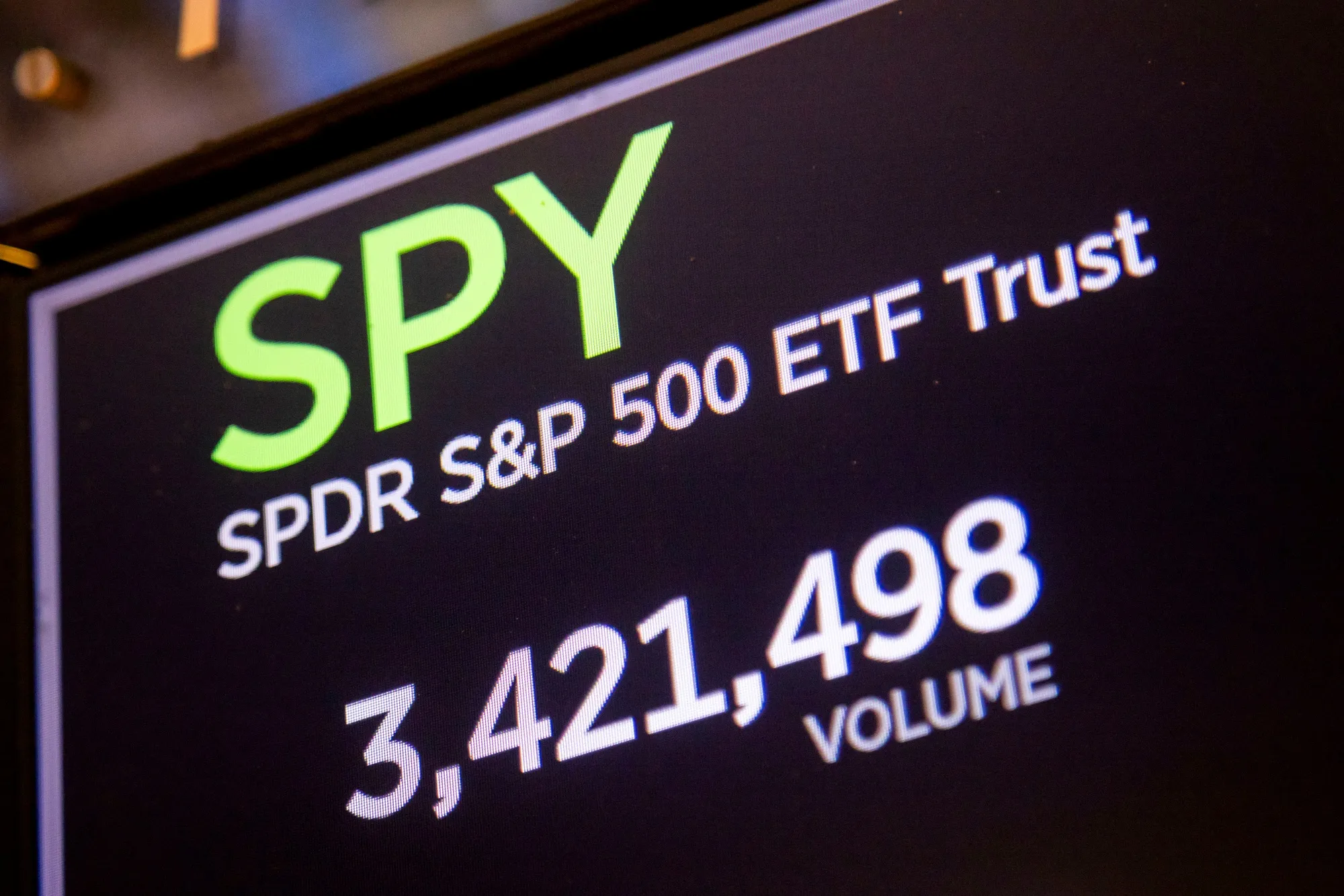
While institutions move the largest volumes, millions of individual retail investors are the true long-term owners of SPY. Through 401(k) plans, Individual Retirement Accounts (IRAs), and personal brokerage accounts, the “everyday investor” owns a massive portion of the American economy via this ETF.
Fractional Ownership and Accessibility
Before the advent of ETFs like SPY, owning a diversified portfolio of 500 stocks required significant capital and high transaction costs. Today, an individual can “own” a piece of Apple, Microsoft, Amazon, and 497 other companies for the price of a single share of SPY. With the rise of zero-commission trading and fractional shares, ownership has been democratized further. An investor can now start owning a piece of the S&P 500 with as little as $1 or $5.
The Power of Passive Investing
The shift from active stock picking to passive index investing has solidified SPY’s position. Many retail investors do not view themselves as “owning SPY” so much as “owning the market.” This psychological shift has led to a massive influx of capital from retail cohorts who hold the fund for decades, benefiting from the compounding growth of the U.S. economy. These investors are the silent owners who provide the stable capital base that allows SPY to remain the titan of the ETF world.
Governance and Voting Rights: Who Controls the Votes?
A critical but often overlooked aspect of ownership is the voting power associated with the underlying stocks. When you own shares of SPY, you do not directly own the shares of Apple or Nvidia; the Trust owns them. This raises the question: who gets to vote at the annual shareholder meetings of these 500 companies?
Proxy Voting by State Street
In the case of SPY, the responsibility for voting the proxies of the underlying stocks falls to the trustee and the manager, State Street Global Advisors. This gives SSGA an enormous amount of influence over corporate America. As one of the “Big Three” asset managers (alongside BlackRock and Vanguard), State Street uses its voting power to influence corporate governance, executive compensation, and environmental, social, and governance (ESG) policies.
The Debate Over Passive Power
The concentration of voting power in the hands of a few large ETF providers has sparked significant debate in financial and political circles. Critics argue that because the “true owners” (the retail and institutional shareholders) do not cast the votes, there is a disconnect between capital and control. In response, some firms have begun exploring “pass-through voting” technologies that would allow individual SPY holders to signal how they want their portion of the shares to be voted, though this remains technically and logistically challenging for a fund as large as SPY.
SPY vs. The Competition: Why Ownership Choice Matters
For an investor looking to “own” the S&P 500, SPY is not the only option. In fact, for many long-term retail investors, owning SPY might be less efficient than owning its rivals, such as the Vanguard S&P 500 ETF (VOO) or the iShares Core S&P 500 ETF (IVV).
Cost and Efficiency Comparisons
While SPY has an expense ratio of roughly 0.09%, VOO and IVV offer expense ratios as low as 0.03%. For a massive institutional trader, this difference is negligible compared to the superior liquidity and options market depth that SPY offers. However, for a “buy and hold” owner, the lower fees of IVV or VOO can lead to significantly higher returns over several decades.
Liquidity: The Institutional Edge
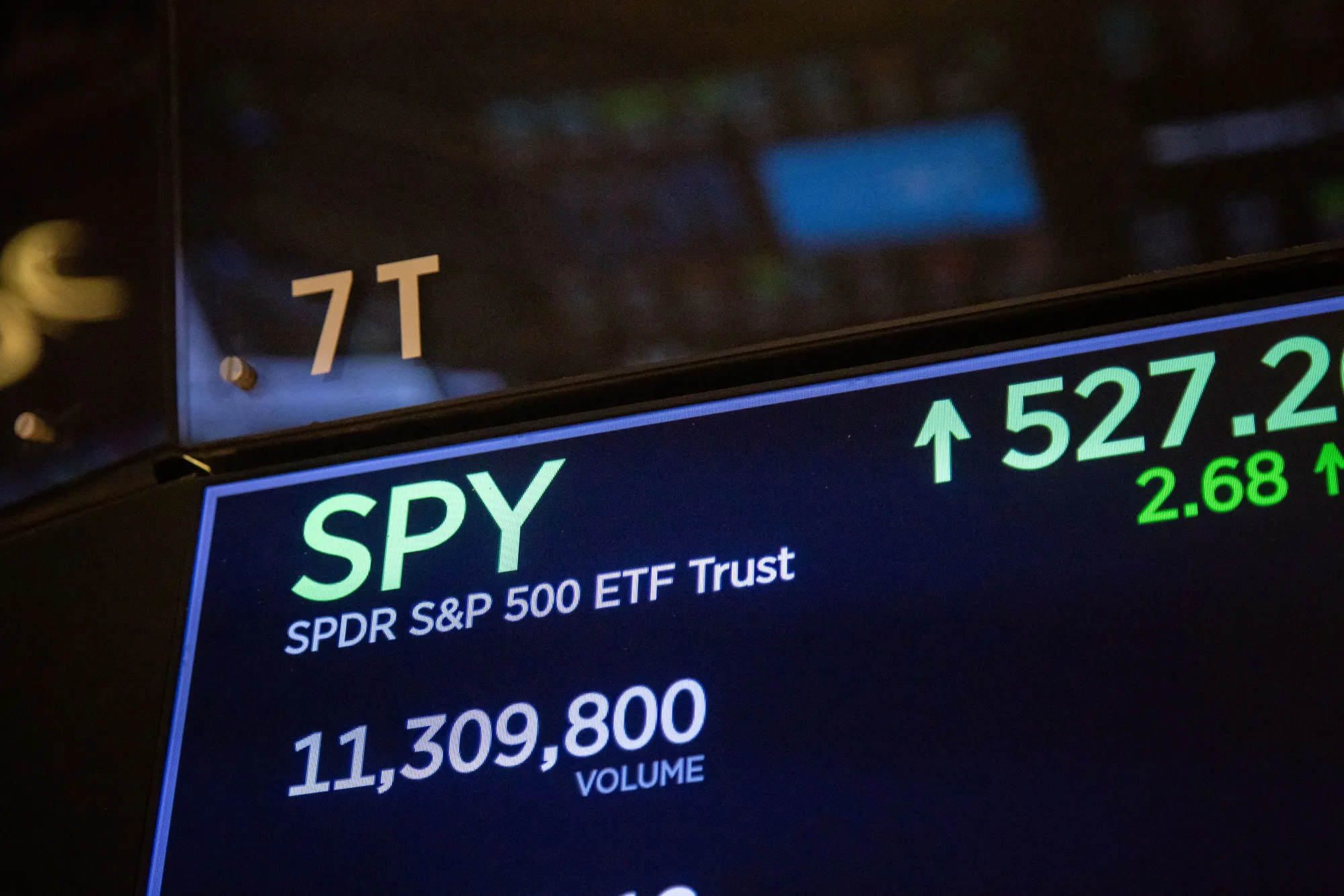
The reason SPY remains the largest and most traded ETF despite having higher fees than its competitors is its “ecosystem.” Because so many institutions already own it, the “bid-ask spread” (the cost of entering and exiting a position) is incredibly tight. This makes SPY the preferred vehicle for “owners” who are active traders, hedge funds, or institutional managers who need to move billions of dollars without moving the price of the fund.
Conclusion: A Shared Ownership of the American Economy
In summary, the ownership of SPY is a complex web. State Street Global Advisors owns the brand and the management rights. Institutions like BlackRock and Susquehanna own the largest blocks of shares for trading and client management. Yet, at its core, the SPY ETF is a collective ownership vehicle for the general public.
When you buy a share of SPY, you are participating in a legal trust that holds the physical shares of the most successful companies in the United States. You are an owner of the American corporate engine, delegating the day-to-day management to State Street and the voting power to their governance teams. Whether held by a billionaire’s family office or a teacher’s pension fund, SPY represents the ultimate democratization of ownership in the financial world, proving that who owns the fund is ultimately less important than what the fund allows its owners to achieve: a direct stake in the future of global commerce.
aViewFromTheCave is a participant in the Amazon Services LLC Associates Program, an affiliate advertising program designed to provide a means for sites to earn advertising fees by advertising and linking to Amazon.com. Amazon, the Amazon logo, AmazonSupply, and the AmazonSupply logo are trademarks of Amazon.com, Inc. or its affiliates. As an Amazon Associate we earn affiliate commissions from qualifying purchases.