
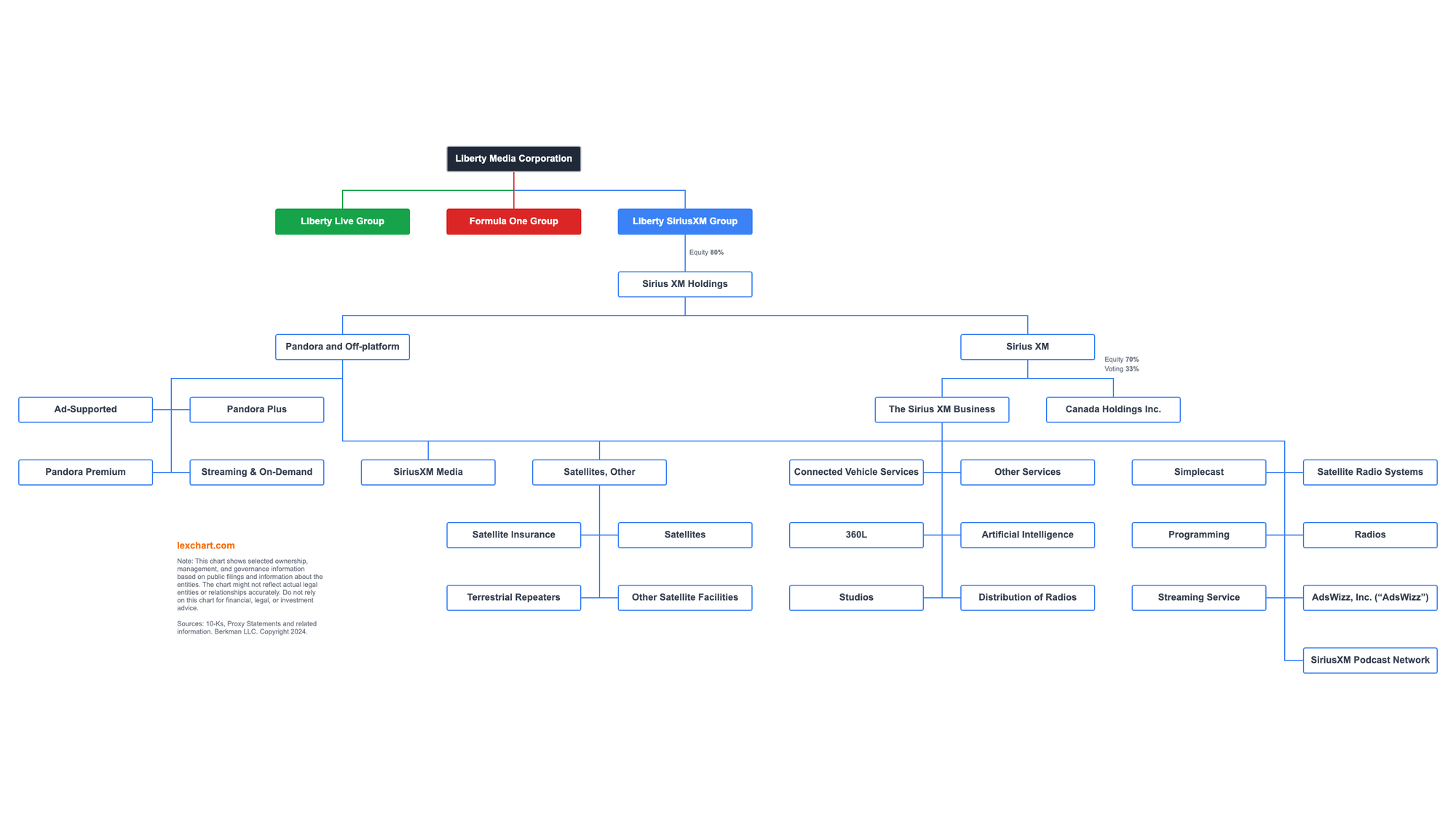
The question of who owns SiriusXM is more complex than a simple “Company X owns Company Y.” It delves into the intricate world of corporate finance, strategic investments, tracking stocks, and the long-term vision of one of the media industry’s most influential players. While millions of listeners subscribe to its unique blend of music, talk, and sports, the ultimate financial control and strategic direction of SiriusXM are primarily dictated by a single, colossal entity: Liberty Media Corporation. Understanding this ownership structure is crucial for investors, market analysts, and anyone interested in the financial underpinnings of major media assets.
SiriusXM stands as a testament to strategic consolidation and the enduring power of a subscription-based content model in a fragmented digital landscape. From its groundbreaking merger to its current position as a dominant force in audio entertainment, its journey is a fascinating case study in business finance. This article will unravel the layers of ownership, explore the financial implications, and provide an insightful look into the monetary dynamics that shape SiriusXM’s present and future.
The Dominant Stakeholder: Liberty Media Corporation’s Grip
At the core of SiriusXM’s ownership lies Liberty Media Corporation, a diversified media conglomerate renowned for its strategic investments in entertainment, communications, and digital commerce. Under the stewardship of billionaire media mogul John C. Malone, Liberty Media has meticulously built its stake in SiriusXM over more than a decade, transforming from a significant investor to the ultimate controlling entity.
Unpacking Liberty Media’s Diverse Empire
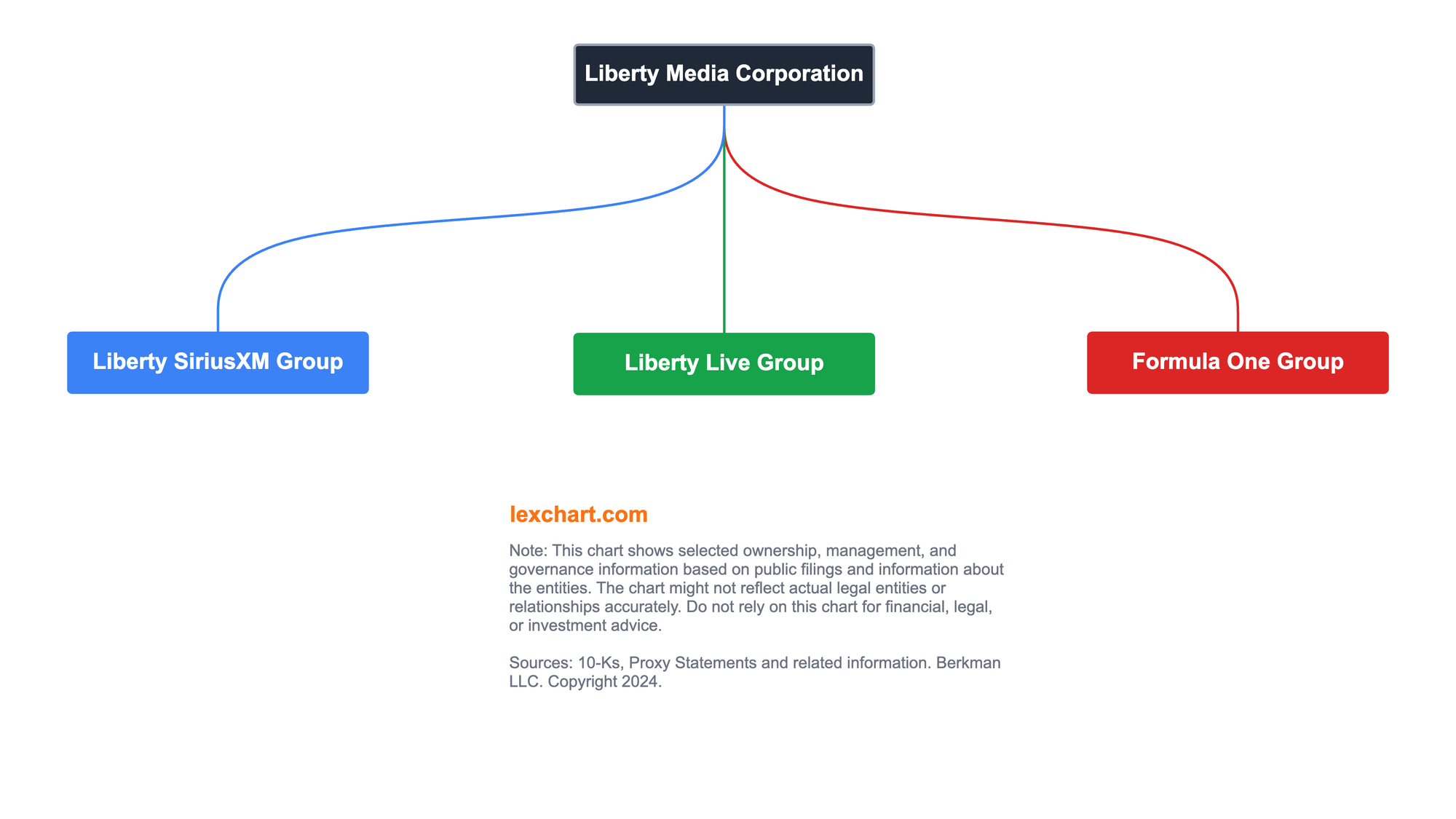
Liberty Media Corporation (NASDAQ: LSXMA, LSXMB, LSXMK) operates as a holding company with a vast portfolio spanning various industries. It segments its operations into distinct groups, each tracked by separate “tracking stocks.” These include the Liberty SiriusXM Group (which holds its interest in SiriusXM), the Formula One Group, and the Braves Group. This unique financial structure allows investors to track the performance of specific assets within the larger Liberty Media umbrella without directly owning shares in the underlying companies. For SiriusXM, this means that while investors can buy LSXM tracking stock, they are investing in Liberty Media’s interest in SiriusXM, rather than SiriusXM itself (which trades under NASDAQ: SIRI).
Liberty Media’s approach is a masterclass in capital allocation and asset management. By holding interests in a diverse range of public and private companies, they mitigate risk and position themselves for growth across multiple sectors. Their philosophy often involves taking substantial, but not always 100%, ownership stakes, allowing them to exert significant influence and financial control while sometimes leveraging the public market’s valuation of their holdings.
The Evolution of Control: From Investment to Majority Ownership
Liberty Media’s journey to controlling SiriusXM began in the aftermath of the 2008 financial crisis. After Sirius and XM Radio merged in 2008, forming SiriusXM Radio Inc., the combined entity faced substantial debt and economic headwinds. Liberty Media saw an opportune moment, providing a $530 million loan in 2009 to help the company avoid bankruptcy. In exchange for this crucial financing, Liberty Media received preferred stock that was convertible into a 40% equity stake, effectively becoming SiriusXM’s largest shareholder.
From there, Liberty Media systematically increased its ownership through various financial maneuvers, including open market purchases, conversions of preferred stock, and strategic transactions. By 2012, Liberty Media had crossed the 50% ownership threshold, securing majority voting control. This incremental accumulation was a deliberate and financially astute strategy, allowing Liberty Media to gain control at favorable valuations and solidify its dominance without incurring an immediate, massive acquisition cost. Today, Liberty Media’s economic interest in SiriusXM remains substantial, granting them unparalleled influence over its strategic direction, capital expenditures, and financial policies.
A Merger of Giants: The Genesis of SiriusXM
The story of SiriusXM cannot be told without revisiting the landmark merger of its two progenitor companies: Sirius Satellite Radio and XM Satellite Radio. This consolidation, approved in 2008, was a pivotal moment not just for the satellite radio industry but for the broader entertainment and media landscape, driven by significant financial and market considerations.
The Rationale Behind the Landmark Union
Before the merger, both Sirius and XM were locked in a fiercely competitive battle for subscribers, content, and market share. This head-to-head competition led to massive expenditures on exclusive content deals (think Howard Stern for Sirius, Major League Baseball for XM) and technology infrastructure. While innovative, neither company was consistently profitable, largely due to the high fixed costs of launching and maintaining satellite constellations and the intense marketing required to attract subscribers.
The financial rationale for the merger was overwhelmingly compelling:
- Cost Synergies: Eliminating redundant satellite operations, administrative functions, and marketing efforts promised billions in cost savings.
- Pricing Power: Removing a direct competitor allowed for more rational pricing strategies and potentially higher average revenue per user (ARPU).
- Enhanced Content Offering: Combining their respective content libraries created an unparalleled, diversified programming lineup, increasing subscriber value and retention.
- Scale and Efficiencies: A larger subscriber base and unified infrastructure allowed for greater leverage with content providers, automotive manufacturers (for in-car integration), and advertising partners.
From a business finance perspective, the merger was an attempt to create a sustainable, profitable enterprise out of two struggling, capital-intensive ventures. It was a calculated risk that, under Liberty Media’s eventual guidance, paid off handsomely.
Early Ownership Structures and Market Dynamics
Post-merger, the combined entity, Sirius XM Radio Inc., initially had a dispersed ownership structure, with various institutional investors and the public holding shares. However, the severe market downturn of 2008-2009 quickly put the company in a precarious financial position. Heavy debt loads, a declining auto market (which significantly impacted new subscriptions from car sales), and a challenging economic environment pushed the company towards the brink.
It was in this turbulent period that Liberty Media made its initial, critical investment, effectively rescuing the company and setting the stage for its eventual control. This early period highlights the vulnerability of highly leveraged companies during economic crises and underscores the strategic importance of strong financial backing. The market dynamics were such that the long-term viability of satellite radio as a standalone, competitive service was in question, making the intervention of a financially powerful entity like Liberty Media not just strategic, but existential.
Financial Implications of Liberty Media’s Stewardship
Liberty Media’s long-term ownership has profoundly impacted SiriusXM’s financial performance, operational strategies, and market valuation. Their influence extends beyond mere shareholding, shaping capital allocation decisions, debt management, and growth initiatives.
Tracking Stocks and Shareholder Value
One of the most distinctive aspects of Liberty Media’s ownership is the use of tracking stocks. Investors can buy shares of Liberty SiriusXM Group (LSXMA, LSXMB, LSXMK), which are intended to “track” the performance of Liberty Media’s attributed assets, primarily its economic interest in SiriusXM. This structure provides a transparent way for investors to participate in SiriusXM’s performance through Liberty Media, while also allowing Liberty to maintain strategic control without the complexity of a full spin-off.
From a shareholder value perspective, this arrangement can offer several benefits. It can help unlock value for Liberty Media’s overall conglomerate by making the performance of its SiriusXM assets more visible and distinct. For investors, it offers a focused investment in the satellite radio business, albeit indirectly. However, it also introduces complexities, as the tracking stock’s price can be influenced by broader Liberty Media corporate actions or market perceptions that extend beyond SiriusXM’s operational performance alone. Dividends, share buybacks, and other capital returns are managed at the Liberty Media level, which then allocates value to its tracking stock holders.
Synergies, Debt, and Operational Efficiencies
Under Liberty Media’s control, SiriusXM has focused on maximizing operational efficiencies and leveraging synergies. The initial merger synergies were substantial, but ongoing efforts in areas like content acquisition, technology integration, and subscriber management continue to yield cost savings. Liberty Media’s oversight often involves a disciplined approach to capital expenditure and a focus on free cash flow generation.
Regarding debt, SiriusXM has historically managed a significant debt load, a common characteristic of capital-intensive media companies. Liberty Media’s financial prowess and access to capital markets have likely provided stability and allowed for refinancing opportunities at favorable rates. The focus is typically on managing debt ratios, ensuring liquidity, and maintaining a healthy balance sheet to fund ongoing operations and strategic investments. A key financial metric often watched is the debt-to-EBITDA ratio, which provides insight into the company’s ability to service its obligations.
Market Perception and Investor Confidence
Liberty Media’s consistent, long-term ownership signals stability and a clear strategic direction for SiriusXM. This can positively influence market perception and investor confidence. Investors often view Liberty Media as a shrewd and patient capital allocator, which lends credibility to the underlying assets it controls. The market tends to reward companies with strong, clear corporate governance and a history of value creation.
However, the tracking stock structure also means that SiriusXM’s independent share price (SIRI) can sometimes be overshadowed by the larger Liberty Media narrative. Decisions made at the Liberty Media board level, such as potential future mergers, acquisitions, or spin-offs involving other Liberty assets, can indirectly affect investor sentiment towards the SiriusXM portion of the portfolio. This interplay between the controlled entity and the controlling parent is a constant factor in the financial assessment of SiriusXM.
The Business of Content: SiriusXM’s Revenue Streams and Valuation
Understanding who owns SiriusXM also necessitates a look at the core financial engine of the company: its robust business model, revenue streams, and overall market valuation. SiriusXM operates a multi-faceted business designed for long-term subscriber retention and revenue diversification.
Subscription Model: A Resilient Revenue Engine
The bedrock of SiriusXM’s financial strength is its subscription-based revenue model. Unlike traditional terrestrial radio, which relies solely on advertising, SiriusXM generates predictable, recurring revenue from its millions of paying subscribers. This model offers several key financial advantages:
- Predictability: Recurring subscriptions provide a stable and forecastable revenue stream, crucial for financial planning and debt servicing.
- Customer Lifetime Value (CLV): A high retention rate translates to a high CLV, making customer acquisition costs more justifiable.
- Pricing Power: The unique and exclusive content (e.g., specific sports leagues, exclusive talk shows, ad-free music channels) allows for pricing tiers and the ability to raise subscription fees over time.
This model has proven remarkably resilient, even in challenging economic times, because it offers a premium, ad-free, or specialized content experience that subscribers are willing to pay for. It’s a powerful testament to the financial viability of niche content delivered efficiently.
Advertising and Beyond: Diversifying Income
While subscriptions dominate, advertising revenue is a significant and growing component of SiriusXM’s income. This includes traditional spot advertising on certain channels, as well as sponsorship opportunities and programmatic advertising. The company also generates revenue from its connected vehicle services, offering telemetry, navigation, and safety features through its embedded technology in millions of cars.
Furthermore, the acquisition of Pandora in 2019 was a strategic move to diversify beyond satellite radio. Pandora brought a vast base of free, ad-supported listeners and a significant digital advertising platform, expanding SiriusXM’s reach into the streaming audio market. This diversification reduces reliance on a single revenue stream and positions the company for growth in the evolving audio landscape, attracting different advertiser segments and consumer demographics. The financial goal here is to create a more comprehensive audio advertising solution, appealing to a wider range of advertisers.
Market Capitalization and Future Growth Prospects
SiriusXM (SIRI) typically maintains a substantial market capitalization, reflecting its scale, profitability, and stable cash flows. Its valuation is closely watched by investors, often compared to other media and entertainment companies, as well as pure-play streaming services. Key metrics like enterprise value (EV), EBITDA multiples, and free cash flow generation are critical in assessing its financial health and attractiveness as an investment.
Future growth prospects for SiriusXM, under Liberty Media’s guidance, hinge on several factors:
- Subscriber Growth and Retention: Expanding its subscriber base, particularly through new car sales and digital streaming options, remains paramount.
- Content Investment: Continuously investing in exclusive and compelling content to maintain subscriber engagement and differentiate itself from competitors.
- Technological Innovation: Enhancing its digital platforms, improving user experience, and exploring new delivery methods.
- Strategic M&A: Potential future acquisitions that could expand its content library, technological capabilities, or market reach (e.g., podcasting companies, other streaming services).
Liberty Media’s long-term financial strategy for SiriusXM likely involves balancing dividend distributions or share buybacks with strategic reinvestment to ensure sustainable growth and continued market leadership.
The Strategic Outlook: What Does Liberty Media’s Ownership Mean for SiriusXM’s Future?
Liberty Media’s controlling stake in SiriusXM signifies more than just financial ownership; it represents a long-term strategic commitment to the audio entertainment space. John Malone’s track record suggests a focus on creating shareholder value through operational efficiency, strategic acquisitions, and disciplined capital management.
Investment in Technology and Content
Under Liberty Media’s stewardship, SiriusXM has continued to invest heavily in both its technology infrastructure and its content offerings. This includes maintaining its satellite network, developing its streaming apps, and securing high-profile talent and exclusive programming. From a financial perspective, these investments are seen as crucial capital expenditures that fuel subscriber growth, enhance customer loyalty, and provide a competitive moat. The ability to allocate significant capital to these areas is a direct benefit of having a financially robust parent company.
Moreover, Liberty Media’s influence may guide SiriusXM towards further vertical integration or strategic partnerships that enhance its distribution or content creation capabilities. The balance between short-term profitability and long-term strategic investment is a constant financial tightrope walk, and Liberty Media’s historical approach suggests a preference for sustainable growth over immediate, maximal returns.

Competitive Landscape and Financial Resilience
SiriusXM operates in an increasingly competitive audio landscape, vying for listener attention and advertising dollars with free streaming services (Spotify, Pandora’s free tier), paid music streaming (Apple Music, YouTube Music), podcasts, and traditional radio. Liberty Media’s financial backing and strategic oversight provide SiriusXM with significant resilience against these competitors.
The company’s strong free cash flow generation, combined with Liberty Media’s deep pockets, allows it toweather market fluctuations and make necessary strategic investments to maintain its competitive edge. This financial strength is a key differentiator, enabling SiriusXM to pursue large-scale content deals and technology upgrades that smaller, less capitalized competitors might struggle to afford. The long-term financial health of SiriusXM is therefore intrinsically linked to the strategic vision and continued financial support of Liberty Media Corporation, ensuring its continued prominence in the evolving world of audio entertainment.
aViewFromTheCave is a participant in the Amazon Services LLC Associates Program, an affiliate advertising program designed to provide a means for sites to earn advertising fees by advertising and linking to Amazon.com. Amazon, the Amazon logo, AmazonSupply, and the AmazonSupply logo are trademarks of Amazon.com, Inc. or its affiliates. As an Amazon Associate we earn affiliate commissions from qualifying purchases.