
The cruise industry is one of the most capital-intensive sectors in the global economy, characterized by massive investments in floating assets, complex logistical networks, and highly consolidated corporate structures. When asking “who owns Silversea Cruise Line,” the answer leads directly to one of the “Big Three” titans of the industry: the Royal Caribbean Group. However, the story of how Silversea moved from a family-owned boutique operation to a crown jewel in a multi-billion dollar publicly traded portfolio is a masterclass in corporate finance, strategic acquisition, and market positioning.

For investors and business analysts, Silversea represents more than just a fleet of ultra-luxury ships; it represents the high-margin segment of a diversified travel conglomerate. Understanding the ownership structure of Silversea requires looking at the financial mechanics of its parent company, the evolution of the acquisition deal, and the role that ultra-luxury assets play in the broader financial health of the cruise market.
The Royal Caribbean Group Acquisition: A Strategic Financial Pivot
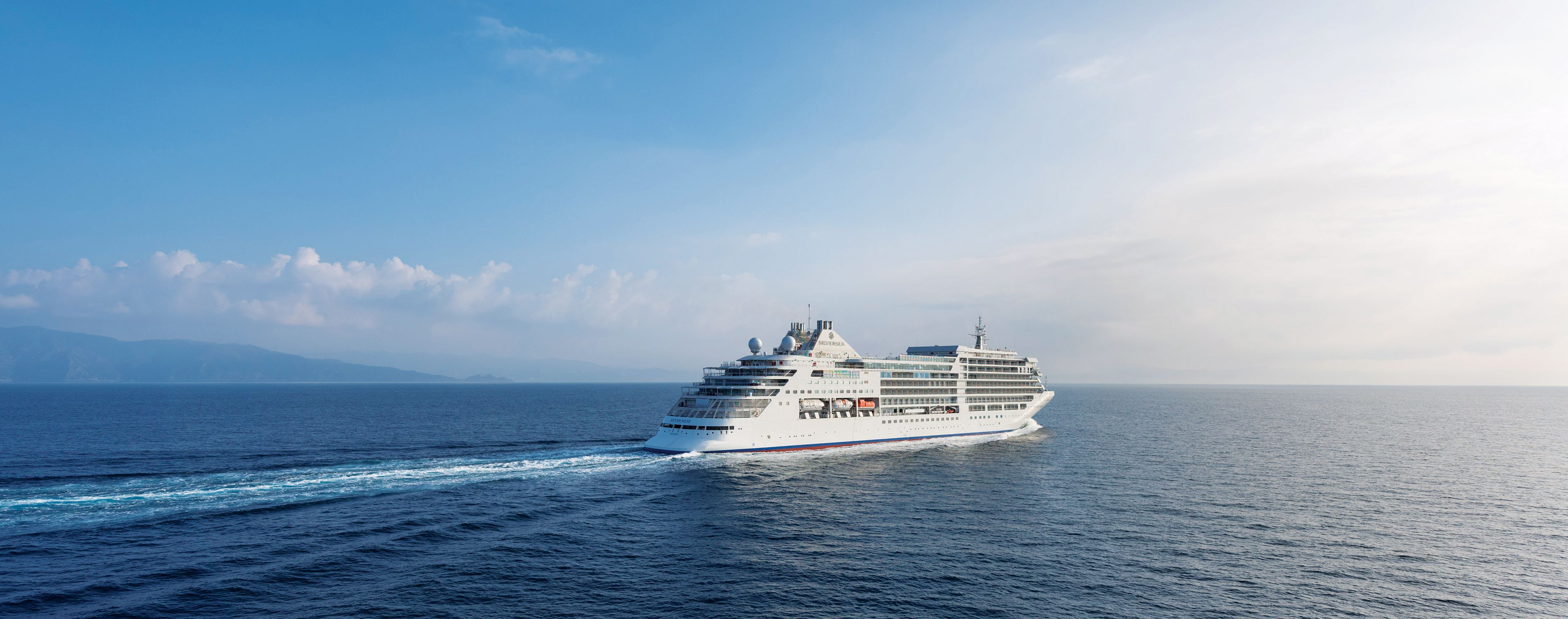
Silversea Cruise Line is currently 100% owned by the Royal Caribbean Group (NYSE: RCL). This ownership was finalized through a multi-stage acquisition process that highlighted the strategic value Royal Caribbean placed on the ultra-luxury and expedition cruising niches.
The 2018 Initial Investment
In June 2018, Royal Caribbean Cruises Ltd. (as the parent company was then known) announced a definitive agreement to purchase a 66.7% equity stake in Silversea Cruises. The deal valued the cruise line at an enterprise value of approximately $2 billion. For the two-thirds stake, Royal Caribbean paid approximately $1 billion in cash, financed through debt.
At the time, Silversea was owned by the Lefebvre family, led by Manfredi Lefebvre d’Ovidio. The decision for the Lefebvre family to sell a majority stake was rooted in the need for massive capital to scale the business. While Silversea was highly profitable on a per-passenger basis, the cost of building new, technologically advanced ships—which can exceed $500 million per vessel—required the balance sheet of a larger corporate entity.
Completing the Buyout in 2020
While the initial plan was for a phased integration, the global economic shifts of 2020 accelerated the final consolidation. In July 2020, Royal Caribbean Group acquired the remaining 33.3% stake from Heritage Cruise Holding Ltd. (the Lefebvre family’s holding company). Interestingly, the consideration for this final stake was paid in 5.2 million shares of Royal Caribbean Group common stock.
This move was financially significant because it fully integrated Silversea’s high-yield revenue streams into Royal Caribbean’s consolidated financial statements. It also signaled a shift in the Lefebvre family’s role from operational owners to significant shareholders in the parent conglomerate, aligning their personal wealth with the broader performance of the Royal Caribbean Group.
The Business Case for Ultra-Luxury Ownership
From a business finance perspective, why did Royal Caribbean Group want Silversea? The answer lies in the diversification of revenue streams and the capture of the “High-Net-Worth Individual” (HNWI) market segment.
High Margins and Pricing Power
In the cruise industry, volume-based lines like Royal Caribbean International rely on massive ships carrying 5,000+ passengers to achieve economies of scale. These lines often have lower ticket prices and rely heavily on onboard spending (casinos, drinks, specialty dining) to generate profit.
Silversea operates on an entirely different financial model. As an ultra-luxury brand, it possesses immense “pricing power.” Tickets for a Silversea cruise can range from $5,000 to over $50,000 per person. Because the brand is “all-inclusive,” the initial revenue captured at the time of booking is significantly higher. For Royal Caribbean Group, Silversea provides a hedge against the volatility of the mass market. Even during economic downturns, the ultra-wealthy demographic tends to maintain travel spending, providing a stable, high-margin cash flow.
The Expedition Cruising Gold Mine
One of the primary drivers of the Silversea acquisition was its leadership in the “Expedition” segment. This involves smaller, ice-class ships traveling to remote destinations like Antarctica, the Galápagos Islands, and the Arctic.

From an investment standpoint, expedition cruising is the most lucrative niche in the maritime industry. The barriers to entry are high due to the specialized ship designs required and the complex permit processes for protected regions. By owning Silversea, Royal Caribbean Group gained immediate dominance in this high-barrier market. The ROI (Return on Investment) on expedition vessels like the Silver Origin is significantly higher than that of standard cruise ships because the scarcity of the experience allows for premium pricing that far outpaces the operational costs.
Silversea’s Role in the Royal Caribbean Group Portfolio
To understand the ownership of Silversea, one must view it as part of a “Brand Ladder” strategy. Royal Caribbean Group manages a portfolio that includes Royal Caribbean International (Contemporary/Mass Market), Celebrity Cruises (Premium), and Silversea (Ultra-Luxury/Expedition).
Cross-Brand Synergy and Customer Lifetime Value
Ownership allows the parent company to capture the “Customer Lifetime Value” (CLV). A traveler might start their cruising life on a Royal Caribbean International ship in their 20s or 30s. As their net worth increases and their tastes refine, they may graduate to Celebrity Cruises. Finally, in their peak earning or retirement years, they move to Silversea. By owning all three tiers, Royal Caribbean Group ensures that the travel spend of a single customer stays within their corporate ecosystem for decades.
Synergies in Procurement and Technology
While Silversea maintains its distinct brand identity and high-touch service, being owned by a giant like Royal Caribbean Group provides massive back-end financial advantages.
-
Fuel Hedging: Silversea benefits from the parent company’s massive fuel-buying power and sophisticated hedging strategies, which protect the bottom line from spikes in oil prices.
-
Newbuild Financing: When Silversea orders a new ship, such as the Silver Nova or Silver Ray, it benefits from the investment-grade credit profile of the Royal Caribbean Group. This allows for lower interest rates on construction loans compared to what an independent, boutique cruise line would pay.
-
Technological Infrastructure: The parent company’s investment in digital platforms, AI-driven booking engines, and supply chain management software is scaled across all brands, reducing the per-unit administrative cost for Silversea.
Navigating Market Volatility: Debt and Recovery
The ownership of Silversea hasn’t been without its financial challenges, particularly during the 2020-2022 period when the entire industry was sidelined.
Managing the Debt Load
The acquisition of Silversea and the subsequent orders for new luxury vessels added to the Royal Caribbean Group’s long-term debt. Investors closely monitor the “Net Debt to EBITDA” ratio of the parent company. However, the high appraisal value of Silversea’s young and modern fleet serves as significant collateral. In the world of corporate finance, these ships are “hard assets” that retain value well, making them excellent tools for securing liquidity.
Post-Pandemic Financial Performance
Since the industry’s restart, Silversea has been a primary driver of the parent company’s “Yield Growth.” Luxury travelers were the first to return to the seas, often booking longer, more expensive “Grand Voyages” and World Cruises. This surge in high-ticket bookings helped Royal Caribbean Group deleverage its balance sheet more quickly than analysts initially predicted. The ownership of Silversea essentially acted as a financial accelerator during the recovery phase.
The Future of Silversea Ownership: Innovation as a Value Driver
Looking forward, the ownership of Silversea is focused on “future-proofing” the asset. Royal Caribbean Group is using Silversea as a testing ground for sustainable maritime technology. The Silver Nova, for example, features a hybrid power source using fuel cells and batteries, aiming for emissions-free operation in port.
From a business finance perspective, this focus on ESG (Environmental, Social, and Governance) criteria is vital. Institutional investors are increasingly funneling capital into companies that demonstrate environmental responsibility. By positioning Silversea as a leader in green maritime tech, Royal Caribbean Group enhances its attractiveness to ESG-focused funds and reduces the risk of future carbon taxes or regulatory penalties.
Conclusion: A Strategic Asset for Shareholders
In summary, while the Lefebvre family founded and built the Silversea brand, the Royal Caribbean Group is the sole owner and financial architect of its current expansion. Through a series of calculated acquisitions totaling billions of dollars, Royal Caribbean has integrated Silversea into a sophisticated financial ecosystem that maximizes margins, captures high-net-worth market share, and leverages global economies of scale.
For those tracking the money in the travel industry, Silversea is a prime example of how consolidation can lead to greater capital efficiency. The ownership structure ensures that the luxury brand has the financial firepower to innovate and expand, while providing the parent company with a high-yield asset that balances out its mass-market operations. As long as the demand for exclusive, ultra-luxury travel continues to grow among the world’s affluent, Silversea will remain a vital and highly profitable component of the Royal Caribbean Group’s balance sheet.
aViewFromTheCave is a participant in the Amazon Services LLC Associates Program, an affiliate advertising program designed to provide a means for sites to earn advertising fees by advertising and linking to Amazon.com. Amazon, the Amazon logo, AmazonSupply, and the AmazonSupply logo are trademarks of Amazon.com, Inc. or its affiliates. As an Amazon Associate we earn affiliate commissions from qualifying purchases.