
The landscape of competitive gaming has undergone a radical transformation over the last decade. What was once a grassroots movement fueled by internet cafes and local area network (LAN) parties has evolved into a multi-billion-dollar global industry. In this high-stakes environment, the entry of major corporate entities is not uncommon, but the way these entities integrate themselves into the culture varies significantly. At the center of one of the most intriguing developments in recent years is Shopify Rebellion. To understand who owns Shopify Rebellion is to understand a shift in how modern brands approach identity, community engagement, and the future of the digital economy.
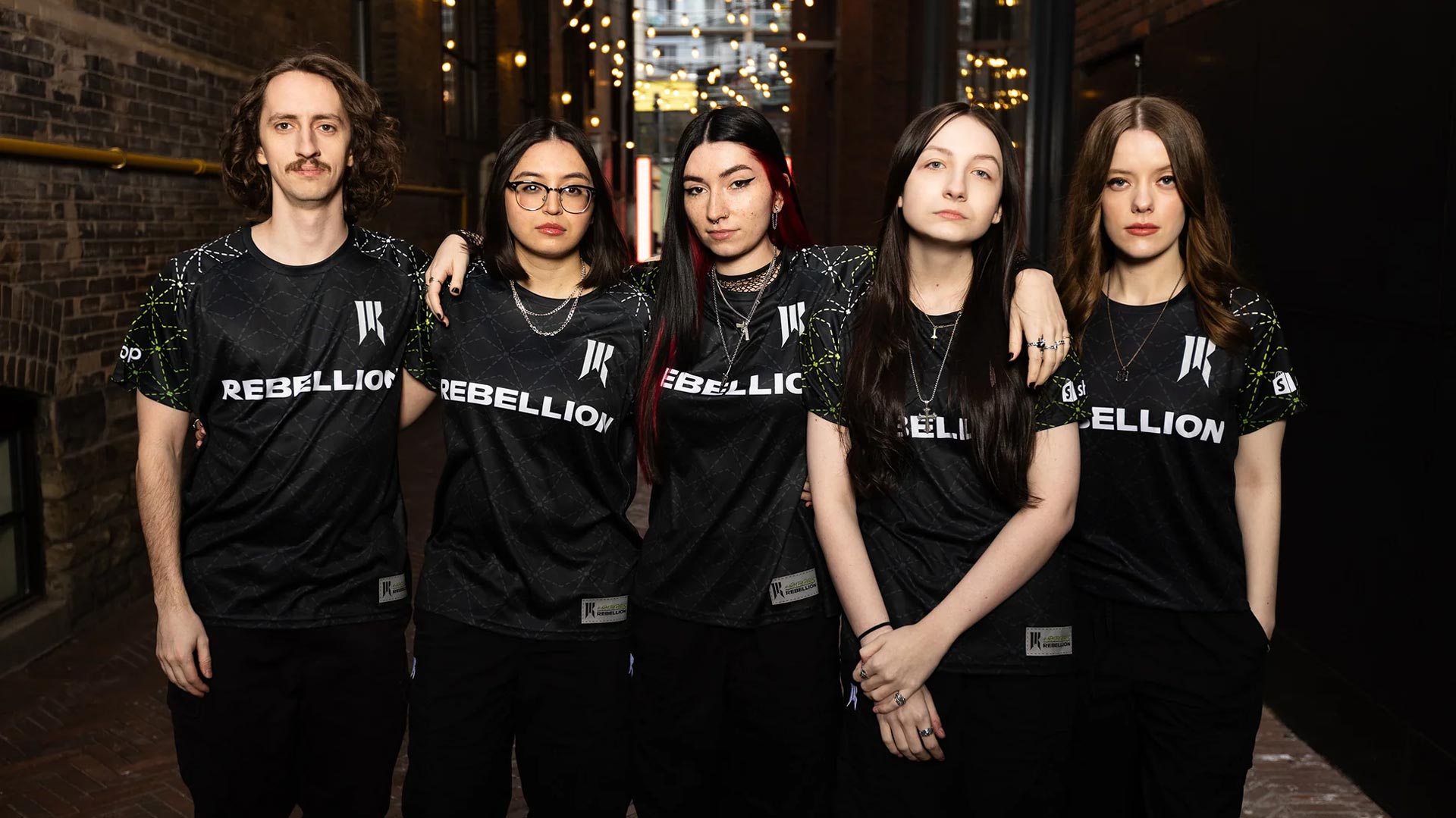
Shopify Rebellion is not owned by a venture capital firm, a traditional sports conglomerate, or a group of private equity investors. Instead, it is an internal venture owned and operated by the e-commerce titan Shopify Inc. Specifically, the organization was born out of the vision of Tobi Lütke, the CEO and co-founder of Shopify, whose personal passion for gaming has become a cornerstone of the company’s corporate identity.
The Corporate Lineage: Shopify’s Direct Ownership
Unlike many esports teams that operate as independent startups seeking sponsorships from tech companies, Shopify Rebellion is a direct extension of Shopify’s corporate structure. This distinction is critical. When Shopify Rebellion signs a world-class Dota 2 roster or acquires a slot in the League of Legends Championship Series (LCS), it is doing so with the financial backing and strategic alignment of a global leader in commerce.
The ownership model of Shopify Rebellion is essentially a “house brand” approach. By keeping the organization in-house, Shopify maintains total control over its branding, cultural output, and long-term trajectory. This avoids the volatility often associated with the esports “bubble,” where organizations are forced to prioritize short-term returns for external investors. For Shopify, the “Rebellion” is a long-term play—a vehicle for brand expression rather than a standalone profit center meant to flip for a quick exit.
Tobi Lütke’s role as the primary architect cannot be overstated. An avid StarCraft II player and a long-time supporter of the competitive scene, Lütke has integrated the ethos of gaming into Shopify’s DNA. Under his leadership, the company has viewed gaming not just as a hobby, but as a discipline that mirrors the challenges of entrepreneurship: strategic thinking, rapid execution, and the ability to adapt to a shifting meta. This philosophy is baked into the ownership of the team, positioning Shopify Rebellion as a symbol of the “entrepreneurial spirit” that Shopify aims to foster among its millions of merchants.
Brand Strategy: Beyond the Digital Storefront
The existence of Shopify Rebellion serves a much deeper purpose than mere logo placement on a jersey. It is a masterclass in brand strategy, specifically designed to bridge the gap between a B2B software service and a lifestyle-oriented consumer audience. By owning a premier esports organization, Shopify achieves several strategic objectives that traditional advertising could never replicate.
Authentic Cultural Integration
Modern consumers, particularly Gen Z and Millennials, have a high degree of skepticism toward traditional corporate marketing. They can sense when a brand is “buying” its way into a subculture without contributing to it. Shopify’s ownership of the Rebellion avoids this pitfall by being a direct participant in the ecosystem. By funding players, hosting tournaments, and building infrastructure, Shopify is seen as a patron of the arts in the digital space. This builds “brand equity” within a demographic that is increasingly hard to reach through conventional channels.
The “Rebellion” Identity
The choice of the name “Rebellion” is a deliberate branding move. Shopify has always positioned itself as the “armorer for the rebels”—the independent merchants fighting against the hegemony of massive online marketplaces. By naming their esports wing the Rebellion, they reinforce this corporate identity. It frames the team as an underdog force, even while being backed by a multi-billion-dollar corporation. This narrative of rebellion resonates deeply with the gaming community, which has historically viewed itself as an outsider subculture.
Talent Acquisition and Retention
In the tech world, the war for talent is fierce. Engineers, designers, and product managers are often gamers themselves. By owning a prestigious esports team, Shopify enhances its employer brand. It signals to potential hires that the company values creativity, high-level competition, and the gaming culture they love. It makes Shopify “cool” in a way that most SaaS (Software as a Service) companies struggle to achieve, providing a unique edge in the recruitment of top-tier technical talent.
Strategic Acquisitions and Global Expansion
The ownership of Shopify Rebellion has been marked by a series of high-profile acquisitions that demonstrate a clear, aggressive growth strategy. Shopify does not just want to participate; it wants to lead.
Dominating the “Big Three”
Initially, Shopify Rebellion made waves in the StarCraft II scene, a nod to Lütke’s personal interests. However, the brand quickly scaled into “tier-one” titles. The acquisition of the former Evil Geniuses Dota 2 roster was a pivotal moment in the organization’s history. By bringing in a world-class team with a massive international following, Shopify Rebellion instantly became a household name in the global esports circuit.
This was followed by a monumental entry into the League of Legends LCS through the acquisition of TSM’s slot. This move was not just about owning a team; it was about securing a seat at the table of the most established and commercially successful esports league in North America. These acquisitions are managed through the lens of corporate development, treated with the same rigor as Shopify’s software acquisitions.
Championing Diversity and Inclusion
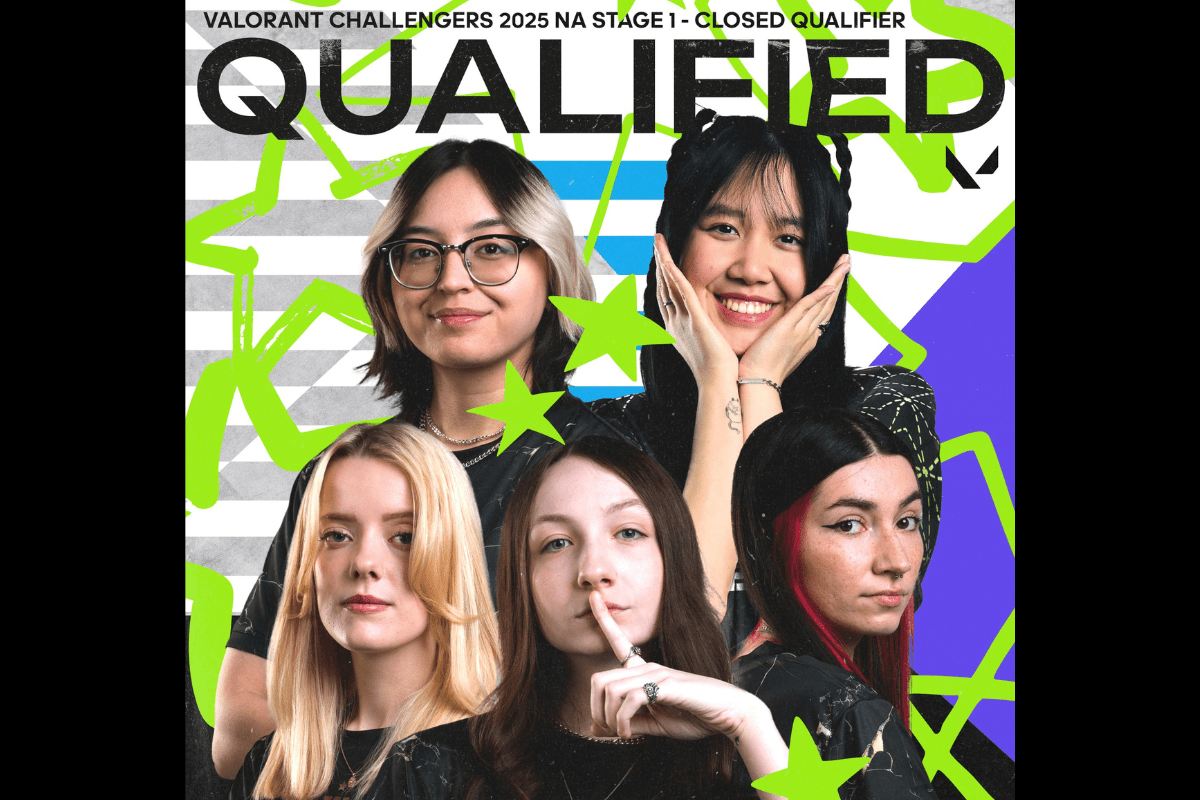
Shopify’s ownership extends beyond traditional competitive spheres into the Valorant Game Changers initiative. By fielding a top-tier all-female and marginalized gender roster, Shopify Rebellion aligns itself with modern social values. This isn’t just about corporate social responsibility (CSR); it’s about brand positioning. It tells the world that the “Shopify” brand stands for equity and opportunity, further strengthening its appeal to a socially conscious merchant base and consumer audience.
The Business Model of a Corporate-Backed Team
One of the most pressing questions in the esports industry is sustainability. Many teams are struggling as venture capital dries up. Shopify Rebellion, however, operates under a different financial reality. Because it is owned by Shopify Inc., it is insulated from the immediate pressure to turn a profit on its own.
Synergy with the Core Platform
The Rebellion serves as a testing ground for Shopify’s own e-commerce tools. The organization’s merchandise store is, naturally, powered by Shopify. This allows the company to showcase its “Hydrogen” and “Oxygen” frameworks, its “Shop Pay” integration, and its latest “Shop” app features to a highly engaged audience. In this sense, the team is a living case study for Shopify’s product capabilities. The revenue generated from merchandise sales and digital goods goes directly back into the ecosystem, creating a circular economy within the corporate structure.
Long-Tail Marketing ROI
From a financial perspective, Shopify likely views the Rebellion as a marketing expense with a long-tail return on investment (ROI). Instead of spending millions on 30-second television spots or Facebook ads, they invest those dollars into a team that produces content 365 days a year. The “impressions” generated by the Rebellion are of a higher quality—they are tied to emotional moments, tournament wins, and community engagement. Over time, this builds a level of brand loyalty that is far more valuable than the cost of maintaining the rosters.

Future Outlook: The Intersection of Commerce and Play
As Shopify continues to evolve, the ownership of Shopify Rebellion will likely play an even larger role in the company’s vision of “the future of commerce.” We are moving toward an era of “immersive commerce,” where digital identities and physical products blur. Gaming is the frontier of this movement.
The ownership of a premier esports brand gives Shopify a front-row seat to the development of the “metaverse” and digital economies. Whether it is through the sale of digital skins, NFT-gated merchandise, or in-game brand integrations, Shopify Rebellion acts as the vanguard for the parent company.
In conclusion, the answer to “who owns Shopify Rebellion” is far more significant than a simple corporate name. It is owned by a company that views itself not just as a software provider, but as a cultural architect. Through Shopify Rebellion, Tobi Lütke and his team have created a brand that transcends the boundaries of e-commerce. They have built a platform that speaks the language of the next generation, ensuring that as the world moves further into the digital age, Shopify remains at the heart of where people play, compete, and—ultimately—spend their time and money. The Rebellion is not just a team; it is a strategic pillar of the Shopify brand identity, proving that in the modern economy, the best way to lead is to join the fray.
aViewFromTheCave is a participant in the Amazon Services LLC Associates Program, an affiliate advertising program designed to provide a means for sites to earn advertising fees by advertising and linking to Amazon.com. Amazon, the Amazon logo, AmazonSupply, and the AmazonSupply logo are trademarks of Amazon.com, Inc. or its affiliates. As an Amazon Associate we earn affiliate commissions from qualifying purchases.