
In the rapidly evolving landscape of digital commerce, understanding the lineage and technological underpinnings of widely used applications is crucial for both consumers and industry observers. The “Shop app” has emerged as a prominent player in mobile retail, simplifying the post-purchase experience and opening new avenues for product discovery. The question “who owns Shop app” leads directly to one of the titans of e-commerce infrastructure: Shopify. Far from being a standalone entity, the Shop app is a strategic extension of Shopify’s expansive ecosystem, designed to enhance the end-to-end shopping journey for millions of consumers and tens of thousands of merchants alike.
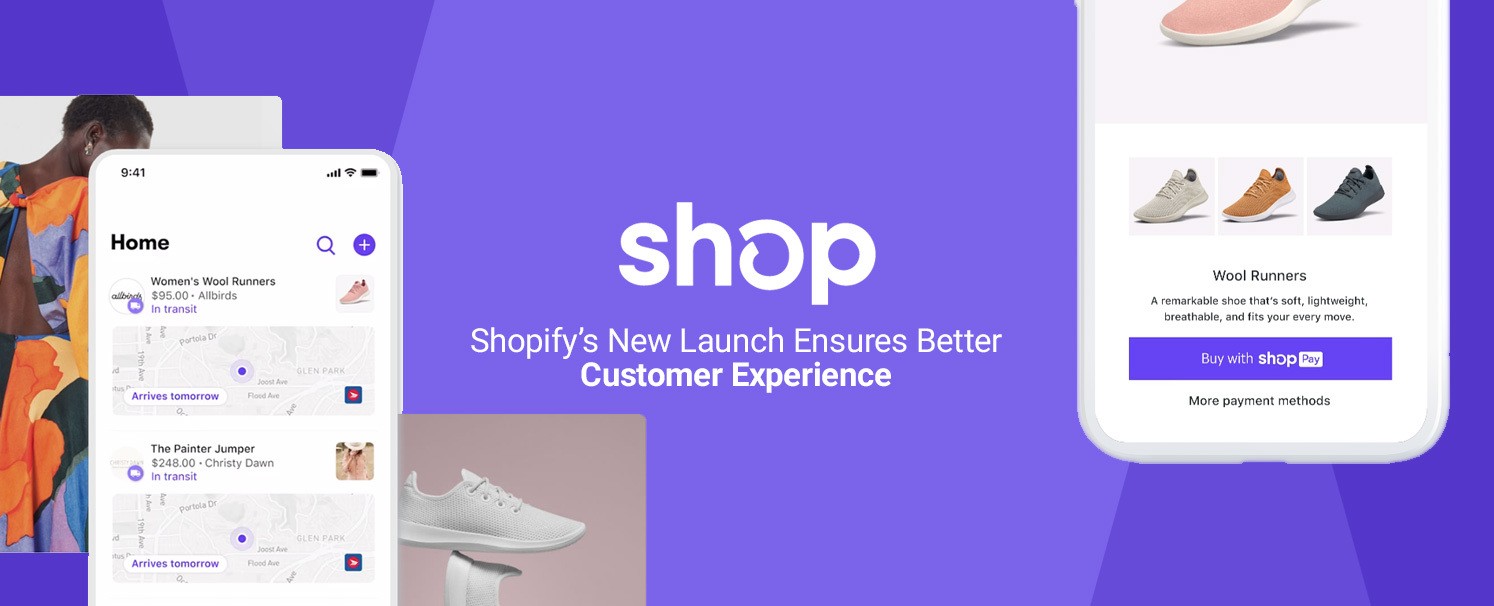
Shopify, a Canadian multinational e-commerce company, provides a proprietary e-commerce platform for online stores and retail point-of-sale systems. Their ownership of the Shop app is not merely a corporate acquisition; it represents a deliberate technological strategy to unify and optimize the fragmented mobile shopping experience. By integrating advanced features like universal order tracking, AI-powered product recommendations, and expedited checkout capabilities, Shopify has positioned the Shop app as a vital technological nexus between buyers and the vast network of brands powered by its core platform. This deep dive will explore the technological rationale behind the Shop app’s development, its core functionalities, and its strategic importance within the broader tech landscape of mobile commerce.
The Ownership Unveiled: Shopify’s Ecosystem Expansion
The Shop app is unequivocally owned and developed by Shopify Inc. Its inception and continued evolution are deeply intertwined with Shopify’s overarching mission to “make commerce better for everyone.” While initially launched as “Arrive” in 2017 primarily for order tracking, it was rebranded and significantly expanded into the comprehensive “Shop app” in April 2020. This transformation marked a pivotal moment in Shopify’s strategy, moving beyond just providing merchant tools to directly engaging with consumers at a large scale.
The Genesis of the Shop App
The initial “Arrive” app addressed a common pain point for online shoppers: managing multiple orders from different retailers across various tracking platforms. Its technological premise was simple yet powerful: centralize shipment tracking. Recognizing the immense value and user adoption of this utility, Shopify saw an opportunity to evolve it into something far more ambitious. The re-launch as the Shop app wasn’t just a cosmetic change; it represented a fundamental shift in its technological scope. Shopify integrated features designed to elevate the entire shopping experience, from discovery to delivery. This strategic pivot underscored Shopify’s belief that owning the consumer-facing side of e-commerce, not just the merchant-facing side, was crucial for future growth and ecosystem lock-in. The foundational technology was built to be robust and scalable, capable of handling the immense data flows from millions of transactions daily.
Strategic Integration within the Shopify Platform
The Shop app is not an isolated product but a deeply integrated component of the Shopify ecosystem. Its ownership by Shopify ensures seamless interoperability with the millions of merchants operating on the Shopify platform. This integration is crucial from a technological standpoint, allowing for:
- Unified Data Flow: Information about orders, products, and customer preferences can flow securely and efficiently between a Shopify merchant’s store and the Shop app. This synergy powers features like personalized recommendations and streamlined checkout.
- Enhanced Merchant Capabilities: For Shopify merchants, the Shop app acts as an additional sales channel and a powerful customer retention tool. It reduces cart abandonment through its “Shop Pay” expedited checkout and fosters repeat business by keeping customers engaged with their brands through personalized feeds.
- Closed-Loop Feedback: Shopify can collect valuable aggregate data on consumer behavior within the app, which in turn informs improvements to its core e-commerce platform, product development for merchants, and further enhancements to the app’s user experience. This continuous feedback loop is a hallmark of sophisticated tech development.
This strategic integration reinforces Shopify’s position not just as a platform provider, but as a holistic commerce partner that addresses the needs of both ends of the transaction – the seller and the buyer – through interconnected technological solutions.
Deconstructing the Shop App’s Core Technology and Features
The Shop app’s prowess lies in its sophisticated blend of utility and personalization, all powered by advanced technological infrastructure. It aggregates a multitude of functions into a single, intuitive mobile application, making it a powerful tool for modern consumers.
AI and Machine Learning for Hyper-Personalization
At the heart of the Shop app’s discovery engine and recommendation system is a robust application of Artificial Intelligence (AI) and Machine Learning (ML). The app continually learns from a user’s purchase history, browsing patterns, preferred brands, and even location data to curate a highly personalized shopping feed.
- Recommendation Engines: These algorithms analyze vast datasets of product interactions, correlating user preferences with items from Shopify merchants. This isn’t just basic filtering; it involves complex collaborative filtering and content-based filtering techniques to suggest relevant products and stores that users are most likely to engage with.
- Predictive Analytics: AI is used to anticipate future trends and demand, allowing the app to surface timely promotions or new arrivals from favored brands.
- Search Optimization: The in-app search functionality leverages natural language processing (NLP) to understand complex queries and return highly accurate results from its extensive catalog of Shopify stores.
This AI/ML backbone ensures that the app transitions from a simple utility to a highly intelligent shopping assistant, anticipating needs and facilitating discovery.
Seamless Order Tracking and Management
The foundational utility of the Shop app remains its unparalleled order tracking. It automatically pulls tracking information from virtually any merchant (not just Shopify stores), provided the user provides their email address used for purchase.
- Universal Carrier Integration: The app integrates with a vast network of shipping carriers worldwide, providing real-time updates on package location and estimated delivery times. This requires a sophisticated API integration layer capable of parsing data from myriad different carrier systems.
- Automated Updates: Leveraging webhook technology and continuous polling, the app provides proactive notifications for shipment status changes, reducing anxiety for consumers and inquiries for merchants.
- Visual Tracking: Many shipments are visually mapped, offering a clear, intuitive representation of a package’s journey, enhancing user engagement and transparency.
This core technological capability transforms a tedious, multi-step process into a single, centralized, and automated experience.
The Discovery Engine: Connecting Buyers and Brands
Beyond tracking, the Shop app has evolved into a potent discovery platform. It acts as a curated marketplace, allowing users to explore products and brands they might not otherwise encounter.
- Personalized Shop Feed: This feed is dynamically generated using the aforementioned AI/ML, showcasing products, new arrivals, and sales from stores that align with the user’s interests.
- Local Shopping Integration: The app can leverage location services to highlight local businesses and products, supporting community commerce and enabling convenient local pickup options. This requires geo-fencing and localized inventory management technology.
- Brand Following: Users can follow their favorite brands, ensuring they receive updates and notifications directly from those specific merchants, fostering stronger customer-brand relationships facilitated by the app’s notification system.
This discovery layer leverages a rich dataset and intelligent algorithms to create a personalized browsing experience that goes beyond traditional search.
Shop Pay: Streamlined Mobile Payments

A critical component of the Shop app’s value proposition is its integration with Shop Pay, Shopify’s accelerated checkout experience. Shop Pay simplifies the payment process dramatically.
- One-Tap Checkout: Once a user’s payment and shipping information is saved, Shop Pay allows for a one-tap checkout across all participating Shopify stores. This dramatically reduces friction, a common cause of cart abandonment.
- PCI DSS Compliance: Security is paramount. Shop Pay is fully PCI DSS compliant, ensuring that all sensitive payment information is encrypted and stored securely, meeting industry standards for data protection.
- Fraud Prevention: Advanced fraud detection algorithms are built into Shop Pay to protect both consumers and merchants from fraudulent transactions, leveraging machine learning to identify suspicious patterns.
Shop Pay is a technological cornerstone that bridges the gap between discovery and purchase, making mobile commerce faster, safer, and more convenient.
The Technological Underpinnings and Security Architecture
The scale and functionality of the Shop app demand a robust and secure technological infrastructure. Shopify has invested heavily in ensuring the app is not only feature-rich but also reliable, performant, and trustworthy.
Robust Data Infrastructure and Privacy Commitments
Handling millions of orders and user interactions requires an incredibly scalable and resilient data architecture. Shopify operates a globally distributed infrastructure, leveraging cloud computing technologies to ensure high availability and low latency.
- Scalable Databases: The backend systems utilize a combination of relational and NoSQL databases engineered to handle massive transaction volumes and complex data relationships.
- Microservices Architecture: The app’s various functionalities (tracking, recommendations, payments) are likely built on a microservices architecture, allowing for independent development, deployment, and scaling of individual components without affecting the entire system.
- Encryption Protocols: All data, especially sensitive personal and payment information, is encrypted both in transit (using TLS/SSL) and at rest, adhering to best practices for data security.
- Privacy by Design: Shopify’s commitment to user privacy is built into the app’s architecture. While personalization relies on data, users are typically given control over their data preferences, and Shopify adheres to global privacy regulations like GDPR and CCPA, which are fundamentally technological and process-driven requirements.
This robust infrastructure is critical for maintaining user trust and ensuring the smooth operation of a platform that processes billions of dollars in transactions annually.
Enhancing User Experience Through Continuous Innovation
The Shop app is a product of continuous iteration and technological improvement. Shopify’s dedicated engineering teams are constantly working on new features, performance optimizations, and bug fixes.
- Agile Development Methodologies: Shopify likely employs agile development cycles, allowing for rapid prototyping, testing, and deployment of new features based on user feedback and market trends.
- A/B Testing: Extensive A/B testing is conducted to optimize user interfaces, recommendation algorithms, and new feature adoption, ensuring that changes enhance rather than detract from the user experience.
- Performance Optimization: Mobile app performance is critical. Engineers focus on optimizing load times, reducing battery consumption, and ensuring a smooth, responsive interface, often leveraging native mobile development frameworks for both iOS and Android platforms.
This commitment to ongoing innovation ensures the Shop app remains at the forefront of mobile commerce technology.
Shop App’s Impact on the E-commerce Tech Landscape
Shopify’s ownership and strategic development of the Shop app have significant implications for the broader e-commerce tech landscape, influencing how consumers shop and how brands connect with their customers.
Fostering a Direct-to-Consumer (DTC) Revolution
The Shop app directly empowers the direct-to-consumer (DTC) model, which is a cornerstone of Shopify’s business. By providing a direct channel for product discovery and seamless purchasing, the app enables brands to build stronger, more direct relationships with their customers, bypassing traditional marketplaces that often control the customer relationship.
- Reduced Reliance on Third-Party Marketplaces: For Shopify merchants, the Shop app offers an alternative discovery platform to giants like Amazon, allowing them to maintain brand identity and customer data ownership.
- Customer Lifetime Value (CLTV): The app’s features, from personalized recommendations to loyalty programs, are designed to increase CLTV for merchants by keeping customers engaged with their favored brands directly.
This technological push supports a more decentralized and brand-centric approach to online retail, challenging the dominance of mega-marketplaces.
Competing in the Mobile Commerce Arena
The Shop app positions Shopify as a direct competitor in the consumer-facing mobile commerce space, putting it alongside other shopping apps and social commerce platforms.
- Vertical Integration: Shopify’s strategy represents a degree of vertical integration, extending its influence from backend merchant tools to the frontend consumer experience. This holistic approach offers distinct competitive advantages.
- Data Advantage: By owning both the merchant platform and a significant consumer app, Shopify gathers unparalleled data insights across the entire commerce lifecycle, informing future technological developments and market strategies.
This move solidifies Shopify’s ecosystem play, making it harder for competitors to chip away at its market share on either the merchant or consumer side.

Future Trajectories and Technological Evolution
The future of the Shop app will undoubtedly involve continuous technological advancements. Expect deeper integration of augmented reality (AR) for virtual try-ons, even more sophisticated AI for predictive shopping, and potentially expansion into new commerce verticals. The app serves as a crucial testing ground for Shopify’s innovative tech, pushing the boundaries of what’s possible in mobile shopping. Its evolution will mirror advancements in AI, blockchain (for supply chain transparency), and immersive technologies, all aimed at creating a more personalized, efficient, and engaging shopping experience.
The Shop app is more than just a convenience tool; it’s a testament to Shopify’s strategic vision and technological prowess. By seamlessly blending utility, personalization, and security, it has become an indispensable part of the mobile shopping experience for millions, cementing Shopify’s position at the forefront of the e-commerce revolution. As technology continues to advance, the Shop app will undoubtedly evolve, continuing to shape the future of how we discover, track, and purchase goods in the digital age.
aViewFromTheCave is a participant in the Amazon Services LLC Associates Program, an affiliate advertising program designed to provide a means for sites to earn advertising fees by advertising and linking to Amazon.com. Amazon, the Amazon logo, AmazonSupply, and the AmazonSupply logo are trademarks of Amazon.com, Inc. or its affiliates. As an Amazon Associate we earn affiliate commissions from qualifying purchases.