
The shimmering allure of a cruise vacation often conjures images of sun-drenched decks, exotic destinations, and unparalleled relaxation. Yet, behind every majestic vessel and meticulously planned itinerary lies a complex corporate structure, driven by intricate financial strategies and a vast network of stakeholders. For those curious about the economic engine propelling one of the world’s most recognizable cruise lines, Norwegian Cruise Line (NCL), the question “who owns NCL Cruises?” delves deep into the fascinating world of corporate finance, investment, and global business operations. The simple answer is Norwegian Cruise Line Holdings Ltd. (NCLH), a publicly traded entity whose ownership is distributed among countless investors worldwide. However, to truly understand the dynamics, performance, and strategic direction of NCL, one must explore the layers of this financial empire.

The Parent Company: Norwegian Cruise Line Holdings Ltd. (NCLH)
Norwegian Cruise Line Holdings Ltd. (NCLH) stands as the overarching parent company, a global powerhouse in the cruise industry. Unlike a privately held entity with a singular owner or a small group, NCLH is a publicly traded corporation, meaning its ownership is fragmented across millions of shares bought and sold on the open market. This fundamental characteristic places NCLH squarely within the realm of financial analysis, investor relations, and public market scrutiny.
A Giant in the Global Cruise Industry
NCLH is not merely a holding company; it is a strategic architect of diverse cruise experiences. It controls not one, but three distinct and highly successful cruise brands: Norwegian Cruise Line, Oceania Cruises, and Regent Seven Seas Cruises. This multi-brand portfolio allows NCLH to cater to a broad spectrum of the leisure travel market, from contemporary cruising to premium and ultra-luxury segments. This diversified approach is a key financial strategy, mitigating risk by not relying on a single market demographic and allowing for robust cross-segment marketing and operational efficiencies. The sheer scale of its operations – with a significant global fleet, thousands of employees, and billions in annual revenue – underscores its importance in the travel and leisure sector and as a significant contributor to global tourism economies.
Public Ownership and Stock Market Presence (NYSE: NCLH)
The “ownership” of NCLH is primarily vested in its shareholders. The company’s stock is listed on the New York Stock Exchange (NYSE) under the ticker symbol NCLH. This means anyone with a brokerage account can buy shares, thereby becoming a partial owner of the company. The price of these shares fluctuates daily based on market demand, investor sentiment, company performance, broader economic conditions, and industry-specific news. For investors, NCLH represents an opportunity to participate in the growth and profitability of the global cruise industry. Institutional investors, such as mutual funds, pension funds, and hedge funds, typically hold the largest blocks of shares, but individual retail investors also play a significant role. The transparent nature of a publicly traded company means its financial statements, annual reports (10-K), quarterly reports (10-Q), and other disclosures are readily available to the public, providing a rich trove of data for financial analysis.
Understanding the Holdings Company Model
The holdings company structure is a common and financially astute model for large corporations managing multiple brands or business units. In NCLH’s case, it allows for centralized strategic direction, financial management, and resource allocation, while enabling each brand (Norwegian, Oceania, Regent) to maintain its distinct brand identity, market positioning, and operational autonomy. From a financial perspective, this model can offer several advantages:
- Risk Management: Diversifying across brands and market segments reduces the impact if one brand or segment faces challenges.
- Capital Allocation: NCLH can strategically allocate capital – for new ship builds, marketing campaigns, or technology upgrades – to the brands that promise the highest return on investment.
- Operational Synergies: While brands operate independently, NCLH can leverage its collective buying power for supplies, fuel, and marketing, achieving economies of scale that boost profitability.
- Investor Appeal: A diversified portfolio can be more attractive to investors seeking exposure to the broader cruise market without the concentrated risk of investing in a single brand. This structure is a testament to sophisticated financial engineering aimed at optimizing value for shareholders.
Beyond the Name: The Brands Under the NCLH Umbrella
While “NCL Cruises” often refers specifically to Norwegian Cruise Line, understanding NCLH’s full portfolio is crucial for appreciating its financial breadth and market strategy. Each brand within the NCLH family caters to a distinct market segment, allowing for comprehensive market penetration and optimized revenue generation.
Norwegian Cruise Line (NCL): The Flagship Brand
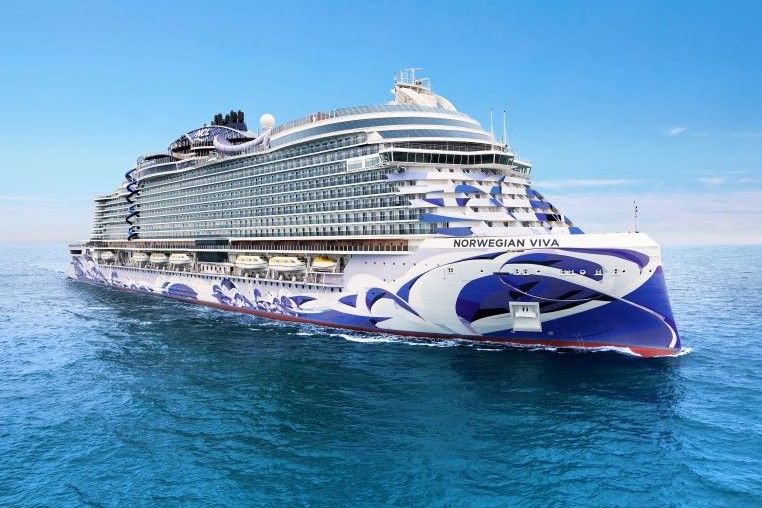
Norwegian Cruise Line is the largest and most widely recognized brand within the NCLH portfolio. Known for its “Freestyle Cruising” concept, which offers guests flexibility in dining and entertainment with no fixed schedules or dress codes, NCL targets the contemporary cruise market. This segment is characterized by a broader demographic appeal, generally more accessible pricing, and a focus on active, innovative ship features. Financially, NCL is the volume driver for NCLH, contributing a significant portion of the company’s total revenue and passenger capacity. Its consistent innovation in ship design and onboard experiences aims to capture market share and drive repeat business, both critical for sustained financial growth.
Oceania Cruises: Premium-Premium and Upper-Premium Market
Oceania Cruises positions itself in the premium-premium and upper-premium segments, offering a more refined and destination-focused experience. Known for its culinary excellence and sophisticated atmosphere, Oceania attracts guests who prioritize gourmet dining, enriching itineraries, and a slightly more intimate ship size than contemporary lines. Financially, Oceania commands higher per-diem rates and generally attracts a more affluent customer base, contributing to NCLH’s overall revenue mix with a focus on higher yield rather than pure volume. This brand provides a crucial bridge between the mass-market and ultra-luxury segments, capturing a discerning clientele.
Regent Seven Seas Cruises: Ultra-Luxury Segment
At the pinnacle of NCLH’s offerings is Regent Seven Seas Cruises, which operates in the ultra-luxury, all-inclusive segment. Regent voyages are characterized by unparalleled service, gourmet dining, extensive included amenities (such as shore excursions, specialty restaurants, and even flights), and spacious suites. This brand targets high-net-worth individuals seeking an exclusive and pampering travel experience. From a financial perspective, Regent Seven Seas Cruises delivers the highest yield per guest within the NCLH portfolio. While its fleet is smaller, its ability to command premium pricing and attract a high-spending demographic significantly boosts NCLH’s overall profitability and brand prestige, solidifying its position in the top tier of the cruise industry.
Strategic Market Segmentation
The strategic segmentation of NCLH’s brands is a masterstroke in financial and marketing strategy. By having distinct brands appealing to different income levels, travel preferences, and demographic groups, NCLH minimizes internal competition and maximizes its reach across the entire cruise market. This multi-tiered approach allows the company to:
- Optimize Pricing: Each brand can set prices appropriate for its target market, maximizing revenue from each segment.
- Cross-Selling Opportunities: While distinct, the brands may indirectly benefit from each other, as customers might upgrade or downgrade within the NCLH family over their lifetime.
- Efficient Resource Utilization: Leveraging common back-office functions, purchasing power, and management expertise across diverse brands can lead to significant cost efficiencies, directly impacting the bottom line. This careful orchestration of brands is a cornerstone of NCLH’s long-term financial health and growth strategy.
A Deep Dive into NCLH’s Financial Structure and Performance
Understanding who owns NCL Cruises also requires a look at the financial architecture of NCLH itself. As a public company, its financial health, debt levels, revenue streams, and profitability are under constant scrutiny by analysts, investors, and potential lenders.
Revenue Streams and Profitability Drivers
NCLH generates revenue primarily from ticket sales (cruise fares), which account for the largest portion, and onboard spending (ancillary revenue). Onboard spending includes everything from specialty dining and alcoholic beverages to spa treatments, casino gambling, shore excursions, and retail purchases. Maximizing both components is crucial for profitability. The company’s ability to drive repeat bookings, attract new cruisers, optimize pricing strategies, and encourage onboard spending are key profitability drivers. Furthermore, effective cost management – particularly regarding fuel, provisions, port fees, and labor – is critical. Seasonal demand fluctuations, global economic conditions, and geopolitical events can significantly impact revenue and profitability, making agile financial management essential.
Debt, Equity, and Capital Expenditures
Like most capital-intensive industries, especially one involving multi-billion-dollar ships, NCLH relies heavily on a mix of debt and equity financing.
- Equity: Represents the shareholders’ ownership stake, reflected in the market value of its outstanding shares.
- Debt: The company frequently issues bonds and secures loans from financial institutions to finance new ship builds, which can cost upwards of a billion dollars each. Managing this debt – interest payments, repayment schedules, and maintaining healthy credit ratings – is a central aspect of NCLH’s financial strategy. High debt levels, while necessary for growth, can increase financial risk, particularly during economic downturns.
- Capital Expenditures (CapEx): These are significant investments in assets such as new ships, renovations, and technological upgrades. CapEx is vital for maintaining a modern fleet, attracting passengers, and staying competitive. NCLH carefully plans its CapEx budget, balancing growth opportunities with financial prudence and ensuring a strong return on investment for these massive outlays.
Shareholder Value and Investor Relations
For a publicly traded company like NCLH, creating and enhancing shareholder value is a primary objective. This involves not only growing revenue and profits but also managing costs, efficiently allocating capital, and making strategic decisions that positively impact the company’s stock price and potential dividend distributions (though cruise lines often prioritize reinvestment for growth over consistent dividends). The investor relations department plays a crucial role in communicating the company’s financial performance, strategic outlook, and management vision to analysts and investors, ensuring transparency and fostering confidence in the company’s future. Regular earnings calls and investor presentations are key channels for this engagement.
Navigating Economic Headwinds and Opportunities
The cruise industry is particularly sensitive to macroeconomic shifts. Events like recessions, pandemics (as seen with COVID-19), and geopolitical instability can significantly impact demand, leading to booking cancellations and revenue shortfalls. NCLH’s financial strategy during such times focuses on liquidity management, cost reductions, and securing additional financing to weather the storm. Conversely, periods of strong economic growth and consumer confidence present opportunities for increased bookings, higher pricing, and expanded fleet capacity. The company’s ability to strategically navigate these cycles, balancing aggressive growth during good times with conservative financial planning during downturns, is a testament to its robust financial leadership. The post-pandemic recovery, for instance, has highlighted the industry’s resilience and NCLH’s capacity to rebound, driven by pent-up demand and strategic operational adjustments.
Key Financial Stakeholders and Influencers
While NCLH is owned by its shareholders, several groups hold significant influence over its financial direction and operational decisions. These stakeholders are critical to understanding the company’s governance and strategic execution.
Institutional Investors and Major Funds
The largest “owners” in terms of share volume are institutional investors. These include large asset management firms, pension funds, mutual funds, and hedge funds that manage vast sums of money on behalf of their clients or members. These entities typically hold significant percentages of NCLH’s stock. Their sheer size gives them considerable influence. They monitor the company’s financial performance closely, engage with management, and can impact major corporate decisions through their voting power at annual general meetings. A substantial stake by a few institutional investors can also introduce volatility if they decide to significantly increase or decrease their holdings.
Board of Directors and Executive Leadership
The Board of Directors, elected by shareholders, plays a pivotal role in corporate governance. Composed of both internal executives and independent directors, the board is responsible for overseeing the company’s strategic direction, financial performance, risk management, and executive compensation. They approve major capital expenditures, mergers, and acquisitions, and ensure that management operates in the best interests of the shareholders. The executive leadership team, led by the CEO and CFO, is responsible for the day-to-day operations and executing the strategies set by the board. Their financial acumen and leadership directly impact the company’s profitability and long-term value creation. Decisions made at this level – from fleet deployment to pricing strategies and cost controls – have direct financial consequences for NCLH.
The Role of Debt Holders and Lenders
Beyond equity shareholders, debt holders also represent a critical financial stakeholder group. These are the banks and bond investors who have loaned money to NCLH. They don’t own a piece of the company in the same way shareholders do, but their financial interests are paramount. NCLH must make timely interest payments and adhere to debt covenants (conditions set by lenders to protect their investment). Failure to do so can trigger serious financial repercussions, potentially leading to bankruptcy. Therefore, maintaining strong relationships with lenders and ensuring access to capital markets for future financing needs is a continuous financial priority for NCLH. The cost of borrowing (interest rates) can significantly impact profitability, especially given the capital-intensive nature of the cruise industry.
The Business Impact of Ownership Structure on Strategy and Growth
The public ownership model and the multi-brand holding structure significantly shape NCLH’s business strategy, growth trajectory, and competitive positioning. Every major decision, from fleet expansion to sustainability initiatives, is viewed through a financial lens, seeking to maximize shareholder value and ensure long-term viability.
Synergies Across Brands: Purchasing Power and Operational Efficiency
One of the most significant financial benefits of the NCLH structure is the ability to leverage synergies across its three distinct brands. By combining procurement for fuel, food, beverages, and other supplies across Norwegian, Oceania, and Regent, NCLH can achieve substantial economies of scale, negotiating better prices with suppliers. This directly reduces operating costs and improves profit margins. Similarly, shared corporate functions (such as IT, human resources, legal, and finance) centralize expertise and reduce duplication, leading to greater operational efficiency. These cost savings are a direct positive impact on NCLH’s financial statements, enhancing its competitiveness.
Financing Fleet Expansion and Innovation
Growth in the cruise industry is intrinsically linked to fleet expansion. New, larger, and more technologically advanced ships attract new passengers, enhance the guest experience, and often come with improved fuel efficiency and environmental performance. Financing these multi-billion-dollar investments is a massive undertaking, requiring substantial capital. As a public company, NCLH has access to various capital markets – issuing new shares, corporate bonds, or securing syndicated bank loans – to fund its ambitious newbuild programs. This access to diverse funding sources is a critical advantage over smaller, privately held competitors, enabling continuous innovation and modernization of its fleet, which in turn drives future revenue growth.
Market Position and Competitive Landscape
NCLH’s ownership structure and brand portfolio directly influence its market position. By offering cruises across contemporary, premium, and ultra-luxury segments, NCLH competes effectively against major rivals like Carnival Corporation and Royal Caribbean Group. Its diversified approach allows it to capture market share from a wider consumer base, making it a formidable player. The company’s financial strength, derived from its public ownership and access to capital, enables it to invest in marketing, technology, and customer service, all of which are crucial for maintaining a competitive edge and fostering brand loyalty. Performance against competitors is a constant focus for financial analysts and investors, impacting NCLH’s valuation.
Future Outlook and Strategic Financial Planning
The future of NCLH, and by extension who owns NCL Cruises, will continue to be shaped by meticulous strategic financial planning. This includes evaluating market trends, assessing geopolitical risks, adapting to changing consumer preferences, and investing in sustainable practices. For example, the cruise industry’s commitment to environmental sustainability requires significant capital investment in new technologies and retrofitting existing ships. NCLH’s ability to secure financing for these initiatives, while maintaining profitability and managing debt, will be key to its long-term success. As a publicly traded entity, NCLH’s financial decisions are inherently forward-looking, aiming to deliver consistent growth and value to its diverse shareholder base, ensuring the majestic ships of Norwegian Cruise Line, Oceania Cruises, and Regent Seven Seas Cruises continue to sail the world’s oceans for decades to come.
aViewFromTheCave is a participant in the Amazon Services LLC Associates Program, an affiliate advertising program designed to provide a means for sites to earn advertising fees by advertising and linking to Amazon.com. Amazon, the Amazon logo, AmazonSupply, and the AmazonSupply logo are trademarks of Amazon.com, Inc. or its affiliates. As an Amazon Associate we earn affiliate commissions from qualifying purchases.