
The question “who owns Kirkland brand” often elicits curiosity, hinting at a hidden conglomerate or a mysterious parent company behind one of retail’s most successful private labels. However, the answer is refreshingly straightforward and, more importantly, a testament to astute brand strategy: Kirkland Signature is exclusively owned and developed by Costco Wholesale Corporation. It is not an independent entity, nor is it a separate subsidiary; it is the definitive private label brand of the global membership-only warehouse club. This direct ownership is not merely a logistical detail but the bedrock of Kirkland Signature’s enduring appeal and a brilliant strategic move that profoundly shapes Costco’s corporate identity, market positioning, and customer loyalty.
In the highly competitive retail landscape, where brand perception can make or break a company, Costco has leveraged Kirkland Signature into far more than just a house brand. It has become a hallmark of value, quality, and trust, fundamentally intertwined with the Costco experience itself. This article will dissect the brand strategy behind Kirkland Signature, exploring how its ownership model allows Costco to exert unparalleled control over product quality, foster deep customer relationships, and sustain a powerful competitive advantage in the retail sector, all through the lens of effective brand management.
The Strategic Genesis of Kirkland Signature
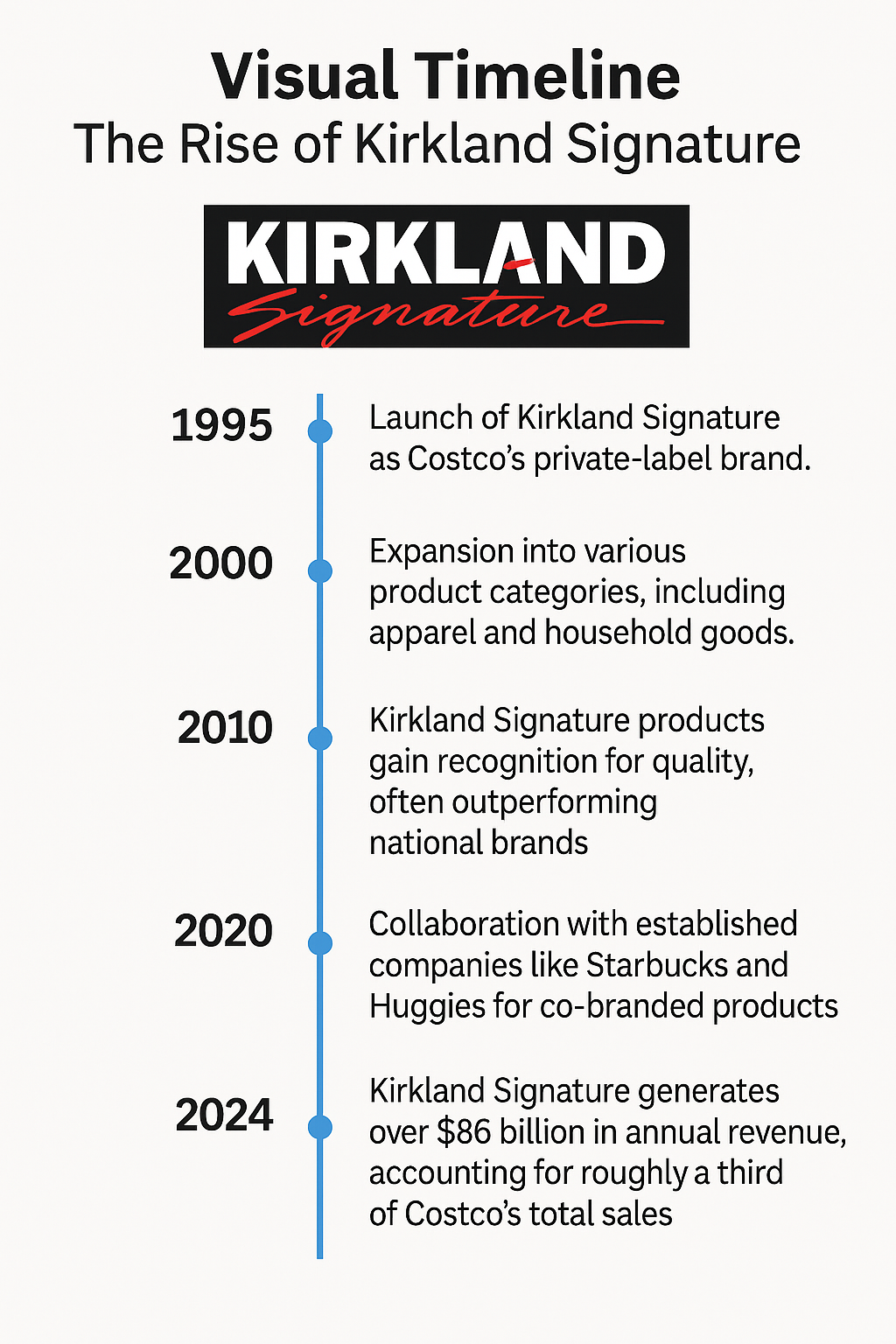
The inception of Kirkland Signature in 1995 wasn’t an accidental foray into private labeling; it was a deliberate, calculated brand strategy designed to address specific market needs and enhance Costco’s overarching brand proposition. Before Kirkland, Costco (and Price Club before its merger with Costco) carried various house brands, often leading to confusion and diluting potential brand equity. The consolidation under a single, strong private label brand, named after Costco’s original corporate headquarters in Kirkland, Washington, marked a pivotal moment in the company’s branding journey.
Identifying a Market Opportunity: Value and Trust
Costco operates on a simple yet powerful premise: providing high-quality goods at competitive prices, often in bulk, to its members. The private label strategy for Kirkland Signature was born from the insight that members were seeking not just low prices, but exceptional value – a combination of quality commensurate with, or even exceeding, national brands, but at a more accessible price point. This wasn’t about offering cheap alternatives; it was about delivering superior value. By owning the brand, Costco could control the entire value chain, from sourcing raw materials to manufacturing specifications, ensuring that every product met stringent quality benchmarks while simultaneously optimizing costs. This approach directly built trust, as members quickly learned to equate the Kirkland name with reliable quality without the premium price tag.
Crafting a Unique Brand Identity: Beyond Generic Private Label
Many private labels struggle with a perception of being “generic” or “second-tier.” Costco meticulously sidestepped this trap by positioning Kirkland Signature as a premium brand in its own right, not merely an economical substitute. The brand’s identity was crafted around transparency and a promise of excellence. Costco often highlights that Kirkland Signature products must meet or exceed the quality of leading national brands. This commitment is communicated through rigorous testing, direct comparisons, and a generous return policy, all of which reinforce the brand’s premium standing. The Kirkland label became a badge of assurance, signifying that Costco had done the exhaustive legwork of quality control on behalf of its members, thereby elevating its perceived value beyond typical private-label offerings.
Integration into Costco’s Core Brand Philosophy
Kirkland Signature is not just a brand sold at Costco; it is intrinsically part of the Costco brand. Its existence reinforces Costco’s core philosophy of providing unparalleled value and curating a selection of high-quality products. The success of Kirkland Signature directly contributes to the strength of the Costco brand, creating a virtuous cycle where satisfied Kirkland customers become more loyal Costco members, and devoted Costco members enthusiastically seek out Kirkland products. This deep integration means that any positive association with Kirkland Signature directly bolsters the Costco corporate identity, making the ownership structure not just an administrative detail, but a fundamental pillar of its overarching brand strategy.
Unpacking the Ownership Model: Costco’s In-House Power
Understanding that Kirkland Signature is 100% owned by Costco is crucial for grasping its brand power. This direct ownership model grants Costco a level of control and strategic agility that external brand partnerships or licensed arrangements simply cannot match. It’s a powerful demonstration of how a company can build brand equity by bringing key functions in-house, ensuring alignment with its broader corporate objectives.
Dispelling Myths: Kirkland as a Direct Extension of Costco
One common misconception is that Kirkland Signature might be a holding company or a separate subsidiary. The reality is simpler and more impactful: Kirkland Signature is an internal brand label, a proprietary designation for products developed, sourced, and sold exclusively by Costco. This means decisions regarding product lines, quality control, packaging, and marketing for Kirkland Signature are made directly within Costco’s corporate structure, often by the same teams responsible for general merchandise strategy. There are no external stakeholders to appease or separate profit motives; the brand’s success is directly synonymous with Costco’s success.
The Master-Brand Relationship: Costco as the Ultimate Guarantor
In the realm of branding, Costco acts as the ultimate master-brand for Kirkland Signature. Every Kirkland product carries the implicit endorsement and guarantee of Costco. This relationship is critical for building trust. When a member purchases a Kirkland item, they are not just buying a private label product; they are buying a product backed by Costco’s reputation for quality and customer service. This direct association allows Costco to leverage its well-established brand equity to quickly launch new Kirkland products into diverse categories, from food and beverages to apparel and electronics, with an immediate baseline of consumer confidence. The strong positive brand perception of Costco seamlessly extends to its owned private label.
Operational Control and Brand Consistency
The direct ownership model provides unparalleled operational control. Costco dictates the specifications, sources the manufacturers, and manages the logistics for every Kirkland Signature product. This meticulous oversight is vital for maintaining brand consistency, which is a cornerstone of any successful brand. Whether it’s coffee beans, golf balls, or prescription eyewear, members expect a certain standard of quality and value from any product bearing the Kirkland Signature logo. This consistency, in turn, strengthens the brand’s promise and makes it a reliable choice for consumers, cementing its position in their purchasing habits.
The Art of Brand Sourcing: Behind the Kirkland Label
While Costco owns the Kirkland Signature brand, it doesn’t necessarily manufacture every product itself. This nuanced approach to sourcing is a critical component of its brand strategy, allowing Costco to maintain quality while leveraging the expertise and infrastructure of established manufacturers. It’s a sophisticated blend of internal brand management and external production partnerships.
Partnerships with Leading Manufacturers: A Symbiotic Relationship
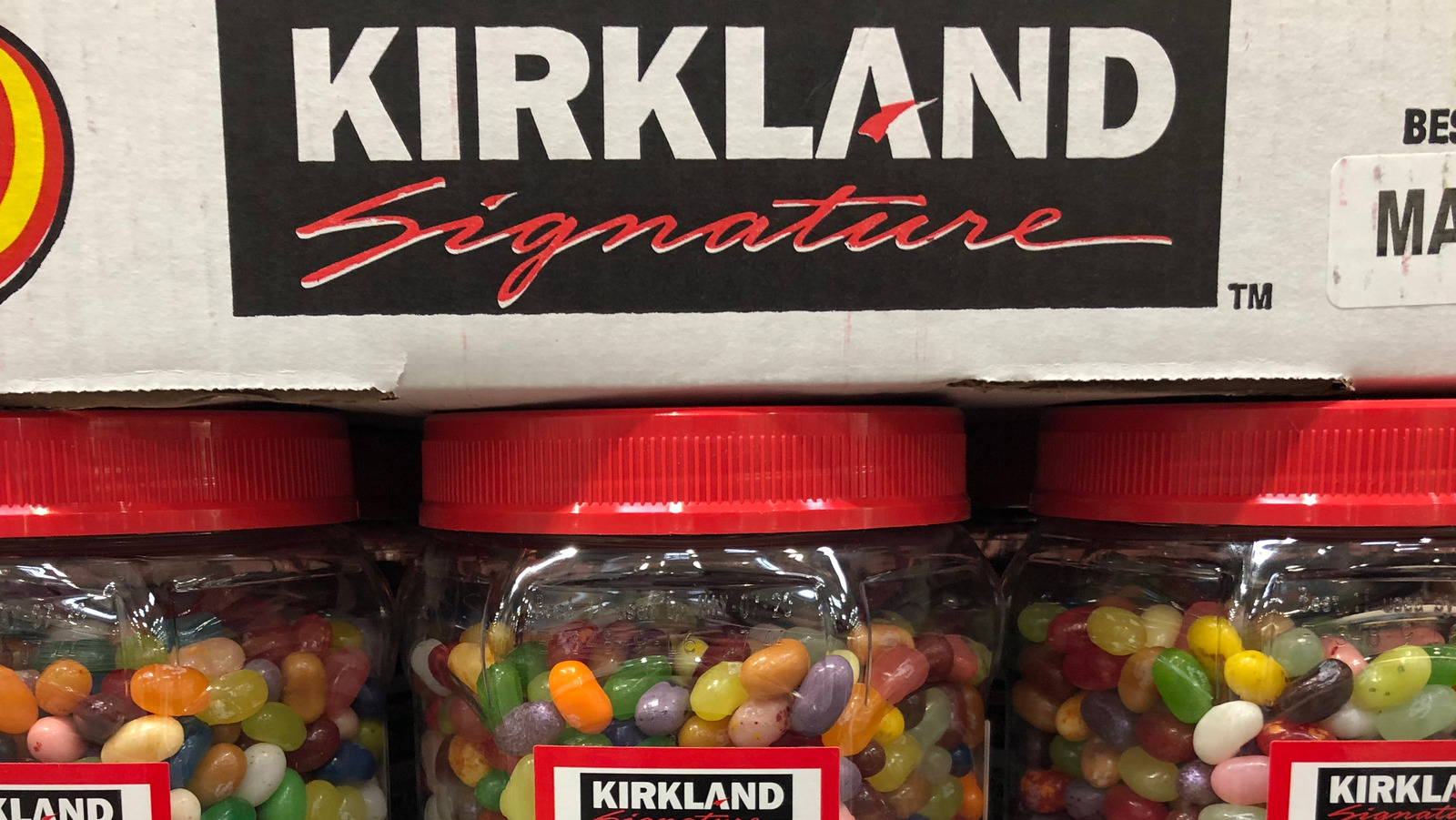
A key aspect of Kirkland Signature’s success lies in its strategic partnerships. Costco often collaborates with leading national brands or highly reputable manufacturers to produce its private label goods. For example, popular rumors (and sometimes direct admissions) suggest that companies like Starbucks (coffee), Ocean Spray (cranberry juice), and Duracell (batteries) have, at various times, produced items under the Kirkland Signature label. This strategy is mutually beneficial. Costco gains access to top-tier manufacturing capabilities and established quality standards, while manufacturers can utilize excess capacity and reach a vast, loyal customer base through Costco’s distribution channels. These partnerships are a testament to Kirkland’s strong brand equity, as major manufacturers are willing to produce goods under a competing label, confident in Costco’s volume and quality demands.
Maintaining Quality Standards: The Cornerstone of the Kirkland Brand
The brand promise of Kirkland Signature is inextricably linked to its rigorous quality control. Costco’s private label team works closely with manufacturers to ensure that products meet, and often exceed, the quality benchmarks of comparable national brands. This involves setting strict specifications, conducting regular audits, and implementing comprehensive testing protocols. The focus isn’t just on matching quality; it’s often on improving it, providing a superior product at a lower price point. This unwavering commitment to quality is crucial for sustaining the Kirkland brand’s reputation and preventing it from being perceived as merely a cheaper alternative. It’s a proactive brand management approach that safeguards the brand’s integrity.
Strategic Product Development and Expansion
The direct ownership allows Costco to be highly agile and strategic in its product development for the Kirkland brand. The company can identify gaps in its offerings, respond quickly to market trends, or introduce innovative products based on member feedback. This strategic flexibility is a massive advantage. Costco isn’t waiting for a third-party brand to develop a product; it can actively commission and guide the creation of new Kirkland Signature items, ensuring they align perfectly with the overall Costco brand experience and member expectations. This controlled expansion helps solidify the Kirkland brand’s presence across diverse product categories, further embedding it into members’ shopping routines.
Kirkland Signature’s Impact on Brand Loyalty and Perception
The success of Kirkland Signature extends far beyond sales figures; it profoundly influences customer loyalty and the overall perception of the Costco brand. It acts as a powerful differentiator in a crowded retail market, cementing Costco’s relationship with its members.
Building Customer Trust Through Value and Performance
At its core, Kirkland Signature builds trust by consistently delivering on its promise of value and performance. When members repeatedly find that Kirkland products offer quality comparable to, or better than, national brands at a significantly lower price, their trust in the brand deepens. This trust is not easily won or replicated. It’s built transaction by transaction, ensuring that members feel they are making a smart, informed choice every time they opt for a Kirkland item. This reliability creates a strong emotional connection, where the brand becomes a trusted advisor in their shopping decisions.
Differentiating Costco in a Competitive Retail Landscape
In a world filled with myriad shopping options, Kirkland Signature provides Costco with a unique and powerful differentiator. Unlike other retailers that merely stock national brands, Costco offers an exclusive line of products that cannot be found elsewhere. This exclusivity creates a compelling reason for customers to maintain their Costco membership. The “treasure hunt” aspect of finding great Kirkland deals, or simply knowing that certain high-quality staples are reliably available under the Kirkland label, makes the Costco membership feel more valuable and unique. It transforms Costco from just another store into a destination for exclusive, high-value goods.
The Halo Effect: Elevating the Parent Brand’s Image
The immense success and positive perception of Kirkland Signature create a significant “halo effect” for the parent brand, Costco. When Kirkland products consistently win consumer awards, receive rave reviews, or outperform national brands in taste tests, it reflects positively on Costco as a whole. It reinforces the idea that Costco is a discerning curator, committed to quality, and genuinely focused on providing the best for its members. This elevates Costco’s corporate image, enhancing its reputation as a smart, trustworthy, and member-centric retailer. The ownership of Kirkland Signature isn’t just about selling products; it’s about continuously enhancing the perception and value of the entire Costco brand ecosystem.
The Future of Private Labels: Lessons from Kirkland’s Success
The trajectory of Kirkland Signature offers invaluable lessons for the broader retail industry about the power and potential of private label brands. As consumer expectations evolve and the retail landscape shifts, the Kirkland model provides a blueprint for sustainable brand growth and loyalty.
Evolving Consumer Expectations and Private Label Growth
Today’s consumers are more discerning than ever. They seek transparency, quality, and value, and they are increasingly less swayed by traditional brand names alone. This shift in consumer behavior creates fertile ground for well-executed private labels. Kirkland Signature anticipated this trend decades ago, proving that a house brand, when strategically managed and rigorously quality-controlled, can not only compete with but often surpass national brands in consumer preference. The era of private labels being solely “budget” options is over; the future is about private labels delivering premium experiences.
Sustaining Brand Relevance and Innovation
For Kirkland Signature, sustaining brand relevance means continuous innovation and adaptation. Costco is constantly evaluating its product lines, exploring new categories, and refining existing offerings based on market feedback and emerging trends. This agility, facilitated by direct ownership, allows the brand to remain fresh and appealing. Whether it’s introducing organic options, plant-based alternatives, or leveraging new technologies in product development, Kirkland Signature exemplifies how a private label can stay at the forefront of consumer demand by actively evolving and innovating.
The Kirkland Signature Model as a Blueprint for Retailers
Ultimately, the story of “who owns Kirkland brand” is a powerful case study in strategic branding. It demonstrates that direct ownership of a private label, when executed with an unwavering commitment to quality, value, and customer trust, can transform a retailer’s competitive standing. For other retailers considering or developing their private label strategies, Kirkland Signature offers a clear blueprint: invest deeply in product development, forge strong manufacturing partnerships, uphold stringent quality controls, and, critically, integrate the private label seamlessly into the core brand identity and promise. By doing so, a private label can become much more than just a product line; it can become a pillar of a company’s brand, driving loyalty, differentiation, and long-term success, much like Kirkland Signature has done for Costco.
aViewFromTheCave is a participant in the Amazon Services LLC Associates Program, an affiliate advertising program designed to provide a means for sites to earn advertising fees by advertising and linking to Amazon.com. Amazon, the Amazon logo, AmazonSupply, and the AmazonSupply logo are trademarks of Amazon.com, Inc. or its affiliates. As an Amazon Associate we earn affiliate commissions from qualifying purchases.