
JPMorgan Chase & Co. stands as an undisputed titan of global finance, a name synonymous with banking, investment, and economic power. From bustling trading floors to the quiet hum of countless digital transactions, its influence permeates economies worldwide. Yet, for an entity of such colossal scale and pervasive presence, a fundamental question often emerges: who truly owns JPMorgan Chase? Is it a single magnate, a powerful family, or a shadowy cabal of financiers? The reality, as is often the case with publicly traded corporations, is far more intricate and, arguably, more democratic.
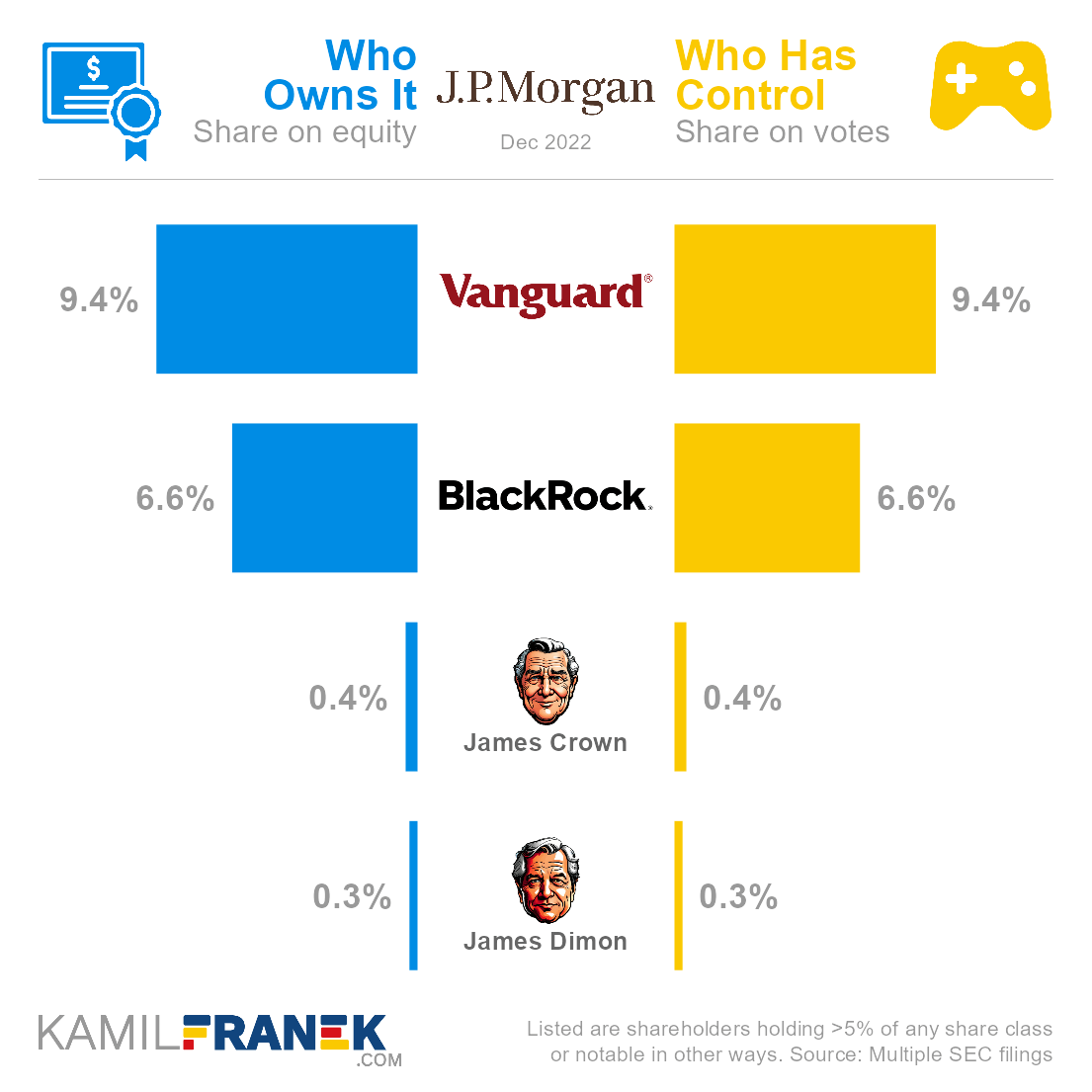
In the realm of modern finance, “ownership” of a company like JPMorgan Chase is not held by one individual or a small, exclusive group. Instead, it is dispersed among millions of shareholders, a diverse tapestry of institutional investors, individual savers, and even its own employees. This article delves into the sophisticated web of ownership that defines JPMorgan Chase, exploring the mechanisms of public ownership and identifying the key players who collectively hold a stake in this financial leviathan, firmly within the context of business finance and investing.
The Publicly Traded Paradox: Owned by Millions, Controlled by Few
At its core, JPMorgan Chase is a publicly traded company, listed on the New York Stock Exchange under the ticker symbol JPM. This status is the fundamental answer to the question of ownership, yet it introduces a paradox: while millions collectively “own” the company through their shares, the day-to-day control and strategic direction are vested in a much smaller, albeit accountable, group.
Understanding Public Ownership
When a company goes public, it offers shares of its stock to investors. Each share represents a fractional ownership interest in the company. For JPMorgan Chase, this means that anyone who purchases a share of JPM stock, whether it’s a small retail investor buying a handful of shares or a massive pension fund acquiring millions, becomes a part-owner. This mechanism allows companies to raise significant capital from a broad base of investors, fueling their growth and operations. In return, shareholders gain the potential for capital appreciation and, in many cases, dividends, reflecting their share of the company’s profits.
However, owning a share does not equate to direct operational control. Shareholders typically have voting rights proportional to their holdings, which they can exercise on matters such as electing the Board of Directors, approving major corporate actions, and weighing in on executive compensation. It’s a system designed to align the interests of management with those of the owners, even if the “owners” are a highly diverse and often passive collective.
The Dispersed Nature of Ownership
Due to its sheer size and the volume of its outstanding shares, no single individual, family, or even a small group of investors holds a majority stake in JPMorgan Chase. This dispersed ownership is a defining characteristic of most large, mature public companies. If any single entity were to own more than 50% of the voting shares, they would effectively control the company, dictating its direction. In JPMorgan Chase’s case, the ownership is so widely distributed that even the largest institutional investors hold significant but far from controlling percentages. This structure ensures that the company is not beholden to the whims of a single dominant shareholder, instead necessitating a focus on broad shareholder value.
The Institutional Behemoths: Power Players in JPM’s Ownership
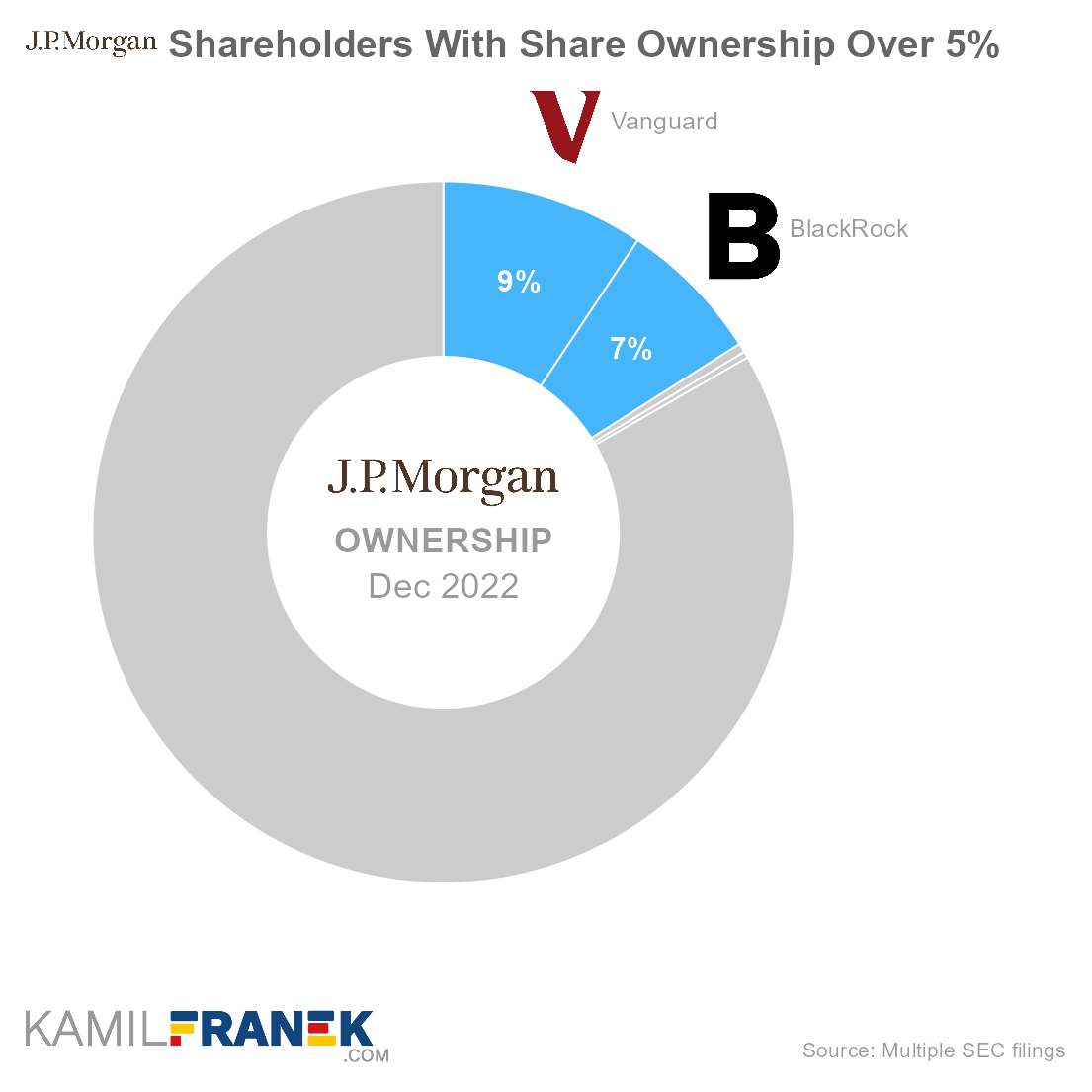
While individual investors form a crucial part of JPMorgan Chase’s ownership base, the lion’s share of its stock is held by large institutional investors. These entities manage vast pools of capital on behalf of their clients, making them the true behemoths of the stock market.
Investment Funds and Asset Managers
Firms like Vanguard, BlackRock, and State Street Global Advisors consistently appear among the top institutional shareholders of JPMorgan Chase. These asset management giants collectively manage trillions of dollars in assets, often through a myriad of investment vehicles such as index funds, exchange-traded funds (ETFs), and actively managed mutual funds. When an investor puts money into a Vanguard S&P 500 index fund, for example, a portion of that money will be used to buy shares of every company in the S&P 500, including JPMorgan Chase, in proportion to its market capitalization.
Their ownership is not typically about gaining control over JPM’s operations directly. Instead, it’s about fulfilling their fiduciary duty to their own clients by investing in a diversified portfolio that includes financially robust companies like JPMorgan Chase. While they exert influence through their substantial voting power on shareholder resolutions and board elections, their primary interest lies in the long-term financial performance of their holdings, which directly impacts the returns for their fund investors.
Pension Funds and Sovereign Wealth Funds
Beyond the major asset managers, another significant segment of institutional ownership comes from pension funds and sovereign wealth funds. Pension funds, managing retirement savings for millions of public and private sector employees, often seek stable, dividend-paying companies like JPMorgan Chase to provide long-term growth and income. Similarly, sovereign wealth funds, established by national governments to invest surplus revenues (often from natural resources), are long-term, strategic investors with immense capital. Both types of funds prioritize capital preservation and steady returns, making a stalwart like JPMorgan Chase an attractive component of their diversified portfolios. Their investment horizons are typically very long, meaning they are less likely to engage in short-term trading and more focused on sustainable corporate governance and performance.
Implications of Institutional Dominance
The dominance of institutional investors in JPMorgan Chase’s ownership structure has several profound implications. Firstly, it means that JPM’s management and board are largely accountable to a sophisticated set of investors who possess deep financial expertise and extensive resources to analyze corporate performance. Secondly, these institutions are increasingly powerful voices on Environmental, Social, and Governance (ESG) issues, leveraging their voting power to advocate for sustainable practices, diversity, and ethical conduct within the companies they own. While they don’t “run” JPMorgan Chase, their collective decisions on proxy votes and engagement with management can significantly shape the company’s strategic direction and corporate culture.
The Retail Investor: A Piece of the Pie
While the bulk of JPMorgan Chase’s shares are held by institutional giants, individual, or retail, investors also play a vital role, embodying the democratic spirit of public markets.
Individual Shareholders
These are the “mom and pop” investors, the individuals who purchase shares directly through brokerage accounts, often as part of their personal investment portfolios, retirement planning, or even as a speculative play. Though each individual stake is typically smaller than institutional holdings, their collective ownership is substantial. Many are attracted to JPMorgan Chase for its reputation as a blue-chip stock, its consistent dividend payouts, and its perceived stability within the financial sector. For these shareholders, owning a piece of JPM represents a direct investment in the stability and growth of the global economy. While their individual influence on corporate governance is limited compared to institutions, their collective sentiment and buying/selling patterns can still impact the stock price and market capitalization.
Employee Stock Ownership
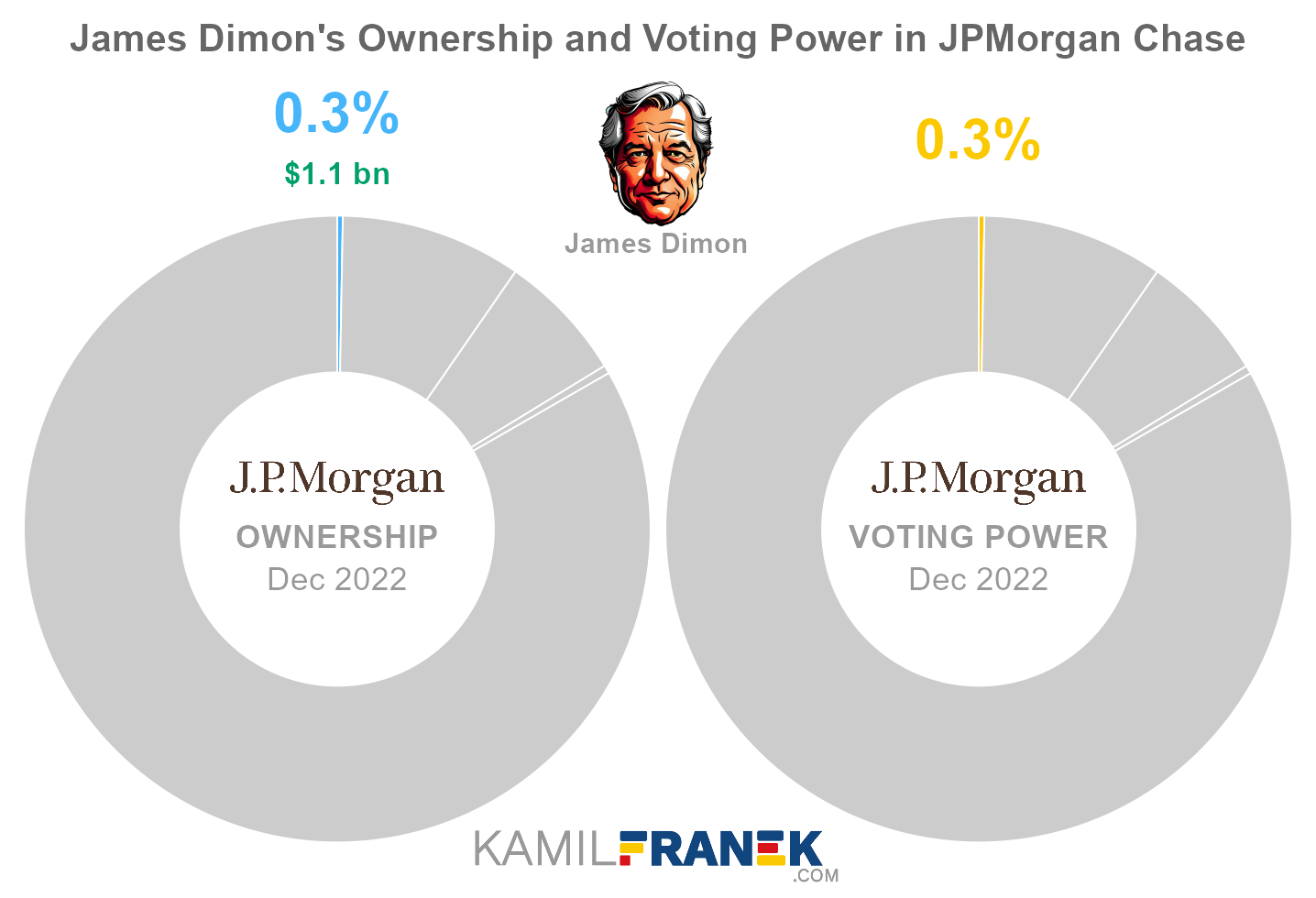
JPMorgan Chase, like many large corporations, also encourages its employees to own shares in the company. This can occur through stock options, restricted stock units, or employee stock purchase plans. Executives, including the influential Chairman and CEO Jamie Dimon, typically hold substantial personal stakes in the company. This alignment of interests is designed to motivate employees to contribute to the company’s success, as their personal wealth becomes directly tied to JPM’s performance. For someone like Jamie Dimon, while his personal holdings might be significant in dollar value, they still represent a minority stake relative to the total outstanding shares, reinforcing the principle that no single individual controls the company. This form of ownership merges personal financial interest with professional commitment.
Beyond Ownership: Influence and Governance
The question of “who owns” a company like JPMorgan Chase extends beyond mere shareholding to encompass the intricate mechanisms of influence, governance, and regulatory oversight that ultimately steer the company.
The Board of Directors: Guardians of Shareholder Value
The Board of Directors sits at the apex of JPMorgan Chase’s corporate governance structure. Composed of a mix of independent directors and executive directors (like Jamie Dimon), the board is elected by shareholders and is legally obligated to act in their best interests. Their responsibilities are vast, ranging from setting strategic direction and overseeing risk management to approving major transactions and executive compensation. While shareholders elect the board, the board, in turn, selects and oversees the CEO and other top executives. This creates a critical layer of accountability, ensuring that management’s decisions align with the long-term value creation for the company’s diverse owners. Independent directors, in particular, play a crucial role in providing objective oversight and challenging management when necessary, acting as a check and balance within the system.
Executive Leadership: Steering the Ship
Jamie Dimon, as Chairman and CEO, undeniably wields immense influence over JPMorgan Chase’s operations and strategic vision. His leadership, experience, and decision-making capabilities are central to the bank’s direction. However, his authority is not absolute; it is derived from and accountable to the Board of Directors, which is, in turn, accountable to the shareholders. Dimon, like other executives, is an employee of the company, albeit a highly compensated and powerful one, whose performance is continually scrutinized by the board and the broader investment community. His significant personal shareholdings tie his financial success directly to that of the company, further aligning his interests with those of the millions of other shareholders. This structure ensures that even the most powerful individuals within the company operate within a framework of governance designed to protect the collective ownership.
Regulatory Oversight
In a broader sense, the “owners” of a major financial institution like JPMorgan Chase also include the public interest, represented by a myriad of regulatory bodies. Agencies such as the Federal Reserve, the Securities and Exchange Commission (SEC), the Office of the Comptroller of the Currency (OCC), and international regulators impose stringent rules and oversight on JPMorgan Chase. These regulations cover everything from capital requirements and risk management to consumer protection and market conduct. While not shareholders in the traditional sense, these bodies act as ultimate guardians, ensuring the stability of the financial system and protecting investors and the public from systemic risks. Their oversight represents a crucial, non-shareholder form of “ownership” in ensuring the company operates responsibly and ethically within society.
In conclusion, the question of “who owns JPMorgan Chase” reveals a fascinating and complex answer: it is owned by a vast and diverse coalition of shareholders worldwide. From the institutional giants managing trillions in assets to the individual investors saving for retirement, each holds a fractional piece of this financial powerhouse. While no single entity exerts absolute control, the interplay of dispersed ownership, powerful institutional investors, an accountable Board of Directors, influential executive leadership, and stringent regulatory oversight collectively ensures that JPMorgan Chase operates under a robust, multifaceted system of governance. This distributed ownership model is a hallmark of modern publicly traded companies, reflecting both the democratization of investment and the intricate balance required to manage an entity of such global significance.
aViewFromTheCave is a participant in the Amazon Services LLC Associates Program, an affiliate advertising program designed to provide a means for sites to earn advertising fees by advertising and linking to Amazon.com. Amazon, the Amazon logo, AmazonSupply, and the AmazonSupply logo are trademarks of Amazon.com, Inc. or its affiliates. As an Amazon Associate we earn affiliate commissions from qualifying purchases.