
In the world of digital finance, few names carry as much weight as Coinbase. Since its inception in 2012, the platform has evolved from a simple Bitcoin brokerage into a massive ecosystem that bridges the gap between traditional finance and the decentralized world of blockchain. However, as Coinbase transitioned from a Silicon Valley startup to a publicly traded entity on the Nasdaq, the answer to “who owns Coinbase” became multifaceted. It is no longer a question of a single founder or a small group of venture capitalists; rather, it is a complex web of institutional giants, retail investors, and the visionary leaders who steered the company toward its 2021 direct listing.

Understanding the ownership structure of Coinbase is essential for any investor or financial enthusiast. It reveals not only who controls the company’s strategic direction but also how the broader financial market perceives the long-term viability of the cryptocurrency industry.
The Founders and the Genesis of Ownership
The story of Coinbase’s ownership begins with Brian Armstrong and Fred Ehrsam. Armstrong, a former software engineer at Airbnb, and Ehrsam, a former foreign exchange trader at Goldman Sachs, co-founded the company with a vision to make Bitcoin easy to use for the average person. In the early days, ownership was concentrated almost entirely in their hands and those of a few angel investors.
Brian Armstrong’s Controlling Stake
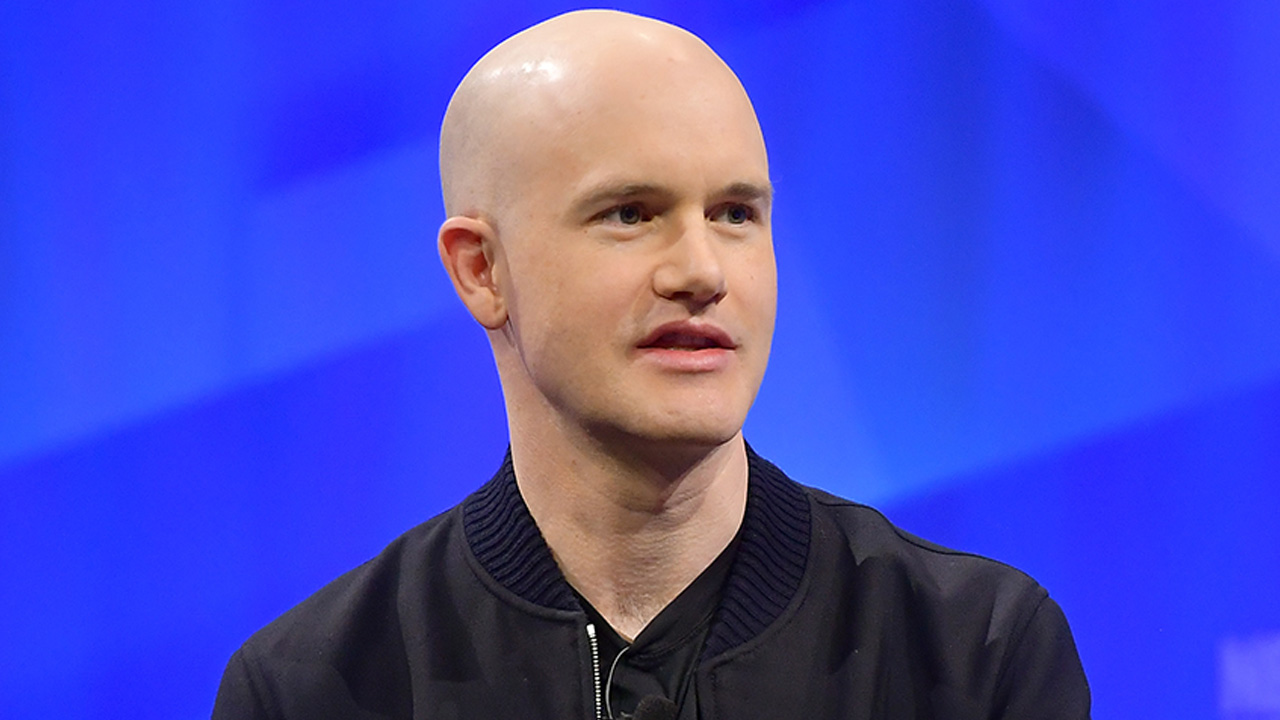
Brian Armstrong remains the most significant figure in the Coinbase ownership narrative. As the CEO, his influence extends far beyond his title. While his actual percentage of total equity has shifted due to various funding rounds and the public listing, his voting power remains immense. Coinbase utilizes a dual-class share structure, a common tactic in the tech industry designed to keep founders in control. By holding Class B common stock—which carries significantly more voting power than the Class A shares traded by the public—Armstrong maintains a controlling interest in the company’s major decisions. This ensures that even as the company scales, the original vision of “economic freedom” remains the North Star.
Fred Ehrsam’s Transition and Influence
While Fred Ehrsam stepped down from his daily operational role in 2017, he remains one of the largest individual shareholders. Ehrsam’s ownership represents the venture-minded side of the founding duo. He co-founded Paradigm, a crypto-focused investment firm, which further integrates him into the broader digital asset economy. His continued stake in Coinbase serves as a bridge between the company’s rebellious startup roots and its current status as a pillar of the financial establishment.
Institutional Investors: The Power Behind the Scenes
When Coinbase went public via a direct listing in April 2021 under the ticker symbol COIN, it opened the doors for the world’s largest financial institutions to take a seat at the table. Today, institutional ownership represents a massive portion of the company’s equity, signaling that Wall Street has moved past its initial skepticism of the crypto sector.
Major Hedge Funds and Asset Managers
The list of Coinbase’s top shareholders reads like a “who’s who” of the global financial elite. Firms such as Vanguard Group, BlackRock, and State Street Corporation hold significant positions in COIN. These institutions do not necessarily trade based on crypto volatility; rather, they hold the stock as part of broad-market index funds and institutional portfolios. For many of these managers, owning Coinbase is the most regulated and efficient way to gain exposure to the growth of the digital asset economy without holding the underlying cryptocurrencies directly.
The Role of Ark Invest and Cathie Wood
Perhaps the most vocal institutional proponent of Coinbase is Cathie Wood and her firm, ARK Investment Management. Wood has frequently made headlines for accumulating COIN shares during market downturns, viewing the company as a cornerstone of the “Next Generation Internet.” ARK’s ownership is more than just a financial stake; it is a vote of confidence in Coinbase’s ability to dominate the custodial and exchange markets. The conviction of institutional players like Wood provides a level of price support and market legitimacy that few other crypto companies enjoy.
Venture Capital Roots: Andreessen Horowitz
Before it was a public company, Coinbase was a “unicorn” backed by legendary venture capital firms. Andreessen Horowitz (a16z) was an early and aggressive investor. Even after the public listing, a16z and its partners have maintained substantial holdings. Their involvement is a testament to the “smart money” that identified Coinbase’s potential long before the 2017 or 2021 bull runs. Their presence in the ownership structure provides a layer of strategic expertise that continues to influence Coinbase’s expansion into Web3 and decentralized finance (DeFi).
Retail Ownership and the Public Market
Unlike a traditional Initial Public Offering (IPO) where new shares are created and sold to raise capital, Coinbase chose a direct listing. This allowed existing shareholders—employees and early investors—to sell their shares directly to the public on the first day of trading. This move democratized ownership in a way that aligns with the decentralized ethos of cryptocurrency.
The 2021 Direct Listing and COIN Stock
The direct listing was a watershed moment for the financial industry. It allowed retail investors—individual traders using platforms like Robinhood or E*TRADE—to own a piece of the exchange they used to buy Bitcoin. Today, a significant percentage of Coinbase’s floating shares are held by the general public. This retail base is highly sensitive to the broader crypto market cycles. When Bitcoin and Ethereum surge, retail interest in COIN stock typically follows, creating a unique ownership dynamic where the “owners” are often the “customers” as well.
Employee Stock Ownership and Internal Distribution
A company is only as strong as its talent, and Coinbase has used equity as a primary tool for recruitment and retention. A substantial portion of the company’s ownership is distributed among its thousands of employees through Restricted Stock Units (RSUs) and stock options. This internal ownership aligns the interests of the staff with the long-term performance of the company. It ensures that the engineers, compliance officers, and product managers are financially incentivized to maintain the security and reliability of the platform.
The Strategic Impact of Ownership on Corporate Governance
The way Coinbase is owned directly dictates how it is governed. In the high-stakes world of finance, ownership isn’t just about dividends; it’s about the power to influence policy, regulatory compliance, and technological pivots.
Voting Power and Decentralization Ideals
The tension between being a centralized, publicly traded corporation and serving a decentralized industry is a constant theme for Coinbase. Because Brian Armstrong and other insiders hold high-vote Class B shares, they can effectively veto hostile takeovers or radical changes in direction proposed by activist investors. This ownership structure allows Coinbase to take a long-term view, investing in infrastructure like the “Base” Layer 2 network, even when short-term quarterly profits might be under pressure.
Regulatory Pressure and Financial Transparency
Because a significant portion of Coinbase is owned by institutions that are themselves heavily regulated (like BlackRock and Vanguard), Coinbase must maintain gold-standard financial reporting. The ownership of Coinbase by “Old Finance” giants forces the company to operate with a level of transparency that is often lacking in the offshore, unregulated corners of the crypto world. This transparency is a competitive advantage; it makes Coinbase the “safe” choice for institutional capital looking to enter the space, further reinforcing the cycle of institutional ownership.
Future Outlook: How Ownership Might Evolve
The ownership landscape of Coinbase is not static. As the regulatory environment in the United States and abroad continues to shift, and as the crypto market matures, we can expect to see further consolidation and shifts in who holds the keys to the kingdom.
Potential for M&A Activity
While Brian Armstrong’s voting control makes a hostile takeover difficult, the future could see strategic partnerships or even a friendly merger with a traditional financial titan. As crypto becomes a standard asset class, a legacy bank or a global payments processor might see the acquisition of a significant stake in Coinbase as the fastest way to modernize their own infrastructure.

Institutional Consolidation in the Next Decade
As crypto ETFs (Exchange Traded Funds) become more prevalent, the indirect ownership of Coinbase may increase. If Coinbase continues to serve as the primary custodian for the world’s Bitcoin ETFs (as it currently does for many issuers), its stock will become an even more essential component of institutional portfolios. We are likely to see a future where Coinbase is as common a holding in retirement accounts as Apple or Microsoft, completing its transition from a niche tech startup to a foundational pillar of the global financial system.
In conclusion, “who owns Coinbase” is a story of evolution. It began with the conviction of two founders, grew through the calculated risks of venture capitalists, and has now matured into a diversified ownership base of global institutions and millions of retail investors. This broad distribution of ownership is perhaps the strongest signal that the digital asset economy is no longer on the fringes of finance—it is at the very heart of it.
aViewFromTheCave is a participant in the Amazon Services LLC Associates Program, an affiliate advertising program designed to provide a means for sites to earn advertising fees by advertising and linking to Amazon.com. Amazon, the Amazon logo, AmazonSupply, and the AmazonSupply logo are trademarks of Amazon.com, Inc. or its affiliates. As an Amazon Associate we earn affiliate commissions from qualifying purchases.