
In the world of global tourism and leisure, few names command as much presence as Carnival Cruise Line. Often synonymous with the concept of the “fun ship,” Carnival has grown from a single secondhand vessel in the early 1970s into a titan of the seas. However, for investors, financial analysts, and curious travelers, the question of “who owns Carnival” isn’t answered by a single name. Instead, the answer lies within a complex web of dual-listed corporate structures, billionaire family legacies, and massive institutional investment funds.
Understanding the ownership of Carnival Cruise Line requires a look into the machinery of Carnival Corporation & plc, the world’s largest leisure travel company. This article explores the financial architecture, the prominent shareholders, and the family dynasty that continues to steer this multi-billion dollar enterprise.
The Corporate Structure: Carnival Corporation & plc
To understand who owns the cruise line, one must first understand the unique financial entity known as Carnival Corporation & plc. Carnival is not a simple corporation; it is a Dual-Listed Company (DLC). This is a sophisticated financial arrangement that allows two separate companies—one incorporated in the United States and one in the United Kingdom—to function as a single economic enterprise.
The Dual-Listed Company (DLC) Model
Carnival Corporation is incorporated in Panama and headquartered in Florida, USA, with its shares traded on the New York Stock Exchange (NYSE). Meanwhile, Carnival plc is a UK-based public limited company listed on the London Stock Exchange (LSE).
From a “Money” perspective, this structure is fascinating. The two entities have a “pairing arrangement” where the shareholders of both companies have the same economic and voting interest. While they are legally separate, they operate under a single management team and board of directors. This structure was finalized in 2003 after Carnival merged with P&O Princess Cruises, allowing the company to maintain its presence in both the American and European capital markets simultaneously.
The Portfolio of Brands
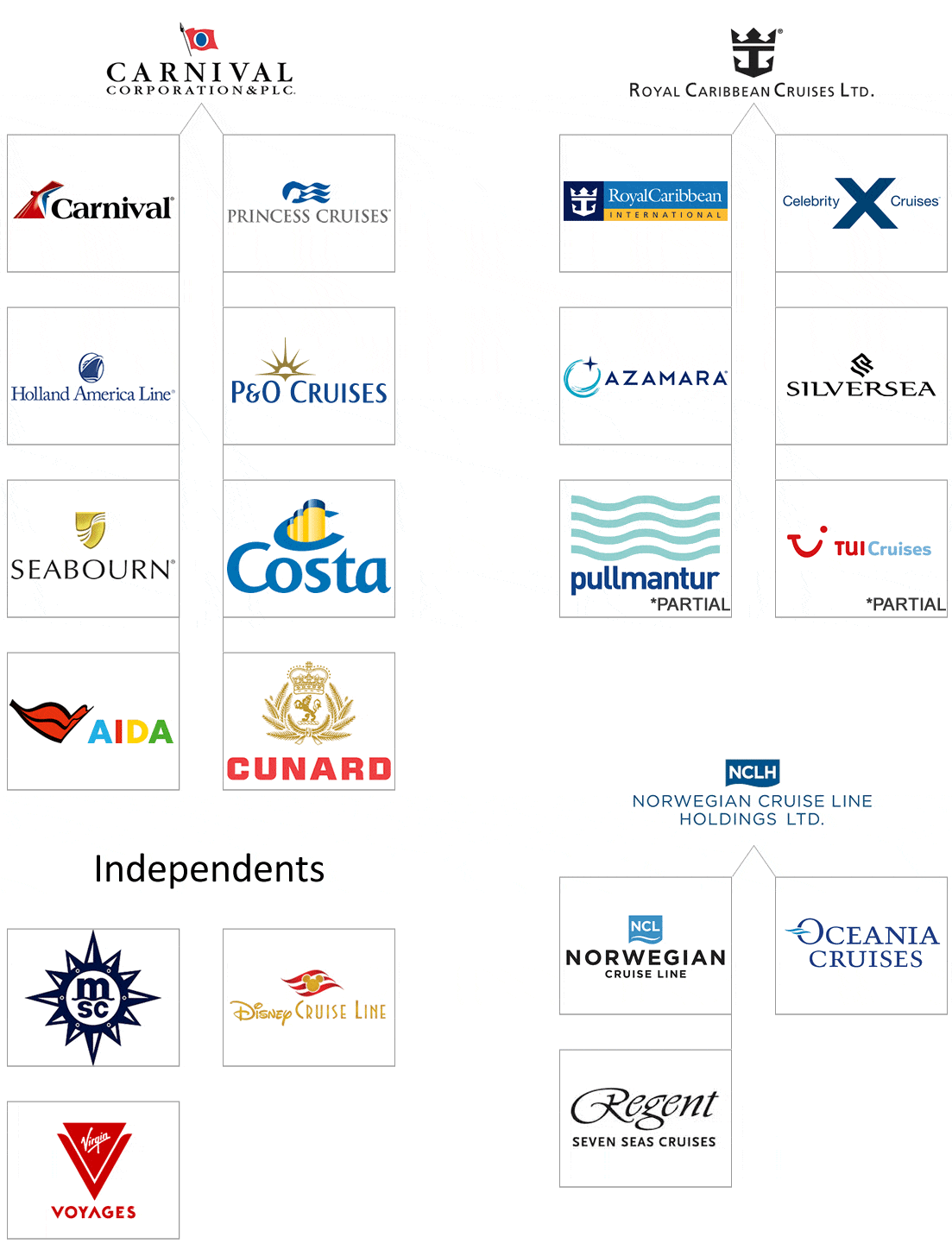
While the brand “Carnival Cruise Line” is the flagship, the parent corporation owns a massive portfolio of other brands. When you own shares in CCL, you aren’t just betting on one brand; you are owning a stake in:
- Princess Cruises
- Holland America Line
- Seabourn
- Cunard
- AIDA Cruises (Germany)
- Costa Cruises (Italy)
- P&O Cruises (UK and Australia)
This diversification is a key financial strategy, allowing the parent company to capture different market segments—from budget-friendly family vacations to ultra-luxury world cruises—across various geographical regions.
The Arison Legacy: The Power Behind the Throne
While Carnival is a publicly traded company, its history and a significant portion of its control are inextricably linked to the Arison family. The story of Carnival’s ownership is, in many ways, the story of the Arison family’s rise to become one of the wealthiest dynasties in the world.
Ted Arison’s Vision
The company was founded in 1972 by Ted Arison. Ted was a pioneer in the modern cruise industry, recognizing that the “middle class” was an untapped market for sea travel. He started Carnival with the Mardi Gras, a ship that famously ran aground on its maiden voyage. Despite this rocky start, Arison’s financial acumen and aggressive marketing transformed the company into a cash-flow machine. By the time he retired, he had built a maritime empire that changed the face of global tourism.
Micky Arison and the Family’s Current Stake
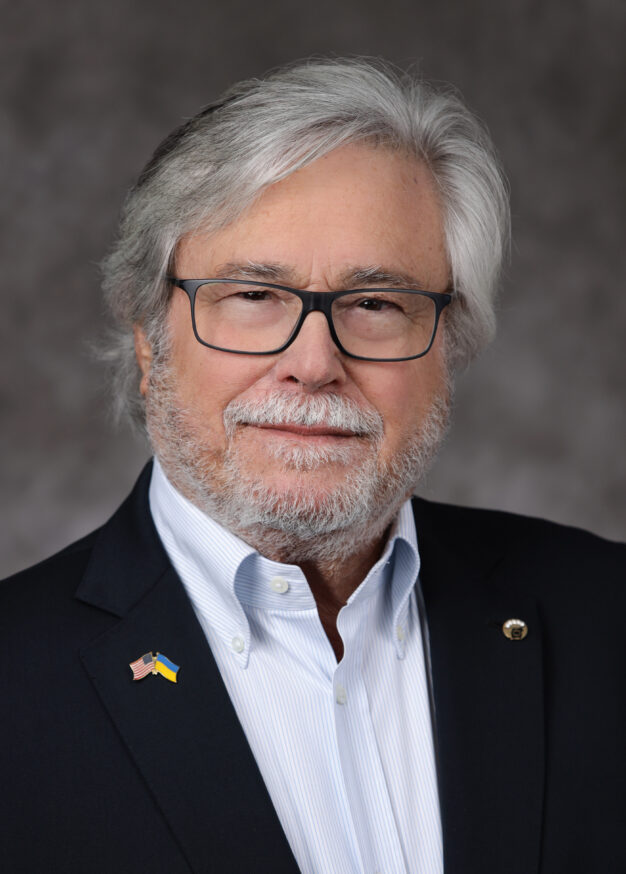
After Ted Arison, his son Micky Arison took the helm as CEO for over three decades and remains the Chairman of the Board. For years, the Arison family held the majority of the company’s shares. Even today, they remain the largest individual shareholders.
From a corporate governance and “Money” perspective, the Arisons’ involvement is crucial. As of recent filings, Micky Arison and family trusts hold a significant double-digit percentage of the total voting power. This gives the family “outsized influence” compared to the average retail investor. For long-term investors, the Arison family’s presence represents a “founder-led” stability, though it also means that the company’s direction is heavily influenced by the family’s personal wealth management strategies.
Institutional Investors and Public Shareholders
Because Carnival is a public company listed on major stock exchanges, a vast portion of its ownership is held by institutional investors. These are the “heavy hitters” of the financial world—pension funds, mutual funds, and hedge funds that manage billions of dollars on behalf of their clients.
Major Institutional Players: Vanguard and BlackRock
If you look at the SEC filings for Carnival Corporation (CCL), the names that appear at the top of the list are often the same giants that dominate the S&P 500. The Vanguard Group and BlackRock, Inc. typically hold the largest institutional stakes.
These firms do not “run” the cruise line in a traditional sense, but they provide the capital liquidity that allows the stock to trade. For an investor, seeing high institutional ownership is often a sign of market confidence. These institutions perform rigorous financial due diligence, analyzing Carnival’s debt-to-equity ratios, fuel cost hedging strategies, and occupancy rates before committing billions in capital.
The Saudi Public Investment Fund (PIF) Entry
A major turning point in the ownership history of Carnival occurred during the global lockdowns of 2020. With the cruise industry at a total standstill and the company facing a liquidity crisis, the Saudi Arabian Public Investment Fund (PIF) made a bold move. They acquired a significant stake in the company (over 8%) when the stock was trading at historic lows.
This was a classic “value investing” play on a massive scale. By injecting confidence (and implicitly signaling a long-term recovery), the PIF became one of the most significant owners of the company. Their entry highlighted the global nature of Carnival’s ownership, moving from a family-owned American business to a globally diversified asset held by sovereign wealth funds.
Financial Performance and Investor Outlook
To understand who owns Carnival is to understand why they own it. Investors are attracted to Carnival because of its dominant market share—it controls nearly 40% of the global cruise market. However, owning Carnival also means managing significant financial risks.
Post-Pandemic Recovery and Debt Management
The most critical “Money” topic regarding Carnival today is its debt load. During the COVID-19 pandemic, Carnival had to take on billions of dollars in high-interest debt to maintain its fleet while generating zero revenue. Consequently, “ownership” of the company is currently shared, in a functional sense, with its creditors.
As Carnival generates record-breaking revenue in the post-pandemic era, a significant portion of that cash flow is directed toward paying down debt rather than distributing dividends to shareholders. For potential owners/investors, the financial health of the company is now a race between rising demand for cruises and the interest rates on their massive corporate bonds.
Why Investors Watch CCL Stock
Investors monitor CCL (the NYSE ticker) as a barometer for the broader “reopening trade” and consumer discretionary spending. When the economy is strong and people feel wealthy, Carnival’s occupancy rates soar. The company’s ownership of its hardware—over 90 massive ships that cost upwards of $1 billion each to build—represents a significant physical asset base. However, these assets also require constant capital expenditure (CapEx) for maintenance and environmental upgrades, making Carnival a capital-intensive business for its owners.

Conclusion: The Future of Carnival’s Ownership
In summary, the ownership of Carnival Cruise Line is a tripartite structure. It is anchored by the Arison family, whose legacy and significant shareholding provide a historical and strategic foundation. It is powered by institutional giants like Vanguard and BlackRock, who provide the market stability and capital necessary for a public company of this scale. Finally, it is increasingly influenced by global sovereign wealth, as seen with the involvement of the Saudi PIF.
For the retail investor or the cruise enthusiast, “owning” a piece of Carnival is as simple as buying a share of CCL stock. However, as this deep dive shows, behind that ticker symbol lies a complex world of international maritime law, dual-listed financial engineering, and a constant balancing act between massive debt and record-breaking revenues. As the industry sails into a more sustainable and technologically advanced future, the owners of Carnival—both the billionaires and the everyday shareholders—will be watching the horizon closely for the next wave of financial growth.
aViewFromTheCave is a participant in the Amazon Services LLC Associates Program, an affiliate advertising program designed to provide a means for sites to earn advertising fees by advertising and linking to Amazon.com. Amazon, the Amazon logo, AmazonSupply, and the AmazonSupply logo are trademarks of Amazon.com, Inc. or its affiliates. As an Amazon Associate we earn affiliate commissions from qualifying purchases.