
The Cash App Card, a debit card linked to a user’s Cash App balance, has emerged as a crucial financial tool for millions, offering a tangible link to digital funds. Understanding “who load Cash App cards” requires exploring not just the mechanics of funding but also the diverse motivations and financial strategies that drive its widespread adoption. From individuals managing daily expenses to those leveraging it for online income, the methods and reasons for loading these cards are as varied as the users themselves, deeply intertwining with personal finance, budgeting, and financial accessibility.
The Multifaceted Methods of Funding Your Cash Card
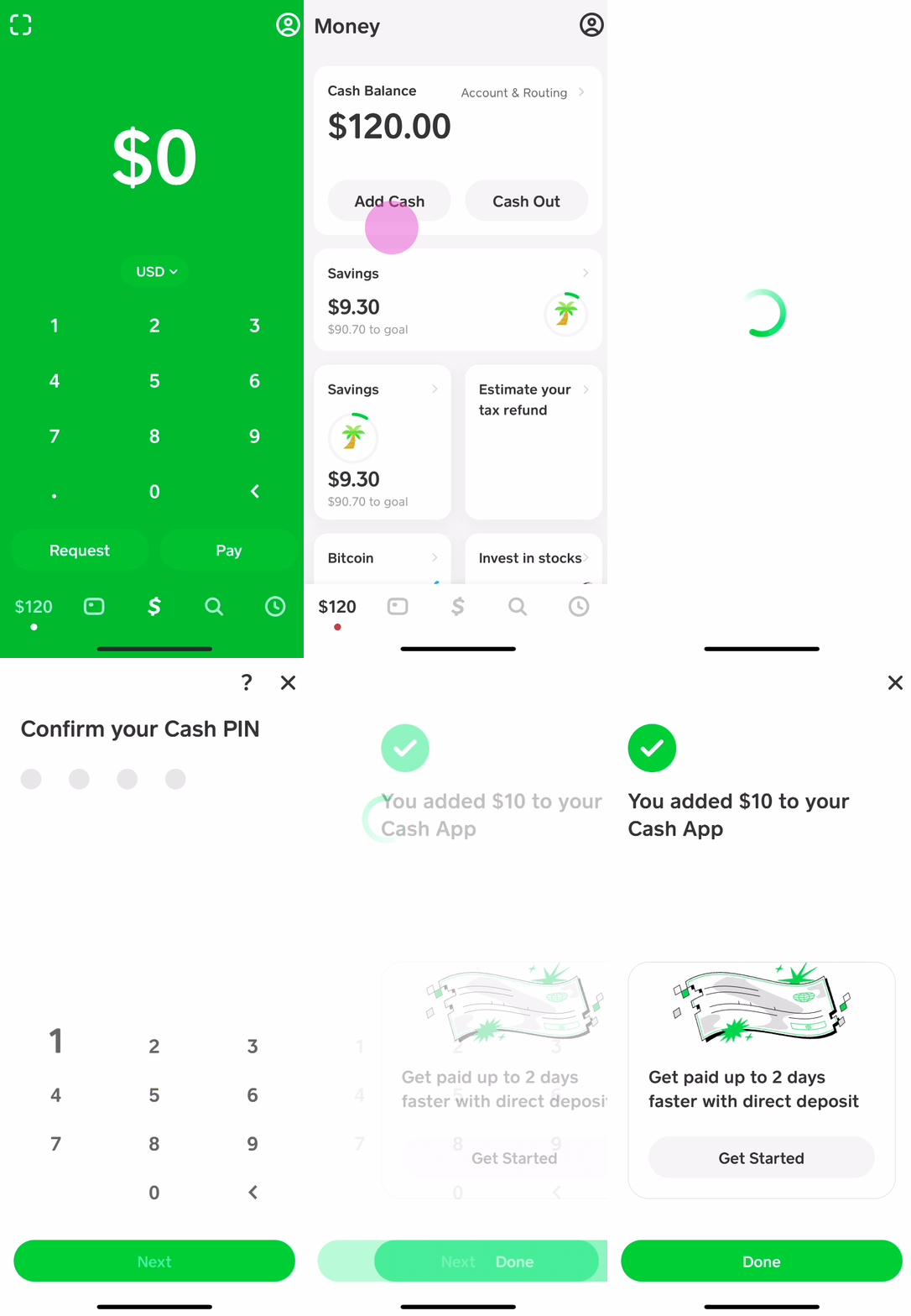
Loading a Cash App Card is a straightforward process, yet the variety of available methods caters to different financial situations and preferences. Each option provides a distinct pathway to ensure funds are readily available for spending, budgeting, and transaction processing.

Direct Deposit and Bank Transfers: The Primary Channels
For many users, setting up direct deposit is the most convenient and consistent way to load their Cash App Card. This method allows employers, government benefit programs, or even gig economy platforms to deposit funds directly into a user’s Cash App account, often appearing faster than traditional bank deposits. This makes Cash App an attractive option for those who rely on quick access to their wages or benefits, or prefer to segregate a portion of their income for specific spending purposes. The routing and account numbers provided by Cash App enable seamless integration with existing payroll systems, positioning the platform as a viable alternative or supplementary banking solution. Beyond regular income, users can also link their external bank accounts or credit unions to Cash App. This allows for direct transfers, pulling funds from a traditional checking or savings account directly into their Cash App balance, providing immediate liquidity when needed for larger purchases or bill payments.
Retail Cash Deposits and Debit Card Transfers: Immediate Solutions
Accessibility is a cornerstone of Cash App’s appeal, especially for individuals who primarily deal in cash or need immediate access to funds without a traditional bank transfer. Cash App allows users to deposit paper money directly onto their card at various participating retail locations, including major pharmacies and convenience stores. This feature is particularly valuable for the underbanked population or those who receive income in cash and wish to digitize it quickly for online purchases or card-based transactions. Furthermore, linking an existing debit card to Cash App offers another layer of convenience. Users can instantly transfer funds from their linked debit card to their Cash App balance, often for a small fee for instant transfers, though standard transfers may be free but take longer. This method is popular for topping up balances on the go, making emergency payments, or ensuring sufficient funds for an upcoming planned expense.
Peer-to-Peer Transfers: Community-Driven Funding
One of Cash App’s foundational features is its robust peer-to-peer (P2P) payment system. This allows users to send and receive money from friends, family, or even customers directly within the app. Many individuals “load” their Cash App Cards indirectly by receiving funds from others. This could be for splitting bills, repaying debts, receiving payment for goods or services, or contributions to a group expense. For freelancers, small businesses, or individuals engaged in the gig economy, receiving payments via Cash App can be a quick and efficient way to collect income, which then becomes available on their Cash Card for immediate use. This interconnected network underscores Cash App’s role as more than just a spending card, but a dynamic financial ecosystem for everyday transactions.
Understanding the Diverse User Base and Their Financial Goals
The act of loading a Cash App Card is rarely arbitrary; it’s often a deliberate choice driven by specific financial objectives. The broad appeal of Cash App stems from its ability to cater to a spectrum of users, each leveraging its features to meet distinct personal finance needs.
Personal Budgeting and Expenditure Control
For a significant segment of users, the Cash App Card serves as an excellent budgeting tool. By loading a specific amount onto the card for discretionary spending, groceries, or entertainment, users can effectively cordon off funds from their main bank accounts. This strategy helps prevent overspending and provides a clear visual of remaining funds for a particular budget category. It fosters a disciplined approach to managing finances, allowing individuals to track their expenditures closely and adhere to pre-set limits. Moreover, the ease of loading small, specific amounts as needed prevents the temptation of accessing larger sums from a primary bank account, promoting mindful spending habits. This financial isolation method is powerful for maintaining control over variable expenses.
Facilitating Online Income, Side Hustles, and Freelance Payouts

The rise of the gig economy and online entrepreneurship has found a natural partner in Cash App. Freelancers, content creators, independent contractors, and individuals with side hustles frequently use Cash App to receive payments from clients or platforms. The ability to quickly and easily receive funds, which are then accessible via the Cash App Card, streamlines their financial operations. Instead of waiting for traditional bank transfers or navigating complex payment portals, funds can be received in real-time, converted into spendable balance, and used for business expenses or personal needs. This accessibility reduces friction in payment collection, empowering individuals to manage their earned income with greater agility and less administrative overhead, thus supporting their pursuit of online income streams.
Bridging the Gap for the Underbanked and Financially Flexible
A substantial number of Cash App users fall into the category of the underbanked or unbanked—individuals who may not have access to traditional banking services or prefer alternative financial solutions. For them, the Cash App Card offers a vital bridge to the digital economy. It enables them to receive direct deposits, cash checks, make online purchases, and pay bills without needing a traditional bank account. The ability to load cash at retail locations further solidifies its role for this demographic, providing a pathway to digitize physical currency. This financial inclusivity is a powerful driver for adoption, offering a user-friendly and accessible platform that grants financial flexibility and participation in a cashless society.
Strategic Financial Management with Cash App
Beyond simply holding and spending money, savvy users integrate Cash App into a broader financial strategy, optimizing its features for maximum benefit and understanding its limitations. This involves a keen awareness of associated costs, benefits, and how it fits into a comprehensive financial plan.
Navigating Fees, Limits, and Maximizing ‘Boosts’
While many Cash App features are free, understanding potential fees is crucial for strategic use. Instant transfers from linked debit cards often incur a small fee, and cashing out funds to an external bank instantly also carries a charge. Similarly, there are daily, weekly, and monthly limits on sending, receiving, and withdrawing funds, which users need to be aware of, especially those managing larger transactions or incomes. Conversely, Cash App offers ‘Boosts,’ a highly engaging feature providing instant discounts at specific merchants when using the Cash Card. Strategically activating and utilizing these boosts can lead to significant savings on everyday purchases, from coffee to groceries. Astute users actively monitor available boosts and plan their spending accordingly to maximize these immediate financial benefits, transforming the Cash Card into a savings tool as much as a spending one.
Integrating Cash App into a Broader Personal Finance Ecosystem
For many, Cash App is not a standalone financial solution but rather an integrated component of their overall personal finance ecosystem. It can function as a dedicated budget for specific spending categories, a quick savings fund for short-term goals, or a convenient platform for peer-to-peer transactions that don’t need to clutter a main bank statement. Users might load their Cash Card with a set amount each month for entertainment, keeping it separate from household bills managed by their primary bank. Others might use it to manage a specific side hustle’s income and expenses, thereby creating a clear financial separation from personal funds. By understanding its strengths—speed, ease of use for small transactions, and P2P capabilities—users can strategically position Cash App to complement their existing banking, budgeting software, and investment portfolios, creating a more cohesive and efficient financial landscape.
Safeguarding Your Funds: Best Practices for Loading and Using Cash App
While the convenience of loading and using Cash App Cards is undeniable, exercising vigilance and adhering to security best practices is paramount to protect your funds and personal information. Diligence in managing your account can prevent common pitfalls and potential financial loss.
Account Security and Identity Verification
The first line of defense in safeguarding your Cash App funds lies in robust account security. Always use a strong, unique password for your Cash App account and enable two-factor authentication (2FA) if available. This adds an extra layer of protection, requiring a code from your phone in addition to your password, making it significantly harder for unauthorized individuals to access your account. Furthermore, Cash App requires identity verification for full access to its features, including higher sending and receiving limits. Completing this process, which typically involves providing your full legal name, date of birth, and the last four digits of your Social Security Number, not only unlocks more functionality but also strengthens the security of your account by linking it firmly to your identity, making it easier to recover if compromised.
Recognizing and Avoiding Common Financial Scams
Unfortunately, the popularity of financial apps like Cash App also makes them targets for scammers. Users loading their Cash App Cards must be acutely aware of common scams. These often involve phishing attempts via email or text messages impersonating Cash App support, promising fake giveaways or requiring personal information to “verify” an account. Another prevalent scam involves requesting money for a supposed emergency, a fake prize, or an investment opportunity with guaranteed returns. Always be suspicious of unsolicited requests for money or personal details. Never send money to someone you don’t know and trust, especially if they pressure you for immediate action or promise something too good to be true. Remember that legitimate Cash App support will never ask for your PIN, sign-in code, or full debit card number. Verifying the legitimacy of senders and recipients before initiating or accepting transfers is a critical financial habit to cultivate.
aViewFromTheCave is a participant in the Amazon Services LLC Associates Program, an affiliate advertising program designed to provide a means for sites to earn advertising fees by advertising and linking to Amazon.com. Amazon, the Amazon logo, AmazonSupply, and the AmazonSupply logo are trademarks of Amazon.com, Inc. or its affiliates. As an Amazon Associate we earn affiliate commissions from qualifying purchases.