
The question “who is the owner of Wells Fargo Bank?” is a common one, often rooted in a misunderstanding of how large, publicly traded corporations operate. Unlike a small, privately held business owned by an individual or family, a financial behemoth like Wells Fargo & Company does not have a single “owner.” Instead, its ownership is distributed among millions of shareholders who collectively hold stakes in the institution. Understanding this fundamental aspect of corporate finance is crucial for anyone looking to comprehend the dynamics of major financial entities and the broader investment landscape.
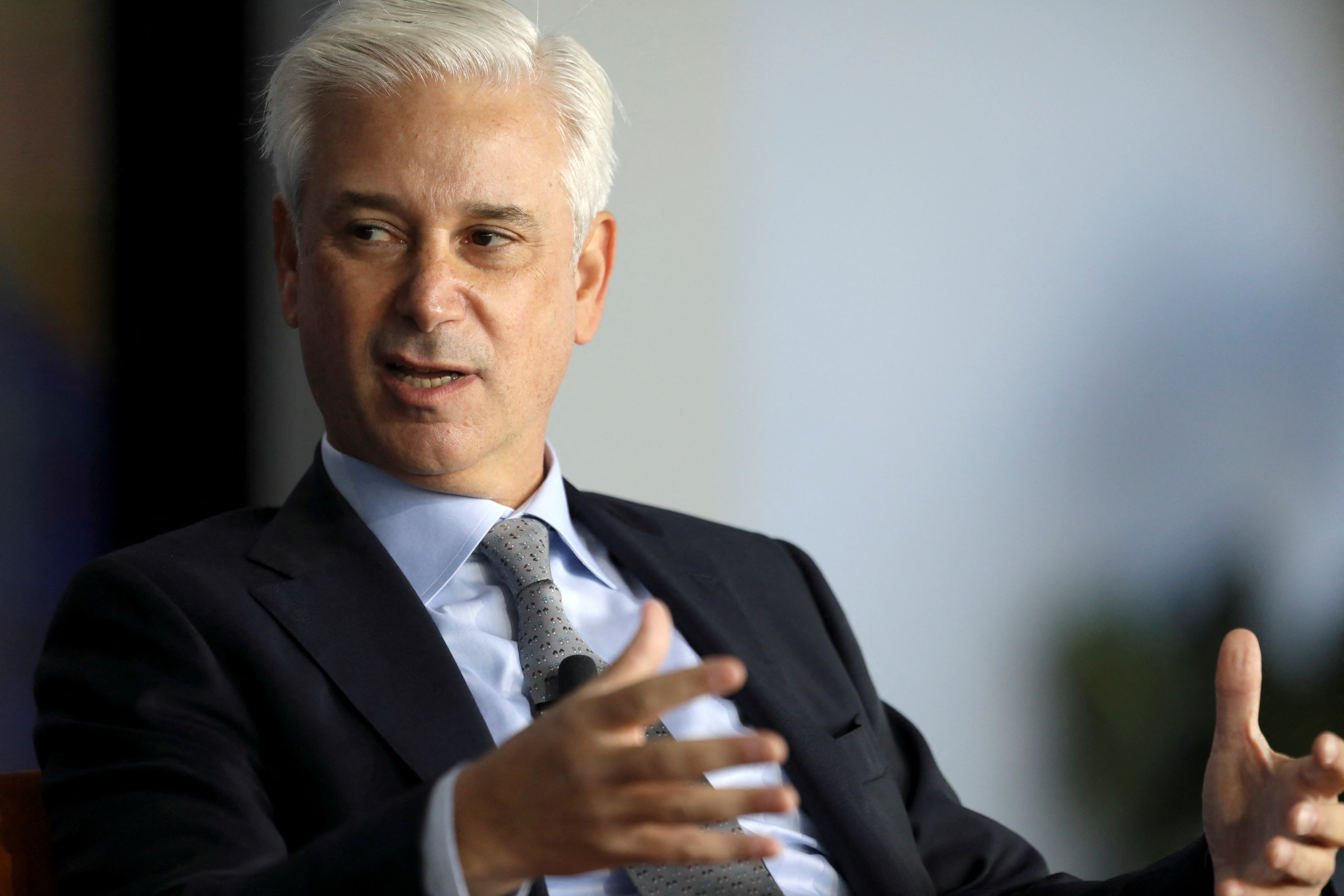
Wells Fargo, like many of its peers in the banking sector, is a publicly traded company listed on the New York Stock Exchange (NYSE) under the ticker symbol WFC. This means its shares are bought and sold by investors in the open market. Each share represents a small fraction of ownership in the company. Therefore, the “owners” of Wells Fargo are its shareholders, a diverse group ranging from large institutional investors to individual retail investors, and even its own employees. This distributed ownership model has profound implications for the bank’s governance, strategic direction, and financial performance, aligning its objectives with the collective interests of those who have invested their capital.
The Publicly Traded Reality: Demystifying Bank Ownership
To truly grasp who “owns” Wells Fargo, one must first understand the concept of a publicly traded company. This corporate structure is distinct from private ownership and is central to modern capitalism, allowing companies to raise vast amounts of capital by selling equity to the public.
What Does “Publicly Traded” Truly Mean?
A publicly traded company is a corporation whose shares are traded on a stock exchange or in the over-the-counter market. When a company “goes public” through an Initial Public Offering (IPO), it sells portions of its ownership (shares) to investors. These investors then become shareholders, and their ownership interest is proportional to the number of shares they hold. For Wells Fargo, this means that millions of shares are in circulation, each representing a claim on the company’s assets and earnings.
This structure allows companies to access capital for growth, expansion, and other strategic initiatives without relying solely on debt financing. For investors, it offers an opportunity to participate in the company’s success, benefiting from potential stock price appreciation and dividends. The liquidity provided by public markets means investors can easily buy or sell their shares, making it an attractive investment vehicle. However, it also subjects the company to rigorous regulatory oversight, public scrutiny, and the constant pressure of market expectations and shareholder demands. This transparency and accountability are fundamental to maintaining investor confidence and the integrity of financial markets.
Dispelling the Myth of a Single Owner
The idea of a single individual or family owning a colossal institution like Wells Fargo is a romanticized notion more suited to early industrial capitalism or small family businesses. Modern financial institutions operate on a scale that precludes such singular ownership. The capital required to fund a bank of Wells Fargo’s size – with its vast branch network, diverse financial services, immense asset base, and global operations – far exceeds what any single entity could typically provide.
Furthermore, regulatory frameworks in the banking sector, particularly in the United States, are designed to prevent excessive concentration of ownership in financial institutions. These rules are in place to ensure stability, prevent market manipulation, and mitigate systemic risks. For instance, the Federal Reserve and other banking regulators closely monitor substantial ownership stakes. Therefore, even if an individual or group acquired a very large percentage of Wells Fargo’s shares, they would still operate within a framework of shared ownership and governance, accountable to a broader base of shareholders and regulatory bodies. The true “owner” is the collective body of all shareholders, each contributing a piece to the overall capital structure.
The Shareholder Tapestry: A Diverse Ownership Landscape
The ownership of Wells Fargo is not monolithic; it’s a complex tapestry woven from contributions by various types of investors, each with different motivations, investment horizons, and levels of influence. This diversity is a hallmark of large, publicly traded companies.
Institutional Giants: The Major Players
The largest portion of Wells Fargo’s shares is typically held by institutional investors. These are professional organizations that invest on behalf of their clients or members. Key categories include:
- Mutual Funds and Exchange-Traded Funds (ETFs): These investment vehicles pool money from numerous investors to buy a diversified portfolio of stocks. Major fund managers like Vanguard, BlackRock, and State Street Global Advisors often hold substantial blocks of Wells Fargo shares across their various funds. For individual investors, buying shares of a mutual fund or ETF that includes Wells Fargo is an indirect way of owning a piece of the bank.
- Pension Funds: Public and private pension funds manage retirement savings for employees. They often invest in stable, dividend-paying companies like Wells Fargo to generate long-term returns for their beneficiaries.
- Hedge Funds: These are aggressive investment funds that use various strategies to generate high returns. While they might hold large positions, their stakes can be more volatile as they actively trade in and out of positions.
- Insurance Companies: Insurers invest their policyholders’ premiums in a variety of assets, including stocks, to ensure they can meet future claims. Large banks are often attractive investments for their long-term stability and dividend yield.
These institutional investors wield significant influence due to the sheer volume of shares they control. Their investment decisions can move stock prices, and their votes on corporate governance matters, such as electing board members or approving mergers, carry substantial weight. They often engage directly with company management on strategic issues, environmental, social, and governance (ESG) factors, and financial performance.
The Power of Individual Investors
While institutional investors dominate in terms of sheer volume, individual retail investors collectively represent a significant portion of Wells Fargo’s ownership. These are everyday people who buy shares through brokerage accounts, often for long-term growth, dividend income, or as part of a diversified retirement portfolio.
Individual investors, despite holding smaller stakes individually, contribute to the company’s overall market capitalization and liquidity. Their collective sentiment can also impact stock performance. While they may not have the direct negotiating power of a large institution, their votes are crucial in shareholder meetings, and activist individual investors can sometimes coalesce to advocate for specific changes or express dissatisfaction with management decisions. The ease of access to public markets through online brokerages has democratized stock ownership, allowing more individuals to become fractional owners of companies like Wells Fargo.
Employee Stock Ownership and Insider Stakes
A notable aspect of corporate ownership is the stake held by employees and company insiders. Wells Fargo, like many large corporations, offers various forms of employee stock ownership programs (ESOPs), stock options, and restricted stock units as part of executive and employee compensation packages.
- Employee Stock Ownership Plans (ESOPs): These plans allow employees to acquire company stock, fostering a sense of ownership and aligning employee interests with shareholder interests.
- Executive Compensation: Senior executives and members of the Board of Directors typically receive a significant portion of their compensation in the form of company stock or stock options. This directly links their personal financial success to the performance of the company, incentivizing them to make decisions that enhance shareholder value.
- Insider Holdings: While regulations require disclosure of insider holdings, these individuals (executives, directors) often hold a notable, albeit usually small relative to institutional holdings, percentage of the company’s shares. Their buying and selling activity is closely watched by the market for signals about the company’s health and future prospects. This “insider stake” reinforces the idea that those leading the company are also investors in its success.
Governance and Oversight: Guiding the Financial Colossus
With millions of owners, the question then shifts to how the company is managed and directed. This falls under the purview of corporate governance, a critical framework that ensures the bank operates effectively, ethically, and in the best interests of its diverse shareholder base.
The Board of Directors: Fiduciaries of Shareholder Value
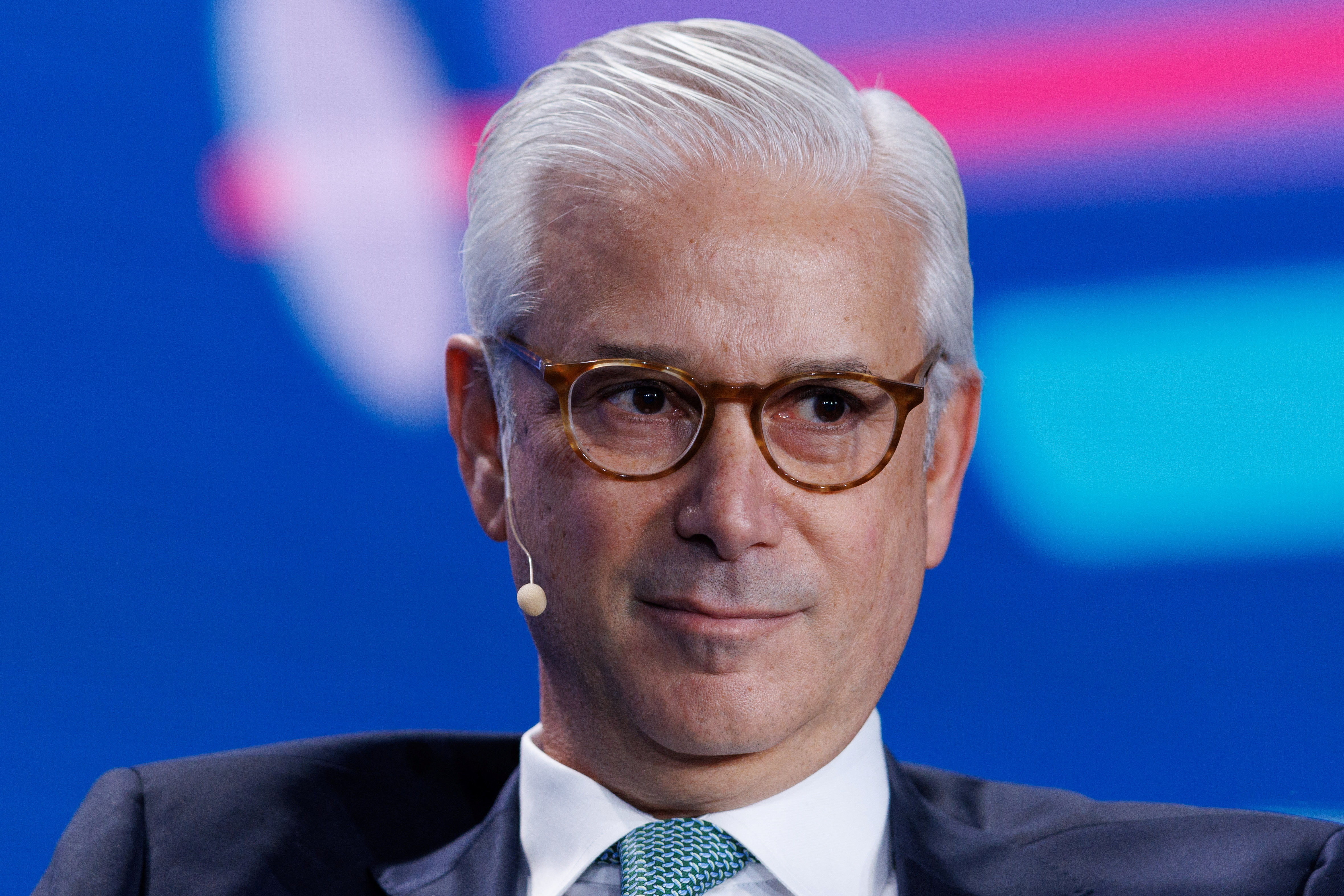
At the apex of Wells Fargo’s governance structure is its Board of Directors. This group of individuals, elected by shareholders, is responsible for overseeing the company’s management and strategic direction. Their primary fiduciary duty is to act in the best long-term interests of the shareholders.
The board typically comprises a mix of independent directors (who have no direct ties to the company’s management) and inside directors (who are often senior executives, like the CEO). Key responsibilities of the board include:
- Strategic Planning: Approving the company’s long-term strategy and ensuring it aligns with shareholder value creation.
- Risk Management: Overseeing the bank’s risk appetite and internal controls, especially critical in the highly regulated financial sector.
- CEO Selection and Oversight: Hiring, evaluating, and compensating the Chief Executive Officer, and ensuring effective succession planning.
- Financial Reporting: Ensuring the integrity of financial statements and compliance with accounting standards.
- Shareholder Relations: Addressing shareholder concerns and ensuring transparent communication.
The composition and effectiveness of the Board are paramount for investor confidence and the overall health of the institution. Recent controversies at Wells Fargo, for example, have often led to significant changes in board composition and heightened scrutiny of their oversight capabilities.
Executive Leadership: Navigating Daily Operations
While the Board sets the strategic direction, the day-to-day operations of Wells Fargo are managed by its executive leadership team, headed by the Chief Executive Officer (CEO). This team is responsible for executing the strategy approved by the board, managing the company’s vast workforce, overseeing its various business lines (retail banking, corporate banking, investment banking, wealth management), and navigating the competitive landscape.
The executive team implements policies, makes operational decisions, manages financial performance, and ensures regulatory compliance. Their performance is closely tied to the company’s profitability and market share, which in turn directly impacts shareholder value. The CEO, in particular, acts as the primary interface between the board and the operating units, translating strategic vision into actionable plans and reporting performance back to the board and, ultimately, to shareholders.
Regulatory Bodies: Safeguarding the Financial System
Beyond the internal governance structure, Wells Fargo operates within a dense web of external regulatory oversight. Given its systemic importance to the U.S. and global financial systems, numerous governmental agencies play a crucial role in safeguarding its operations and ensuring its stability. These bodies act as an additional layer of oversight, protecting not just shareholders but also depositors, consumers, and the broader economy.
Key regulatory bodies include:
- The Federal Reserve: As a systemically important bank, Wells Fargo is supervised by the Federal Reserve, which sets capital requirements, conducts stress tests, and monitors financial stability.
- The Office of the Comptroller of the Currency (OCC): The OCC charters, regulates, and supervises all national banks and federal savings associations, ensuring they operate in a safe and sound manner, provide fair access to financial services, and comply with applicable laws and regulations.
- The Consumer Financial Protection Bureau (CFPB): This agency protects consumers in the financial marketplace, investigating and enforcing against unfair, deceptive, or abusive practices.
- The Securities and Exchange Commission (SEC): As a publicly traded company, Wells Fargo is subject to SEC regulations regarding disclosure, financial reporting, and investor protection.
These regulators impose strict rules on capital adequacy, lending practices, consumer protection, and corporate conduct. They have the authority to levy significant fines, impose restrictions, and demand changes in management or operational practices, as seen in the wake of various scandals involving Wells Fargo. This external oversight ensures that the bank’s operations not only serve its shareholders but also adhere to public interest standards and maintain confidence in the financial system.
Historical Evolution and Its Impact on Ownership
Understanding the current ownership structure of Wells Fargo is incomplete without a brief look at its rich and complex history. The bank’s journey from a stagecoach express company to a modern financial services giant has involved numerous transformations, each impacting its capital structure and shareholder base.
From Founding Vision to Modern Corporation
Wells Fargo was founded in 1852 by Henry Wells and William Fargo, initially providing banking and express services during the California Gold Rush. In its early days, it would have been owned by its founders and a relatively small group of private investors. As the company grew, it would have required more capital, leading to the gradual expansion of its ownership base. The transition from a privately held entity to a publicly traded corporation, whenever it occurred in its long history, was a pivotal moment, transforming its ownership from a select few to a multitude of shareholders. This shift allowed it to scale operations, acquire other businesses, and expand its geographical reach dramatically, fueled by public capital.
Mergers and Acquisitions: Shaping the Ownership Structure
Wells Fargo’s modern identity and its vast shareholder base are largely a result of a series of significant mergers and acquisitions (M&A) over decades. Each major merger typically involved an exchange of stock, where shareholders of the acquired company received shares in the acquiring entity, thus diversifying and expanding the combined shareholder base.
Some of the most impactful mergers include:
- The 1998 Merger with Norwest Corporation: This was a reverse merger where Norwest, though smaller, acquired Wells Fargo and adopted the more recognizable Wells Fargo name. This created a much larger entity with a combined shareholder base.
- The 2008 Acquisition of Wachovia: In the midst of the 2008 financial crisis, Wells Fargo acquired Wachovia, significantly expanding its presence on the East Coast and making it one of the largest banks in the United States. This acquisition brought in Wachovia’s shareholders into the Wells Fargo ownership fold.
These M&A activities dramatically reshaped the bank’s geographical footprint, service offerings, and, crucially, its shareholder composition. Each merger added new institutional and individual investors to the Wells Fargo ownership structure, contributing to the diverse tapestry of shareholders seen today. This continuous evolution through capital market activities is a defining characteristic of major financial institutions.
Implications of Shareholder Ownership for Wells Fargo
The distributed ownership model of Wells Fargo has pervasive implications for its operational strategies, financial decisions, and corporate responsibility. Understanding these implications is key to appreciating how a major bank functions in a market-driven economy.
Prioritizing Shareholder Returns
As a publicly traded company, a core objective of Wells Fargo’s management and Board of Directors is to maximize shareholder value. This manifests in several ways:
- Profitability: The bank strives for strong financial performance, which translates into higher earnings per share.
- Stock Performance: Management aims to grow the stock price over time, through both operational excellence and effective capital management.
- Dividends and Share Buybacks: Wells Fargo regularly pays dividends to shareholders and often engages in share buyback programs, both of which return capital directly to investors. These actions are highly scrutinized by investors and analysts as indicators of financial health and management’s commitment to shareholder value.
- Efficient Capital Allocation: Decisions about where to invest capital – whether in new technology, market expansion, or specific business lines – are made with an eye toward generating the best possible return for shareholders.
This relentless focus on shareholder returns can sometimes create tensions, particularly when it comes to balancing short-term profits against long-term sustainability, customer interests, or broader societal impacts. The challenges Wells Fargo has faced with sales practices, for instance, were often attributed to aggressive internal goals that incentivized behavior detrimental to customer trust but potentially boosting short-term metrics.

Accountability and Corporate Responsibility
The dispersed nature of shareholder ownership means that Wells Fargo is accountable to a broad range of stakeholders, most prominently its investors. This accountability is enforced through several mechanisms:
- Shareholder Meetings: Annual meetings allow shareholders to vote on critical issues, including the election of directors, executive compensation, and other corporate proposals.
- Financial Disclosures: Publicly traded companies are required to regularly disclose detailed financial information, allowing shareholders and the public to monitor their performance and health.
- Activist Investors: Shareholder activism, where investors take significant stakes and push for specific changes in strategy, governance, or operations, is a powerful force. Activist investors can pressure management to sell assets, change leadership, or alter dividend policies, holding the company accountable for perceived underperformance or mismanagement.
Beyond financial accountability, there’s a growing emphasis on corporate social responsibility (CSR) and Environmental, Social, and Governance (ESG) factors. Institutional investors, in particular, are increasingly scrutinizing companies like Wells Fargo on their climate policies, diversity and inclusion efforts, ethical conduct, and community engagement. This pressure from the ownership base is pushing banks to integrate these non-financial considerations into their strategic decision-making, recognizing that long-term shareholder value is often intertwined with responsible corporate citizenship.
In conclusion, the ownership of Wells Fargo Bank is not a simple matter of identifying a single individual or family. It is a complex, dynamic ecosystem of millions of shareholders – from giant institutional funds to individual retail investors – who collectively own the company. This publicly traded structure, supported by a robust governance framework and extensive regulatory oversight, dictates how Wells Fargo operates, making it accountable to its diverse investor base while striving to generate returns and maintain stability within the broader financial system.
aViewFromTheCave is a participant in the Amazon Services LLC Associates Program, an affiliate advertising program designed to provide a means for sites to earn advertising fees by advertising and linking to Amazon.com. Amazon, the Amazon logo, AmazonSupply, and the AmazonSupply logo are trademarks of Amazon.com, Inc. or its affiliates. As an Amazon Associate we earn affiliate commissions from qualifying purchases.