
In the dynamic world of technology, Intel has long stood as a titan, a household name synonymous with processors that power everything from personal computers to vast data centers. Given its immense market presence and historical significance, a common question arises: “Who is the owner of Intel company?” This query, while seemingly straightforward, unravels into a fascinating exploration of modern corporate finance, highlighting the intricate tapestry of ownership in a publicly traded entity. Unlike a private business with a single proprietor or a small group of partners, Intel Corporation’s ownership is a complex, distributed network spanning millions of individuals and institutions worldwide. From the perspective of financial markets, understanding this ownership structure is crucial for investors, analysts, and anyone interested in the levers of corporate power and value creation. There isn’t a single individual or entity that “owns” Intel in the traditional sense; rather, ownership is fragmented across a vast array of shareholders who collectively hold equity in the company. This article will delve into the financial mechanics of Intel’s ownership, dissecting the roles of various investor types and how their collective stakes drive the company’s financial destiny and strategic direction.

The Publicly Traded Paradigm: Dispersed Ownership in a Tech Giant
Intel Corporation is a publicly traded company, listed on the NASDAQ stock exchange under the ticker symbol INTC. This fundamental fact immediately reframes the question of ownership from identifying a single individual to understanding the collective equity held by shareholders. Public ownership represents a democratic form of capital accumulation, allowing a vast number of investors to participate in the company’s success (or challenges) by purchasing shares. Each share represents a fractional claim on the company’s assets and earnings, along with voting rights that influence corporate governance.
Understanding Public Ownership: Beyond a Single Proprietor
The concept of a publicly traded company means that its stock is bought and sold on open markets. Instead of a founder or a small group retaining full control, ownership is distributed among thousands, if not millions, of shareholders. This dispersion of ownership serves several vital financial functions. It provides companies like Intel with access to substantial capital for growth, research and development, and operational expansion through initial public offerings (IPOs) and subsequent stock sales. For investors, it offers liquidity, meaning they can easily buy or sell their shares, and the potential for capital appreciation and dividend income. From a financial perspective, no single entity “owns” Intel outright; rather, its ownership is continuously shifting as shares are traded on the stock market, reflecting the collective valuation and sentiment of investors worldwide.
The Mechanics of Stock Ownership: Shares and Capitalization
At its core, Intel’s ownership is defined by its outstanding shares of common stock. Each share represents a unit of ownership, and the total number of shares multiplied by the current stock price gives us the company’s market capitalization – a key financial metric reflecting its total market value. As of the latest financial reports, Intel has billions of outstanding shares, each held by various investors. These investors, regardless of the size of their stake, are the true “owners” of the company. Their combined capital fuels Intel’s operations, and in return, they expect financial returns through share price appreciation and potential dividend payments. The aggregate value of these shares fluctuating daily on the exchange provides a real-time appraisal of Intel’s worth in the eyes of the financial market.
Implications for Corporate Governance and Financial Strategy
The dispersed nature of ownership has profound implications for Intel’s corporate governance and financial strategy. While no single entity dictates every move, the Board of Directors, elected by shareholders, is tasked with overseeing the company’s management and ensuring that decisions are made in the best interest of all shareholders. This fiduciary duty is paramount in finance, compelling the board to prioritize strategies that maximize shareholder value – whether through profitable innovation, efficient cost management, or judicious capital allocation (e.g., dividends, share buybacks). This structure also introduces accountability; if management fails to deliver financial performance, shareholders can exert pressure through voting rights or by divesting their shares, impacting the company’s stock price and market valuation.
The Architects of Capital: Major Institutional Investors
While millions of individuals hold Intel stock, a significant portion of its ownership is concentrated in the hands of large institutional investors. These are professional organizations that manage vast pools of capital on behalf of their clients, ranging from mutual funds and pension funds to hedge funds and endowments. Their substantial holdings grant them considerable influence over corporate decisions and play a crucial role in shaping Intel’s financial trajectory.
The Dominant Players: Vanguard, BlackRock, and State Street
Financial disclosures consistently show that behemoths like The Vanguard Group, BlackRock Inc., and State Street Corporation are among the largest institutional shareholders of Intel. These firms manage trillions of dollars in assets, often holding diversified portfolios that include significant stakes in leading companies across various sectors. For example, through their passively managed index funds and actively managed funds, they might collectively own anywhere from 5% to 15% or more of Intel’s outstanding shares. Their investment philosophy often hinges on long-term growth and stable returns, reflecting the interests of the countless individuals whose savings they manage. Their presence as major shareholders provides stability but also means they have the financial weight to advocate for certain governance practices or strategic shifts that they believe will enhance shareholder value.
The Power of Collective Investment: Influence on Shareholder Value
The collective power of these institutional investors cannot be overstated in a financial context. While they rarely seek direct operational control, their massive voting blocs can significantly influence proxy votes on matters such as board elections, executive compensation packages, and major corporate actions like mergers or divestitures. Their engagement, often behind the scenes, can steer management towards decisions that prioritize financial performance, sustainability, and good governance, all of which directly impact shareholder value. They act as sophisticated financial stewards, monitoring company performance and engaging with management to ensure that their investment, and by extension their clients’ investments, are protected and grown. Their investment decisions, whether to buy, hold, or sell Intel shares, can also send strong signals to the broader market, affecting the stock price and overall valuation.
Tracking Institutional Portfolios: A Window into Market Sentiment
For individual investors and market analysts, tracking the quarterly filings (e.g., 13F reports in the U.S.) of these major institutional investors offers valuable insights into market sentiment and investment trends. When a significant institution increases or decreases its stake in Intel, it can suggest a professional opinion on the company’s future financial prospects. This data is a critical tool for understanding where “smart money” is flowing, informing investment strategies and contributing to the overall financial narrative surrounding Intel. Analyzing these movements helps discern patterns of confidence or concern among the most influential financial players, providing a barometer for the investment community.
The Voice of the Crowd: Retail Investors and Employee Stakes
Beyond the institutional giants, millions of individual investors, often referred to as retail investors, also constitute a vital segment of Intel’s ownership. These are everyday people who invest their personal savings, retirement funds, or disposable income into the stock market. Furthermore, Intel employees themselves often hold a vested interest through specific financial programs.
Democratizing Investment: Individual Shareholders and Their Role
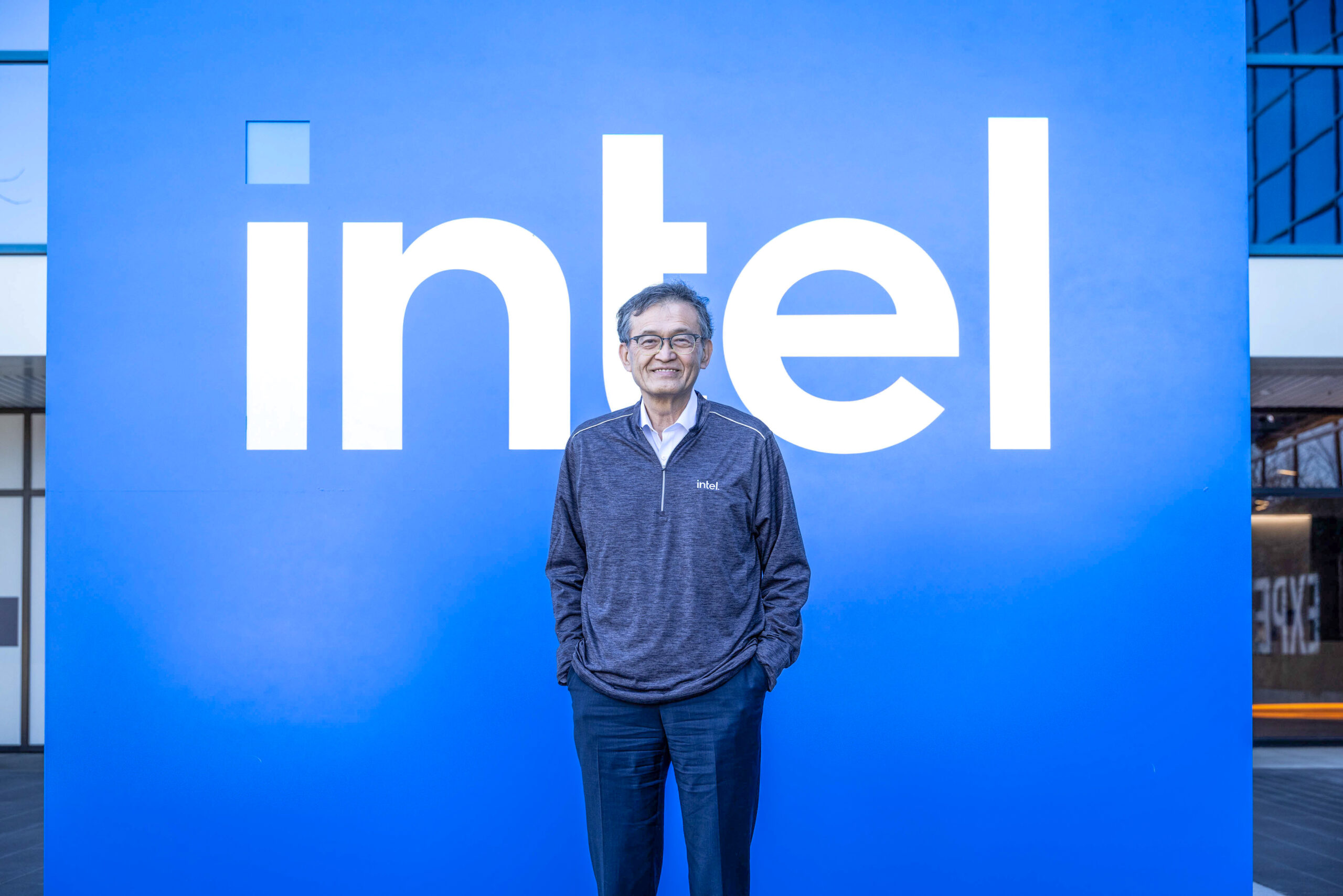
Retail investors collectively represent a substantial portion of Intel’s shareholder base. While their individual stakes might be relatively small compared to a mutual fund, their sheer number ensures that their combined capital forms a significant part of the company’s equity. With the rise of online brokerage platforms and commission-free trading, investing in companies like Intel has become more accessible than ever, democratizing ownership. These individuals often invest for various financial goals, from long-term wealth accumulation and retirement planning to seeking short-term capital gains. Their aggregate buying and selling activity contributes significantly to market liquidity and can influence short-term price movements, reflecting broader public confidence in Intel’s financial outlook and its position in the tech market.
Employee Stock Ownership Plans (ESOPs): Aligning Interests and Incentives
Intel, like many leading corporations, utilizes employee stock ownership plans (ESOPs) and stock option programs as a means to attract, retain, and incentivize its workforce. These programs allow employees to acquire company stock, often at a discounted rate or as part of their compensation package. From a financial perspective, ESOPs align the interests of employees with those of external shareholders. When employees own a piece of the company, they are more directly motivated to contribute to its financial success, as their personal wealth is tied to the company’s stock performance. This creates a powerful internal incentive structure, fostering a culture of shared responsibility for financial outcomes and reinforcing the notion that employees are also “owners” in a very real sense.
The Aggregate Impact: Small Stakes, Significant Momentum
The collective impact of retail investors and employee shareholders, while less direct in corporate governance than institutional investors, is nonetheless significant. Their sustained belief in Intel’s long-term financial viability contributes to the company’s stable demand for its stock. Moreover, their engagement through proxy voting, though often dispersed, still forms part of the overall shareholder voice. When considering the financial landscape of Intel’s ownership, it’s crucial to acknowledge that the sum of countless small investments contributes substantially to the company’s market capitalization and liquidity, playing a quiet yet powerful role in its financial momentum.
The Boardroom and Beyond: Navigating Corporate Stewardship
While shareholders are the ultimate owners of Intel, they delegate the daily management and strategic oversight to the Board of Directors and the executive leadership team. This structure is a cornerstone of corporate finance, ensuring professional management while maintaining accountability to the investing public.
Fiduciary Duty: Protecting Shareholder Wealth
The Board of Directors, typically comprising a mix of independent directors and executive management, holds a fundamental fiduciary duty to Intel’s shareholders. This legal and ethical obligation requires them to act in the best financial interests of the company and its owners. This includes making sound strategic decisions, overseeing financial reporting, managing risks, and ensuring the long-term viability and profitability of the company. Every major decision, from capital expenditure projects to mergers and acquisitions, is scrutinized through the lens of how it will impact shareholder wealth and the company’s financial health. The board’s stewardship is crucial for maintaining investor confidence and sustaining the company’s valuation.
Executive Compensation: Incentives Aligned with Investor Returns
A key aspect of corporate governance that directly impacts shareholder interests is executive compensation. Intel, like other large public companies, links a significant portion of its executive pay to performance metrics such as stock price appreciation, revenue growth, and profitability. This financial alignment is designed to motivate executives to make decisions that enhance shareholder returns. By tying bonuses, stock options, and restricted stock units to financial benchmarks, the company ensures that its leadership team has a direct financial incentive to drive the company’s success, thereby benefiting all owners. This carefully constructed incentive system is a critical financial tool for ensuring management accountability to the investing public.
Dividend Policies and Share Buybacks: Returning Value to Owners
A tangible way Intel returns financial value to its owners is through its dividend policy and share buyback programs. Dividends are direct cash payments to shareholders, representing a portion of the company’s profits distributed on a per-share basis. Share buybacks, on the other hand, involve the company repurchasing its own stock from the open market, which reduces the number of outstanding shares and theoretically increases the value of the remaining shares. Both are financial strategies aimed at enhancing shareholder value. Decisions regarding these capital allocation strategies are made by the Board of Directors, considering the company’s financial health, future investment needs, and the preferences of its investor base. These actions are closely watched by investors as indicators of financial strength and management’s commitment to shareholder returns.
Intel’s Financial Health and Future: An Investor’s Perspective
For anyone asking “who owns Intel,” the underlying motivation is often financial – how is the company performing, and what are its future prospects for investors? A deep dive into Intel’s financial health provides context for its ownership structure.
Market Capitalization and Valuation Metrics
Intel’s market capitalization, constantly fluctuating with its stock price, is a primary indicator of its financial scale and the collective market’s valuation of the company. Investors scrutinize various valuation metrics, such as price-to-earnings (P/E) ratios, enterprise value, and dividend yields, to assess whether Intel’s stock is undervalued or overvalued relative to its peers and its earnings potential. These metrics provide a financial snapshot that guides investment decisions, influencing who buys and sells shares, thereby shifting the ownership landscape. The ongoing assessment of these financial indicators is paramount for investors looking to understand the real financial “value” of their ownership stake.
Performance and Shareholder Returns: A Historical Look
Examining Intel’s historical stock performance, dividend payments, and total shareholder returns offers insights into the financial benefits (or drawbacks) of being an owner. Over its decades-long history, Intel has navigated various technological shifts, economic cycles, and competitive pressures, which have all impacted its stock price. Long-term investors have seen periods of significant capital appreciation, while others may have experienced volatility. Understanding this financial history helps current and prospective owners gauge the stability and growth potential of their investment. The company’s ability to consistently generate profits and return capital to shareholders is a key determinant of its appeal to the financial community.
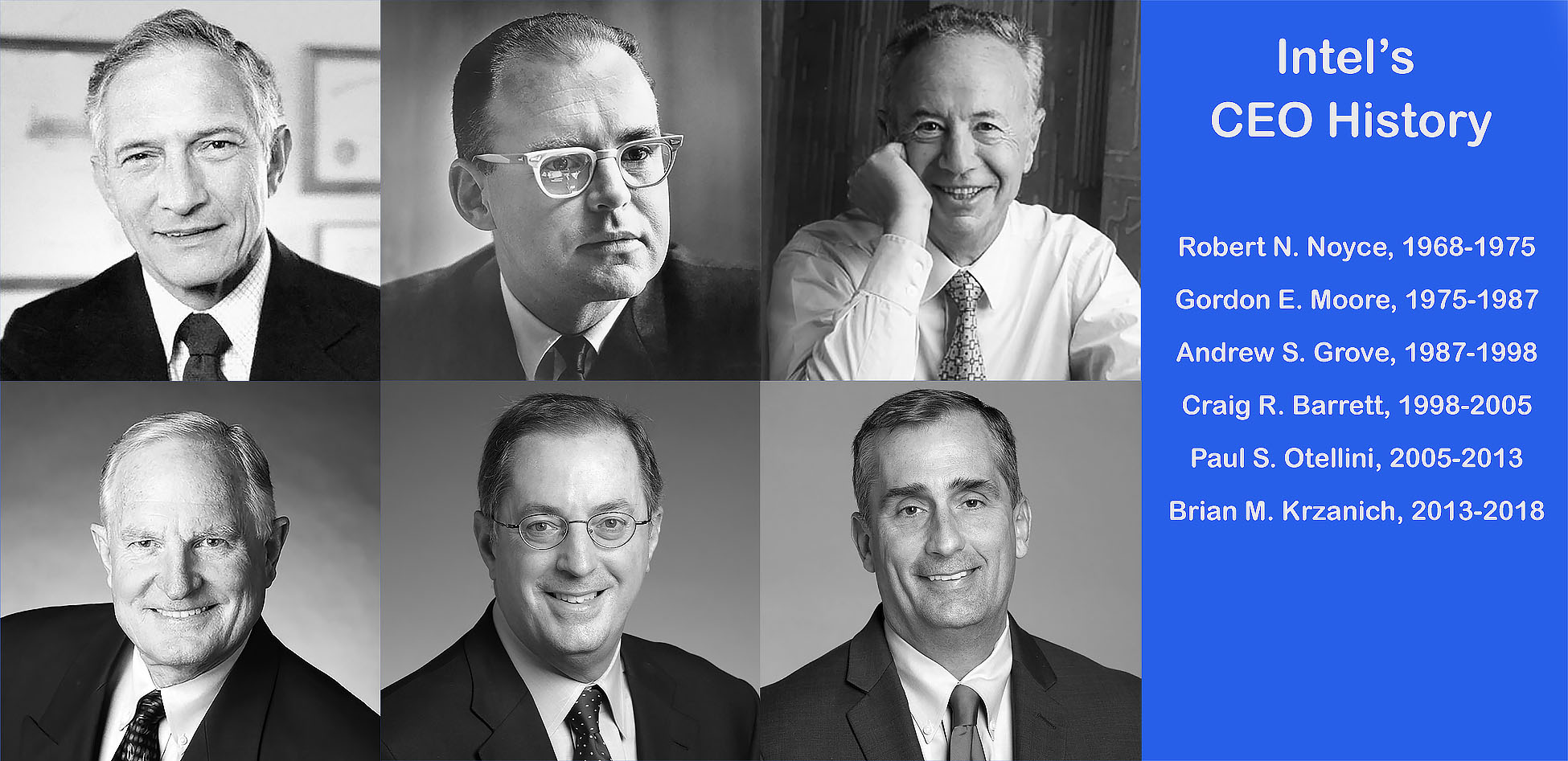
Strategic Investments and Innovation: Fueling Future Growth for Investors
Ultimately, Intel’s future financial performance, and thus the value of its ownership shares, hinges on its strategic investments in innovation and market expansion. As a leading semiconductor company, Intel consistently invests billions in R&D for next-generation processors, AI technologies, and foundry services. These financial commitments are designed to secure future revenue streams and maintain competitive advantage, directly translating into potential for increased earnings and shareholder value. From an investor’s standpoint, these strategic decisions are critical, as they dictate whether Intel will continue to be a financially attractive company for its diverse base of owners into the next decade. The company’s capital allocation decisions today will shape the financial returns for its owners tomorrow.
In conclusion, the “owner” of Intel Company is not a single entity but a vast, global collective of shareholders – individual retail investors, powerful institutional funds, and its dedicated employees. This intricate web of ownership, governed by the principles of public finance, drives Intel’s corporate strategy and financial decisions, all aimed at maximizing shareholder value. Understanding this dispersed yet interconnected ownership structure is fundamental to comprehending the financial dynamics of one of the world’s most influential technology companies.
aViewFromTheCave is a participant in the Amazon Services LLC Associates Program, an affiliate advertising program designed to provide a means for sites to earn advertising fees by advertising and linking to Amazon.com. Amazon, the Amazon logo, AmazonSupply, and the AmazonSupply logo are trademarks of Amazon.com, Inc. or its affiliates. As an Amazon Associate we earn affiliate commissions from qualifying purchases.