
In the fast-evolving landscape of automotive and technology, few names command as much attention and often, as much debate, as Tesla. When the question “who is the maker of Tesla cars?” arises, the immediate answer for many is simply “Elon Musk.” While Musk’s indelible stamp on the company is undeniable, understanding the true “maker” requires a deeper dive into the brand itself – a complex entity forged from visionary ideals, disruptive strategies, and an unwavering commitment to a future-forward identity. Tesla is not merely a car manufacturer; it is a meticulously crafted brand, an ecosystem, and a powerful statement that has fundamentally reshaped consumer perception and industry standards.
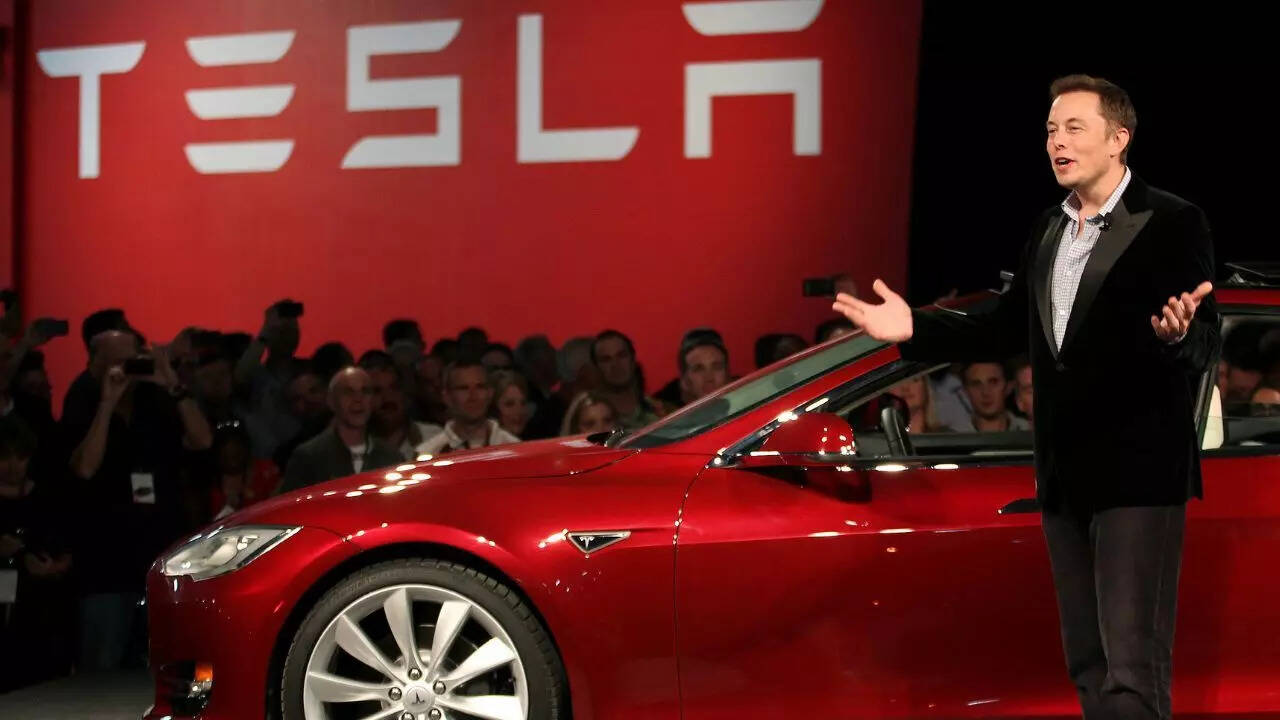
This article will explore Tesla through the lens of brand strategy, dissecting how the company, under its charismatic leadership, has built a corporate identity that transcends its products, becoming synonymous with innovation, sustainability, and a premium lifestyle. We will uncover the intentional decisions and organic growth that have established Tesla as one of the most recognizable and influential brands of the 21st century, detailing how its “maker” is as much its collective vision and identity as it is any single individual or manufacturing process.
The Genesis of a Disruptive Automotive Brand
The story of Tesla begins not with mass production, but with a grand vision – a brand promise conceived to challenge the status quo of a century-old industry. Launched in 2003 by Martin Eberhard and Marc Tarpenning, Tesla Motors (as it was then known) aimed to prove that electric vehicles could be compelling, high-performance, and desirable, shattering the prevailing notion that EVs were merely golf carts or niche curiosities. This foundational belief in an electric future, coupled with a commitment to uncompromised design and engineering, became the bedrock upon which the Tesla brand was built.
Beyond a Car Manufacturer: A Visionary Brand Identity
From its inception, Tesla consciously positioned itself as more than an automotive company. It aspired to be a technology company, an energy company, and ultimately, a lifestyle brand for the environmentally conscious and technologically advanced consumer. This self-identification as a multifaceted innovator was crucial. It allowed Tesla to attract talent from Silicon Valley, not just Detroit, and to frame its products not just as transportation, but as a statement about the future. The brand’s identity was intrinsically linked to its mission: to accelerate the world’s transition to sustainable energy. This mission-driven approach became a powerful magnet for early adopters and investors, creating a cult-like following long before mainstream success. The cars were merely the most visible manifestation of a much larger, bolder brand narrative centered on global impact and pioneering progress.
The Founding Visionaries and Elon Musk’s Catalytic Role
While Eberhard and Tarpenning laid the groundwork, it was Elon Musk, who joined as an investor and chairman in 2004, and later CEO, who became the primary architect and face of the Tesla brand. Musk’s involvement transformed Tesla from a promising startup into a global phenomenon. His audacious vision, combined with an unparalleled ability to communicate grand ambitions and attract media attention, propelled the brand into the public consciousness. Musk’s personal brand – that of a futurist, an innovator, and a risk-taker – became inextricably linked with Tesla’s corporate identity. He wasn’t just a CEO; he was the embodiment of the brand’s pioneering spirit, making the “maker” of Tesla cars not just a company, but a singular, often controversial, force of personality. This blurring of lines between CEO and corporate brand is a distinctive feature of Tesla’s branding strategy, generating both immense loyalty and intense scrutiny.
Crafting Tesla’s Distinctive Brand Strategy
Tesla’s journey from a niche startup to a global automotive powerhouse is a masterclass in unconventional branding. Unlike traditional car companies that rely on decades of heritage and established dealer networks, Tesla built its brand by breaking rules, challenging norms, and forging a direct, often emotional, connection with its customers.
Innovation as the Core Brand Pillar
At the heart of Tesla’s brand strategy is an relentless pursuit of innovation. From the advanced battery technology and electric powertrains to over-the-air software updates and autonomous driving capabilities, Tesla constantly pushes technological boundaries. This commitment to being at the forefront of innovation is not just about product features; it’s a core brand promise. It tells consumers that owning a Tesla means owning the future, a device that continuously improves and adapts. This focus allows Tesla to position its vehicles as more than mere transportation; they are sophisticated gadgets, akin to smartphones on wheels, appealing to a tech-savvy audience eager for the latest advancements. The brand message is clear: when you choose Tesla, you choose progress.
Sustainability and Lifestyle: More Than Just EVs
Tesla successfully tapped into the growing global consciousness around environmental sustainability. By making electric vehicles not just practical but desirable, the brand managed to reframe “eco-friendly” as “high-performance” and “luxurious.” Owning a Tesla became a badge of honor for those who valued cutting-edge technology and environmental responsibility without compromising on style or speed. This lifestyle branding extended beyond the car itself, encompassing a vision of sustainable energy generation and storage through products like Powerwall and Solar Roof. Tesla positioned itself as a holistic solution for a greener future, making its brand appealing to a broader demographic than just car enthusiasts – it resonated with individuals aligning their purchasing decisions with their values. This integrated approach, where the product serves a greater purpose, significantly amplifies brand resonance and customer loyalty.
Direct-to-Consumer Model: A Brand-Building Advantage
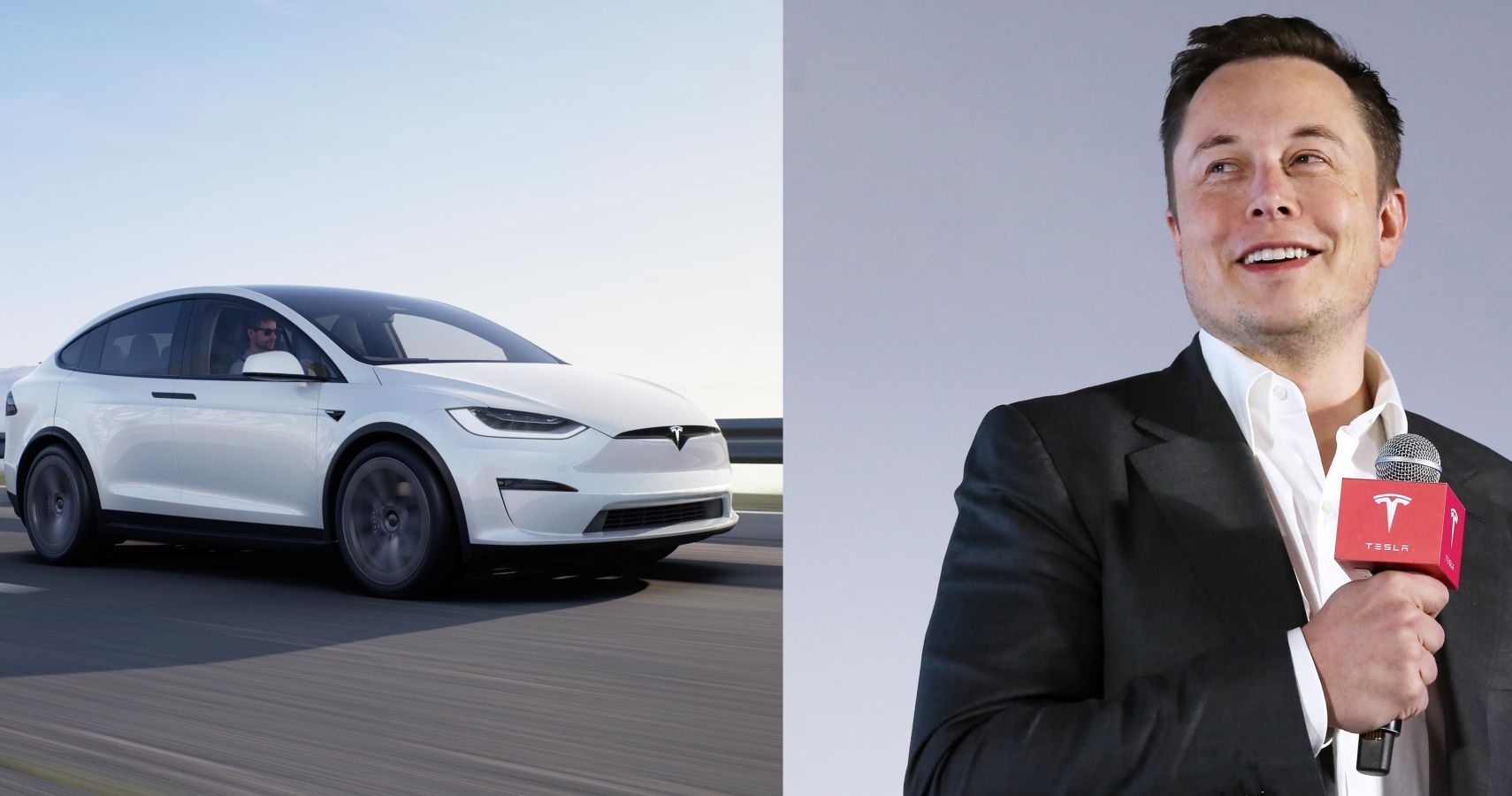
One of Tesla’s most radical branding decisions was its direct-to-consumer sales model. By bypassing traditional dealerships, Tesla maintained complete control over the customer experience, from initial inquiry to vehicle delivery and service. This direct interaction allowed the brand to cultivate a more intimate relationship with its customers, fostering a sense of community and exclusivity. Tesla stores, often located in high-traffic urban areas rather than car lots, function more like Apple Stores – minimalist, experience-driven spaces designed to showcase technology and lifestyle. This direct model ensures brand consistency, eliminates haggling, and reinforces Tesla’s image as a disruptor, further distinguishing it from legacy automakers and solidifying its unique brand identity.
Leveraging Elon Musk’s Personal Brand for Corporate Identity
As mentioned, Elon Musk is not just the CEO; he is the public face and often, the chief evangelist for the Tesla brand. His active presence on social media, his ambitious pronouncements, and even his controversial statements directly impact Tesla’s brand perception. This strategy, while risky, has proven immensely effective. Musk’s personal brand injects a sense of drama, excitement, and authenticity into Tesla. He personifies the brand’s ethos of boldness, innovation, and an unwavering commitment to seemingly impossible goals. For many, investing in Tesla’s stock or purchasing its cars is also an investment in Musk’s vision. This symbiosis between the leader’s persona and the corporate brand is a powerful, if unconventional, asset that sets Tesla apart from its more staid competitors.
The Evolution and Expansion of the Tesla Brand Ecosystem
The Tesla brand has not remained static; it has continuously evolved, expanding its reach and deepening its influence. What began as a premium EV manufacturer has matured into a broader technology and energy conglomerate, solidifying its ecosystem approach to branding.
Expanding Beyond Vehicles: Energy and AI
Tesla’s brand identity has successfully extended beyond electric vehicles to encompass energy solutions and advanced AI. The introduction of Powerwall, Powerpack, and Solar Roof products demonstrated Tesla’s commitment to its mission of accelerating sustainable energy. These products reinforce the brand’s holistic vision, positioning it not just as a car company, but as a comprehensive provider of sustainable living solutions. Furthermore, Tesla’s heavy investment in artificial intelligence, particularly for its Full Self-Driving (FSD) capabilities, has cemented its reputation as a leader in AI innovation. This expansion into adjacent, yet synergistic, sectors enhances the overall brand equity, making Tesla a powerhouse in the broader technology landscape. The “maker” is constantly redefining its own boundaries.
Brand Perception and Market Influence
Tesla’s brand perception is multifaceted. It is seen by many as a symbol of cutting-edge technology, environmental responsibility, and aspirational luxury. Its innovative products and audacious goals have garnered a loyal customer base and a legion of devoted fans who act as powerful brand advocates. This strong brand loyalty, combined with a disruptive product pipeline, has allowed Tesla to command premium pricing and significant market capitalization, far exceeding that of many traditional automakers despite lower production volumes. The brand’s influence extends beyond sales figures; it has forced the entire automotive industry to pivot towards electrification and embrace new technologies, proving the immense power of a compelling brand narrative to drive industry-wide change.
Navigating Brand Challenges and Public Scrutiny
No prominent brand is without its challenges, and Tesla is no exception. Its rapid growth and unconventional approach have frequently put it under intense public and regulatory scrutiny. From production delays and quality control issues in its early days to controversies surrounding autonomous driving safety and Elon Musk’s public statements, the Tesla brand has faced numerous tests. However, the strength of its core brand identity – built on innovation and a pioneering spirit – has often allowed it to weather these storms. The brand’s followers often attribute issues to growing pains or industry resistance rather than fundamental flaws, demonstrating the resilience fostered by a strong emotional connection. Managing these challenges while maintaining brand integrity is an ongoing process for any major corporation, and for Tesla, it’s a testament to the brand’s robust foundation and its ability to maintain a narrative of overcoming adversity.
Tesla’s Enduring Legacy and Future Brand Horizons
The “maker” of Tesla cars has profoundly altered the automotive industry and is leaving an indelible mark on the broader technological landscape. Its brand strategy has proven that vision, innovation, and a direct connection with consumers can disrupt even the most entrenched industries.
Reshaping Consumer Expectations and Industry Norms
Tesla’s most significant brand legacy lies in its success in reshaping consumer expectations. Before Tesla, electric vehicles were largely seen as compromises. Tesla proved they could be aspirational, high-performance, and technologically superior. This shift in perception has compelled every major automaker to accelerate their EV strategies, investing billions in developing competing models. Tesla didn’t just create a new car; it created a new category of desirability within the automotive market, making electrification a mainstream aspiration. The brand has set new benchmarks for software integration, over-the-air updates, and direct customer engagement, forcing competitors to adapt or risk obsolescence. This profound influence on industry norms is a powerful testament to the brand’s disruptive prowess.

The Future of the Tesla Brand: Beyond Automotive Dominance
Looking ahead, the Tesla brand is poised for continued evolution. Its future will likely involve deepening its integration across energy, AI, and potentially other frontier technologies. The “maker” is no longer just about cars; it’s about building a sustainable, technologically advanced future. As competition in the EV market intensifies, Tesla’s ability to maintain its brand edge will rely on its continued commitment to innovation, its unique customer experience, and the consistent communication of its overarching mission. The brand’s strength lies in its narrative of relentless progress and a vision of tomorrow. The maker of Tesla cars is not a static entity; it is a dynamic, evolving brand that continually redefines what it means to be a leader in technology and sustainability, pushing the boundaries of what consumers expect and what industries deliver.
aViewFromTheCave is a participant in the Amazon Services LLC Associates Program, an affiliate advertising program designed to provide a means for sites to earn advertising fees by advertising and linking to Amazon.com. Amazon, the Amazon logo, AmazonSupply, and the AmazonSupply logo are trademarks of Amazon.com, Inc. or its affiliates. As an Amazon Associate we earn affiliate commissions from qualifying purchases.