
The question “Who is the Google owner?” seems straightforward, yet its answer delves into the intricate financial architecture of one of the world’s most influential companies. In the realm of publicly traded corporations, the concept of “ownership” is multifaceted, extending far beyond a single individual or entity. For Google, this journey begins with its visionary founders but quickly evolves into a complex tapestry of public shareholders, institutional investors, and a meticulously structured holding company designed for financial diversification and control. Understanding who truly owns Google requires a deep dive into the principles of corporate finance, investment mechanisms, and the strategic financial decisions that have shaped its trajectory.

Understanding Corporate Ownership in the Digital Age
At its core, Google, through its parent company Alphabet Inc. (NASDAQ: GOOGL, GOOG), is owned by its shareholders. This fundamental principle of public companies dictates that those who hold its stock certificates – whether individuals, mutual funds, pension funds, or other corporations – collectively own a piece of the company. However, the nature of this ownership is not uniform; it varies significantly based on the type of shares held and the financial strategies employed by the company’s leadership.
From Founders’ Vision to Public Shares: The Genesis of Financial Control
Google was founded by Larry Page and Sergey Brin in September 1998. In its formative years, the company was privately owned by its founders, early employees, and venture capitalists who provided initial funding in exchange for equity. This period represented a concentrated form of ownership, where control was firmly in the hands of a small group of stakeholders who directly financed the company’s growth.
The pivotal moment that transformed Google’s ownership structure was its Initial Public Offering (IPO) in August 2004. Going public meant selling shares to the general public, thereby distributing ownership more broadly and raising significant capital for expansion. This move not only provided liquidity for early investors but also subjected Google to the scrutiny and demands of the financial markets. Post-IPO, anyone could become a “Google owner” by purchasing its stock, making the company a collective endeavor owned by millions globally.
Despite going public, Page and Brin implemented a dual-class share structure designed to maintain their control over the company’s strategic direction. This financial innovation is a critical aspect of understanding Google’s ownership. They structured the company with Class A shares (one vote per share), Class B shares (ten votes per share, held primarily by the founders and early insiders), and later, Class C shares (non-voting shares). This arrangement ensures that while public investors own a significant economic stake, the founders and key insiders retain substantial voting power, allowing them to steer the company’s long-term vision without being swayed by short-term market pressures. This financial engineering is a powerful tool for founder-led companies seeking to balance public financing with enduring visionary control.
The Role of Alphabet Inc. as a Holding Company
In 2015, Google underwent a major corporate restructuring, creating a new parent company called Alphabet Inc. This financial maneuver was far more than a simple rebranding; it was a sophisticated strategy to manage a diverse portfolio of businesses, enhance transparency, and unlock greater shareholder value. Alphabet became the holding company for Google and its “Other Bets” – an array of ventures ranging from autonomous vehicles (Waymo) and life sciences (Verily) to AI research (DeepMind) and venture capital (GV).
From a financial perspective, the creation of Alphabet served several key purposes:
- Enhanced Financial Reporting: It allowed for clearer financial reporting. Google’s core advertising business could be reported separately from the more speculative, long-term investments of the Other Bets. This transparency helps investors better evaluate the performance and potential of each segment, leading to more informed investment decisions.
- Strategic Diversification: By housing different businesses under one umbrella, Alphabet effectively diversified its financial risk. While Google’s advertising revenue remains the primary engine, the Other Bets represent future growth opportunities and potential new revenue streams, reducing reliance on a single business model. This diversification strategy is crucial for long-term financial stability and growth in an ever-evolving tech landscape.
- Efficient Capital Allocation: The structure enables Alphabet to allocate capital more strategically across its various ventures. Each subsidiary operates with greater autonomy, allowing for more agile decision-making and efficient use of resources. This optimizes investment returns and fosters innovation by allowing risky, long-term projects to flourish without immediately impacting Google’s core financial performance.
Therefore, when we ask “who owns Google,” the most accurate financial answer is that Alphabet Inc. owns Google LLC as its primary subsidiary, and Alphabet Inc. itself is owned by its shareholders.
The Financial Dynamics of Alphabet’s Ownership
The shareholder base of Alphabet is vast and diverse, representing a cross-section of global investors. Understanding this financial ecosystem is crucial to grasping the true ownership structure.
Institutional vs. Retail Investors: A Breakdown of Shareholder Base

The majority of Alphabet’s shares are held by institutional investors. These are large organizations that invest on behalf of their clients, such as mutual funds (e.g., Vanguard, BlackRock, Fidelity), pension funds, hedge funds, and sovereign wealth funds. These entities typically manage trillions of dollars in assets and hold significant stakes in major corporations like Alphabet. Their investment decisions are driven by sophisticated financial analysis, portfolio diversification strategies, and a focus on long-term capital appreciation. The influence of institutional investors is substantial; their collective buying or selling can significantly impact Alphabet’s stock price and market valuation. Their financial power means they often engage with company management on issues like corporate governance, executive compensation, and environmental, social, and governance (ESG) factors.
Retail investors, or individual investors, make up the remaining portion of Alphabet’s ownership. These are everyday people who purchase shares through brokerage accounts, often for personal investment goals such as retirement planning, wealth accumulation, or specific financial objectives. While individual retail investors typically hold smaller positions compared to institutions, their collective activity can still contribute to market liquidity and overall stock performance. The accessibility of investing through online platforms has broadened participation, allowing more individuals to become “owners” of companies like Google.
The Power of Dual-Class Shares: Concentrated Financial Control
As mentioned earlier, Alphabet’s dual-class share structure is a cornerstone of its ownership model and a key financial mechanism for maintaining founder control.
- Class A Shares (GOOGL): These are common voting shares, one vote per share, publicly traded.
- Class B Shares: These shares have ten votes per share and are primarily held by Larry Page, Sergey Brin, and Eric Schmidt (former CEO). These shares are not publicly traded.
- Class C Shares (GOOG): These are non-voting shares, also publicly traded. They were issued as a stock split to provide more liquidity without diluting the voting power of Class B shareholders.
This structure means that while Page and Brin might not own the majority of economic equity in Alphabet, they retain the majority of voting power. This financial arrangement allows them to control major corporate decisions, such as electing board members, approving mergers and acquisitions, and setting the strategic direction, regardless of how much stock other investors own. For investors, this can be a double-edged sword: it provides stability and ensures a consistent long-term vision, but it also limits the influence of other shareholders, particularly if they disagree with the founders’ strategic choices. This concentrated control is a deliberate financial strategy to prioritize long-term vision over short-term market pressures, a characteristic shared by several other tech giants.
Navigating Financial Reporting and Shareholder Value
Alphabet, as a publicly traded company, operates under strict financial reporting requirements mandated by regulatory bodies like the Securities and Exchange Commission (SEC) in the United States. These regulations ensure transparency and accountability to its owners – the shareholders.
Impact on Alphabet’s Financial Performance and Investor Relations
Alphabet’s financial performance, meticulously detailed in its quarterly and annual reports (10-Q and 10-K filings), is a direct reflection of how its various segments are performing. Investors closely scrutinize these reports for key financial metrics such as revenue growth, net income, earnings per share (EPS), operating margins, and cash flow. Strong performance in Google’s advertising business, coupled with promising developments in its Other Bets, typically translates into increased shareholder value through stock price appreciation.
Investor relations (IR) play a crucial role in managing the relationship between Alphabet and its owners. The IR team communicates financial results, strategic initiatives, and future outlook to analysts and investors, ensuring that the financial community has a clear understanding of the company’s operations and financial health. This open communication is vital for maintaining investor confidence and attracting new capital. The company’s dividend policy, share buyback programs, and capital allocation decisions are all financial strategies designed to enhance shareholder value and are closely watched by its diverse ownership base.
Key Financial Stakeholders and Their Influence
Beyond the direct shareholders, other financial stakeholders significantly influence Alphabet’s trajectory. The Board of Directors, while elected by shareholders (primarily those with voting power), plays a critical oversight role in corporate governance, financial strategy, and executive compensation. Its members, who may include independent directors, bring diverse financial expertise and perspectives.
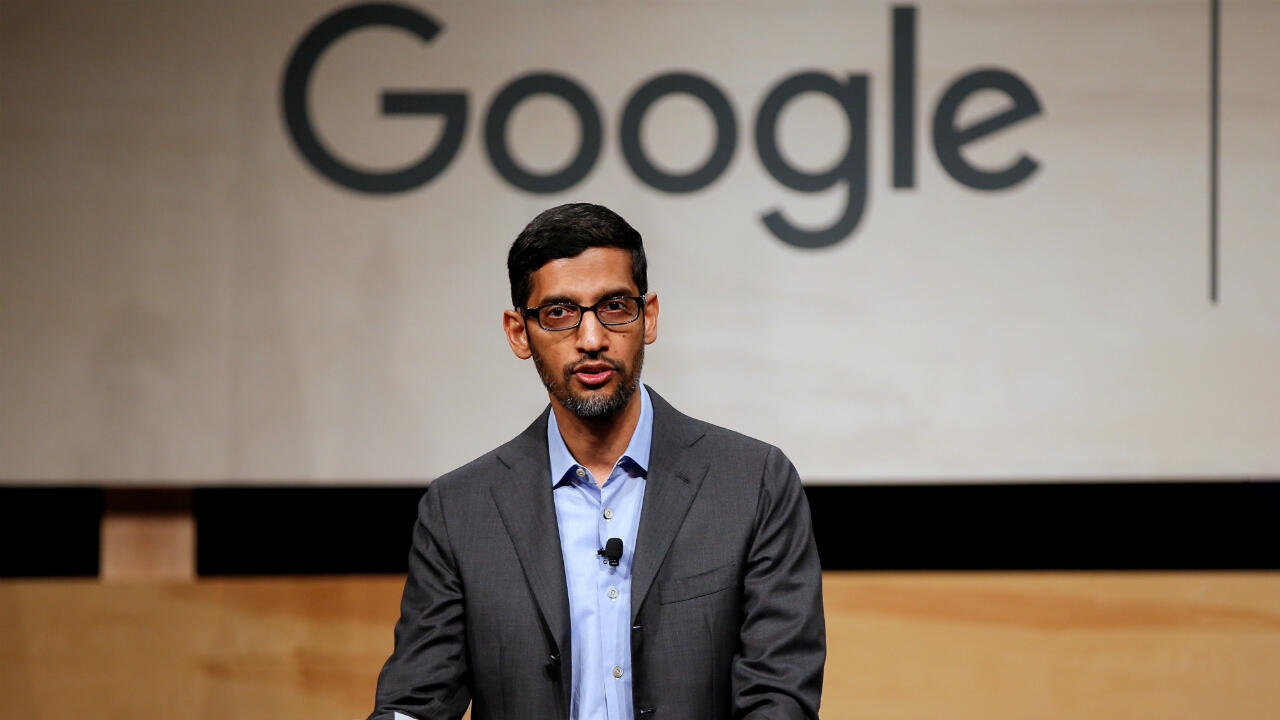
Executive Leadership, including CEO Sundar Pichai and CFO Ruth Porat, is responsible for the day-to-day financial and operational management of Alphabet and its subsidiaries. Their decisions regarding investment in new technologies, market expansion, cost management, and capital allocation directly impact the company’s financial performance and, consequently, its shareholder value.
Financial Analysts from investment banks and research firms constantly evaluate Alphabet’s performance, issue ratings, and forecast future earnings. Their reports influence investor sentiment and can guide investment decisions, indirectly impacting the company’s valuation. Major fund managers from the largest institutional investors also wield significant influence through their concentrated holdings and direct engagement with company management on strategic financial and governance matters.
In conclusion, “who is the Google owner?” is a question best answered through the lens of finance. While Larry Page and Sergey Brin are the visionary founders who continue to exert significant control through a sophisticated dual-class share structure, the economic ownership of Google ultimately rests with the millions of individuals and institutional investors who hold shares in its parent company, Alphabet Inc. This complex financial ecosystem, characterized by strategic restructuring, diverse shareholder participation, and meticulous financial reporting, defines the true ownership of the tech giant in the modern financial landscape.
aViewFromTheCave is a participant in the Amazon Services LLC Associates Program, an affiliate advertising program designed to provide a means for sites to earn advertising fees by advertising and linking to Amazon.com. Amazon, the Amazon logo, AmazonSupply, and the AmazonSupply logo are trademarks of Amazon.com, Inc. or its affiliates. As an Amazon Associate we earn affiliate commissions from qualifying purchases.