
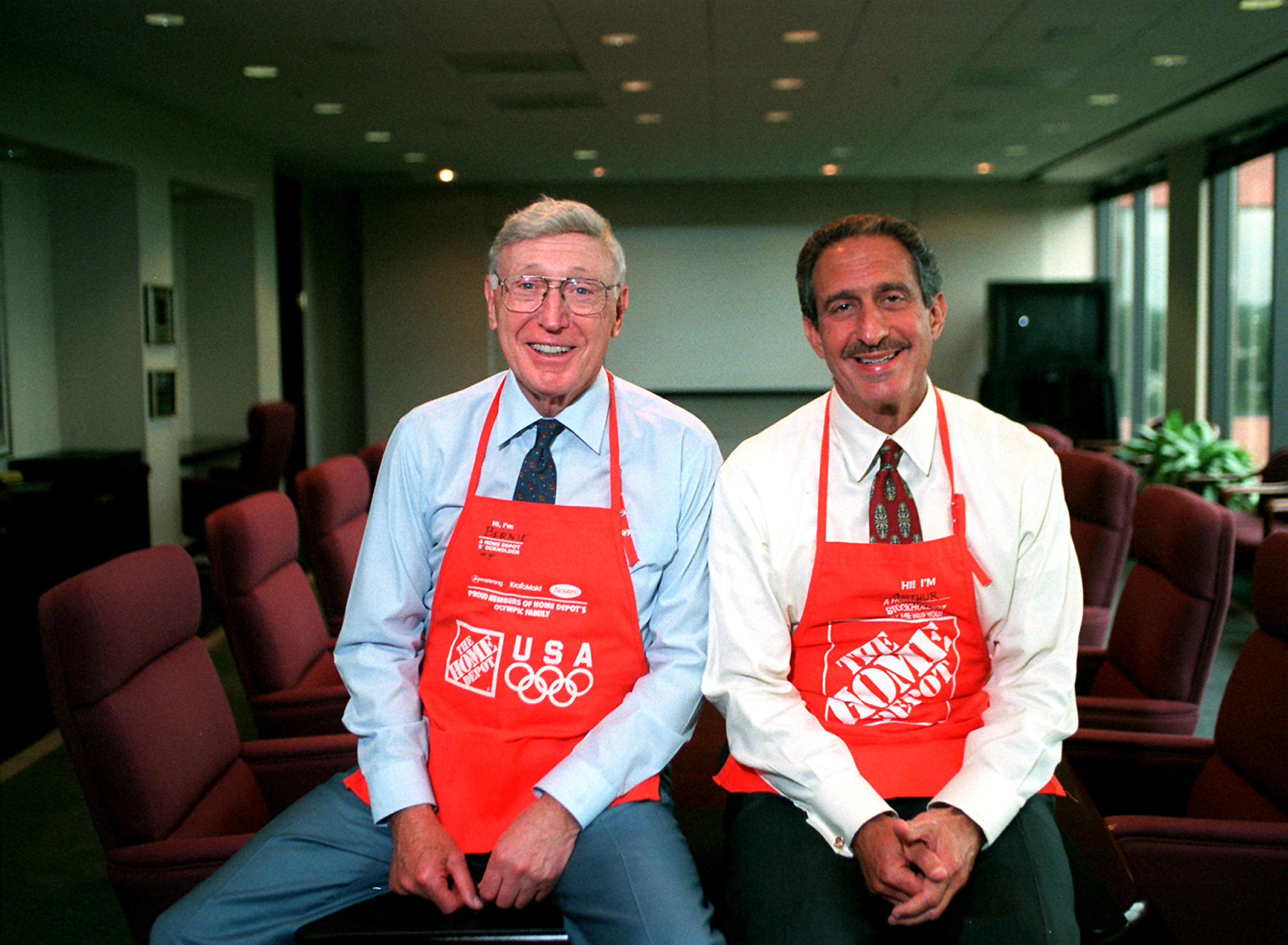
The story of The Home Depot is not merely a tale of hardware and home improvement; it is a masterclass in brand strategy, corporate identity, and the disruption of a fragmented retail landscape. While many consumers walk through the iconic orange-tinted aisles today, few realize that the company was born out of a moment of professional crisis. The Home Depot was co-founded by Bernie Marcus and Arthur Blank, with the critical financial backing of Ken Langone and the merchandising expertise of Pat Farrah.
Together, these visionaries did more than just open a store; they established a brand identity that redefined the relationship between the consumer and the “Do-It-Yourself” (DIY) ethos. Their journey from a singular, ambitious idea to a global powerhouse offers profound insights into how a cohesive brand vision can transform an entire industry.

The Architects of a New Retail Category
To understand the founders of Home Depot, one must first understand the environment of the late 1970s. At the time, the hardware industry was dominated by small, local stores or limited “mom-and-pop” operations that offered a narrow selection of goods at high price points. Bernie Marcus and Arthur Blank, both executives at Handy Dan Home Improvement Centers, envisioned something different: a warehouse-sized store that offered a massive inventory at significantly lower prices, coupled with expert advice.
Bernie Marcus: The Charismatic Visionary
Bernie Marcus was the quintessential leader and the driving force behind the brand’s customer-centric philosophy. After being fired from Handy Dan due to corporate infighting, Marcus turned his termination into the catalyst for innovation. His belief was simple yet revolutionary: if you provide the lowest prices and the best service, the volume of sales will take care of the profit. Marcus was the “face” of the early brand, instilling a culture of radical transparency and customer empowerment.
Arthur Blank: The Operational Mastermind
While Marcus focused on the vision and the culture, Arthur Blank provided the operational discipline necessary to scale that vision. Blank’s expertise in finance and administration allowed the founders to manage the complex logistics of a big-box retail environment. His focus on sustainable growth and internal structures ensured that the brand’s promise of “more for less” was physically and financially possible. The partnership between Marcus and Blank is often cited in business case studies as the perfect synergy between a charismatic leader and a meticulous strategist.
The Supporting Pillars: Langone and Farrah
The brand could not have launched without Ken Langone, the investment banker who secured the initial capital during a period of high interest rates and economic uncertainty. Similarly, Pat Farrah brought the essential merchandising knowledge, understanding how to stock a warehouse in a way that felt both professional and accessible to the average homeowner. This quartet of founders created a corporate identity built on the pillars of scale, service, and strategic pricing.
The Core Values: Building a Brand Identity from the Ground Up
From its inception in 1978, The Home Depot was designed to be more than a store. The founders were meticulous about creating a corporate identity that resonated with the burgeoning middle class of suburban America. This identity was built on several non-negotiable core values that remain central to the brand today.
The “Orange Apron” Culture
Perhaps the most recognizable element of The Home Depot’s brand is the orange apron. The founders chose the bright, safety-orange color specifically to stand out, but the apron itself symbolized something deeper: service. Employees were trained not just as cashiers, but as consultants. The founders insisted that their staff should be able to teach a customer how to fix a leaky faucet or install a ceiling fan. This educational approach turned a simple transaction into a brand-building experience, fostering deep customer loyalty.
The Inverted Pyramid Management Style
Marcus and Blank pioneered a management philosophy known as the “inverted pyramid.” In this model, the most important people in the company are the front-line associates who interact with customers every day. The founders and executives are at the bottom of the pyramid, their primary job being to support the staff in the stores. This brand strategy ensured that the corporate identity remained grounded in the reality of the customer experience, preventing the “ivory tower” syndrome that plagues many large retailers.
Empowering the DIY Movement
Before The Home Depot, many homeowners felt intimidated by home repair, often forced to hire expensive professionals. The founders’ marketing and brand strategy revolved around the concept of empowerment. By hosting free clinics and workshops, the brand positioned itself as a partner in the customer’s journey. This shifted the brand perception from a mere vendor to an essential resource for homeownership, effectively creating a community around the DIY lifestyle.
Marketing the Impossible: How the Founders Scaled the Brand
The early days of The Home Depot were a struggle. When the first two stores opened in Atlanta in 1979, the founders literally had to hand out dollar bills in the parking lot to entice people to enter. However, their long-term brand strategy was focused on market disruption through psychological pricing and perceived value.
The “Empty Box” Strategy
In the very beginning, the founders struggled to fill the massive warehouse spaces they had leased. To maintain the brand image of a “superstore” with infinite stock, they used a clever merchandising tactic: they stacked empty boxes on the highest shelves and filled the lower ones with actual products. This created an atmosphere of abundance and scale, convincing early customers that The Home Depot was the ultimate destination for any project. This “fake it until you make it” approach helped establish the brand’s reputation for massive inventory even before they had the capital to fully stock every aisle.
Price Leadership and “Low Prices Every Day”
Long before “Everyday Low Pricing” became a staple of big-box retail, Marcus and Blank were practicing it. They avoided the traditional retail model of frequent sales and “doorbusters,” opting instead for a consistent, low-margin approach. This built trust with the consumer. The brand identity became synonymous with value, eliminating the need for customers to shop around. By sacrificing short-term margins for long-term market share, the founders established a dominant position that smaller competitors could not match.
The Psychological Power of the Color Orange
The selection of bright orange for the logo and branding was a deliberate strategic choice. In a retail environment often dominated by muted tones or the blue-and-white motifs of general retailers, orange signaled construction, energy, and urgency. It reinforced the “work in progress” nature of home improvement. Over decades, this color has become a powerful brand asset, instantly recognizable and psychologically linked to the concept of value and productivity.
The Evolution of the Brand and its Lasting Legacy
As Bernie Marcus and Arthur Blank eventually transitioned away from daily operations, the brand faced the challenge of maintaining its identity while scaling into a multi-billion-dollar global enterprise. The transition of leadership and the subsequent shifts in strategy provide a compelling look at the durability of a founder-led brand.
Transitioning Leadership and Protecting the Culture
In the early 2000s, under different leadership, the company shifted toward a more centralized, data-driven approach that some critics argued moved too far away from the founders’ “service-first” mentality. However, the strength of the original brand identity was so robust that the company eventually returned to its roots, reinvesting in store-level expertise and the “orange apron” culture. This period highlighted a crucial lesson in brand strategy: while operations must evolve with technology, the core brand values are what keep a company anchored during periods of change.
Philanthropy as Brand Strategy
The founders also integrated a sense of social responsibility into the corporate identity. Through The Home Depot Foundation, the brand has focused heavily on veteran housing and disaster relief. This isn’t just corporate social responsibility (CSR); it is a strategic alignment with the brand’s purpose. By helping rebuild communities, the brand reinforces its position as an essential part of the American home. This philanthropic legacy reflects the founders’ belief that a company must be a good neighbor to its customers.

The Digital Transformation of the DIY Brand
Today, the founders’ vision lives on through a seamless omnichannel strategy. While Marcus and Blank started with physical warehouses, the brand has successfully translated the “DIY empowerment” concept to the digital age. Through mobile apps, augmented reality (AR) for home visualization, and online tutorials, the company continues to fulfill its original brand promise: making home improvement accessible to everyone. The transition from a physical warehouse to a digital ecosystem shows that a strong brand identity can transcend the medium through which it is delivered.
In conclusion, the story of Bernie Marcus, Arthur Blank, and the founding of The Home Depot is a testament to the power of a clear, consumer-focused brand strategy. By identifying a gap in the market and filling it with a combination of scale, service, and a distinct corporate culture, they did more than build a business; they built an institution. Their legacy is seen every time a homeowner picks up a tool for the first time, empowered by the belief that they can “do it themselves”—a belief that was carefully cultivated by the founders in the aisles of two stores in Atlanta over forty years ago.
aViewFromTheCave is a participant in the Amazon Services LLC Associates Program, an affiliate advertising program designed to provide a means for sites to earn advertising fees by advertising and linking to Amazon.com. Amazon, the Amazon logo, AmazonSupply, and the AmazonSupply logo are trademarks of Amazon.com, Inc. or its affiliates. As an Amazon Associate we earn affiliate commissions from qualifying purchases.