
As of early 2024, the CEO of Vanguard Group is Mortimer “Tim” Buckley. His leadership is central to guiding one of the world’s largest investment management companies, known globally for its pioneering role in low-cost index investing and its unique client-owned structure. Buckley’s tenure as CEO, which began in January 2018, marks a period of strategic evolution for Vanguard, focusing on enhancing the investor experience through technology, personalized advice, and continued commitment to cost efficiency.
Leadership in a Fiduciary-First Culture
Vanguard’s leadership operates within a distinctive framework defined by its client-owned structure, a model where its funds own Vanguard, rather than external shareholders. This structure mandates a fiduciary-first approach, ensuring that the company’s decisions are perpetually aligned with the best interests of its investors. Tim Buckley’s extensive background within Vanguard positions him uniquely to uphold and advance this core philosophy.
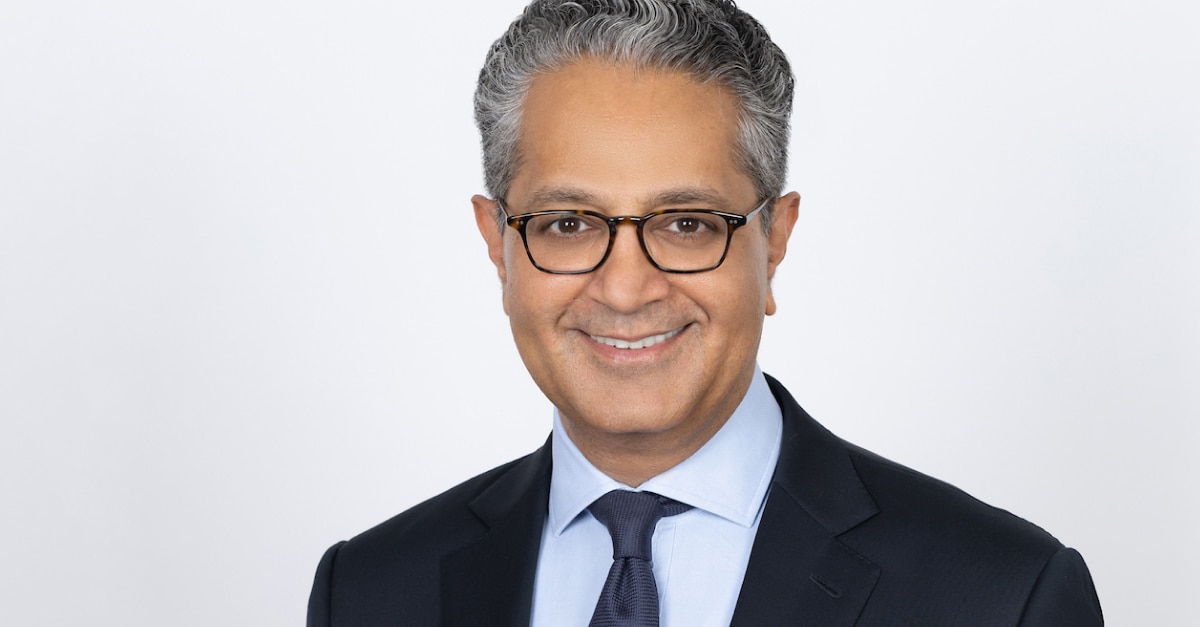
Tim Buckley: A Profile in Financial Stewardship
Tim Buckley’s journey to the helm of Vanguard is characterized by a deep and varied immersion in the company’s operations and strategic vision. He joined Vanguard in 1991, straight out of Harvard University with a B.A. in economics. His career trajectory within the firm has been comprehensive, touching multiple critical areas that underpin Vanguard’s services to investors.
Prior to becoming CEO, Buckley held several high-profile roles, including Chief Investment Officer (CIO), where he oversaw the firm’s equity and fixed income divisions. His experience also spans leadership positions in Vanguard’s Retail Investor Group, and as head of the Information Technology Division. This broad exposure across investment management, client service, and technological innovation provided him with an intimate understanding of the levers that drive investor outcomes and operational efficiency within a massive financial enterprise. He was named president in 2016 and ascended to the CEO role, succeeding the highly respected Bill McNabb, in January 2018.
Buckley’s leadership style is often described as analytical and forward-thinking, emphasizing the importance of data and technology in optimizing investment strategies and client engagement. His academic background, coupled with decades of hands-on experience across diverse functions within Vanguard, makes him a formidable steward of the company’s financial mission.
Upholding Vanguard’s Unique Structure
The client-owned structure is not merely an organizational quirk; it is the bedrock of Vanguard’s competitive advantage and investor appeal. By ensuring that the funds themselves own Vanguard, there are no outside shareholders demanding profits. This allows the firm to return economies of scale directly to investors through lower expense ratios, a principle famously championed by founder John Bogle.
Buckley’s role as CEO is critically tied to preserving and leveraging this unique model. His decisions regarding pricing, product development, and operational investments are continuously filtered through the lens of what best serves the client-owners. This structure inherently influences strategic planning, product innovation, and market positioning, ensuring that Vanguard maintains its reputation for low-cost, high-value investment solutions. The CEO must navigate market pressures and competitive landscapes while staunchly defending the integrity of this client-centric model, making decisions that reinforce long-term financial health for investors rather than short-term profit for external owners.
Navigating the Evolving Investment Landscape
Under Tim Buckley’s leadership, Vanguard has been actively adapting to and shaping the dynamics of the global investment landscape. The industry faces rapid technological advancements, shifting investor demographics, and an increasing demand for personalized financial solutions. Vanguard’s strategy under Buckley reflects a commitment to leverage its core strengths while embracing innovation to meet these evolving needs.
Strategic Priorities Under Buckley’s Leadership
Buckley has articulated clear strategic priorities that underscore Vanguard’s direction for investors. A significant focus has been on digital transformation and technological enhancement. Recognizing that modern investors expect seamless digital experiences, Vanguard has invested heavily in improving its online platforms, mobile applications, and self-service tools. This push aims to make investing and financial planning more accessible and intuitive for millions of retail and institutional clients, ensuring that Vanguard’s financial tools remain competitive and user-friendly.
Another priority involves the expansion and refinement of advice services. While Vanguard is synonymous with passive investing, Buckley has emphasized the growing need for personalized financial advice. This includes strengthening its hybrid advice model, which combines digital tools with access to human financial advisors, offering comprehensive financial planning and portfolio management tailored to individual investor goals. This strategy addresses the complex financial needs that go beyond simple asset allocation, such as retirement planning, tax-efficient investing, and estate planning.
Furthermore, Vanguard continues its relentless commitment to low-cost investing. Even as competitors have slashed fees, Buckley’s Vanguard remains dedicated to driving down expense ratios wherever possible, reinforcing the “Vanguard Effect” – the industry-wide pressure to reduce costs driven by Vanguard’s practices. This unwavering focus on value ensures that more of an investor’s returns stay in their pocket, compounding over time.
Addressing Market Challenges and Opportunities

The investment world is constantly buffeted by economic cycles, geopolitical events, and regulatory changes. Under Buckley, Vanguard has sought to address these challenges while capitalizing on new opportunities, always through the prism of investor benefit.
For instance, Vanguard is actively engaging with the growing interest in Environmental, Social, and Governance (ESG) investing. While maintaining its core philosophy of broad market diversification, Vanguard has expanded its offerings of ESG-focused funds, providing options for investors who wish to align their portfolios with their values, provided these options meet stringent investment criteria.
The firm is also navigating the complexities of global market expansion, seeking to extend its low-cost investment philosophy to a broader international audience. This involves adapting product offerings and client service models to suit diverse regulatory environments and investor preferences in markets outside the U.S.
In periods of market volatility and inflation, Buckley has consistently reinforced Vanguard’s long-standing message of disciplined, long-term investing, emphasizing diversification and staying the course. His leadership ensures that Vanguard’s communications and guidance remain steadfast in promoting sound financial principles, helping investors avoid knee-jerk reactions that can derail long-term financial goals.
The Impact of Leadership on Investor Outcomes
The leadership at Vanguard, particularly that of its CEO, has a direct and profound impact on the financial outcomes of millions of investors worldwide. By setting the strategic direction, fostering the organizational culture, and making key operational decisions, Tim Buckley influences everything from the cost of investing to the accessibility of financial advice.
The Vanguard Effect and Its Continuation
The “Vanguard Effect” refers to the phenomenon where Vanguard’s introduction of low-cost index funds and ETFs compelled competitors across the industry to lower their fees, ultimately benefiting all investors. Under Tim Buckley, this effect continues to be a cornerstone of Vanguard’s mission. His leadership ensures that the firm remains a relentless advocate for investors, consistently challenging the status quo on investment costs and advocating for greater transparency in financial services.
Buckley’s focus on technology and efficiency also plays a crucial role here. By streamlining operations and leveraging digital platforms, Vanguard can reduce internal costs, which are then passed on to investors in the form of lower expense ratios. This perpetuates the Vanguard Effect, driving down the overall cost of investing and enhancing net returns for individuals and institutions.
Future of Investing with Vanguard
Under Buckley’s guidance, the future of investing with Vanguard looks to be characterized by a blend of continuity and thoughtful innovation. Investors can anticipate a continued commitment to Vanguard’s core principles: simplicity, low cost, diversification, and disciplined, long-term investing. These tenets remain foundational to Vanguard’s approach to helping investors build wealth responsibly.
Furthermore, investors can expect enhanced digital experiences that integrate financial planning tools, robust investment platforms, and personalized advice solutions. The aim is to make sophisticated financial guidance and high-quality investment products accessible to a broader audience, empowering more individuals to take control of their financial futures. Vanguard’s leadership under Buckley is geared towards evolving with investor needs while steadfastly adhering to its founding mission of serving the investor first.
Beyond the CEO: Vanguard’s Collective Stewardship
While the CEO holds a pivotal position, Vanguard’s enduring success and adherence to its mission are also products of its broader leadership team and governance structure. The unique client-owned model means that the entire organization is fundamentally structured around collective stewardship rather than individual shareholder returns.
The Role of the Board and Senior Management Team
Tim Buckley works in close conjunction with Vanguard’s Board of Directors and a deep bench of senior management. The Board provides oversight, ensuring that the company’s strategies remain aligned with its mission and the long-term interests of its fund shareholders. This governance structure, unlike publicly traded companies, is designed to prioritize the financial well-being of the investors in its funds.
The senior management team, comprised of seasoned professionals with expertise across various financial disciplines – from investment management to technology, client service, and risk management – plays an equally crucial role. This collective leadership ensures that the firm’s strategic initiatives are executed effectively and that its day-to-day operations consistently uphold its commitment to investors. It’s a collaborative environment where decisions are vetted through the lens of fiduciary responsibility.
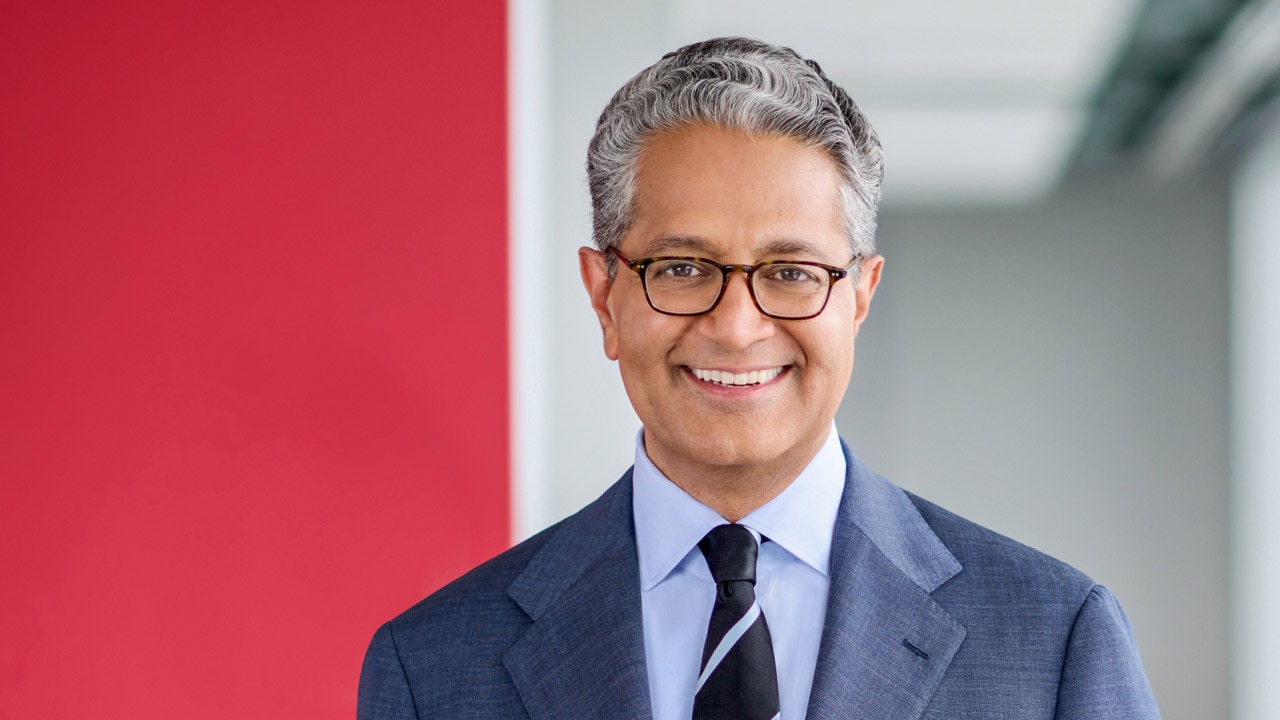
Sustaining the Investor-Centric Mission
Ultimately, Tim Buckley’s role as CEO, supported by the entire Vanguard organization, is about sustaining and advancing an investor-centric mission that has defined the company for nearly five decades. It’s about more than just managing assets; it’s about empowering individuals to achieve their financial goals through sound, transparent, and cost-effective investment solutions. The emphasis on education, financial planning, and long-term perspective remains paramount, ensuring that Vanguard continues to be a trusted partner in the financial lives of millions, guiding them toward financial security and prosperity.
aViewFromTheCave is a participant in the Amazon Services LLC Associates Program, an affiliate advertising program designed to provide a means for sites to earn advertising fees by advertising and linking to Amazon.com. Amazon, the Amazon logo, AmazonSupply, and the AmazonSupply logo are trademarks of Amazon.com, Inc. or its affiliates. As an Amazon Associate we earn affiliate commissions from qualifying purchases.