
The Vanguard Group stands as a titan in the world of asset management, overseeing more than $9 trillion in global assets. For decades, the firm has been synonymous with the democratization of investing, low-cost index funds, and a unique client-owned structure that sets it apart from Wall Street competitors. Given its massive influence on the retirement accounts and brokerage portfolios of millions of individual investors, the question of who leads this institution is of paramount importance. As of July 2024, the Vanguard Group entered a historic new chapter with the appointment of Salim Ramji as its Chief Executive Officer.
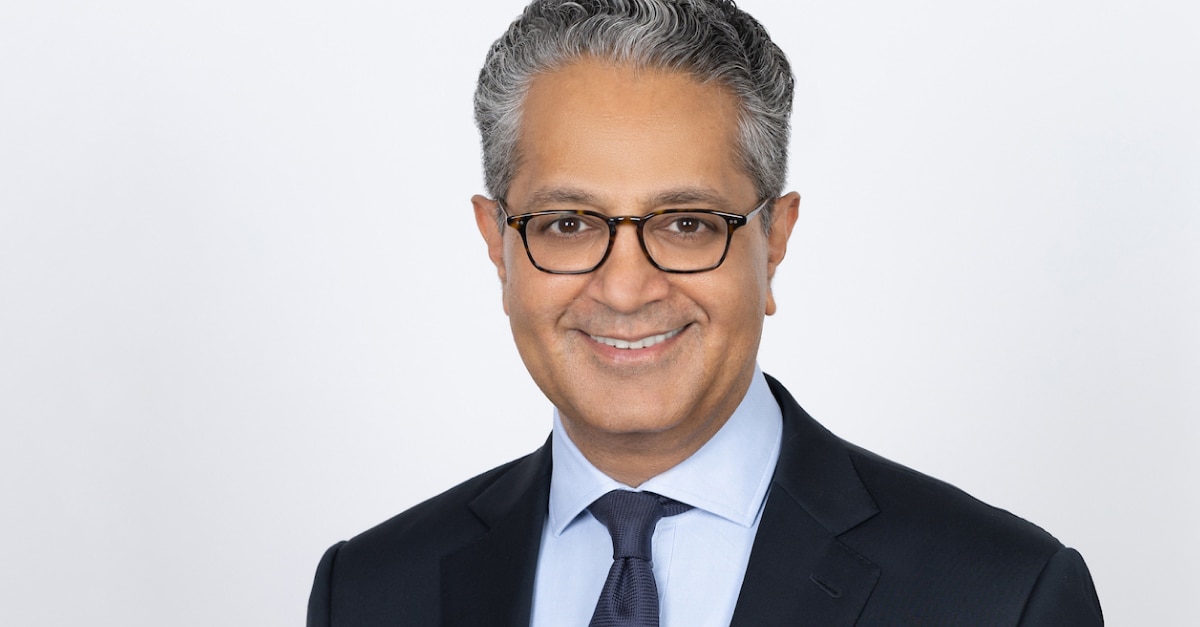
Ramji’s appointment marks a significant departure from Vanguard’s traditional playbook. For the first time in the company’s nearly 50-year history, the Board of Directors looked outside its own walls to find a leader. This transition from the retiring Tim Buckley to Salim Ramji represents more than just a change in personnel; it signals a strategic pivot as Vanguard seeks to modernize its technological infrastructure and maintain its dominance in an increasingly competitive Exchange-Traded Fund (ETF) landscape.
The Ascension of Salim Ramji: A Historic Shift in Leadership
Salim Ramji took the helm at Vanguard following the retirement of Tim Buckley, who had served as CEO since 2018. Buckley’s tenure was characterized by massive growth in assets under management (AUM) and a steady hand during the volatility of the global pandemic. However, as the financial landscape shifted toward digital-first experiences and more complex global regulations, the Vanguard board recognized the need for a leader with a different set of experiences.
An Outsider with Inside Knowledge
Ramji spent a significant portion of his career at BlackRock, Vanguard’s primary rival. Most notably, he served as the Global Head of iShares and Index Investments. During his time at BlackRock, he was instrumental in the explosive growth of the iShares brand, helping it become the world’s largest provider of ETFs. His background is rooted in the very products that Vanguard pioneered: low-cost, transparent, and accessible index-tracking vehicles.
Choosing a former BlackRock executive was a bold move for Vanguard, a company that prides itself on its “Vanguard way” culture. However, Ramji’s deep understanding of the ETF market and his global perspective made him the ideal candidate to navigate the next phase of the firm’s evolution. His expertise aligns perfectly with Vanguard’s mission to provide value to long-term investors while addressing the modern demand for sophisticated digital tools.
The Challenge of the Transition
Taking over a firm like Vanguard is no small feat. Unlike publicly traded firms like BlackRock or Charles Schwab, Vanguard is owned by its funds, which are in turn owned by their shareholders. This means the CEO reports to the clients rather than external stockholders. Ramji’s first challenge has been to reassure the “Boglehead” community—the loyalist followers of founder John C. Bogle—that the firm’s core mission of low-cost investing remains intact.
The transition has also focused on internal culture. Vanguard has long been a promote-from-within organization. By bringing in Ramji, the board signaled that it is open to new ideas, particularly regarding technology and customer service, areas where Vanguard has historically faced criticism compared to its more tech-savvy peers.
The Strategic Mandate: From Index Pioneer to Modern FinTech Giant
Under Ramji’s leadership, the Vanguard Group is expected to focus on three core pillars: technological modernization, product innovation in the ETF space, and the expansion of financial advice services. While Vanguard essentially invented the retail index fund, the firm can no longer rely solely on its reputation for low fees, as many competitors have driven their own expense ratios down to zero.
Modernizing the Digital Experience
One of the primary criticisms directed at Vanguard over the last decade has been its user interface and digital experience. While the investment philosophy is sound, the website and mobile app have often felt outdated compared to modern fintech platforms. Ramji’s mandate involves a massive overhaul of these systems.
Investing in “Money” today requires more than just a place to buy funds; it requires a seamless, intuitive interface that provides real-time data, educational resources, and easy account management. For the CEO, this means pivoting the firm’s internal resources toward software engineering and user experience (UX) design. By closing the technological gap, Vanguard hopes to attract a younger generation of investors who prioritize digital ease-of-use alongside low costs.
Dominating the ETF Landscape
While Vanguard remains a powerhouse in mutual funds, the global trend is moving toward ETFs. Salim Ramji’s background at iShares is particularly relevant here. ETFs offer tax efficiencies and intraday tradability that many modern investors prefer. Under Ramji’s guidance, Vanguard is likely to accelerate its transition of mutual fund assets into ETF wrappers and launch new, innovative products that fill gaps in their current lineup, such as active ETFs and fixed-income solutions.
This shift is critical for Vanguard to remain competitive. As other firms enter the “price war” on index tracking, Vanguard must find new ways to provide value. Ramji’s expertise in global distribution and product structure will be vital as the firm looks to expand its footprint in international markets where ETF adoption is still in its growth phase.
The Legacy of the Bogle Philosophy in a Competitive Market

To understand the role of the Vanguard CEO, one must understand the legacy of John C. Bogle. Bogle founded the firm in 1975 with a radical idea: that an investment firm should be owned by its clients and run solely for their benefit. This “mutuality” is the bedrock of Vanguard’s brand. Every CEO since Bogle has been tasked with protecting this fiduciary standard.
Maintaining the Low-Cost Edge
The primary way Vanguard delivers value is through its famously low expense ratios. Because the firm does not have to pay dividends to outside shareholders, it can reinvest profits into lowering costs for its fund owners. Salim Ramji inherited a portfolio of funds that are, on average, significantly cheaper than the industry standard.
However, maintaining this edge is becoming harder. In a world where “zero-fee” funds exist, the CEO must find other ways to save clients money. This includes optimizing tax-loss harvesting, improving trade execution, and leveraging the firm’s massive scale to negotiate better terms for its institutional clients. Ramji’s role is to ensure that “low cost” remains a reality and not just a marketing slogan.
The Role of Financial Advice
A significant portion of Vanguard’s future growth is tied to its “Personal Advisor” services. The firm has moved beyond just providing the building blocks of a portfolio to providing the blueprint itself. By offering low-cost, hybrid (human + robo) advisory services, Vanguard is competing directly with traditional wealth management firms.
The CEO must balance the needs of the DIY (do-it-yourself) investor with the needs of those who want guided wealth management. Ramji’s experience in scaling large financial platforms will be essential as Vanguard seeks to democratize financial advice in the same way it democratized the index fund.
Navigating Global Economic Headwinds and Institutional Growth
The Vanguard CEO does not just manage a retail brokerage; they oversee one of the largest institutional investors in the world. This gives the CEO a seat at the table in global discussions on corporate governance, ESG (Environmental, Social, and Governance) standards, and market stability.
Stewardship and Corporate Governance
Because Vanguard holds such a large percentage of almost every publicly traded company, its voting power is immense. Under Salim Ramji, Vanguard’s approach to corporate stewardship is under a microscope. The firm has traditionally taken a “permanent capital” approach, preferring to engage with companies privately rather than through public activism.
Investors are increasingly curious about how the new CEO will handle the complex debate surrounding ESG. While some stakeholders push for more aggressive environmental and social mandates, others demand a strict focus on financial returns. Ramji’s leadership will define how Vanguard navigates these political and economic waters, ensuring that the firm’s voting policies align with the long-term economic interests of its fund shareholders.
International Expansion
While Vanguard is a household name in the United States, its presence in Europe, Asia, and Australia has room to grow. Expanding internationally presents unique challenges, including different regulatory environments and varying investor preferences. Ramji’s global experience at BlackRock provides him with the necessary perspective to scale Vanguard’s unique ownership model across borders, potentially bringing low-cost investing to millions of more people worldwide.
What the New CEO Means for the Individual Investor
For the average person with a 401(k) or an IRA at Vanguard, the change in leadership might not seem immediately impactful. However, the decisions made at the top of the organization ripple down to every aspect of the investment experience.
Stability and Continuity
Despite the “outsider” nature of the hire, Salim Ramji has emphasized continuity. The core tenets of Vanguard—diversification, long-term thinking, and cost-consciousness—are not changing. For the individual investor, this means their core portfolios are safe, and the institutional philosophy that has protected their wealth for decades remains the guiding light of the firm.
Improved Tools and Access
Investors should expect to see a more aggressive rollout of technological improvements. This includes better mobile functionality, more robust retirement planning tools, and perhaps a more streamlined way to manage alternative assets if Vanguard chooses to move in that direction. The CEO’s focus on technology is ultimately a focus on the customer experience, aiming to make the process of building wealth as frictionless as possible.
The Future of Wealth Management
As Vanguard continues to expand its advisory services, individual investors will have more options for professional management at a fraction of the cost of traditional firms. Ramji’s leadership will likely oversee the integration of AI and machine learning to provide more personalized financial insights, helping investors stay on track toward their goals during periods of market volatility.
In conclusion, the CEO of the Vanguard Group is more than just a corporate executive; they are the steward of a massive portion of the world’s wealth. In Salim Ramji, Vanguard has found a leader who combines a deep respect for the firm’s founding principles with the external expertise needed to modernize for the 21st century. As he navigates the challenges of technology, competition, and global economics, his primary mission remains unchanged: to give every investor the best chance for investment success.
aViewFromTheCave is a participant in the Amazon Services LLC Associates Program, an affiliate advertising program designed to provide a means for sites to earn advertising fees by advertising and linking to Amazon.com. Amazon, the Amazon logo, AmazonSupply, and the AmazonSupply logo are trademarks of Amazon.com, Inc. or its affiliates. As an Amazon Associate we earn affiliate commissions from qualifying purchases.