
Jensen Huang, the visionary co-founder and driving force behind NVIDIA Corporation, stands as one of the most influential figures in modern technology. As President, Chief Executive Officer, and a member of the board of directors, Huang has steered NVIDIA from its origins as a graphics chip startup to a global powerhouse at the forefront of artificial intelligence (AI), high-performance computing, and visual technologies. His leadership has not only shaped NVIDIA’s trajectory but has also profoundly impacted the broader tech landscape, fueling revolutions in gaming, scientific research, data centers, and autonomous systems. Understanding who Jensen Huang is means understanding the technological evolution that NVIDIA has spearheaded over nearly three decades.
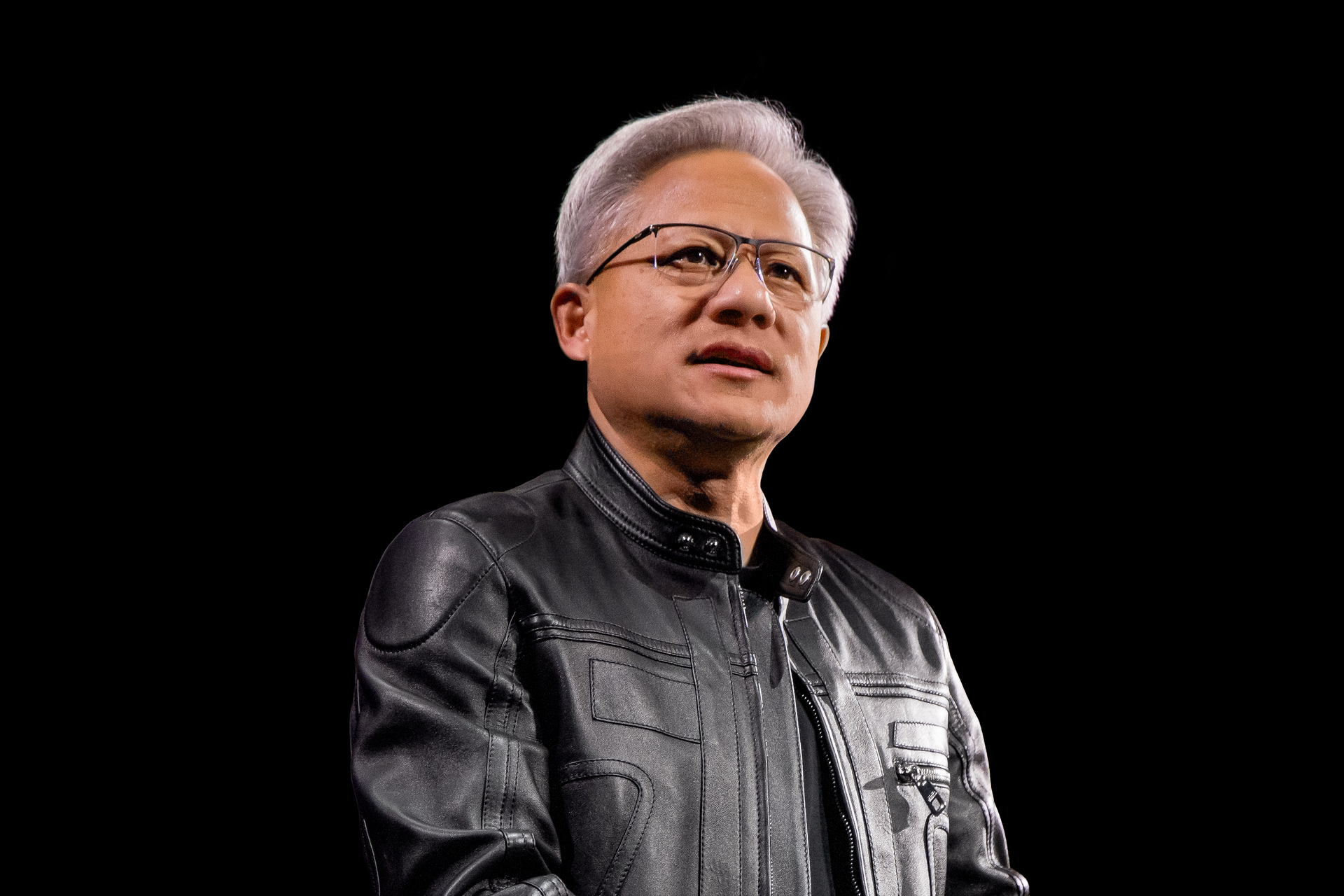
Jensen Huang: The Architect of NVIDIA’s Tech Empire
Born in Tainan, Taiwan, in 1963, Jensen Huang moved to the United States during his childhood, eventually earning his bachelor’s degree in electrical engineering from Oregon State University in 1984 and a master’s degree in electrical engineering from Stanford University in 1992. His early career included roles at LSI Logic and Advanced Micro Devices (AMD), where he gained invaluable experience in semiconductor design and microprocessor architecture. These formative years laid the groundwork for a future that would see him become one of the most recognized and respected leaders in the tech world.
From Co-founder to Visionary Leader
In 1993, at the age of 30, Jensen Huang co-founded NVIDIA with Chris Malachowsky and Curtis Priem. The trio’s ambition was to create specialized chips that could render 3D graphics, a nascent but rapidly growing field driven by the emerging PC gaming market. Their initial vision was to develop general-purpose graphics processors that could accelerate the performance of a wide range of applications, going beyond the limitations of traditional CPUs. From the outset, Huang’s leadership was characterized by a relentless pursuit of innovation and a clear strategic outlook, often predicting shifts in computing paradigms long before they became mainstream. He wasn’t just building a company; he was helping to define an entirely new segment of the technology industry. His ability to anticipate future needs, coupled with a deep understanding of hardware and software synergy, allowed NVIDIA to consistently stay ahead of the curve.
Early Innovations and the Genesis of Modern Computing
NVIDIA’s early days were marked by intense competition and rapid technological advancements. The company’s focus on the Graphics Processing Unit (GPU) as a dedicated parallel processing engine proved to be a game-changer. Key early products like the NV1 and the critically acclaimed Riva TNT series paved the way for the GeForce line, which would become synonymous with high-performance PC gaming. Huang understood that the demand for increasingly realistic graphics would push the boundaries of chip design, requiring not just more power but fundamentally different architectures. This foundational work in rendering complex visual data would later prove to be an unexpected but crucial stepping stone for the company’s future dominance in AI and scientific computing. The commitment to pushing graphical fidelity and computational efficiency established NVIDIA’s reputation for engineering excellence and innovation, setting the stage for its eventual transformation from a gaming hardware provider to a multifaceted AI computing platform company.
NVIDIA’s Ascendance: Driving Technological Paradigms
Under Jensen Huang’s leadership, NVIDIA transitioned from a successful graphics chip company to a multifaceted computing platform innovator, fundamentally altering how various industries approach complex problems. This evolution wasn’t accidental; it was a result of strategic foresight and a willingness to invest heavily in research and development, often years ahead of market demand.
The GPU Revolution and Gaming’s Evolution
NVIDIA’s initial and enduring legacy was forged in the crucible of the PC gaming industry. The introduction of the GeForce 256 in 1999, which NVIDIA officially dubbed the world’s first “GPU,” marked a pivotal moment. This chip integrated transform and lighting capabilities directly into the hardware, offloading critical functions from the CPU and enabling richer, more immersive 3D graphics. This innovation not only revolutionized gaming experiences but also established the GPU as an indispensable component in high-performance computing. Huang understood that the insatiable demand for better visuals in games would drive continuous advancements in GPU architecture, creating a virtuous cycle of innovation that would benefit future applications beyond entertainment. The annual releases of new GeForce architectures pushed graphical boundaries, fostering a thriving ecosystem of game developers, artists, and enthusiasts who relied on NVIDIA’s hardware to bring their creative visions to life.
CUDA and the Dawn of Parallel Computing
Perhaps Huang’s most significant strategic move, beyond traditional graphics, was the realization that GPUs, with their massively parallel architecture designed to process thousands of pixels simultaneously, could be repurposed for general-purpose computation. In 2006, NVIDIA introduced CUDA (Compute Unified Device Architecture), a parallel computing platform and programming model that allowed developers to use GPUs for tasks far beyond graphics rendering. This was a monumental pivot that unlocked the GPU’s potential for scientific research, data analytics, and eventually, artificial intelligence. Suddenly, tasks that took days or weeks on traditional CPUs could be completed in hours or minutes on GPUs. Huang’s insight transformed the GPU from a specialized graphics accelerator into a versatile parallel supercomputer, democratizing access to immense computational power and laying the groundwork for many of the technological breakthroughs we see today.
Fueling the AI and Deep Learning Explosion
The true impact of CUDA became dramatically apparent with the rise of deep learning in the early 2010s. Researchers discovered that the parallel processing capabilities of GPUs were perfectly suited for training neural networks, which require processing vast amounts of data through millions of simultaneous calculations. NVIDIA’s GPUs became the de facto standard for AI research and development, igniting an explosion in machine learning applications across every industry. From image recognition and natural language processing to drug discovery and climate modeling, NVIDIA’s hardware became the essential engine. Jensen Huang’s early and aggressive investment in AI, long before its mainstream adoption, positioned NVIDIA at the epicenter of this technological revolution. He didn’t just provide the tools; he actively fostered the ecosystem, supporting researchers, developing specialized AI software libraries, and designing chips specifically optimized for AI workloads, such as the Tensor Core GPUs. This foresight cemented NVIDIA’s role not just as a hardware vendor, but as a fundamental enabler of the AI era.
Beyond Graphics: NVIDIA’s Diversified Tech Horizon
Under Huang’s leadership, NVIDIA has systematically expanded its reach far beyond its gaming roots, strategically positioning its GPU-centric platforms at the core of several transformative industries. This diversification is a testament to the versatility of its core technology and Huang’s vision for its broader applications.
Data Centers: The Engine of the AI Era
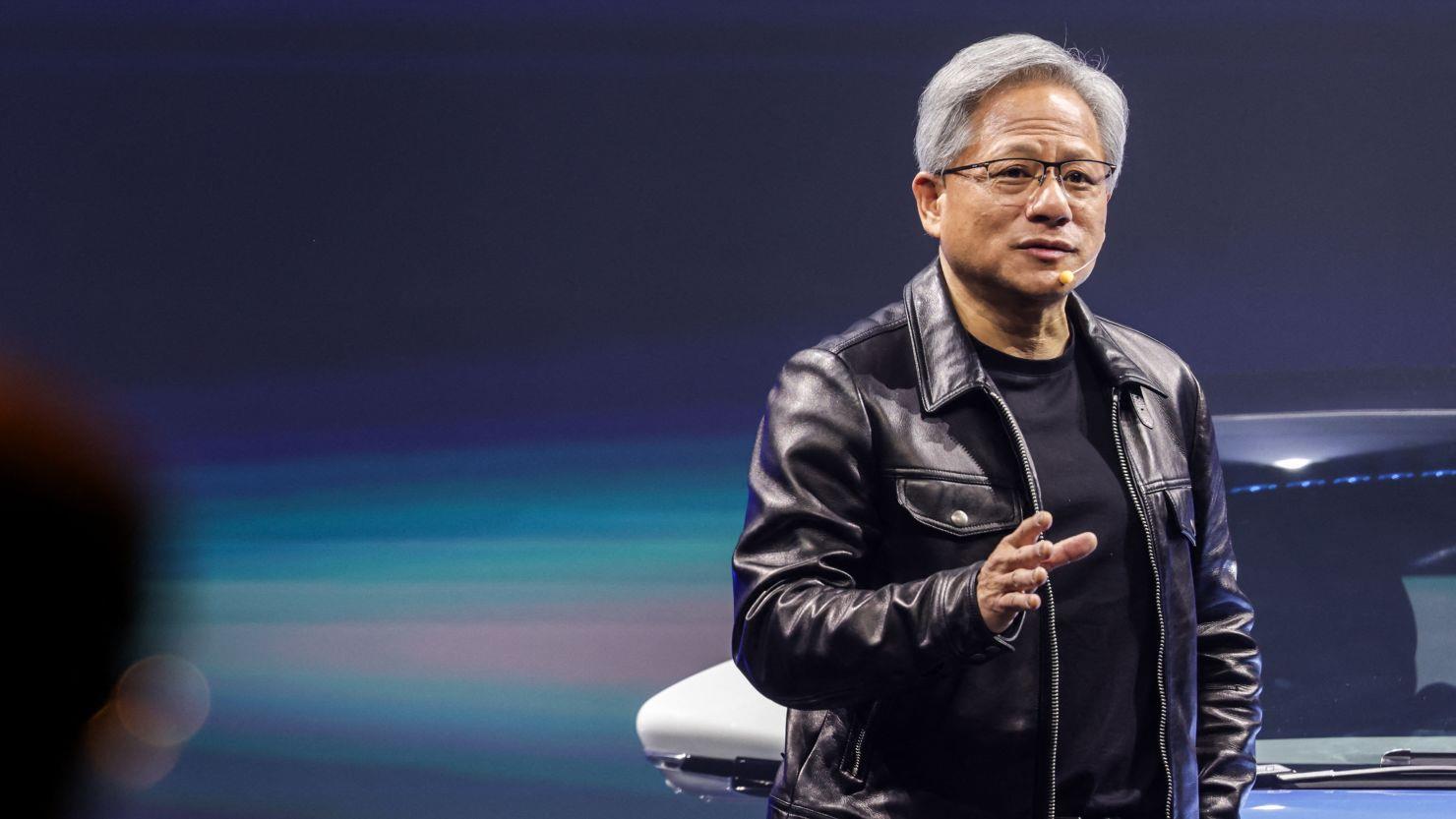
Today, NVIDIA’s most significant growth driver is its Data Center business, which supplies powerful GPUs, networking solutions, and comprehensive software stacks to cloud providers, enterprises, and research institutions globally. As AI models grow exponentially in size and complexity, the demand for NVIDIA’s specialized hardware – particularly its H100 and A100 Tensor Core GPUs – has skyrocketed. These data center-grade GPUs, combined with NVIDIA’s Mellanox networking technology and its CUDA-X software libraries, form the backbone of modern AI infrastructure. Huang correctly identified that AI training and inference would become the defining workloads of the data center, requiring entirely new architectures that could handle massive parallel computations at scale. NVIDIA’s integrated hardware and software platform, designed from the ground up for AI, gives it a formidable competitive advantage, making it an indispensable partner for companies pushing the boundaries of what AI can achieve.
Autonomous Vehicles: Pioneering the Future of Mobility
Another critical area of NVIDIA’s strategic focus is autonomous vehicles. Recognizing the immense computational demands of real-time perception, decision-making, and path planning, Huang envisioned a future where NVIDIA GPUs would power self-driving cars. The NVIDIA DRIVE platform provides a scalable, end-to-end solution for autonomous driving, encompassing powerful AI processors, sensor fusion software, and simulation environments. This platform allows automakers and robotaxi companies to develop, test, and deploy highly sophisticated autonomous systems. NVIDIA’s approach extends beyond individual cars to include the entire ecosystem, from data collection and model training in the cloud to the in-vehicle computing that enables safe navigation. This venture into automotive technology highlights Huang’s commitment to applying NVIDIA’s core AI strengths to solve some of the most complex real-world engineering challenges, transforming transportation and logistics.
The Omniverse: Building the Metaverse Infrastructure
In recent years, Jensen Huang has championed the NVIDIA Omniverse, a real-time 3D simulation and collaboration platform. Pitched as the “operating system for the metaverse,” Omniverse allows designers, engineers, and creators to build, simulate, and operate digital twins of factories, cities, and even entire planets. It brings together NVIDIA’s expertise in graphics, AI, and physically accurate simulation, enabling photorealistic rendering and collaborative design across disparate software applications. Omniverse represents a significant bet on the future of virtual worlds and industrial digitalization, positioning NVIDIA to provide the foundational technology for building and interacting within these complex, interconnected digital environments. This platform exemplifies Huang’s long-term vision: not just to provide components, but to create entire computing platforms that define the next generation of technological advancement, merging the physical and digital realms.
Leadership and Innovation: Huang’s Enduring Impact on Tech
Jensen Huang’s influence extends beyond specific products and platforms. His unique leadership style and unwavering commitment to innovation have profoundly shaped NVIDIA’s internal culture and its external perception as a technology leader.
Cultivating a Culture of Relentless Innovation
Huang is renowned for his hands-on approach and his deep technical understanding. He fosters a culture at NVIDIA where innovation is not just encouraged but expected at every level. This involves significant investments in R&D, a willingness to take calculated risks on emerging technologies, and a long-term perspective that often sees the company developing solutions years before the market fully understands their potential. He famously states that NVIDIA is “a software company that happens to make chips,” emphasizing the critical role of software development (like CUDA and its vast libraries) in unleashing the full power of their hardware. This integrated approach, where hardware and software are co-designed, is a hallmark of NVIDIA’s engineering philosophy and a key differentiator in the tech industry. Huang encourages engineers to think broadly about the applications of their work, moving beyond conventional boundaries to discover new frontiers for computing.
Strategic Acumen and Market Dominance
Huang’s strategic vision has consistently positioned NVIDIA at the forefront of major technological shifts. He foresaw the importance of parallel processing for gaming, then for scientific computing, and ultimately for artificial intelligence. Each time, he steered NVIDIA to invest heavily in the necessary hardware, software, and ecosystem support, allowing the company to dominate nascent markets. His acumen extends to market positioning, understanding the power of a platform strategy, and building a loyal developer community. NVIDIA’s consistent ability to innovate and execute has resulted in significant market leadership across its key segments, from high-end graphics cards to AI accelerators in data centers. This strategic brilliance has not only yielded immense financial success for NVIDIA but has also allowed it to dictate the pace and direction of innovation in crucial areas of modern computing.
The Future of Tech Under NVIDIA’s Helm
As the technology landscape continues its rapid evolution, NVIDIA, under Jensen Huang, remains positioned at the vanguard, ready to tackle future challenges and opportunities. The company’s focus on foundational AI computing infrastructure ensures its relevance for decades to come.
Navigating the AI Frontier
The AI revolution is still in its early stages, and NVIDIA is uniquely poised to continue driving its progress. As AI models become more complex, requiring ever-increasing computational power, NVIDIA’s next-generation GPUs and specialized AI chips will be critical. Huang’s vision extends to pervasive AI, where intelligence is embedded in every device and system, from industrial robots and smart cities to personalized healthcare and creative tools. The ongoing investment in software stacks like CUDA, cuDNN, and TensorRT, combined with platforms like DGX and Omniverse, indicates NVIDIA’s commitment to providing a complete, end-to-end ecosystem for AI development and deployment. The company is not just selling chips; it is selling the future of computing powered by AI.
Challenges and Opportunities in a Rapidly Evolving Landscape
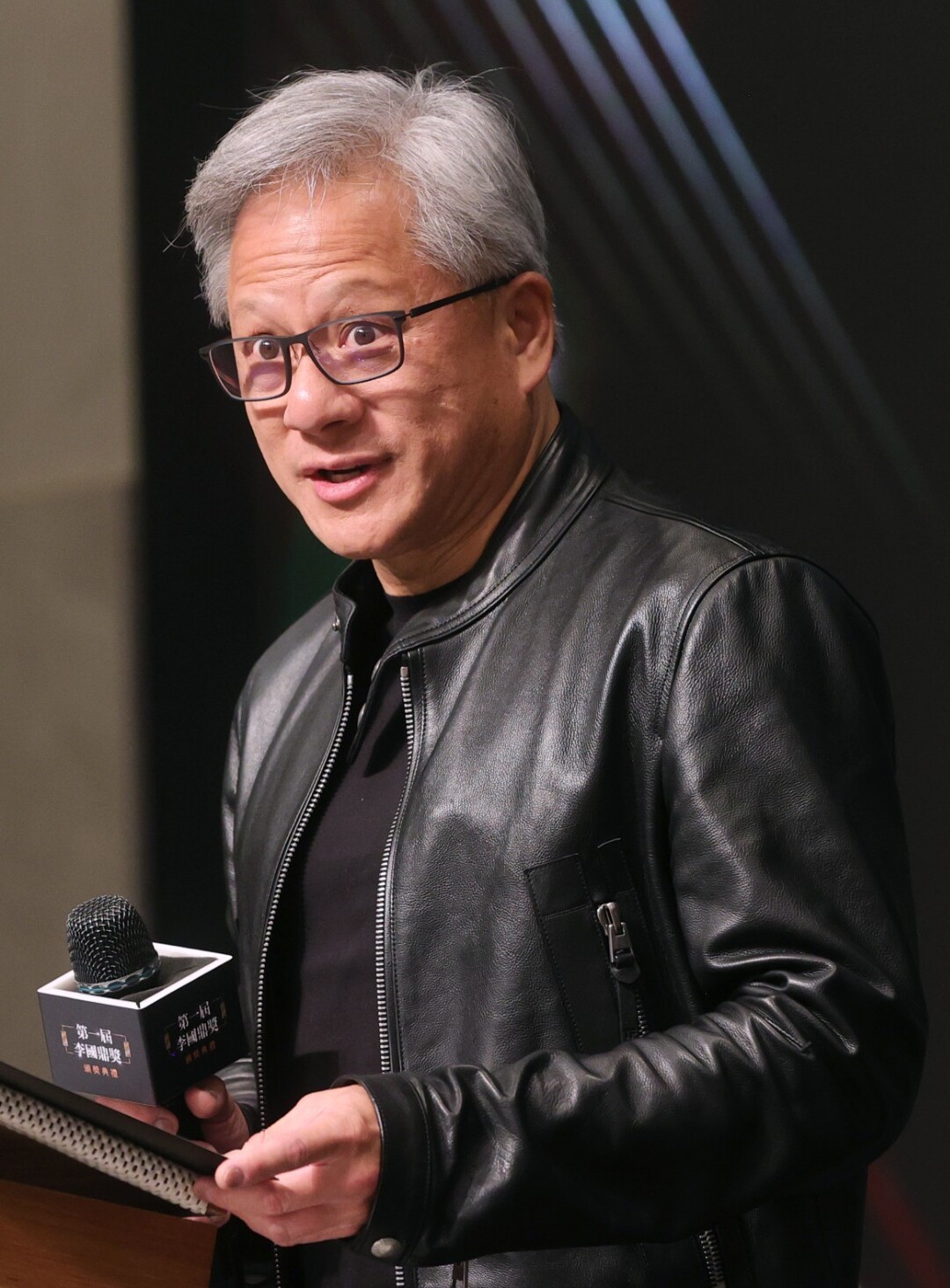
Despite its dominant position, NVIDIA faces a dynamic and competitive environment. The challenges include rising competition from custom AI chips designed by tech giants like Google and Amazon, geopolitical complexities affecting supply chains and market access, and the constant pressure to innovate faster than anyone else. However, these challenges are matched by immense opportunities. The demand for AI computing is virtually limitless, driven by every sector of the global economy. NVIDIA’s strengths lie in its integrated hardware-software platform, its massive developer ecosystem, and Jensen Huang’s proven track record of strategic vision and execution. As the world increasingly relies on accelerated computing for scientific discovery, industrial automation, and digital interaction, NVIDIA, under Huang’s steady hand, is set to continue its role as a pivotal architect of the future of technology. His enduring leadership ensures that NVIDIA will remain a name synonymous with pushing the boundaries of what computers can do, shaping the technological world for generations to come.
aViewFromTheCave is a participant in the Amazon Services LLC Associates Program, an affiliate advertising program designed to provide a means for sites to earn advertising fees by advertising and linking to Amazon.com. Amazon, the Amazon logo, AmazonSupply, and the AmazonSupply logo are trademarks of Amazon.com, Inc. or its affiliates. As an Amazon Associate we earn affiliate commissions from qualifying purchases.