
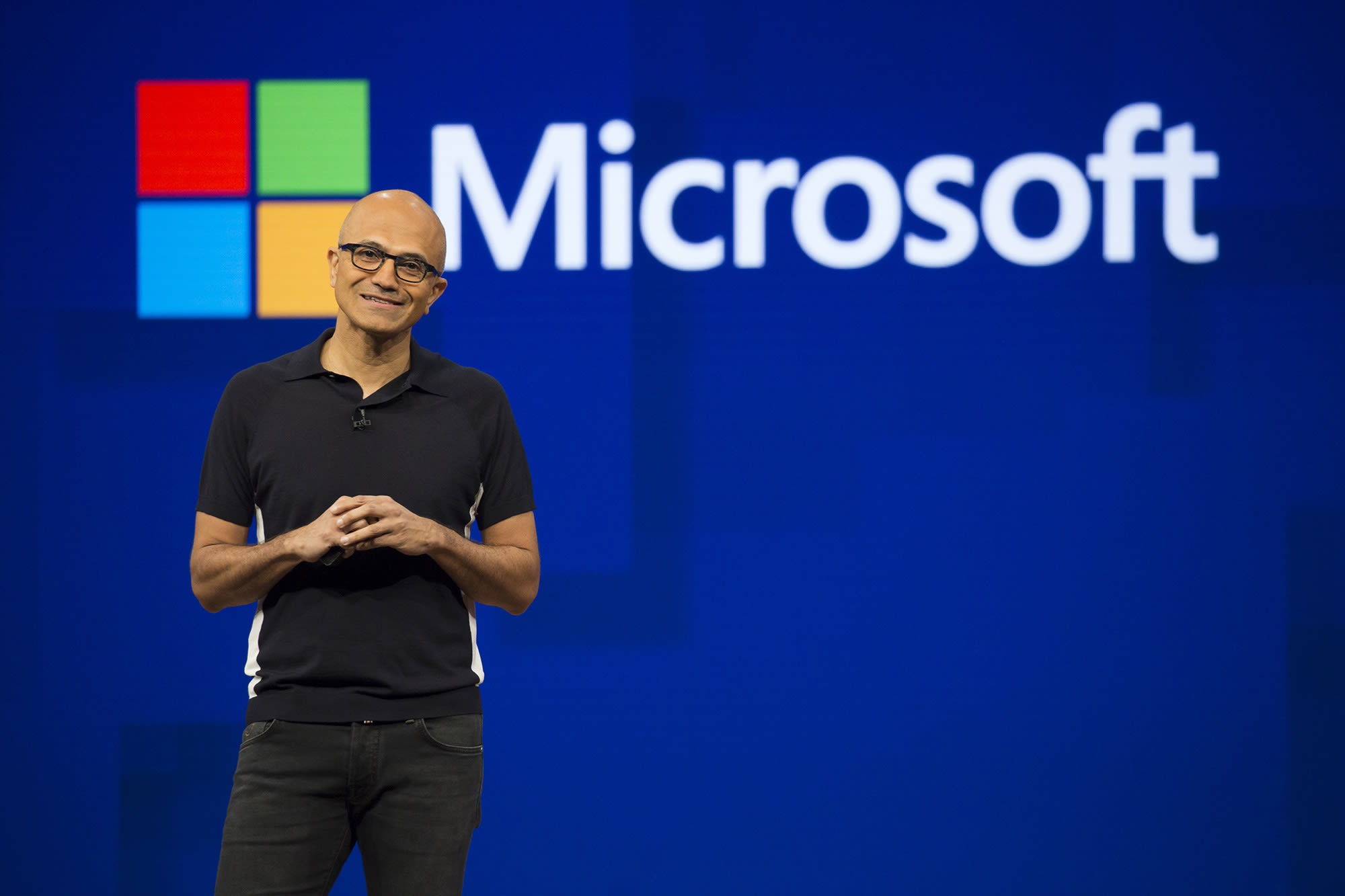
When Satya Nadella took the helm of Microsoft in February 2014, he didn’t just inherit a software company; he inherited a brand at a crossroads. For decades, Microsoft had been the dominant force in personal computing, but by the mid-2010s, it was often perceived as a stagnant legacy brand—a “know-it-all” organization that had missed the mobile revolution and was losing its relevance to more agile competitors like Google and Apple.
The question of “who is the CEO of Microsoft” is, therefore, more than a query about a person’s identity. It is a question about the architect of one of the most significant corporate identity shifts in history. Under Nadella’s leadership, Microsoft has undergone a profound brand transformation, moving from a closed-off monopoly to an empathetic, open, and AI-driven ecosystem. This evolution serves as a definitive case study in how brand strategy can revive a global titan.

The Cultural Architect: Redefining Corporate Identity
At its core, a brand is not just a logo or a slogan; it is the manifestation of a company’s culture. Before Nadella, Microsoft’s brand was synonymous with internal competition and a rigid adherence to the Windows operating system. Nadella recognized that to change the world’s perception of the Microsoft brand, he first had to change the brand’s internal heartbeat.
Moving from “Know-it-all” to “Learn-it-all”
One of Nadella’s most famous branding maneuvers was the adoption of the “Growth Mindset,” a concept pioneered by Stanford psychologist Carol Dweck. He sought to shift Microsoft’s corporate identity from a culture of “know-it-alls” to a culture of “learn-it-alls.”
From a brand strategy perspective, this was revolutionary. It signaled to the market that Microsoft was no longer arrogant. By admitting that they didn’t have all the answers, the brand became more human and approachable. This internal shift allowed for external innovation. When employees were encouraged to learn rather than defend their territory, the brand began to produce products that truly met customer needs rather than just protecting the Windows monopoly.
The Empathy-Driven Brand Strategy
Nadella introduced “empathy” as a core pillar of Microsoft’s brand identity. In his book Hit Refresh, he argued that empathy is not just a soft skill but a source of innovation. By understanding the unarticulated needs of customers, Microsoft could build better products. This focus on empathy helped pivot the brand toward accessibility and inclusion. Today, Microsoft is recognized as a leader in inclusive design, ensuring that their software and hardware are usable by people with various disabilities. This has added a layer of social responsibility and ethical leadership to the Microsoft brand that was largely absent in previous decades.
Rebranding the Ecosystem: From Closed Systems to Open Collaboration
For years, the Microsoft brand was defined by its “walled garden.” It was a brand that viewed the open-source community and competitors as threats to be neutralized. One of Nadella’s most daring moves was to dismantle these walls, fundamentally changing what the Microsoft brand stood for in the eyes of developers and IT professionals.
Embracing Linux and the Power of Partnership
Perhaps the most shocking moment in modern corporate branding was the “Microsoft Loves Linux” campaign. For a brand that had once called Linux a “cancer,” this was a total reversal of identity. By embracing open source, Microsoft rebranded itself as a collaborator rather than a conqueror.
This strategic pivot was essential for the success of Microsoft Azure. To build a successful cloud platform, the brand had to be seen as agnostic and supportive of whatever tools developers wanted to use. By putting the Microsoft brand on Linux and making its flagship products—like Office—available on iOS and Android, Nadella sent a clear message: the brand exists to empower the user, regardless of the device or operating system they choose.
Cloud First, Mobile First: Updating the Mission Statement
A brand’s mission statement is its North Star. The original Microsoft mission, “a computer on every desk and in every home,” was centered on the product. Nadella updated this to “empower every person and every organization on the planet to achieve more.”

This shift from a product-centric brand to a purpose-centric brand was a masterstroke. It decoupled the brand’s value from specific hardware or software versions. By focusing on “empowerment,” the brand became evergreen. Whether Microsoft is selling cloud services, AI tools, or productivity software, the brand promise remains the same. This clarity of purpose has allowed Microsoft to maintain a consistent corporate identity even as it enters diverse markets like professional networking (LinkedIn) and gaming (Xbox/Activision).
The Personal Brand of Satya Nadella: Leadership as Identity
In the modern business landscape, the personal brand of a CEO is inextricably linked to the corporate brand. Just as Steve Jobs embodied Apple’s “Think Different” ethos, Satya Nadella embodies the modern Microsoft: quiet, consistent, and intellectually curious.
Quiet Confidence vs. Aggressive Salesmanship
Nadella’s predecessor, Steve Ballmer, was known for his high-energy, aggressive stage presence. While this worked in the 1990s, the 2010s required a different kind of leader. Nadella’s personal brand is defined by “quiet confidence.” He rarely engages in public feuds with competitors and avoids the “celebrity CEO” pitfalls that have plagued other tech leaders.
This stability has become a massive brand asset for Microsoft. In an era of tech volatility and leadership scandals, Microsoft’s brand projects a sense of “adults in the room.” Customers and investors view Microsoft as a reliable partner because its CEO presents a persona of level-headedness and long-term thinking.
Consistency as a Brand Asset
Nadella has been remarkably consistent in his messaging. From day one, he focused on the “Intelligent Cloud” and the “Intelligent Edge.” Over a decade later, he is still hammering the same themes, now updated for the age of Generative AI. This consistency creates brand equity; people know what to expect from Microsoft. The brand doesn’t chase every passing fad; it integrates new technologies into a pre-existing, coherent narrative of productivity and empowerment.
Modernizing the Legacy: AI and the Future Brand Narrative
The ultimate test of a brand’s strength is its ability to lead during a generational shift in technology. With the rise of Artificial Intelligence, Microsoft has positioned itself not as a legacy player trying to catch up, but as the primary driver of the AI era.
Positioned as the AI Utility for the World
Through the strategic partnership with OpenAI and the rapid integration of “Copilot” across its suite of products, Microsoft has successfully rebranded itself as the “AI company.” This wasn’t just a technical achievement; it was a branding victory. By moving faster than Google and Amazon in the public eye, Microsoft regained its status as an innovator.
The “Copilot” branding is particularly clever. It reinforces the brand’s core mission of empowerment—the AI isn’t there to replace the human (the pilot); it’s there to assist them. This helps mitigate the fear associated with AI and aligns the new technology with Microsoft’s long-standing identity as a productivity tool provider.
Measuring the ROI of a Reinvigorated Brand
The success of this brand transformation can be measured in more than just market capitalization, though Microsoft’s ascent to becoming one of the world’s most valuable companies is a clear indicator. The true measure is in brand sentiment. Microsoft is now a brand that developers want to work with, that young talent wants to work for, and that enterprise clients trust with their most sensitive data.
The brand has moved from being a utility you have to use to a partner you want to use. By focusing on culture, openness, personal leadership, and a clear vision for the future, Satya Nadella didn’t just answer the question of who should lead Microsoft; he redefined what Microsoft is.
In conclusion, the story of Satya Nadella’s tenure is the story of a brand that learned to “hit refresh.” It is a reminder that even the largest, most entrenched corporate identities can be revitalized through a commitment to empathy, a willingness to admit mistakes, and a relentless focus on a purpose-driven mission. For brand strategists and corporate leaders, Microsoft stands as the ultimate example of how to navigate the transition from a legacy titan to a future-proof powerhouse.
aViewFromTheCave is a participant in the Amazon Services LLC Associates Program, an affiliate advertising program designed to provide a means for sites to earn advertising fees by advertising and linking to Amazon.com. Amazon, the Amazon logo, AmazonSupply, and the AmazonSupply logo are trademarks of Amazon.com, Inc. or its affiliates. As an Amazon Associate we earn affiliate commissions from qualifying purchases.