
The question “Who is the owner of Google?” is deceptively simple, yet it unlocks a complex tapestry of corporate finance, shareholder dynamics, and the evolution of one of the world’s most influential companies. In the realm of publicly traded giants, the concept of a single “owner” is largely a relic of private enterprise. Instead, ownership is distributed, fractionalized, and constantly shifting, reflecting a sophisticated ecosystem of investors, founders, and governance structures. For Google, a company synonymous with innovation and global reach, understanding its ownership model is crucial for anyone interested in business finance, investment strategy, or corporate power dynamics. It’s a story not of one master, but of a vast network of stakeholders whose financial interests converge on the success and strategic direction of the tech behemoth now housed under its parent company, Alphabet Inc.

The Evolution of Ownership: From Garage Startup to Global Conglomerate
Google’s journey from a Stanford University project to a multi-trillion-dollar entity is a quintessential Silicon Valley saga. The initial ownership structure was straightforward: two founders held the reins. However, the demands of scaling a revolutionary technology quickly necessitated external capital, setting the stage for a distribution of equity that would define its financial future.
The Founders’ Initial Equity and Vision
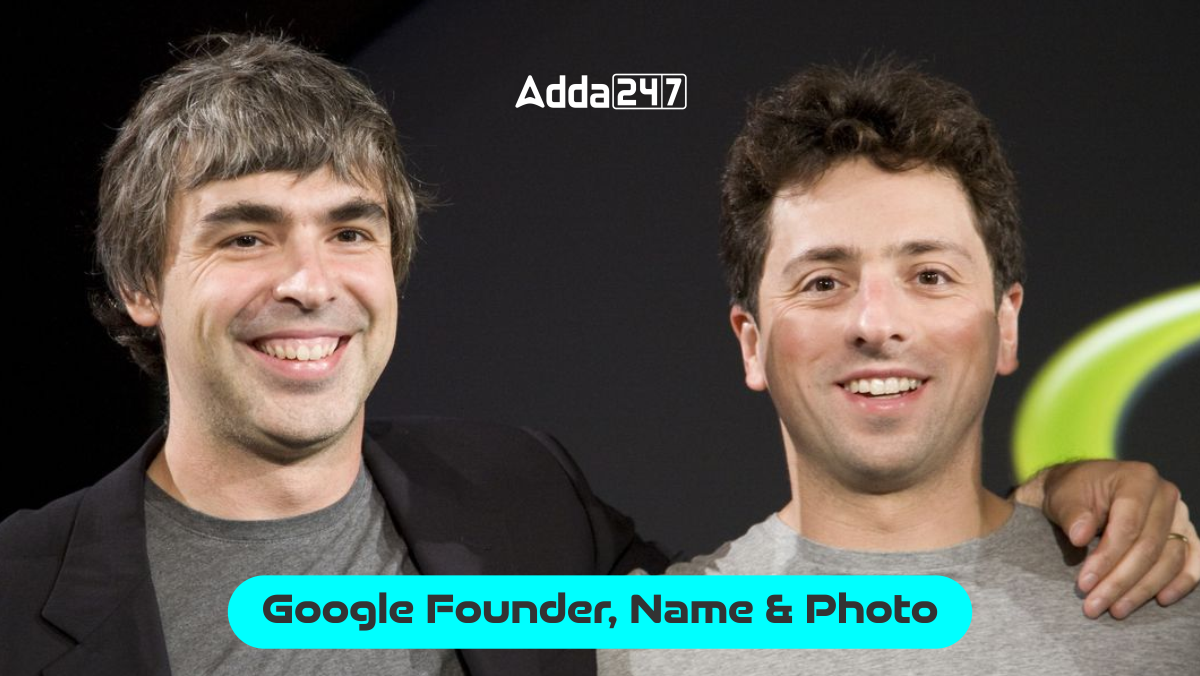
Larry Page and Sergey Brin, the brilliant minds behind Google’s search algorithm, began as the sole owners. Their initial equity stake was 100%, a common starting point for any startup. Their vision was not just to build a better search engine, but to organize the world’s information and make it universally accessible. This ambitious goal required significant investment, which in turn meant ceding portions of their ownership to venture capitalists and, eventually, to the public market. While their percentage ownership has naturally diluted over decades, their influence, particularly through a unique share structure, remains a cornerstone of Google’s financial governance.
Early Investors and the IPO: Broadening the Ownership Base
The path to Google’s staggering valuation involved several critical junctures where ownership was shared. Early venture capital firms like Sequoia Capital and Kleiner Perkins Caufield & Byers infused crucial funds in exchange for significant equity stakes. These investments provided the capital needed for expansion, hiring top talent, and developing infrastructure. The most transformative event, however, was Google’s Initial Public Offering (IPO) in August 2004. This landmark event moved Google from a privately held company to a publicly traded one, making shares available to institutional investors, mutual funds, pension funds, and individual retail investors worldwide. The IPO effectively broadened Google’s ownership base from a handful of founders and VCs to millions of shareholders, each owning a minuscule yet collectively powerful slice of the company. This shift marked the true democratization of Google’s ownership, aligning its financial performance with the interests of a vast public.
Alphabet Inc.: The Strategic Financial Umbrella
In 2015, Google underwent a major corporate restructuring, forming a new parent company called Alphabet Inc. This move wasn’t merely a rebranding; it was a sophisticated financial and operational strategy designed to manage a diverse portfolio of businesses, enhance transparency, and optimize long-term shareholder value.
Why the Restructuring? De-risking and Diversification
The creation of Alphabet Inc. was primarily a strategic financial maneuver. By separating Google’s core advertising and search businesses from its more speculative “Other Bets” (such as Waymo for self-driving cars, Verily for life sciences, and DeepMind for AI research), the company aimed to achieve several objectives. Financially, it allowed for greater transparency into the performance of the highly profitable core Google business, which previously overshadowed the losses incurred by nascent, high-potential ventures. This transparency provides investors with a clearer picture of where their capital is being allocated and how different segments are performing. From a risk management perspective, it allowed the “Other Bets” to operate with more autonomy, pursuing moonshot projects without directly impacting the core Google brand’s financial stability, thereby de-risking the overall enterprise in the eyes of investors. Furthermore, it created distinct financial reporting segments, enabling more precise valuation and better capital allocation decisions across the diverse portfolio.
The Dual-Class Share Structure: Consolidating Control, Attracting Investment
A critical component of Alphabet’s (and formerly Google’s) ownership structure is its dual-class share system. Alphabet issues two primary classes of common stock: Class A shares (GOOGL), which come with one vote per share, and Class C shares (GOOG), which carry no voting rights. A third class, Class B shares, are privately held by the founders and early insiders, and these shares carry ten votes per share.
This dual-class structure is a powerful tool for balancing investor appeal with concentrated control. By offering Class A and Class C shares to the public, Alphabet attracts a broad base of investors seeking exposure to its growth and profitability. The non-voting Class C shares are particularly appealing to passive index funds or investors who prioritize financial returns over direct influence on corporate decisions. Simultaneously, the super-voting Class B shares held by Page, Brin, and former CEO Eric Schmidt effectively ensure that the founders retain majority voting power, regardless of their diminishing percentage of overall equity. This structure allows them to steer the company’s long-term vision and strategic direction, protecting it from short-term market pressures or activist investor demands. From a financial perspective, it provides stability at the top, which can be seen as both an advantage (consistent vision) and a potential drawback (less shareholder accountability) by different investment philosophies.
Who Truly Holds the Reins? Key Stakeholders and Their Influence

While the founders maintain significant control, the day-to-day and long-term financial health of Alphabet is influenced by a diverse array of shareholders. Understanding these key stakeholders is essential to grasping the true nature of its ownership.
Institutional Investors: Vanguard, BlackRock, and Their Shareholder Power
The largest owners of Alphabet, by a significant margin, are institutional investors. Financial giants like Vanguard Group, BlackRock Inc., State Street Corp., and Fidelity Management & Research Co. collectively hold vast percentages of Alphabet’s Class A and Class C shares. These institutions manage trillions of dollars in assets on behalf of their clients, including pension funds, mutual funds, and exchange-traded funds (ETFs). Their influence is primarily through their sheer collective voting power (for Class A shares) and their ability to move vast sums of capital in and out of the stock. While they typically operate as passive investors in diversified portfolios, their aggregate holdings mean that their perspectives on corporate governance, executive compensation, and strategic direction carry significant weight. Their decisions, driven by fiduciary duty to their own investors, often dictate market sentiment and can indirectly pressure management to enhance shareholder value.
Individual Investors and the Public Market: The Power of Collective Ownership
Beyond the institutional behemoths, millions of individual retail investors around the world own shares in Alphabet. These are everyday people investing through brokerage accounts, retirement plans, or direct stock purchase programs. While no single individual investor holds enough shares to sway corporate policy, their collective investment represents a massive pool of capital that underpins Alphabet’s market capitalization. The public market, comprising both institutional and individual investors, provides the liquidity that allows Alphabet’s shares to be traded freely, enabling price discovery and serving as a constant referendum on the company’s perceived value and future prospects. This collective ownership ensures that Alphabet, despite its size, remains accountable to the broader market, even if direct voting power is concentrated.
The Founders’ Enduring Influence: Voting Power and Strategic Direction
Despite owning a smaller percentage of the total outstanding equity compared to their early days, Larry Page and Sergey Brin, along with a few other insiders, retain disproportionate voting power through their Class B shares. This concentrated control allows them to effectively veto any major decisions requiring shareholder approval, such as mergers, acquisitions, or changes to the company’s charter. From a financial perspective, this structure can be viewed as providing stability and a long-term strategic focus, protecting the company from the short-term pressures often exerted by public markets. It allows the founders to pursue ambitious, long-term projects (like those under Other Bets) that might not deliver immediate financial returns but could unlock significant value decades down the line. Investors tolerate this arrangement because they generally trust the founders’ vision and track record of creating immense shareholder wealth.
The Financial Implications of Google’s Ownership Model
The intricate ownership structure of Alphabet Inc. has profound financial implications, influencing everything from its market valuation to its corporate governance and how investors perceive its long-term potential.
Market Valuation and Shareholder Value Creation
Alphabet’s ownership model, particularly its dual-class share structure, plays a direct role in its market valuation. The stability afforded by concentrated founder control is often seen as a positive by long-term growth investors, as it theoretically allows management to focus on innovation rather than being constantly swayed by quarterly earnings demands. This can lead to a higher perceived intrinsic value. Furthermore, the ability to fund ambitious “Other Bets” through the Alphabet structure, while maintaining transparency for the core Google business, allows for potential future growth engines to be nurtured. This diversification, financed by investor capital, is a strategy to continuously create shareholder value by identifying and cultivating the next generation of revenue streams beyond traditional advertising. The high market capitalization of Alphabet reflects investor confidence in this model and the ability of its leadership to generate substantial returns over time.
Corporate Governance and Fiduciary Responsibilities
Corporate governance under Alphabet’s ownership model is unique. While a publicly traded company typically has a board of directors accountable to all shareholders, the super-voting shares mean that the ultimate power largely resides with the founders. This doesn’t negate the fiduciary responsibilities of the board and management to act in the best interests of all shareholders; rather, it shapes how those responsibilities are exercised. The board provides oversight on financial performance, risk management, and executive compensation, but strategic direction is heavily influenced by the founders. For investors, this means trusting the vision and integrity of Page and Brin. Activist investors, who typically try to force changes in strategy, find it much harder to exert influence due to the entrenched voting power, which can be both a blessing (protection from short-sighted demands) and a curse (less direct shareholder democracy).
The Impact on Investment Decisions and Market Perception
For investors, understanding who “owns” Google (through Alphabet) is critical for making informed decisions. Those seeking voting power or a voice in corporate decisions might opt for Class A shares, though their individual impact will be minimal. Many passive investors, however, are content with Class C shares, focusing solely on capital appreciation and dividends (though Alphabet rarely pays them, preferring reinvestment). The market generally perceives Alphabet’s ownership structure as stable and conducive to long-term growth, a testament to the founders’ proven track record. This perception influences demand for its shares, contributing to its consistently high valuation. Any shifts in founder involvement or changes to the share structure would send significant signals to the market, potentially impacting stock price and investor sentiment, as it would alter the fundamental control mechanism that has guided Google’s incredible financial success.
In conclusion, “ownership” of Google is a distributed and layered concept. It resides collectively with millions of shareholders, from individual retail investors to global institutional giants, all united under the financial umbrella of Alphabet Inc. At its core, however, the strategic direction and ultimate control continue to be guided by its visionary founders, Larry Page and Sergey Brin, through a carefully constructed dual-class share structure. This model allows Alphabet to leverage vast public capital for growth and innovation while maintaining a stable, long-term strategic focus, making it a fascinating case study in modern corporate finance and investment.
aViewFromTheCave is a participant in the Amazon Services LLC Associates Program, an affiliate advertising program designed to provide a means for sites to earn advertising fees by advertising and linking to Amazon.com. Amazon, the Amazon logo, AmazonSupply, and the AmazonSupply logo are trademarks of Amazon.com, Inc. or its affiliates. As an Amazon Associate we earn affiliate commissions from qualifying purchases.