
Navigating the intricate landscape of student loans can be a daunting endeavor for many, and a fundamental step in effectively managing this significant financial obligation is pinpointing your loan servicer. Unlike the original lender—which could be the federal government or a private institution—your loan servicer is the company that handles the day-to-day administration of your loan account. They are your primary point of contact for payments, repayment plans, deferments, forbearances, and virtually all other aspects of your student debt. Understanding who this entity is, and how to interact with them, is not just a logistical detail; it’s a critical component of sound personal finance and a prerequisite for avoiding unnecessary stress or financial missteps.
The Critical Role of Your Loan Servicer
The relationship with your student loan servicer is arguably more direct and impactful than with your original lender. While the lender provides the capital, the servicer manages the ongoing contractual obligations. They are the gatekeepers to various programs and the arbiters of your repayment journey.
Beyond the Initial Loan: What a Servicer Does
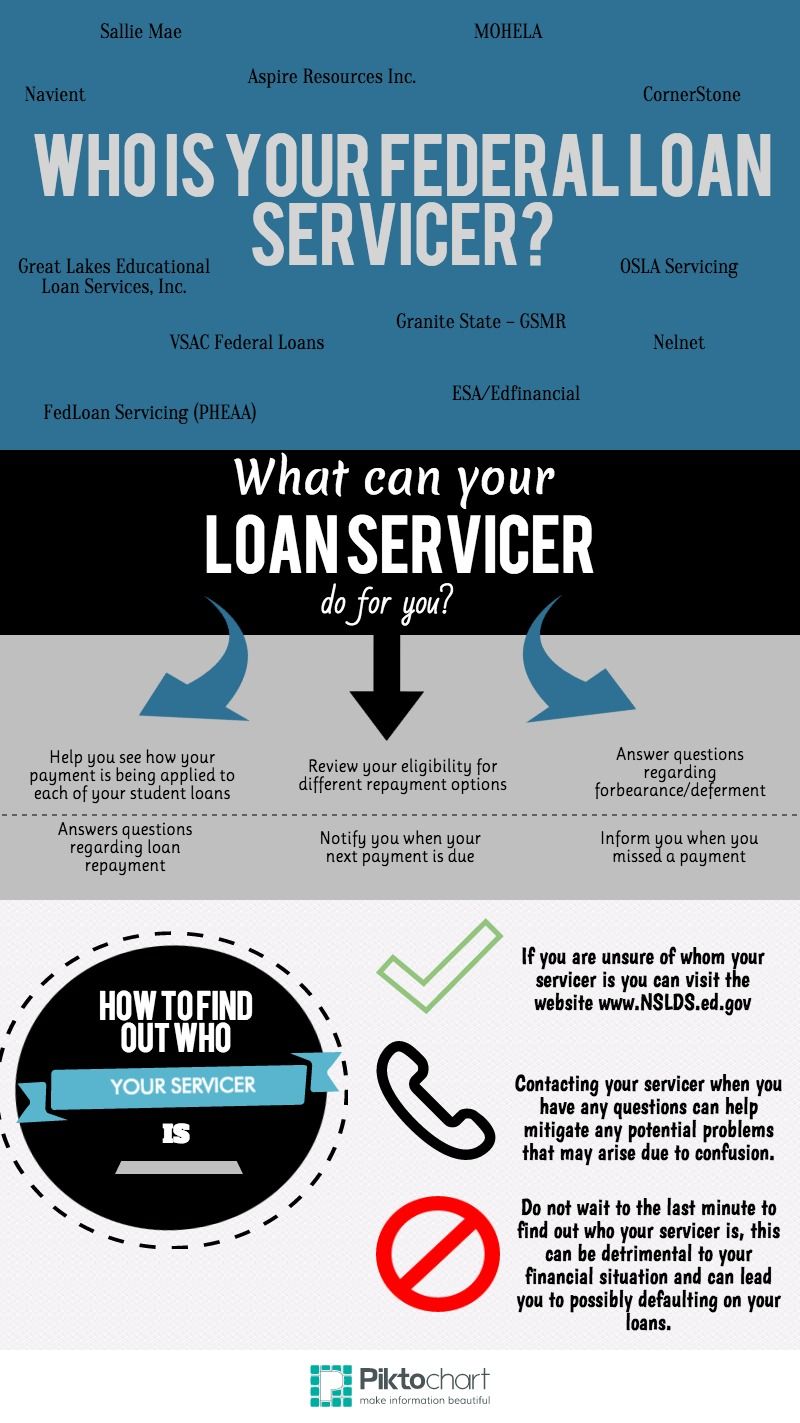
A loan servicer acts as the operational arm for your student loan. Their responsibilities are extensive and directly affect your financial standing:
- Payment Processing: This is their most visible function. They collect and apply your monthly payments, ensuring your account accurately reflects your current balance.
- Customer Service: Servicers are your primary resource for questions about your loan terms, interest rates, payment history, and general account inquiries.
- Repayment Plan Management: For federal student loans, servicers guide borrowers through various income-driven repayment (IDR) plans, extended repayment, graduated repayment, and standard repayment options. They help you enroll and recertify annually for IDR plans.
- Deferment and Forbearance: If you encounter financial hardship or specific life events, your servicer can explain eligibility and process requests for temporary payment postponements through deferment or forbearance.
- Loan Consolidation: While Federal Student Aid manages the Direct Consolidation Loan application, your servicer will ultimately take over the consolidated loan.
- Default Prevention: Servicers often have teams dedicated to assisting borrowers who are struggling to make payments, offering solutions to prevent default.
- Tax Information: They provide year-end statements, including tax forms like Form 1098-E, detailing the amount of student loan interest you paid, which may be tax-deductible.
- Communication: They send out crucial notices about payment due dates, account changes, interest rate adjustments, and important updates regarding federal programs.
Why Knowing Your Servicer is Non-Negotiable
Failing to identify and engage with your loan servicer can lead to a cascade of negative financial consequences. Without this knowledge, you could:
- Miss Payments: Unaware of where to send payments, you risk late fees, negative credit report entries, and potentially falling into delinquency or default.
- Forfeit Repayment Benefits: You might miss out on valuable federal programs, such as Public Service Loan Forgiveness (PSLF), teacher loan forgiveness, or income-driven repayment plans, simply because you don’t know who to contact to apply.
- Accrue Unnecessary Interest: Without proactively exploring options like interest rate reductions (if applicable for private loans) or understanding how interest accrues during periods of non-payment (like forbearance), you could pay more over the life of your loan.
- Damage Your Credit Score: Delinquency and default are reported to credit bureaus, severely impacting your ability to secure future loans for a home, car, or other necessities.
- Experience Stress and Confusion: Uncertainty about your financial obligations creates undue mental burden. Knowing your servicer provides clarity and a direct channel for resolving issues.
How to Pinpoint Your Federal Student Loan Servicer
For most borrowers, especially those who received financial aid through the Free Application for Federal Student Aid (FAFSA), their loans are federal. The process for identifying the servicer for these loans is streamlined and generally reliable.
The Definitive Source: Federal Student Aid Website
The U.S. Department of Education’s Federal Student Aid (FSA) website (StudentAid.gov) is the authoritative portal for all your federal student loan information. This should be your first and primary resource.
- Create or Log In to Your Account: You’ll need your FSA ID, which consists of a username and password. If you don’t have one, you can create it on the site. Your FSA ID is used to sign the FAFSA, access federal student aid records, and manage your federal student loans.
- Access Your Dashboard: Once logged in, navigate to your “My Aid” or “Dashboard” section. Here, you’ll find a comprehensive overview of your federal student loan history, including:
- Loan Status: Whether the loan is in repayment, deferment, forbearance, or default.
- Original Lenders: The entities that disbursed the funds.
- Current Servicers: Crucially, this section will list the name(s) of the company(ies) servicing each of your federal loans, along with their contact information.
- Loan Details: Original principal amount, current balance, interest rates, and disbursement dates.
This platform is designed to be a one-stop shop for federal student loan borrowers, consolidating information that might otherwise be scattered across multiple documents.
Leveraging Your Loan History
Before the widespread use of the FSA ID and comprehensive online dashboards, or as an alternative if you encounter issues with the website:
- Check Past Correspondence: Your loan servicer regularly sends statements, emails, or letters. Look for any physical mail or emails from companies like Nelnet, Aidvantage, MOHELA, or Edfinancial Services (common federal servicers). These documents will clearly state the servicer’s name and contact information.
- Review Your Credit Report: Federal student loans appear on your credit report. Obtaining a free copy of your credit report from AnnualCreditReport.com (the only federally authorized site) will list all your active loan accounts, including the names of the servicers associated with them. Note that credit reports may sometimes list the original lender rather than the servicer, but often the servicer will be identifiable.
What to Do If You Can’t Log In
If you’ve forgotten your FSA ID username or password, the StudentAid.gov website provides tools to recover them. You’ll typically need to answer security questions or use a verified email address or phone number. If you’ve exhausted these options or are having technical difficulties, contacting the Federal Student Aid Information Center (FSAIC) directly can help. They can be reached by phone, and while they won’t tell you your FSA ID, they can assist with account access issues.
Navigating Private Student Loans
Private student loans, unlike federal loans, are originated and managed by banks, credit unions, and other private financial institutions. They do not appear on the Federal Student Aid website, and the process for finding their servicer can be different.
The Direct Approach: Checking Your Credit Report
For private student loans, your credit report is often the most reliable method to identify your servicer. Since private loans are entirely market-driven, they are diligently reported to the three major credit bureaus (Equifax, Experian, and TransUnion).
- Request Your Free Credit Report: Visit AnnualCreditReport.com to obtain free copies of your credit report from each of the three major bureaus. You are entitled to one free report from each bureau every 12 months.
- Locate Loan Accounts: Scrutinize the “Accounts” or “Tradelines” section for entries labeled “student loan.” Each entry will typically list the name of the institution currently servicing the loan, the original loan amount, current balance, and payment status.
- Identify the Servicer: The name listed under the “Creditor” or “Lender” field for private student loans is usually the servicer itself, or at least the entity that holds and manages the debt.
Past Statements and Correspondence

Just like federal loans, private loan servicers are obligated to send regular statements and notices.
- Bank Statements and Online Banking Portals: If your private loan payments are directly debited from your bank account, your bank statements will show the name of the company receiving the payments. Many private lenders also offer online portals where you can log in to view your account details and statements.
- Mail and Email Archives: Search through old paper mail or email archives for any correspondence related to your student loans. Lenders and servicers send welcome packets, monthly statements, and year-end summaries. These documents will clearly display the servicer’s name and contact information.
Reaching Out to Your Lender
If you’re unsure who your original private lender was (e.g., a specific bank), and the credit report isn’t entirely clear, try to recall which financial institutions you applied to for loans. Many private lenders also service their own loans, or they might be able to direct you to the correct servicing partner.
Understanding Servicer Transitions and What They Mean for You
It’s not uncommon for student loan servicers to change over the life of your loan. This can happen for various reasons, from competitive bidding for federal loan contracts to mergers and acquisitions among private entities. While inconvenient, these transitions are usually seamless, provided you stay informed.
The Norm: Why Servicers Change
For federal loans, the Department of Education regularly reviews its servicing contracts. A servicer might lose its contract, or a new servicer might be assigned to manage a portion of federal loans. This is part of the government’s strategy to ensure efficiency and accountability. For private loans, banks may sell portfolios of loans to other financial institutions or servicing companies. This is a standard practice in the lending industry.
Your Rights and Responsibilities During a Transfer
When a loan is transferred, both federal and private servicers are legally obligated to notify you.
- Old Servicer Notification: Your current (old) servicer will send you a notice informing you of the upcoming transfer, the effective date, and the name of the new servicer.
- New Servicer Welcome Packet: The new servicer will send a welcome packet or notification with their contact information, instructions on how to set up your online account, and details on how to make payments.
- Grace Period (Often Implied): While not always an official “grace period,” servicers are typically lenient with payments immediately following a transfer, understanding that borrowers need time to adjust. However, it’s always best to make payments on time to the new servicer.
- Your Responsibility: Your primary responsibility is to read all correspondence carefully. Update your contact information with both old and new servicers if it has changed. If you have auto-payments set up, you will almost certainly need to re-establish them with the new servicer.
Common Pitfalls and How to Avoid Them
Servicer transitions, while routine, can sometimes lead to confusion.
- Payment Misdirection: A common pitfall is continuing to send payments to the old servicer. Always confirm the payment address and payee name with the new servicer.
- Lost Information: While servicers are required to transfer all your loan data, including payment history, sometimes minor discrepancies can occur. Keep your own records of payments made and important communications.
- Repayment Plan Status: If you are on an income-driven repayment plan or pursuing Public Service Loan Forgiveness, ensure your status and accrued qualifying payments are correctly transferred and acknowledged by the new servicer.
To avoid these issues, always keep an eye on your mail and email for notifications. As soon as you receive notice of a transfer, visit the new servicer’s website, set up your account, and confirm your loan details are accurate.
Maximizing Your Relationship with Your Loan Servicer
Once you’ve identified your servicer, the relationship doesn’t end there. Proactive engagement can be instrumental in managing your student loan debt effectively and navigating potential challenges.
Communication is Key: When and How to Engage
Your loan servicer is your primary resource for understanding and managing your debt. Don’t hesitate to reach out if you have questions or concerns.
- Before You Miss a Payment: If you anticipate difficulty making a payment, contact your servicer immediately. They can discuss options like deferment, forbearance, or alternative repayment plans before you fall behind. Proactivity is crucial.
- When Your Financial Situation Changes: A job loss, significant medical expense, or even an increase in income warrants a conversation with your servicer, especially for federal loans where income-driven repayment plans can adjust your monthly payment based on your current earnings.
- To Understand Your Options: Don’t assume you know all the available repayment strategies. Your servicer can walk you through the specifics of each federal repayment plan, explain interest accrual, and clarify eligibility requirements for forgiveness programs.
- Methods of Communication: Most servicers offer multiple channels: phone support, secure online messaging through their portal, and postal mail. For important conversations, especially those involving sensitive financial details or changes to your repayment plan, a phone call followed by written confirmation (or a summary of the call in a secure message) is often best. Always note the date, time, and name of the representative you spoke with.
Exploring Repayment Options and Support Programs
Your servicer is not just there to collect money; they are equipped to help you manage your debt responsibly.
- Income-Driven Repayment (IDR) Plans: For federal loans, these plans adjust your monthly payment based on your discretionary income and family size, making payments more affordable. After 20 or 25 years of qualifying payments (depending on the plan and when you borrowed), any remaining balance may be forgiven. Your servicer can help you apply and recertify annually.
- Deferment and Forbearance: These temporary postponements of payments are lifelines during periods of unemployment, economic hardship, or enrollment in school. Understand the implications of each, as interest may still accrue during forbearance.
- Public Service Loan Forgiveness (PSLF): If you work for a qualifying non-profit organization or government agency, your federal direct loans could be forgiven after 120 qualifying payments under a qualifying repayment plan. MOHELA is the designated servicer for PSLF.
- Consolidation: Your servicer can explain how consolidating multiple federal loans into a single Direct Consolidation Loan can simplify payments and potentially open doors to certain IDR plans or PSLF.
Document Everything: A Best Practice for Loan Management
Maintaining meticulous records is a cornerstone of responsible financial management, particularly with student loans.
- Keep Copies of All Correspondence: Save emails, letters, and statements from your servicer. This includes annual statements, notices of payment changes, and confirmation of repayment plan enrollment.
- Record Phone Conversations: Note the date, time, and the name of the representative you spoke with for every phone call. Briefly summarize the discussion and any actions agreed upon.
- Maintain Payment Records: Whether you pay online, by mail, or through auto-debit, keep records of each payment made, including the amount and date.
- Annual Reviews: Once a year, review your credit report and your loan information on StudentAid.gov (for federal loans) to ensure everything is accurate and up to date.
By actively engaging with your loan servicer, understanding your options, and maintaining diligent records, you empower yourself to navigate your student loan journey with confidence and clarity, ultimately working towards financial freedom.
aViewFromTheCave is a participant in the Amazon Services LLC Associates Program, an affiliate advertising program designed to provide a means for sites to earn advertising fees by advertising and linking to Amazon.com. Amazon, the Amazon logo, AmazonSupply, and the AmazonSupply logo are trademarks of Amazon.com, Inc. or its affiliates. As an Amazon Associate we earn affiliate commissions from qualifying purchases.