
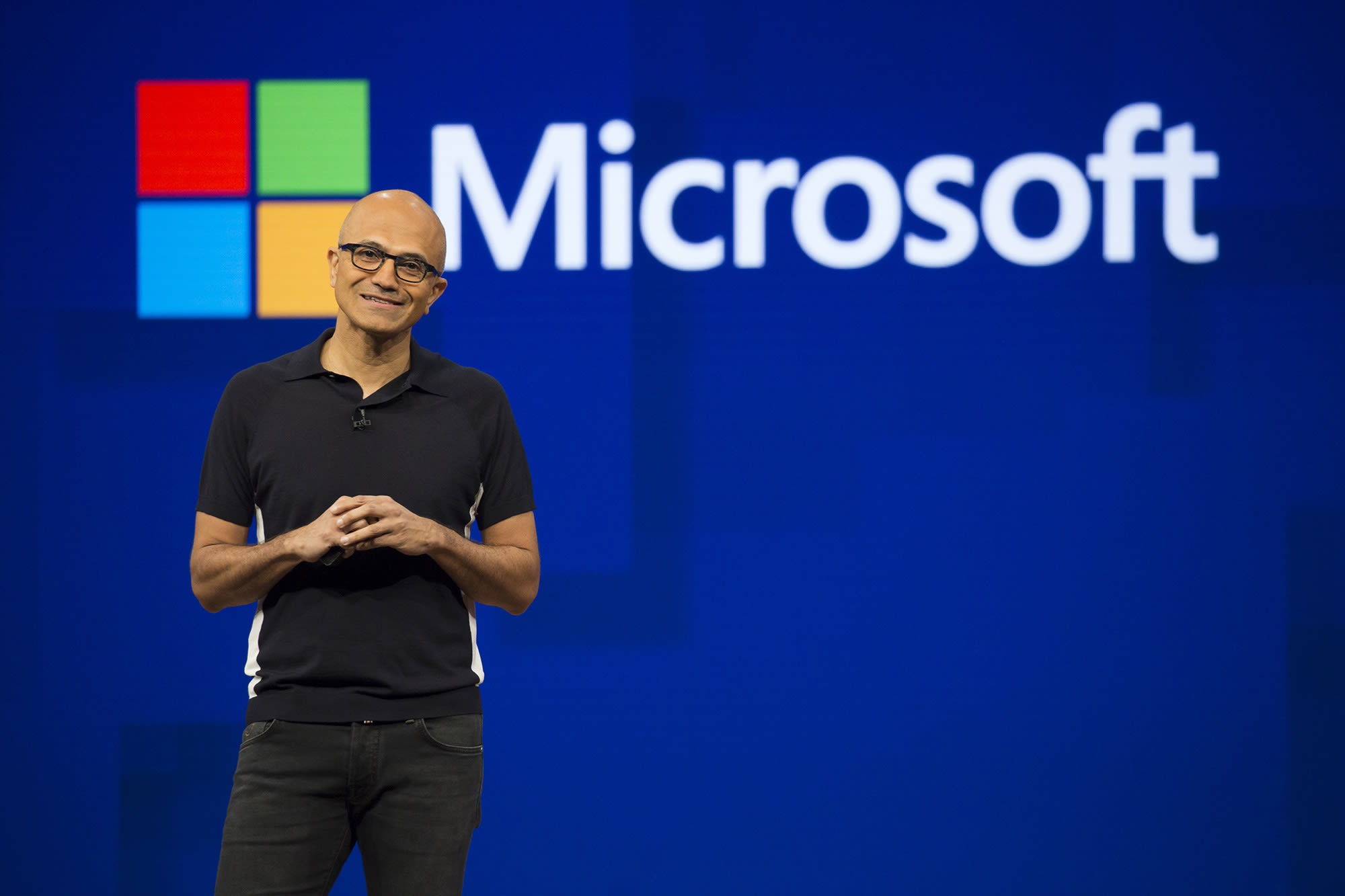
In the annals of corporate leadership, few roles carry the weight and scrutiny that come with helming a technology titan like Microsoft. For over a decade, the individual guiding this colossal entity has been Satya Nadella, a name synonymous with one of the most remarkable transformations in modern business history. Far from merely holding a title, Nadella has fundamentally reshaped Microsoft’s technological identity, its market strategy, and its very culture, steering it from a perceived industry laggard to a vanguard in cloud computing, artificial intelligence, and a host of other frontier technologies. His tenure is not just a story of executive succession, but a masterclass in strategic pivot, technological reorientation, and empathetic leadership, profoundly impacting the global tech landscape.

This article delves into the journey of Satya Nadella, exploring how his vision has redefined Microsoft’s technological core, driven relentless innovation, fostered a culture of adaptability, and solidified the company’s position at the forefront of the digital age. It’s a narrative woven with threads of strategic foresight, daring technological bets, and a relentless pursuit of relevance in an ever-evolving digital world.
The Man Behind the Transformation: Satya Nadella’s Ascent
Satya Nadella’s path to the pinnacle of Microsoft leadership is a compelling narrative of sustained dedication, technical acumen, and strategic insight honed over decades within the company. His appointment in 2014 marked a pivotal moment, not just for Microsoft, but for the broader technology sector, signaling a departure from past paradigms and an embrace of a forward-looking vision.
Early Life and Career at Microsoft
Born in Hyderabad, India, Satya Nadella’s academic foundation in electrical engineering from Mangalore University laid the groundwork for a career steeped in technology. He further augmented this with a master’s degree in computer science from the University of Wisconsin–Milwaukee and an MBA from the University of Chicago Booth School of Business, blending technical depth with business savvy. Nadella joined Microsoft in 1992, embarking on a journey that would see him climb through various critical divisions. His early roles spanned diverse product groups, including the development of Windows NT and the nascent stages of Microsoft’s online services.
His significant impact began to truly manifest in leadership roles, particularly within Microsoft Business Solutions and later as the head of the Server & Tools Business. In this capacity, Nadella oversaw a period of significant growth and technological evolution, steering Microsoft’s enterprise and developer products towards a more services-oriented future. Crucially, it was his leadership of the company’s Cloud and Enterprise group that truly showcased his visionary capabilities. As executive vice president of this division, he was instrumental in building out the infrastructure and services that would become Microsoft Azure, transforming it from a fledgling offering into a formidable competitor in the burgeoning cloud computing market. This experience provided him with an unparalleled understanding of the impending shift to cloud-first paradigms, a perspective that would prove invaluable in his eventual role as CEO.
The Transition: Taking the Helm from Steve Ballmer
The transition from Steve Ballmer to Satya Nadella in February 2014 was fraught with both anticipation and apprehension. Ballmer’s tenure, while marked by significant revenue growth, was also characterized by strategic missteps, particularly Microsoft’s late entry into mobile and a perceived lack of agility in the face of rapidly changing market dynamics dominated by Apple and Google. Microsoft, despite its immense resources, seemed to have lost some of its innovative edge and market relevance in key consumer segments.
Nadella inherited a company that was financially strong but culturally fragmented and strategically disoriented. The immediate challenge was not just to define a new technological direction but also to reinvigorate the internal spirit of innovation and collaboration. His appointment, coming from within the company’s technical ranks, signaled a clear intention to refocus on Microsoft’s engineering heritage and to pivot aggressively towards future growth areas. The industry watched closely, questioning whether an insider could truly instigate the radical change many believed Microsoft desperately needed. Nadella quickly proved them wrong, demonstrating a blend of strategic audacity and a surprisingly empathetic leadership style that would soon ripple through every facet of the organization and its technological output.
Redefining Microsoft’s Technological Core
Satya Nadella’s leadership has been defined by a daring and systematic redefinition of Microsoft’s technological priorities, moving away from a Windows-centric, desktop-first mentality to a pervasive, cross-platform presence anchored in cloud services and strategic openness. This pivot wasn’t merely cosmetic; it was a deep structural and philosophical shift that enabled Microsoft to regain its footing and surge ahead in critical technology sectors.
The Cloud-First, Mobile-First Vision
Upon taking the helm, Nadella articulated a clear and resounding vision: “cloud-first, mobile-first.” This wasn’t just a catchy slogan; it was the strategic blueprint for Microsoft’s renaissance. Recognizing the irreversible shift in computing paradigms, Nadella aggressively pushed Microsoft Azure to the forefront of the company’s strategy. Azure, under his guidance, transformed from a promising platform into a global hyperscale cloud leader, rivaling AWS and expanding into an extensive ecosystem of infrastructure-as-a-service (IaaS), platform-as-a-service (PaaS), and software-as-a-service (SaaS) offerings. This strategic emphasis not only created a massive new revenue stream but also provided the technological backbone for Microsoft’s own services and countless enterprises worldwide.
The “mobile-first” aspect was interpreted not as a quest to dominate the smartphone hardware market – a battle Microsoft had already largely lost – but as a commitment to making Microsoft’s services and applications ubiquitous across all mobile platforms. This meant Office on iOS and Android, Outlook for every device, and a focus on productivity and collaboration tools that transcend operating system boundaries. This pragmatic approach allowed Microsoft to remain relevant in a mobile-dominated world without having to directly compete in the hardware segment where it lacked a significant foothold.
Embracing Open Source and Cross-Platform Development
Perhaps one of the most stunning reversals under Nadella’s leadership was Microsoft’s embrace of open source. Historically, Microsoft had viewed open source as a direct threat, with previous executives famously labeling Linux as a “cancer.” Nadella, however, understood that the modern developer ecosystem thrived on open collaboration and choice. Under his direction, Microsoft became a significant contributor to open source projects, open-sourced key components of its own technology (like .NET Core), and deepened its integration with Linux on Azure. The acquisition of GitHub in 2018 for $7.5 billion was a landmark moment, cementing Microsoft’s commitment to the open-source community and providing it with a direct channel to millions of developers worldwide.
This embrace extended to a genuine cross-platform development strategy. Microsoft’s tools and services, once tightly bound to Windows, are now designed to work seamlessly across Windows, macOS, Linux, iOS, and Android. This shift not only broadened Microsoft’s reach but also earned it credibility and goodwill among developers and users who had long viewed the company as insular. It underscored a fundamental recognition that in the modern tech landscape, openness and interoperability are keys to growth and innovation.
Strategic Acquisitions: Expanding Technological Horizons
Nadella’s tenure has also been marked by several high-profile strategic acquisitions, each meticulously chosen to bolster Microsoft’s position in key technological domains. Beyond GitHub, other significant acquisitions include:
- LinkedIn (2016): A professional social network, LinkedIn brought Microsoft a vast trove of professional data, talent insights, and a powerful platform for business networking, complementing Microsoft’s enterprise software and cloud offerings. This acquisition underscored a move towards integrating productivity and professional identity.
- Nuance Communications (2021): A leader in conversational AI and ambient intelligence, particularly in healthcare. This acquisition significantly enhanced Microsoft’s AI capabilities, especially in speech recognition and clinical documentation, positioning it strongly in the vertical application of AI.
- Activision Blizzard (2022, completed 2023): This monumental acquisition, the largest in gaming history, signaled Microsoft’s ambitious play in the interactive entertainment space, particularly around cloud gaming, the metaverse, and broadening Xbox’s ecosystem. It demonstrated a willingness to make bold moves to secure future growth in consumer tech and content.
These acquisitions were not random but carefully aligned with Nadella’s overarching vision to expand Microsoft’s technological footprint, integrate AI more deeply into its products, and secure its future in emerging digital frontiers.
Driving Innovation in Emerging Tech Frontiers

Under Nadella, Microsoft has not just caught up; it has positioned itself as a proactive driver of innovation in several cutting-edge technological domains, moving beyond its traditional software strongholds into areas that will define the next generation of computing.
AI Everywhere: Integrating Intelligence into Products and Services
Artificial intelligence (AI) has been a central pillar of Nadella’s strategy long before its recent mainstream explosion. Microsoft’s approach has been pervasive, embedding AI capabilities across its entire product stack rather than confining it to niche offerings. Azure AI provides a comprehensive suite of tools for developers to build intelligent applications, while AI models power everything from Microsoft 365’s Copilot features for document creation and data analysis to Dynamics 365 for business process optimization.
The strategic investment in OpenAI, culminating in a multi-billion dollar partnership, was a masterstroke that propelled Microsoft to the forefront of the generative AI revolution. This partnership not only grants Microsoft exclusive access to OpenAI’s foundational models but also allows it to integrate advanced AI capabilities like GPT-4 into its products at an unprecedented pace. The vision is clear: AI will be an inherent, ambient layer across all Microsoft technologies, making computing more intuitive, productive, and personalized. This “AI everywhere” philosophy is transforming how users interact with software and how businesses leverage data, from advanced data analytics in Power BI to intelligent automation in Azure.
The Metaverse and Mixed Reality (HoloLens, Mesh)
While the term “metaverse” gained significant traction with other tech giants, Microsoft has been quietly building foundational technologies in mixed reality for years. The HoloLens, Microsoft’s untethered mixed-reality headset, has been a pioneering device, primarily targeting enterprise and industrial applications, from remote assistance in manufacturing to surgical planning in healthcare. This strategic focus highlights Microsoft’s pragmatic approach, identifying real-world use cases for nascent technologies.
Building on HoloLens, Microsoft Mesh offers a collaborative mixed-reality platform that allows users to connect with a shared holographic experience from various devices. This technology lays the groundwork for virtual collaboration, training, and design in the emerging metaverse, distinguishing Microsoft’s vision with a strong emphasis on enterprise productivity and practical utility rather than purely consumer-focused virtual worlds. Nadella envisions the metaverse as an extension of the internet, where digital and physical realities seamlessly merge to enhance work, learning, and interaction, positioning Microsoft as a crucial infrastructure and platform provider for this next evolutionary stage of the internet.
Quantum Computing and Sustainable Tech Initiatives
Beyond the immediate horizon, Microsoft is also making significant long-term bets on breakthrough technologies like quantum computing. Through Microsoft Azure Quantum, the company offers a comprehensive cloud ecosystem for quantum development, including quantum hardware, software, and services. While still in its nascent stages, Microsoft’s commitment to quantum research, focusing on topological qubits, indicates a forward-looking strategy to prepare for the next generation of computational power that could revolutionize fields from medicine to materials science.
Furthermore, under Nadella’s leadership, Microsoft has taken a prominent stance on sustainability in technology. The company has committed to being carbon negative, water positive, and zero waste by 2030, driven by significant investments in renewable energy, sustainable data center design, and circular economy principles. This commitment extends beyond corporate operations, with Microsoft leveraging its AI and cloud technologies to help other organizations achieve their own sustainability goals, positioning technology as a key enabler for environmental stewardship.
Cultivating a Culture of Innovation and Empathy
Beyond technological prowess, Satya Nadella’s most profound impact on Microsoft has arguably been the transformation of its corporate culture. He recognized that a shift in mindset was essential to unlock the company’s full potential and sustain its technological leadership.
Shifting Internal Mindset: Growth Mindset and Collaboration
Nadella famously championed Carol Dweck’s “growth mindset” philosophy, encouraging employees to embrace challenges, learn from failures, and constantly seek improvement, rather than resting on past successes or fearing missteps. This cultural pivot was critical in breaking down internal silos and fostering a more collaborative environment. He replaced a culture of internal competition, which had previously stifled innovation, with one that emphasized empathy, curiosity, and a shared purpose.
This cultural renaissance also involved a renewed focus on “listening to customers,” understanding their pain points, and co-creating solutions. It meant being open to partnerships, even with traditional rivals, when it served the broader mission of empowering every person and organization to achieve more. This internal transformation has been a powerful engine for Microsoft’s external technological resurgence, enabling agility and a greater willingness to experiment.
Balancing Tech Prowess with Ethical Responsibility
In an era increasingly concerned with the ethical implications of technology, Nadella has positioned Microsoft as a thoughtful leader. He has consistently emphasized the importance of responsible AI development, advocating for principles like fairness, accountability, and transparency. Microsoft has invested heavily in tools and frameworks that help developers build AI systems ethically, and it has actively engaged in public discourse and policy advocacy around issues like digital privacy, data governance, and the societal impact of advanced technologies. This commitment to ethical technology is not merely reputational but deeply integrated into Microsoft’s product development lifecycle, reflecting a belief that technological leadership must be accompanied by moral leadership.
The Enduring Legacy and Future Outlook
Satya Nadella’s tenure as Microsoft CEO has been nothing short of transformative. He inherited a company at a crossroads and has skillfully navigated it into a position of renewed strength, innovation, and relevance in the rapidly evolving technology landscape.
Microsoft’s Current Position in the Tech Landscape
Today, Microsoft stands as one of the most valuable and influential technology companies globally. Its cloud computing division, Azure, is a powerhouse, driving significant revenue and powering a vast array of digital services worldwide. Microsoft 365 (formerly Office 365) remains the gold standard for productivity software, now enhanced with AI. Its gaming division, Xbox, strengthened by the Activision Blizzard acquisition, is a major player in interactive entertainment. Furthermore, its leadership in AI, mixed reality, and enterprise software positions it at the cutting edge of future technological shifts. Microsoft’s stock performance under Nadella has been exceptional, reflecting investor confidence in his strategic vision and execution.
Anticipating Future Challenges and Opportunities
Looking ahead, Microsoft, under Nadella, faces both significant opportunities and challenges. The accelerating pace of AI development presents immense growth potential, but also regulatory scrutiny and ethical dilemmas. The competition in cloud computing remains fierce, requiring continuous innovation. The global economic climate, geopolitical tensions, and the evolving landscape of digital security will also demand adaptive strategies.
Nadella’s continued focus on integrated ecosystems, ethical AI, sustainable technology, and empowering developers across all platforms suggests a roadmap for sustained growth. His ability to anticipate shifts, adapt rapidly, and foster a culture of continuous learning will be crucial in ensuring Microsoft remains a dominant force in the ever-changing world of technology, continuing its journey as an architect of the digital future.
In conclusion, Satya Nadella is not just Microsoft’s CEO; he is the visionary who revitalized a tech giant, reshaping its technological core, cultural fabric, and strategic trajectory for a new era of innovation and impact. His legacy is etched in the company’s renewed relevance, its leadership in critical growth areas, and its profound influence on the global technological landscape.
aViewFromTheCave is a participant in the Amazon Services LLC Associates Program, an affiliate advertising program designed to provide a means for sites to earn advertising fees by advertising and linking to Amazon.com. Amazon, the Amazon logo, AmazonSupply, and the AmazonSupply logo are trademarks of Amazon.com, Inc. or its affiliates. As an Amazon Associate we earn affiliate commissions from qualifying purchases.