
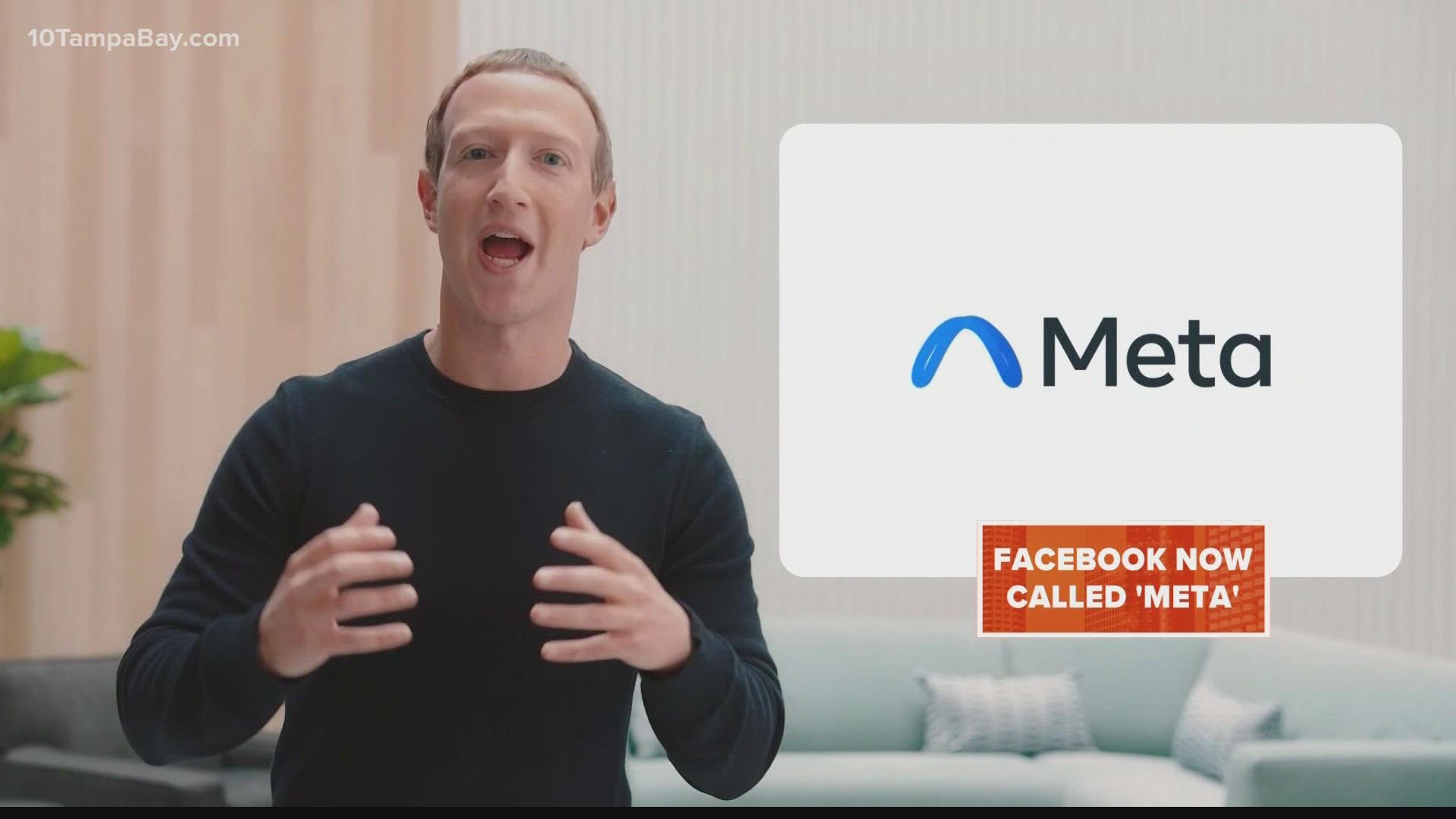
In October 2021, one of the most significant shifts in modern corporate history occurred when Facebook Inc. announced its transition to a new identity: Meta. This move was not merely a cosmetic name change or a simple update to a logo; it represented a fundamental pivot in brand strategy, corporate architecture, and the long-term vision of a technology giant. To understand who Meta is today, one must look beyond the social media platforms that defined its origins and examine the strategic blueprint of a brand attempting to own the next frontier of human connection.

The transition from Facebook to Meta serves as a masterclass in brand repositioning. It was an effort to decouple the parent corporation from its most famous (and often controversial) product, allowing the organization to house diverse technologies under a single, forward-looking umbrella. Today, Meta is defined not by a single application, but by an ecosystem of interconnected experiences that bridge the gap between physical and digital realities.
The Strategic Pivot: From Social Network to Metaverse Architect
The decision to rebrand was born out of a strategic necessity. For years, the corporate entity “Facebook” shared the same name as its flagship social media app. This created significant brand confusion and “brand bleed,” where the public perception of the Facebook app—including its demographic shifts and regulatory challenges—directly dictated the reputation of the entire company. By rebranding as Meta, the organization sought to create a “Branded House” structure that could support expansion into hardware, artificial intelligence, and spatial computing without being constrained by the legacy of social media.
The Psychology of the Rebrand
The word “Meta” is derived from the Greek word for “beyond.” Strategically, this naming choice was intended to signal that the company is looking toward what comes after the mobile internet. In branding terms, this is known as visionary positioning. Instead of competing for market share in the current landscape, Meta chose to define and occupy a new category: the Metaverse.
This move allowed the company to reset the narrative. It shifted the conversation from “How do we fix social media?” to “How do we build the future of human interaction?” By claiming the term “Meta,” the company essentially performed a linguistic land grab, associating its brand identity with an entire emerging industry.
Transcending the “Facebook” Limitation
The Facebook brand carried significant baggage. While it remained a powerhouse for connectivity, it was increasingly viewed by younger demographics as a utility for older generations. To attract top-tier engineering talent and maintain relevance with Gen Z and Gen Alpha, the company needed a brand identity that felt innovative, experimental, and limitless. Meta provided that blank canvas. It allowed the company’s other high-growth assets—Instagram and WhatsApp—to breathe independently while unified under a corporate banner that felt more like a laboratory for the future than a directory of names.
Visual Identity and the Infinite Loop
A brand is more than a name; it is a visual and sensory experience. The visual identity of Meta was designed specifically to exist in environments that are three-dimensional and immersive. Unlike the static blue square of the Facebook era, the Meta logo—a stylized “M” that resembles an infinity symbol—was crafted using a single continuous line that can exist in 2D, 3D, and motion.
Designing for a 3D Future
The Meta symbol is a “living” logo. In traditional 2D branding, a logo is a flat mark. However, Meta’s identity was built using a quest for “generative design.” The symbol can change shape, perspective, and texture depending on the platform it is viewed on. In a virtual reality headset, it can be walked around; in a mobile app, it can animate. This flexibility is a core tenet of modern brand strategy, where the identity must be as fluid as the technology it represents.
The symbol itself suggests a loop of connectivity, reflecting the brand’s mission to bring people together. It avoids the harsh corners of traditional corporate tech logos, opting for a soft, organic geometry that feels approachable and human-centric.
The Color Palette and Typography of a New Era
Meta moved away from the “Facebook Blue” that had become synonymous with social media scrolling. While blue remains a primary color in their palette, the specific hue—Meta Blue—is more vibrant and optimized for high-resolution screens and OLED displays. The typography used across the Meta ecosystem is clean, sans-serif, and highly legible, designed to work across everything from tiny wearable screens to expansive augmented reality overlays. These design choices reinforce a brand persona that is sophisticated, professional, and technologically advanced.
Brand Portfolio Management: The House of Brands vs. Branded House
One of the most complex challenges Meta faces is managing its diverse portfolio of sub-brands. Meta functions as a “Branded House,” where the parent brand provides the overarching vision, but the individual products—Facebook, Instagram, WhatsApp, and Messenger—retain their own distinct identities and user bases.
Managing Sub-Brands: Instagram, WhatsApp, and Quest
The branding strategy for Meta’s sub-brands is one of “endorsed identity.” When you open Instagram or WhatsApp, you see a “from Meta” tagline at the bottom of the screen. This serves two purposes:
-
It builds awareness of the parent brand without overshadowing the unique culture of the individual app.
-
It signals a unified ecosystem, suggesting that data, security, and technology are shared across these platforms to provide a seamless user experience.
The most interesting branding challenge within this portfolio is the Quest line of hardware. Formerly “Oculus,” the rebranding of the VR headsets to “Meta Quest” was a move to unify hardware and software under a single identity. While it initially faced pushback from VR enthusiasts, it was a necessary step in solidifying Meta as a consumer electronics brand, positioning it as a direct competitor to companies like Apple and Sony.
Communicating Value Across Diverse Demographics
Meta must speak to a global audience of over three billion people. This requires a brand strategy that is both universal and hyper-local. From a marketing perspective, Meta positions itself differently depending on the platform. Facebook is branded as the place for community and family; Instagram as the home for creativity and inspiration; and WhatsApp as the gold standard for secure, private communication. The Meta brand acts as the connective tissue, promising that no matter which platform a user chooses, they are part of a global network designed to foster human connection.
The Cultural Impact and Perception of Meta
Who Meta is cannot be determined solely by its internal strategy; it is also defined by public perception. The brand operates in a high-stakes environment where issues of privacy, data ethics, and mental health are at the forefront of the cultural zeitgeist.
Navigating Trust and Corporate Reputation
The rebranding to Meta was partially seen by critics as a way to distance the company from regulatory scrutiny. From a brand management perspective, this is a risky maneuver. If the underlying corporate culture does not evolve alongside the name, the rebrand can be perceived as “reputation washing.”
To combat this, Meta has invested heavily in “brand transparency” initiatives. This includes marketing campaigns that highlight their investments in safety and security, as well as their commitment to building the Metaverse responsibly through the “Metaverse Standards Forum.” The goal is to shift the brand perception from a company that “moves fast and breaks things” to one that “builds for the long term.”
Positioning for the Gen Alpha and Gen Z Audience
The survival of any tech brand depends on its ability to capture the attention of the next generation. Meta’s branding strategy heavily emphasizes “creators.” By focusing on the “Creator Economy,” Meta is positioning itself as the infrastructure for the next generation of entrepreneurs and artists. This shift is visible in their advertising, which features young, diverse creators using Meta tools to build digital businesses. This aspirational branding is designed to make Meta feel like a platform for opportunity rather than just a place for consumption.
Future-Proofing the Meta Brand Strategy
As we look toward the next decade, the identity of Meta will continue to evolve. The brand is currently in a transitional phase—the “Bridge Era”—where it must maintain its dominance in 2D social media while convincing the world that a 3D immersive future is inevitable.
Defining the Brand Beyond Hardware
While the Meta Quest and Ray-Ban Meta smart glasses are the most visible expressions of the brand, Meta’s ultimate identity lies in its software and AI capabilities. “Meta AI” has recently become a central pillar of the brand’s identity. By integrating AI into every corner of its ecosystem, Meta is rebranding itself as an intelligence company. The brand promise is no longer just about “connection”; it is about “empowerment through intelligence.” This allows Meta to compete in the burgeoning AI space with a brand that feels more personal and integrated than its competitors.

Lessons in Large-Scale Corporate Transformation
The story of Meta is a testament to the power of brand strategy in driving corporate evolution. It shows that a brand is not a static entity but a dynamic tool that can be used to pivot an entire organization toward a new destination. Meta’s success will ultimately be judged by whether it can fulfill the promise of its new name: to go beyond the screen and create a new reality for human interaction.
In conclusion, “Who is Meta?” The answer is a multi-layered corporate identity that is part social media titan, part hardware innovator, and part AI pioneer. It is a brand that has successfully shed the limitations of its original name to embrace a future that is expansive, immersive, and fundamentally different from the world of 2004. As Meta continues to build the digital infrastructure of tomorrow, its brand will remain a central case study in how to navigate the complex intersection of technology, culture, and identity on a global scale.
aViewFromTheCave is a participant in the Amazon Services LLC Associates Program, an affiliate advertising program designed to provide a means for sites to earn advertising fees by advertising and linking to Amazon.com. Amazon, the Amazon logo, AmazonSupply, and the AmazonSupply logo are trademarks of Amazon.com, Inc. or its affiliates. As an Amazon Associate we earn affiliate commissions from qualifying purchases.