
In the landscape of modern retail, few brands have managed to transition from a niche athletic outfitter to a global lifestyle signifier as successfully as Lululemon Athletica. To ask “who” Lululemon is, is to look beyond the high-performance leggings and the distinctive omega-shaped logo. It is an exploration of a brand that pioneered the “athleisure” category, turning functional sportswear into a uniform for the aspirational middle class.
Lululemon is not merely a garment manufacturer; it is a masterclass in brand strategy, community-led marketing, and corporate identity. By blending technical innovation with a cult-like dedication to wellness culture, the company has built a brand equity that allows it to command premium pricing in a saturated market. Understanding Lululemon requires dissecting the layers of its brand architecture—from its grassroots origins in Vancouver to its current status as a titan of experiential retail.
The Origin Story: Engineering a Cultural Phenomenon
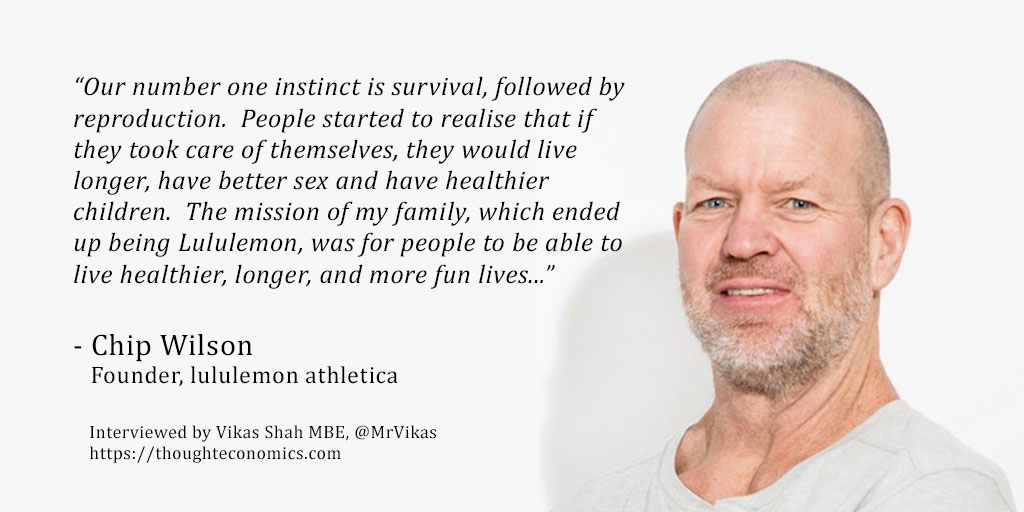
The identity of Lululemon is inextricably linked to its founding in 1998 by Chip Wilson in Vancouver, British Columbia. At the time, the fitness industry was dominated by “big box” athletic brands that focused primarily on competitive sports like basketball or running, often neglecting the specific needs of the growing yoga community.
From Yoga Studio to Global Icon
Lululemon’s initial strategy was rooted in “community-centric design.” The brand’s first location functioned as a design studio by day and a yoga studio by night. This dual-purpose space allowed the brand to gain immediate, real-time feedback from its target demographic. By positioning itself as a hub for practitioners rather than just a store, Lululemon established a foundation of authenticity. This wasn’t a corporate giant trying to enter a trend; it was a brand built from within the community it served.
The Philosophy of the “Super Girl”
In its early branding phases, Wilson famously identified a specific persona—the “Super Girl”—an upwardly mobile, professional, health-conscious woman who valued both performance and style. While the brand has since significantly broadened its target market to include men and a wider range of age groups, this initial focus on a highly specific, aspirational archetype allowed Lululemon to cultivate an exclusive brand aura. It didn’t try to be everything to everyone; it tried to be everything to a specific person who valued “The Sweatlife.”
The Anatomy of the Brand: Technical Innovation and the Science of Feel
One of Lululemon’s core brand pillars is its commitment to product excellence. In a market where competitors often prioritize fashion over function, Lululemon has maintained its premium status by positioning its products as engineered tools for personal optimization.
Fabric as a Competitive Advantage
Lululemon’s brand identity is heavily built on its proprietary materials. Fabrics like Luon, Nulu, and Everlux are not just names; they are central components of the brand’s marketing narrative. By trademarking its fabrics and emphasizing their technical properties—such as four-way stretch, moisture-wicking, and “naked sensation”—Lululemon differentiates its products from generic alternatives. This focus on “The Science of Feel” shifts the conversation from how a garment looks to how it makes the wearer feel, creating a psychological bond between the consumer and the product.
Designing for Performance and Aesthetics
The brand’s design language is characterized by “functional minimalism.” Features like the “Oom” (out of mind) waistband, hidden pockets, and flat-locked seams are presented as solutions to the athlete’s problems. However, the brilliance of Lululemon’s design strategy lies in its aesthetic versatility. The brand successfully bridged the gap between the gym and the office. By creating silhouettes that were flattering and sophisticated, Lululemon allowed its customers to signal their health-conscious lifestyle throughout the day, effectively turning every customer into a walking billboard for the brand’s values.
The Community-First Marketing Strategy

Lululemon’s marketing strategy is perhaps its most studied attribute in business schools worldwide. While other brands spent millions on celebrity endorsements and Super Bowl commercials, Lululemon built its empire through a decentralized, grassroots approach that prioritized local influence over global spectacle.
The Ambassador Program: Decentralizing Authority
The cornerstone of Lululemon’s marketing is its Ambassador Program. Instead of signing high-profile professional athletes, the brand partners with local yoga instructors, personal trainers, and run club leaders. These ambassadors receive free products and exposure in exchange for teaching classes in-store and representing the brand in their local communities.
This strategy is a masterstroke of brand psychology. By aligning with local “micro-influencers,” Lululemon taps into existing circles of trust. When a yoga teacher—someone an individual admires and sees every week—wears Lululemon, the brand recommendation is seen as authentic rather than transactional. This creates a powerful ripple effect, where the brand becomes woven into the social fabric of the fitness community.
Local Roots, Global Reach
Every Lululemon store is given a degree of autonomy to engage with its local community. Stores host complimentary yoga classes, workshops, and run clubs, transforming the retail space into a community center. This experiential retail model ensures that customers have a reason to visit the store that isn’t purely commercial. By fostering a sense of belonging, Lululemon increases brand loyalty and reduces the likelihood of customers switching to a competitor based on price alone.
Corporate Identity and the Mastery of Aspirational Branding
The corporate identity of Lululemon is rooted in the concept of “self-actualization.” It is a brand that sells more than clothes; it sells a philosophy of personal growth, mindfulness, and physical well-being.
The Manifesto and Cultural Messaging
For years, Lululemon’s shopping bags were covered in “The Manifesto”—a collection of motivational aphorisms and lifestyle advice. While some critics viewed it as simplistic, it was a vital part of the brand’s identity. It signaled that Lululemon had a worldview. This helped transform the company from a clothing retailer into a “lifestyle brand.” The brand communicates that by wearing its products, you are making a commitment to a better version of yourself. This aspirational positioning is what allows the brand to maintain high margins and a dedicated following.
Scarcity and the Premium Pricing Model
Lululemon employs a strategic approach to inventory and pricing that reinforces its premium status. Unlike many retailers that rely on constant sales and deep discounts to move product, Lululemon keeps its inventory lean. New colors and patterns are often released in limited quantities, creating a “buy it now or lose it” mentality among enthusiasts. This scarcity model drives full-price sales and creates a vibrant secondary market for the brand. It reinforces the idea that Lululemon products are valuable assets, not disposable fast-fashion items.
The Future of Lululemon: Expansion, Evolution, and Resilience
As Lululemon looks toward the future, its brand strategy is focused on maintaining its core identity while aggressively expanding its footprint into new categories and demographics.
Conquering the Men’s Market
For much of its history, Lululemon was perceived as a women’s yoga brand. However, one of its most successful strategic pivots has been the expansion into the men’s market. By applying the same “Science of Feel” to men’s workwear and training gear, the brand has managed to appeal to a demographic that values comfort and technical performance. The “ABC” (Anti-Ball Crushing) pant, for example, became a viral success by solving a specific comfort issue with a humorous, relatable marketing angle. This expansion demonstrates the brand’s ability to translate its core values across different customer segments.

Navigating the Competitive Landscape of “Athleisure”
The “athleisure” space is more crowded than ever, with competitors like Alo Yoga, Vuori, and traditional giants like Nike all vying for market share. Lululemon’s resilience in this environment comes from its unwavering focus on the brand-to-consumer relationship. While competitors might replicate the look of Lululemon’s products, they find it much harder to replicate the community infrastructure and the emotional resonance the brand has built over two decades.
In conclusion, “who” Lululemon is cannot be defined by a single product. It is a complex ecosystem of technical innovation, psychological positioning, and community engagement. By viewing the customer as a member of a movement rather than a mere consumer, Lululemon has redefined the role of a retail brand in the 21st century. It remains a definitive case study in how a brand can leverage its identity to create a global powerhouse that transcends the physical goods it sells, ultimately becoming a symbol of the modern pursuit of wellness.
aViewFromTheCave is a participant in the Amazon Services LLC Associates Program, an affiliate advertising program designed to provide a means for sites to earn advertising fees by advertising and linking to Amazon.com. Amazon, the Amazon logo, AmazonSupply, and the AmazonSupply logo are trademarks of Amazon.com, Inc. or its affiliates. As an Amazon Associate we earn affiliate commissions from qualifying purchases.