
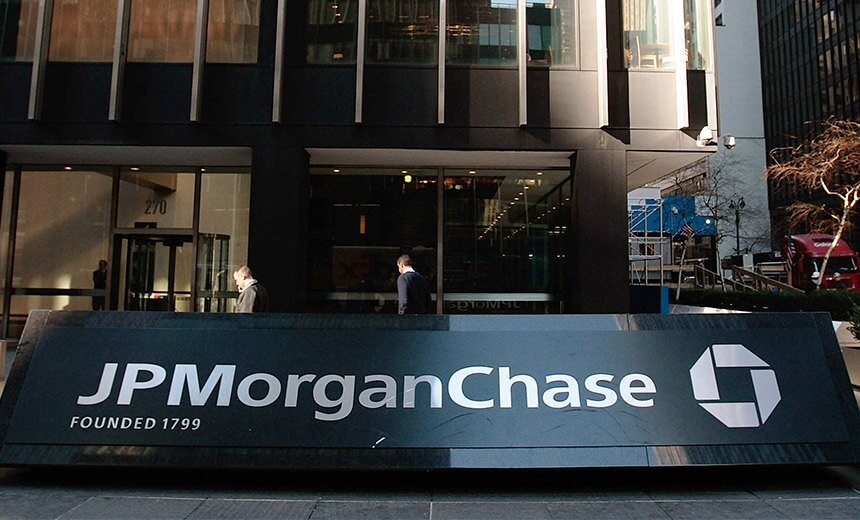
J.P. Morgan Chase & Co. is not merely a bank; it is a central pillar of the global financial system. As the largest bank in the United States and one of the largest in the world by total assets, the institution serves as a barometer for the health of the global economy. To understand who J.P. Morgan Chase is, one must look beyond the blue-and-white logos found on street corners. It is a complex, multi-faceted financial powerhouse that operates at the intersection of retail banking, investment strategy, corporate lending, and technological innovation.

With assets totaling nearly $4 trillion, the firm represents the culmination of more than 200 years of American financial history. It is an entity that has survived depressions, panics, and world wars, consistently emerging as a “lender of last resort” for both governments and corporations. Today, under the long-standing leadership of Chairman and CEO Jamie Dimon, the firm maintains what it calls a “fortress balance sheet,” a strategic philosophy designed to ensure the company remains profitable and stable even during the most volatile economic cycles.
The Foundations of a Financial Empire
The identity of J.P. Morgan Chase is rooted in a series of transformative mergers and the legacies of some of history’s most influential financiers. The modern firm is the result of the 2000 merger between J.P. Morgan & Co. and The Chase Manhattan Corporation, but its lineage traces back to 1799.
The Legacy of John Pierpont Morgan
John Pierpont Morgan, the firm’s namesake, was perhaps the most influential financier in American history. In the late 19th and early 20th centuries, Morgan was instrumental in the “Morganization” of the U.S. economy, consolidating disorganized industries—most notably railroads and steel—into efficient, profitable enterprises. His influence was so great that he famously intervened to save the U.S. Treasury during the Panic of 1893 and again during the Panic of 1907. This legacy of institutional stability and systemic importance remains a core part of the firm’s identity today.
The Evolution of Chase Manhattan
While the “J.P. Morgan” side of the name represents the elite world of investment and wholesale banking, the “Chase” side represents the firm’s massive reach into the lives of everyday consumers. Originally founded as the Bank of the Manhattan Company by Aaron Burr, it eventually merged with Chase National Bank. In the mid-20th century, under the leadership of David Rockefeller, Chase Manhattan became a global leader in commercial banking, expanding its footprint across continents and establishing itself as a primary partner for international corporations.
Consolidation and the Modern Era
The J.P. Morgan Chase we recognize today was forged through a series of high-stakes acquisitions during the early 21st century. Beyond the initial J.P. Morgan and Chase Manhattan merger, the firm acquired Bank One in 2004, which brought Jamie Dimon into the fold and significantly bolstered its retail presence. During the 2008 financial crisis, the firm further expanded by acquiring the investment bank Bear Stearns and the assets of Washington Mutual. Most recently, in 2023, the firm acquired First Republic Bank, once again acting as a stabilizing force during a period of regional banking instability.
The Dual Pillars of Operation: Chase vs. J.P. Morgan
To understand how the firm operates, it is helpful to view it through its two primary brands. While they belong to the same holding company, they serve vastly different market segments within the world of money.
Consumer and Community Banking (Chase)
The “Chase” brand is the consumer-facing arm of the organization. It is where millions of individuals manage their personal finances. This division provides a comprehensive suite of financial tools, including checking and savings accounts, mortgages, auto loans, and one of the most robust credit card portfolios in the industry. For the average person, Chase is a technology company that provides financial services; its mobile app and digital platforms are among the most highly rated, reflecting a massive annual investment in user experience and digital security.
Corporate and Investment Bank (J.P. Morgan)
The “J.P. Morgan” brand is reserved for the firm’s wholesale businesses. This branch works with the world’s most important corporations, governments, and institutional investors. The Corporate and Investment Bank (CIB) is a global leader in merger and acquisition (M&A) advisory, equity and debt capital markets, and treasury services. When a multi-billion dollar corporation wants to go public or an oil-producing nation needs to restructure its debt, they turn to J.P. Morgan. This side of the business is driven by sophisticated data analysis, deep market liquidity, and global economic research.
Asset and Wealth Management
This segment focuses on managing the capital of the world’s wealthiest individuals and largest institutional funds. J.P. Morgan Asset Management provides investment strategies across every conceivable asset class, from traditional stocks and bonds to private equity, real estate, and hedge funds. By managing trillions of dollars in client assets, the firm exerts significant influence over global markets, acting as a major shareholder in thousands of public companies.
Economic Stewardship and Systematic Importance
J.P. Morgan Chase is categorized as a Global Systemically Important Bank (G-SIB). In simpler terms, it is “too big to fail.” This designation brings with it heavy regulatory oversight but also reflects the firm’s role as a cornerstone of global financial stability.
The Fortress Balance Sheet
Central to the firm’s identity is the concept of the “fortress balance sheet.” This refers to a conservative approach to capital reserves and liquidity. By maintaining massive amounts of high-quality liquid assets and diverse revenue streams, J.P. Morgan Chase ensures that it can withstand extreme economic downturns. This philosophy allows the firm to be “anti-fragile”—it does not just survive crises; it often grows stronger during them by acquiring distressed assets and gaining market share while competitors struggle.
Influence on Global Markets
Because of its size and the volume of transactions it processes, J.P. Morgan Chase is a primary source of market intelligence. The firm’s economists and analysts provide insights that move markets. When Jamie Dimon issues his annual letter to shareholders, it is read by world leaders, central bankers, and investors as a definitive outlook on the global economy. The firm’s internal data on consumer spending and corporate investment offers a real-time view of economic trends before they appear in official government statistics.
The Intersection of Finance and Technology
In the modern era, J.P. Morgan Chase has redefined itself as a technology company that happens to hold a banking license. With an annual technology budget exceeding $15 billion, the firm competes as much with Silicon Valley as it does with other Wall Street banks.
Innovation in Digital Banking
The shift from physical branches to digital interfaces is a primary focus for the firm. Chase has successfully transitioned millions of customers to a mobile-first banking experience, using AI to provide personalized financial advice and fraud detection. By investing heavily in its digital infrastructure, the bank has managed to retain a younger demographic that might otherwise migrate to “neo-banks” or fintech startups.
Artificial Intelligence and Blockchain
J.P. Morgan is a pioneer in applying Artificial Intelligence to high-finance tasks. The firm utilizes AI for everything from optimizing trade executions to automating the review of complex legal documents. Furthermore, despite the traditional banking sector’s initial skepticism of cryptocurrency, J.P. Morgan has embraced blockchain technology through its “Onyx” platform. Onyx facilitates the instantaneous transfer of wholesale payments and the tokenization of traditional assets, significantly reducing the time and cost associated with cross-border transactions.
Navigating Your Future with a Financial Giant
For the individual investor or business owner, J.P. Morgan Chase represents both a service provider and a standard-bearer for financial best practices. Understanding how the bank operates provides a roadmap for navigating one’s own financial journey.
Utilizing Professional-Grade Tools
One of the primary benefits of the firm’s scale is that it brings institutional-grade tools to the retail investor. Through platforms like J.P. Morgan Wealth Management, individual investors can access the same research and diversified portfolios that were once reserved for the ultra-wealthy. For small business owners, the “Chase for Business” ecosystem provides essential tools for cash flow management, payroll, and scaling operations, effectively bridging the gap between a local startup and a global enterprise.

The Role of Credit and Capital
The bank’s role in credit markets is vital for personal and business growth. Whether it is through the Sapphire line of credit cards for consumers or multi-million dollar lines of credit for expanding businesses, J.P. Morgan Chase acts as the engine of liquidity. By understanding the bank’s lending criteria and its focus on the “fortress balance sheet” mentality, borrowers can better position themselves to access capital when it is most needed.
Ultimately, J.P. Morgan Chase is a reflection of the global economy itself—complex, technologically driven, and deeply interconnected. It is an institution that combines the historical gravitas of 19th-century banking with the cutting-edge innovation of the 21st century. Whether you are a consumer holding a debit card, a trader watching market spreads, or a business owner looking for a loan, the influence of J.P. Morgan Chase is a constant presence in the modern financial landscape.
aViewFromTheCave is a participant in the Amazon Services LLC Associates Program, an affiliate advertising program designed to provide a means for sites to earn advertising fees by advertising and linking to Amazon.com. Amazon, the Amazon logo, AmazonSupply, and the AmazonSupply logo are trademarks of Amazon.com, Inc. or its affiliates. As an Amazon Associate we earn affiliate commissions from qualifying purchases.