
The story of Tesla is often simplified into a singular narrative focused on Elon Musk, the billionaire polymath who has become synonymous with the company’s logo. However, the question of “who is the founder of Tesla” is not a simple one-name answer. It is a complex case study in corporate identity, personal branding, and the strategic evolution of a startup into a global powerhouse. To understand Tesla, one must look past the current headlines and examine the five individuals legally recognized as co-founders, and how their collective contributions shaped one of the most valuable brand identities in modern history.
The Foundation of the Tesla Brand: Beyond the Musk Persona
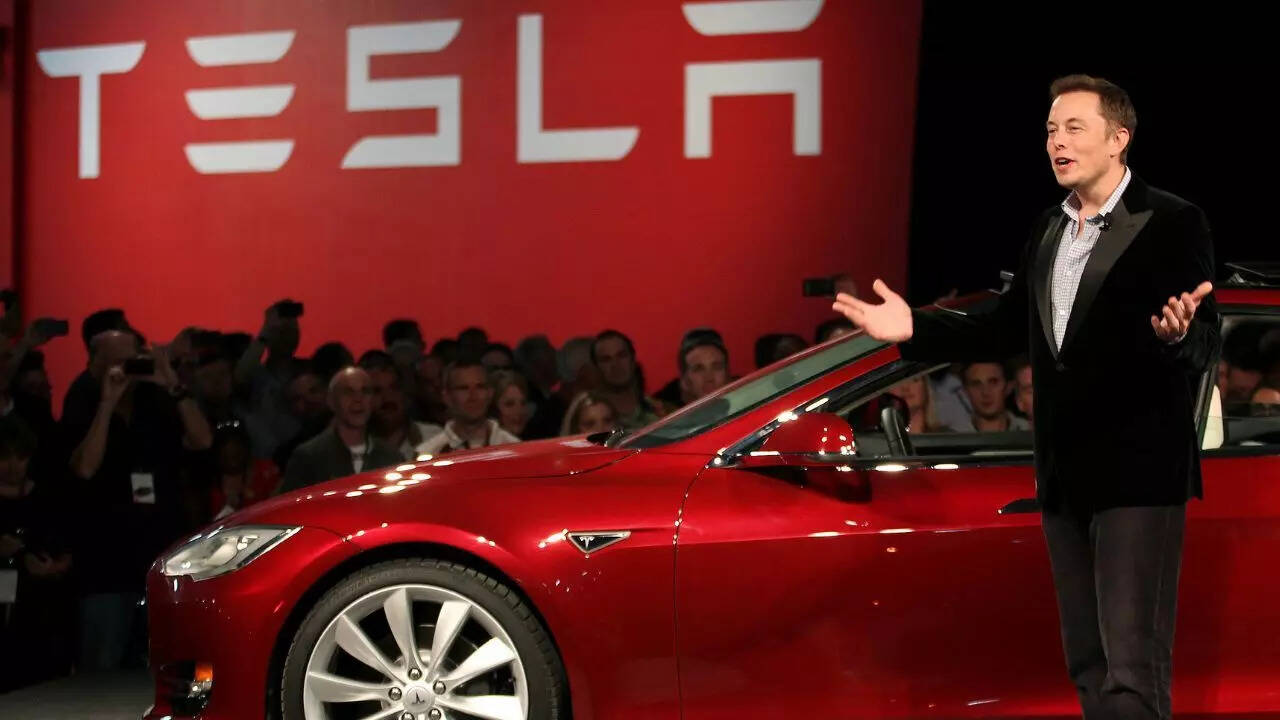
While Elon Musk is the face of the brand today, the company was actually incorporated in July 2003 by Martin Eberhard and Marc Tarpenning. At its inception, Tesla Motors (as it was then known) was not a tech behemoth but a niche endeavor aimed at proving that electric vehicles (EVs) could be superior to gasoline cars.
The Vision of Martin Eberhard and Marc Tarpenning
Eberhard and Tarpenning were the original architects of the Tesla brand DNA. Eberhard, serving as the first CEO, and Tarpenning, as the CFO and later VP of Electrical Engineering, recognized a gap in the market. Before Tesla, electric cars were perceived as glorified golf carts—slow, unappealing, and strictly for the environmentally conscious fringe. Their brand strategy was to flip this perception on its head. They chose the name “Tesla” to honor Nikola Tesla, the Serbian-American inventor, positioning the brand as an intellectual, rebellious underdog fighting against the “Edison-esque” giants of the traditional auto industry.
The Selection of the “Roadster” as a Brand Statement
The decision to make a high-end sports car as the first product was a deliberate brand positioning move. By launching the Tesla Roadster, the founders were not just selling a car; they were selling a new identity for the EV. They understood that to change the world, they first had to make the technology “cool.” This premium positioning allowed the brand to build aspirational value before scaling down to more affordable models.
Early Brand Challenges and the Entry of Elon Musk
In 2004, the company required a Series A funding round. This is where Elon Musk entered the fray as the lead investor. While he was initially a financier and Chairman of the Board, Musk’s influence on the brand’s design language and strategic direction was immediate. He wasn’t content being a silent partner; he wanted to shape the product’s aesthetic and the company’s long-term “Master Plan.”
The Legal Definition of a Founder: A Case Study in Corporate Identity
The history of Tesla is marked by a significant internal power struggle that eventually redefined the company’s public-facing identity. In 2007, a transition of leadership occurred that saw Martin Eberhard depart from the company, eventually leading to a legal battle over who could rightfully claim the title of “founder.”
The 2009 Lawsuit and the Five Co-Founders
The tension between the original visionaries and the new leadership culminated in a lawsuit filed by Eberhard against Musk. The settlement of this lawsuit in 2009 was a pivotal moment for the Tesla brand. It was legally agreed that five individuals would be recognized as co-founders: Martin Eberhard, Marc Tarpenning, Elon Musk, J.B. Straubel, and Ian Wright.
This legal resolution was essential for the brand’s stability. In the world of corporate identity, “founder stories” are incredibly valuable assets. By expanding the definition of a founder, Tesla was able to synthesize the engineering pedigree of the original pair with the visionary drive of Musk and the technical brilliance of J.B. Straubel (who was instrumental in battery technology).
J.B. Straubel and the Engineering Brand
While Eberhard and Tarpenning provided the spark, J.B. Straubel is often cited as the most important co-founder alongside Musk in terms of long-term brand equity. As the Chief Technology Officer for 15 years, Straubel built the technical “moat” that surrounds the Tesla brand. His focus on battery chemistry and power electronics allowed Tesla to claim the “highest range” and “best performance” titles, which became core pillars of the brand’s marketing.
Ian Wright’s Contribution to the Early Narrative
Ian Wright joined the team shortly after its incorporation and focused on the development of the powertrain. Although he left the company early to pursue his own ventures, his inclusion as a co-founder acknowledges the multidisciplinary effort required to launch a brand that intended to disrupt a century-old industry.
Strategic Positioning: How Tesla Redefined the Electric Vehicle Brand
Tesla’s success is a result of masterful brand positioning. Unlike traditional automakers who spend billions on advertising, Tesla’s brand strategy revolves around product design, mission-driven storytelling, and the “Secret Master Plan.”
The “Top-Down” Brand Entry Strategy
One of the most effective moves in Tesla’s brand history was the “Secret Tesla Motors Master Plan,” authored by Musk in 2006. The strategy was simple:
- Build a sports car (The Roadster).
- Use that money to build an affordable car (Model S/X).
- Use that money to build an even more affordable car (Model 3/Y).
- While doing above, also provide zero-emission electric power generation options.
This transparency created a sense of “insider” loyalty among consumers. It transformed customers into advocates who felt they were part of a movement rather than just buying a commodity.
Design as a Brand Differentiator
Tesla’s design language—led by Franz von Holzhausen—broke away from the “weird-mobile” aesthetic of previous electric cars. By adopting a sleek, minimalist, and futuristic design, Tesla positioned itself as a lifestyle brand. The interior of a Tesla, centered around a single touchscreen, signaled a shift from “car as a mechanical machine” to “car as a rolling computer.” This tech-first branding allowed Tesla to be compared to Apple rather than Ford or GM.
The Absence of Traditional Advertising
Tesla famously spends $0 on traditional advertising. Instead, the brand relies on PR, social media, and the personal brand of Elon Musk. This “scarcity of media” approach enhances the brand’s premium feel. When a brand doesn’t need to tell you it’s cool through a TV commercial, it reinforces the perception that the product speaks for itself.
Personal Branding vs. Corporate Branding: The Musk Paradox
In the modern era, the Tesla brand is inseparable from Elon Musk’s personal brand. This synergy has provided Tesla with unparalleled visibility, but it also presents unique challenges for corporate identity management.
The CEO as the Chief Marketing Officer
Elon Musk’s Twitter (now X) presence serves as Tesla’s primary marketing channel. His persona as a boundary-pushing, slightly eccentric genius aligns perfectly with Tesla’s brand promise of “accelerating the world’s transition to sustainable energy.” For many consumers, buying a Tesla is a way to align themselves with Musk’s vision of the future, including space travel and AI.
The Risks of a Personified Brand
The “Musk Paradox” lies in the fact that when the CEO is the brand, the company is vulnerable to the CEO’s personal controversies. As Musk has become a more polarizing figure, the Tesla brand has had to navigate a shift in consumer sentiment. This highlights a critical lesson in brand strategy: while a strong personal brand can catapult a company to success, the long-term sustainability of the corporate identity requires a foundation that can eventually transcend its founder.
Cultivating Community and Brand Advocacy
Tesla has successfully built one of the most loyal fanbases in the world. This community acts as a protective layer for the brand. Through “referral programs” and “owners clubs,” Tesla has turned its customer base into a decentralized marketing force. This grassroots support is a direct result of the brand’s original identity as a disruptive underdog fighting for a cleaner planet.
The Future of the Tesla Identity: From Automotive to Ecosystem
As the company matures, the “founder” story continues to evolve. Tesla is no longer just a car company; it is an energy and AI company. This shift in corporate identity is the final stage of the brand’s metamorphosis.
Rebranding from “Tesla Motors” to “Tesla”
In 2017, the company officially dropped “Motors” from its name. This was a significant strategic rebranding move. It signaled that the brand’s “Founder Vision” had expanded to encompass solar energy (SolarCity) and energy storage (Powerwall). The brand now stands for a holistic sustainable ecosystem, fulfilling the original promise made by the co-founders in 2003.
AI and Robotics: The New Frontier of the Brand
With the introduction of the Tesla Bot (Optimus) and Full Self-Driving (FSD) technology, the brand is repositioning itself as a leader in Artificial Intelligence. This move ensures that the Tesla brand remains synonymous with “the future,” regardless of the competitive landscape in the EV market.
The Legacy of the Founders
Ultimately, “who founded Tesla” is a question of both historical fact and brand mythology. Martin Eberhard and Marc Tarpenning provided the soul and the initial spark. J.B. Straubel provided the technical backbone. Elon Musk provided the scale, the capital, and the visionary narrative that turned a startup into a global icon.
The Tesla brand is a mosaic of these five individuals’ contributions. It serves as a powerful reminder that while a brand may be personified by one individual in the public eye, its true identity is built on a foundation of collaborative disruption, strategic legal positioning, and a relentless commitment to a singular, world-changing mission. As Tesla moves into its next decade, its ability to maintain this “innovator” identity will depend on how well it balances the legacy of its founders with the ever-changing demands of the global market.
aViewFromTheCave is a participant in the Amazon Services LLC Associates Program, an affiliate advertising program designed to provide a means for sites to earn advertising fees by advertising and linking to Amazon.com. Amazon, the Amazon logo, AmazonSupply, and the AmazonSupply logo are trademarks of Amazon.com, Inc. or its affiliates. As an Amazon Associate we earn affiliate commissions from qualifying purchases.