
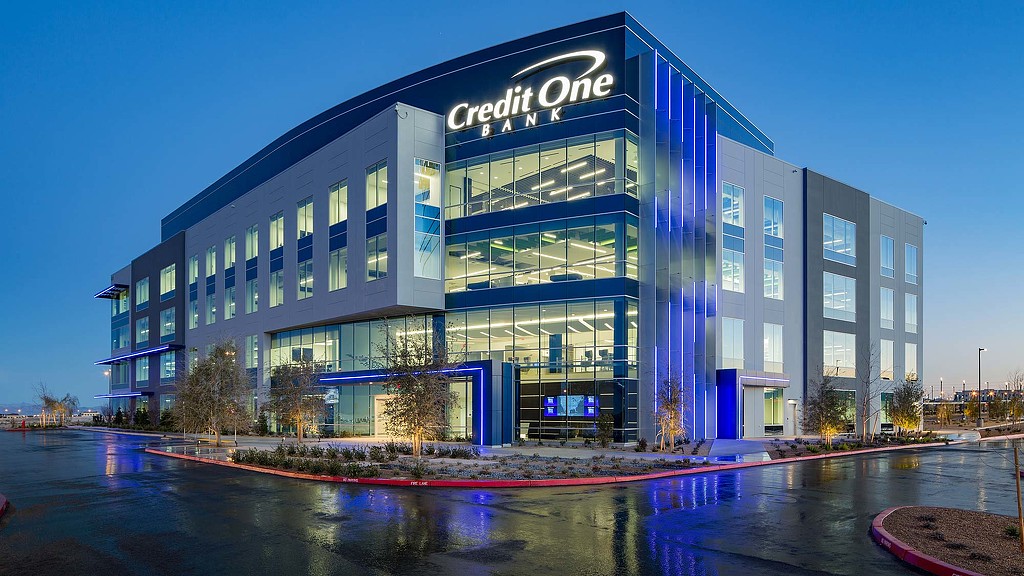
Credit One Bank often emerges in conversations about credit cards, particularly for individuals seeking to build or rebuild their credit. Unlike traditional large banks that cater to a broad spectrum of consumers, Credit One Bank has carved out a specific niche within the financial services industry. To truly understand “who is Credit One Bank” from a financial perspective, one must delve into its business model, product offerings, and the financial implications of engaging with its services. Founded in 1984 as Silver State Bank, it rebranded to Credit One Bank in 2005, positioning itself as a leading issuer of credit cards for people with less-than-perfect credit. It’s a federally regulated bank, insured by the FDIC, and operates out of Las Vegas, Nevada. Its primary focus is on providing credit access to the subprime and near-prime credit market, a segment often underserved by mainstream lenders. This strategic focus dictates everything from its product design to its fee structures, making it a critical player for millions looking for a pathway back into the mainstream financial system.

Understanding Credit One Bank’s Business Model and Target Audience
Credit One Bank’s operational strategy is finely tuned to serve a specific demographic: individuals with fair, poor, or limited credit history. This isn’t an accidental positioning; it’s a deliberate and highly specialized business model designed to mitigate risk while providing financial products to a segment often considered high-risk by other lenders.
A Niche in the Credit Card Market
The core of Credit One Bank’s existence lies in addressing the needs of consumers who have been denied credit by prime lenders or who are starting their credit journey from scratch. These individuals might have experienced past financial difficulties, declared bankruptcy, or simply lack sufficient credit history to qualify for traditional credit cards with favorable terms. Credit One Bank steps in to fill this gap, offering credit products that, while often coming with higher costs, provide a crucial opportunity for credit building. Their market strategy is built on understanding the financial behaviors and challenges of this specific group, tailoring their underwriting and product features accordingly. This focus allows them to manage risk effectively within this niche, even as it translates to different terms for their cardholders compared to those with excellent credit.
Operational Structure and Mission
Credit One Bank’s mission is to provide financial solutions that help customers improve their financial standing. This is achieved primarily through the issuance of various credit cards. Their revenue generation is multifaceted, relying on a combination of interest charges, annual fees, monthly maintenance fees, and other transaction-related charges. Given the higher risk profile of their target customer base, these fees and interest rates are typically higher than those found on credit cards for consumers with good to excellent credit. This structure compensates the bank for the increased likelihood of defaults and late payments within its portfolio. The bank employs sophisticated analytics and risk assessment tools to determine credit limits and eligibility, striving to offer manageable credit lines that can be responsibly utilized by their cardholders. This operational strategy allows them to sustain profitability while offering a vital service to a challenging market segment.
Navigating Credit One Bank’s Product Offerings
Credit One Bank primarily offers unsecured credit cards, though they have also provided secured options in the past. Understanding the nuances of these offerings is paramount for any consumer considering their products, as the terms and conditions can significantly impact one’s financial health.
Unsecured Credit Cards: Features and Considerations
The vast majority of Credit One Bank’s products are unsecured credit cards, meaning they do not require a security deposit. These cards are designed for individuals with credit scores that might fall into the “fair” or “poor” categories (typically FICO scores below 670). Key features of these cards often include:
- Annual Fees: Many Credit One Bank cards come with an annual fee, which can range from modest to substantial. This fee is often charged upfront or in monthly installments and is deducted from the initial credit limit, reducing immediate available credit.
- High APRs: Interest rates (Annual Percentage Rates, or APRs) on Credit One Bank cards are generally on the higher end of the spectrum. This means that carrying a balance from month to month can become expensive very quickly, emphasizing the importance of paying off balances in full.
- Credit Limit Increases: While initial credit limits may be modest, Credit One Bank is known for periodically reviewing accounts and potentially offering automatic credit limit increases for cardholders who demonstrate responsible usage, such as consistent on-time payments.
- Rewards Programs: Some Credit One Bank cards offer rewards, such as cash back on eligible purchases, particularly on gas, groceries, or dining. While these rewards can be a nice perk, it’s crucial to weigh their value against the annual fees and high APRs. The primary benefit remains credit building, with rewards as a secondary incentive.
- Target Demographic: These cards are typically marketed to individuals who may have limited other options for obtaining an unsecured credit card due making them a last resort or stepping stone for many.
For consumers, it’s essential to carefully review the Schumer Box and all terms before applying, paying close attention to the annual fee, APR, and any potential monthly maintenance fees that could eat into the credit limit.
Secured Credit Cards: A Path to Credit Building
While less prominent than their unsecured offerings, Credit One Bank has also offered secured credit cards. Secured cards require a cash deposit, which typically serves as the credit limit. This deposit minimizes the risk for the issuer, making these cards accessible even to those with very poor credit or no credit history. For someone struggling to get approved for any unsecured product, a secured card can be an effective tool for credit building. Consistent, on-time payments on a secured card are reported to credit bureaus and can significantly improve a credit score over time, potentially leading to eligibility for unsecured products with better terms in the future. The financial discipline required for a secured card can also be a valuable learning experience for managing credit responsibly.
Key Terms and Conditions to Understand
Before committing to any Credit One Bank product, a thorough understanding of its terms and conditions is non-negotiable. Key elements to scrutinize include:
- APR (Annual Percentage Rate): The cost of borrowing money if you carry a balance. As noted, these are typically high.
- Annual Fee: A recurring charge for holding the card.
- Monthly Maintenance Fee: Some cards charge a monthly fee in addition to, or instead of, an annual fee. This can add up quickly.
- Late Payment Fee: Penalties for missing payment due dates.
- Cash Advance Fee and APR: Cash advances are usually very expensive, incurring an immediate fee and a higher APR than standard purchases.
- Credit Limit and Available Credit: Understand the initial credit limit and how any fees might reduce your actual available credit.
- Grace Period: The time between your statement closing date and your payment due date during which you can pay your balance in full without incurring interest charges. Some cards for building credit may have shorter or no grace periods, making timely payment even more critical.
Ignoring these details can lead to unexpected costs and potentially hinder rather than help credit improvement efforts.
The Financial Implications of Credit One Bank Cards
For many consumers, a Credit One Bank card represents a crucial first step or a second chance in their financial journey. However, the financial implications of using these cards are distinct and require careful consideration due to their specific fee structures and interest rates.
Weighing the Costs: Fees, Interest Rates, and Credit Limits
The primary financial consideration with Credit One Bank cards is their cost. Annual fees, which can sometimes exceed $99, combined with potentially high monthly maintenance fees, can significantly diminish the value of a modest credit limit. For instance, a card with a $300 credit limit and an annual fee of $75 effectively starts with only $225 in available credit. If a monthly maintenance fee of $8 is also applied, the available credit diminishes further with each passing month.
Interest rates are another significant cost factor. With APRs often in the 20s or even 30s, carrying a balance on a Credit One Bank card means interest charges can quickly compound, making debt repayment challenging. Compared to prime credit cards, which often have lower APRs, no annual fees, and higher credit limits, Credit One Bank cards are a more expensive way to borrow. This higher cost is a direct reflection of the increased risk the bank takes on by lending to individuals with lower credit scores. Therefore, responsible usage – specifically, paying off the balance in full every month – is paramount to avoid accruing substantial interest charges and truly benefiting from the card for credit building.
Credit Building and Improvement: A Double-Edged Sword
The core utility of a Credit One Bank card from a financial perspective is its potential for credit building. Consistent on-time payments and keeping credit utilization low (ideally below 30% of the credit limit) are reported to the major credit bureaus. This positive reporting can gradually improve one’s credit score over time, opening doors to better financial products, such as mortgages, auto loans, and prime credit cards with more favorable terms.
However, this is a double-edged sword. Mismanaging a Credit One Bank card – making late payments, exceeding the credit limit, or carrying high balances – can have detrimental effects on a credit score. Given the high APRs and fees, getting into debt with these cards can be a steep slope, potentially leading to a worse financial position than before. The strict financial terms mean there is less room for error compared to cards designed for excellent credit. Thus, while offering a path to credit improvement, Credit One Bank cards demand significant financial discipline and a clear understanding of credit management principles.
Alternatives and Comparisons in the Credit Card Landscape
For consumers exploring options for credit building, it’s insightful to compare Credit One Bank with alternatives.
- Secured Credit Cards: Many other banks and credit unions offer secured cards that may have lower annual fees or no annual fees, and potentially a pathway to graduating to an unsecured card.
- Credit Builder Loans: Some credit unions offer credit builder loans, where the loan amount is held in a savings account while you make payments, and upon full repayment, you receive the funds, having built credit history.
- Authorized User Status: Becoming an authorized user on a trusted family member’s credit card can also help build credit history if the primary account holder manages the card responsibly.
- Subprime Cards from Other Issuers: Other issuers like Capital One (not affiliated with Credit One Bank) also offer cards for fair or limited credit, and comparing their terms carefully can reveal better options for specific situations.
The key is to weigh the costs (annual fees, APRs) against the benefits (credit building potential, rewards) and explore all available options before settling on a specific product. For some, Credit One Bank may be the only option available initially, making it a necessary stepping stone.
Making Informed Financial Decisions with Credit One Bank
Engaging with Credit One Bank products requires a strategic approach rooted in sound financial principles. For individuals whose credit profile aligns with Credit One Bank’s offerings, these cards can be a valuable tool, provided they are managed with diligence and foresight.
Responsible Usage Strategies
The cornerstone of benefiting from a Credit One Bank card, or any credit card, lies in responsible usage. For credit building, adhering to these strategies is critical:
- Pay Your Bill On Time, Every Time: Payment history is the most significant factor in credit scoring. Late payments can severely damage your credit score and incur expensive late fees. Setting up autopay for at least the minimum amount (though paying in full is ideal) can prevent missed payments.
- Keep Credit Utilization Low: Aim to use no more than 30% of your available credit limit. For a card with a $300 limit, this means keeping your balance below $90. High utilization signals higher risk to credit bureaus and can negatively impact your score. If possible, make multiple smaller payments throughout the month to keep the reported balance low.
- Understand Your Card’s Terms: Reiterate understanding the APR, annual fee, monthly maintenance fees, and any other charges. Avoid cash advances as they are particularly expensive.
- Monitor Your Account: Regularly check your statements for accuracy and to track your spending. Be aware of your credit limit and how much available credit you have.
These practices not only help improve your credit score but also establish healthy financial habits that will serve you well in the long term.
When Credit One Bank Might Be the Right Fit
Despite the higher costs, Credit One Bank cards serve a vital purpose for specific consumer groups. They might be the right fit if:
- You have very limited or no credit history: You’re just starting out and traditional lenders won’t approve you for an unsecured card.
- You are rebuilding poor credit: You’ve had financial setbacks (bankruptcy, defaults) and need a product to demonstrate responsible credit behavior.
- You’ve been denied by other lenders: After exploring other secured and unsecured options, Credit One Bank is among the few, or only, issuers willing to extend credit.
- You can commit to strict financial discipline: You are confident you can pay off your balance in full each month and avoid late fees, effectively using the card as a credit building tool without incurring significant interest charges.
In these scenarios, the card acts as a stepping stone, providing an entry point into the credit system that might otherwise be inaccessible.
Long-Term Financial Planning Beyond Introductory Cards
The ultimate goal when starting with a credit-building card like those from Credit One Bank should be to “graduate” to better financial products. As your credit score improves through diligent use, you will eventually qualify for cards with lower APRs, no annual fees, higher credit limits, and richer rewards programs.
Financial planning beyond an introductory credit card involves:
- Regularly Checking Your Credit Score: Monitor your progress and understand what factors are influencing your score. Many credit card issuers and online services offer free credit score access.
- Diversifying Your Credit Mix: Once your score is good, consider adding different types of credit, such as a small personal loan or an auto loan (if needed), to further demonstrate responsible credit management.
- Applying for Better Cards Strategically: Don’t apply for too many cards at once, as each application can temporarily ding your score. Instead, target cards that offer superior benefits and terms, aiming for issuers that cater to consumers with good or excellent credit.
- Maintaining Financial Health: Continue the habits of paying bills on time, keeping utilization low, and living within your means. A strong credit score is a powerful asset that can save you thousands of dollars over a lifetime through lower interest rates on loans and other financial products.
Credit One Bank offers a functional bridge for many to cross into a healthier financial landscape. However, it’s a bridge that comes with a toll, and navigating it successfully requires a clear understanding of its costs, benefits, and a steadfast commitment to responsible financial management.
aViewFromTheCave is a participant in the Amazon Services LLC Associates Program, an affiliate advertising program designed to provide a means for sites to earn advertising fees by advertising and linking to Amazon.com. Amazon, the Amazon logo, AmazonSupply, and the AmazonSupply logo are trademarks of Amazon.com, Inc. or its affiliates. As an Amazon Associate we earn affiliate commissions from qualifying purchases.