
The global financial landscape is currently undergoing its most significant transformation since the invention of the credit card. At the center of this shift is Coinbase, a name that has become synonymous with the democratization of cryptocurrency. To understand who Coinbase is, one must look beyond its status as a mere website or mobile application; it is a foundational financial institution that serves as the primary bridge between the legacy banking system and the burgeoning world of decentralized finance.
Since its inception in 2012, Coinbase has focused on a singular mission: to increase economic freedom in the world. For the individual investor, this translates to a platform that simplifies the complexities of blockchain technology into a user-friendly experience that mirrors modern mobile banking. For the broader market, it represents a regulated, transparent, and publicly traded entity that has brought a level of legitimacy to an asset class once viewed with skepticism by traditional financial hawks.
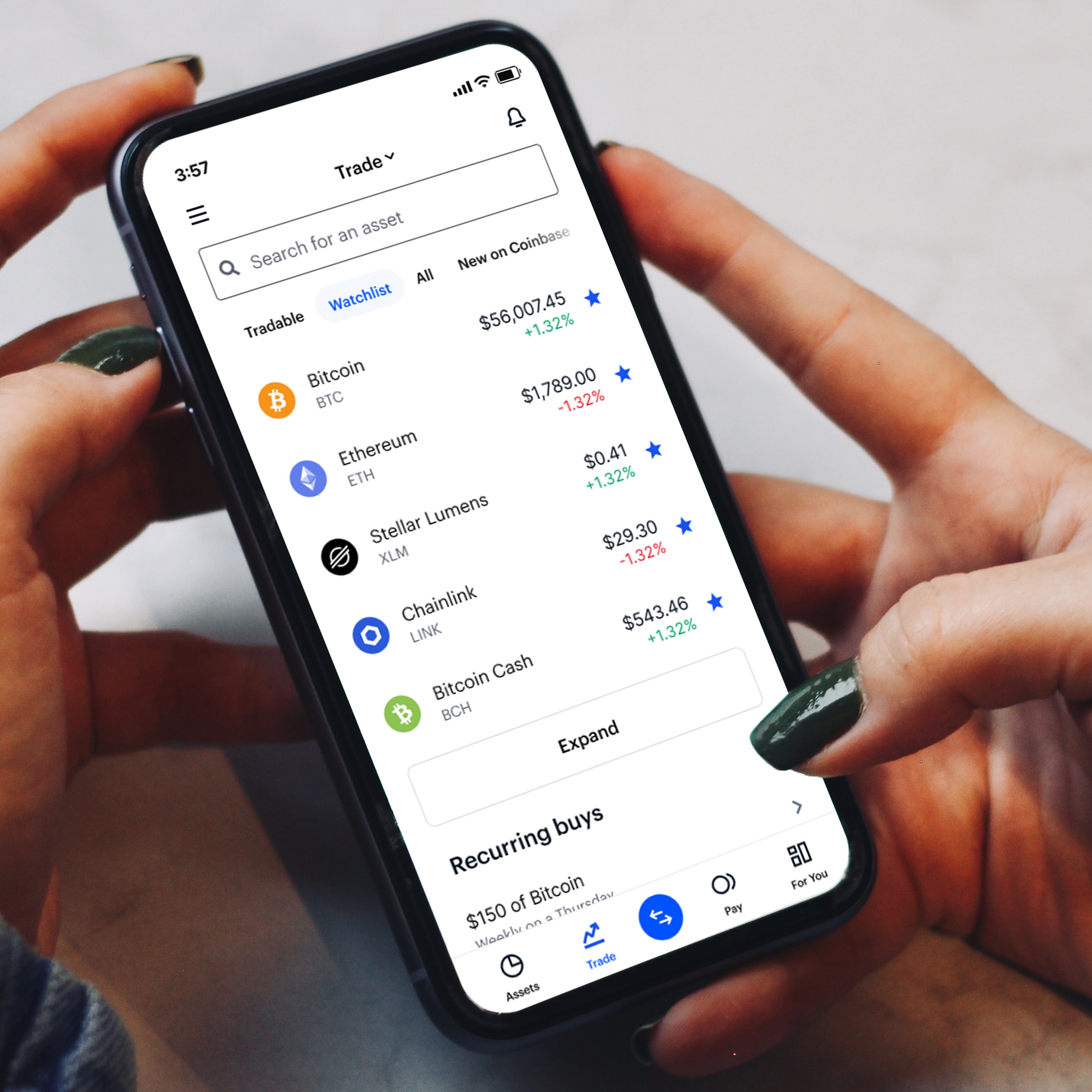
The Gateway to the Modern Financial Frontier
Coinbase began in a small apartment in San Francisco, founded by Brian Armstrong and Fred Ehrsam. At the time, Bitcoin was a niche interest for cryptographers and tech enthusiasts. The process of acquiring it was cumbersome, often requiring users to navigate obscure forums and risky peer-to-peer transfers. Coinbase changed the narrative by creating a secure, regulated interface where anyone with a bank account could buy digital assets.
From Niche Utility to Mainstream Finance
In the early days, the platform served primarily as a “wallet” and a simple exchange. However, as the digital asset market matured, so did the Coinbase suite of services. It evolved from a retail-facing portal into a comprehensive financial ecosystem. Today, it serves tens of millions of users across the globe, processing billions of dollars in trading volume. This scale has allowed Coinbase to act as a market maker, providing the liquidity necessary for the crypto market to function with the same efficiency as the New York Stock Exchange.
The Philosophy of Economic Freedom
The driving force behind Coinbase is the belief that decentralized digital assets can provide a more fair, accessible, and efficient financial system. By removing the traditional intermediaries that often slow down transactions and increase costs—particularly in cross-border transfers—Coinbase positions itself as a tool for financial empowerment. This “Money” niche focus is not just about trading; it is about providing the infrastructure for a global economy that operates 24/7, without the limitations of traditional banking hours or geographical borders.
A Comprehensive Financial Ecosystem for the Digital Age
For the modern investor, Coinbase is much more than a place to buy Bitcoin. It has developed into a multi-faceted financial toolset designed to help users manage, grow, and spend their wealth in the digital era. This ecosystem is built on several key pillars that cater to different levels of financial sophistication.
The Coinbase Exchange and Advanced Trading
At its core is the retail exchange, designed for simplicity. It allows for one-click purchases and provides a clear view of one’s portfolio performance. However, for the more seasoned investor, the platform offers “Coinbase Advanced.” This feature set provides the technical analysis tools, depth charts, and limit orders found in traditional brokerage platforms like Schwab or Fidelity. This duality ensures that as a user’s financial literacy grows, the platform grows with them.
Passive Income through Staking and Rewards
One of the most compelling aspects of the Coinbase financial model is the ability to generate passive income. Through “staking,” users can earn rewards on their holdings for certain assets like Ethereum, Solana, and Cardano. By participating in the security and governance of these blockchain networks, Coinbase users receive a percentage-based yield, similar to the interest earned in a high-yield savings account, but often at significantly higher rates. This has turned the platform into a wealth-generation tool rather than just a speculative trading desk.
The Coinbase Card and Real-World Utility
Bridging the gap between digital wealth and daily expenses is the Coinbase Card. This Visa debit card allows users to spend their crypto or US Dollar balances anywhere Visa is accepted. By offering “crypto back” rewards on every purchase, it integrates the digital asset economy into the user’s physical life, reinforcing the idea that cryptocurrency is a legitimate form of currency and not just a digital gold bar kept in a vault.
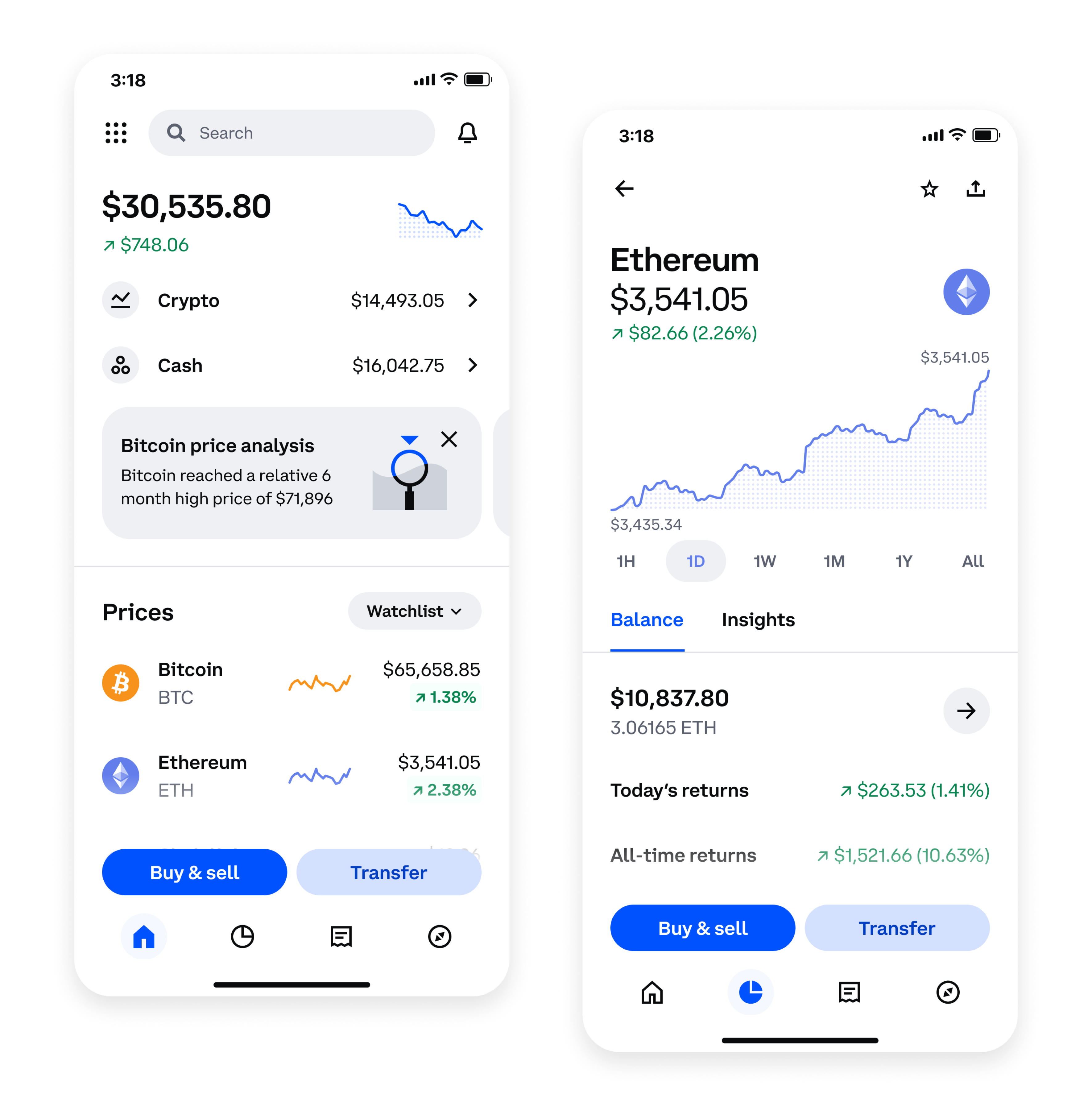
Institutional Strength and the Public Market Transition
Perhaps the most defining moment in Coinbase’s history—and the clearest indicator of “who” they are in the financial world—was their direct listing on the NASDAQ in April 2021. Under the ticker symbol COIN, Coinbase became the first major cryptocurrency exchange to become a publicly traded company in the United States.
The Significance of Regulatory Compliance
Unlike many of its competitors who have operated in “gray areas” of international law, Coinbase has historically leaned into regulation. They are registered as a Money Services Business with FinCEN and hold BitLicenses and various money transmitter licenses across numerous jurisdictions. This commitment to compliance is a core part of their identity. For the investor, this provides a layer of security and recourse that is often missing in the offshore, unregulated corners of the crypto market.
Coinbase Prime: Serving the Institutional Giants
The “Who is Coinbase” question is also answered by their relationship with institutional capital. Through Coinbase Prime, the company provides custody and execution services to hedge funds, corporations, and family offices. When major institutions like Tesla or MicroStrategy decided to add Bitcoin to their balance sheets, they turned to Coinbase’s institutional-grade security. By providing the plumbing for “big money” to enter the space, Coinbase has solidified its role as the backbone of the institutional crypto market.
Asset Security and Insurance
In the world of personal finance, security is paramount. Coinbase employs institutional-grade security measures, including the storage of the vast majority of user assets in “cold storage”—offline vaults that are disconnected from the internet and protected by multi-signature encryption. Furthermore, the company maintains insurance policies to protect against certain types of breaches, providing a level of “sleep-well-at-night” assurance that is critical for any financial institution holding billions in client funds.
Wealth Generation and Portfolio Diversification
From a financial planning perspective, Coinbase serves as the primary vehicle for asset diversification in a modern portfolio. As traditional bonds and equities face new macroeconomic pressures, digital assets are increasingly viewed as a necessary “alternative” asset class.
Modern Portfolio Theory and Digital Assets
Financial advisors are increasingly suggesting a small percentage allocation to digital assets to improve the risk-adjusted returns of a portfolio. Coinbase makes this transition seamless. By providing detailed cost-basis reporting, tax documentation tools, and real-time performance tracking, it allows investors to treat their crypto holdings with the same professional rigor as their 401(k) or IRA.
Educating the Next Generation of Investors
A unique aspect of the Coinbase financial model is their “Learn and Earn” program. This initiative pays users in small amounts of cryptocurrency to watch educational modules about different blockchain projects. This effectively lowers the barrier to entry for new investors, allowing them to start their investment journey with zero out-of-pocket cost while simultaneously increasing their financial literacy. It is a marketing strategy that doubles as a financial empowerment tool.
Navigating Market Volatility
While the opportunities for wealth generation are significant, Coinbase also plays a role in educating users on the inherent risks of the market. Through its interface, it provides volatility warnings and educational resources on the “buy and hold” (HODL) philosophy versus speculative day trading. By promoting a long-term view of the asset class, Coinbase aligns itself more with the world of serious investing than with the “get rich quick” schemes often associated with the space.

The Future of Finance: Beyond the Exchange
As we look forward, Coinbase is positioning itself to be much more than an exchange; it aims to be the “on-ramp” for the entire decentralized web. This includes the development of their own layer-2 network, “Base,” which aims to make transactions faster and cheaper, and their expansion into international markets where traditional banking infrastructure is weak or non-existent.
In summary, who is Coinbase? They are the premier financial institution of the 21st century. They are the bridge between the gold-standard past and the digital-standard future. For the individual investor, they are a secure vault and a powerful growth engine. For the global economy, they are a transparent, regulated, and innovative force that is redefining what it means to hold, spend, and grow wealth. As the world moves toward a truly digital economy, the role of Coinbase as a steward of this transition becomes not just important, but essential for anyone looking to navigate the future of money.
aViewFromTheCave is a participant in the Amazon Services LLC Associates Program, an affiliate advertising program designed to provide a means for sites to earn advertising fees by advertising and linking to Amazon.com. Amazon, the Amazon logo, AmazonSupply, and the AmazonSupply logo are trademarks of Amazon.com, Inc. or its affiliates. As an Amazon Associate we earn affiliate commissions from qualifying purchases.