
In the rapidly evolving landscape of personal finance, digital payment platforms like Cash App have become indispensable tools for millions. They offer convenience, speed, and a suite of financial services that challenge traditional banking models. Yet, behind the slick user interface and instant transactions, a fundamental question often arises: “Who is Cash App bank?” This seemingly simple query delves into the intricate financial architecture of modern FinTech, revealing a sophisticated web of partnerships, regulatory compliance, and consumer protection. Understanding this relationship is crucial for anyone entrusting their funds to such platforms, offering clarity on everything from the security of deposits to the scope of financial services available.

Cash App, developed by Block, Inc. (formerly Square, Inc.), is undeniably a financial powerhouse, enabling peer-to-peer payments, direct deposits, stock trading, and even Bitcoin transactions. However, despite its extensive financial offerings, Cash App is not a bank in the conventional sense. Instead, it operates through strategic alliances with FDIC-insured banks, leveraging their established infrastructure and regulatory framework to provide its services. This hybrid model allows FinTech companies to innovate at speed while adhering to the stringent safeguards designed to protect consumers’ money. This article will unravel the identity of Cash App’s banking partners, explore the implications for your personal finance, and shed light on the robust protective measures in place.
The Core Relationship: Cash App and Its Banking Partners
At the heart of Cash App’s operation lies a crucial distinction: it is a financial technology company, not a chartered bank. This difference is paramount, as it dictates how user funds are handled, regulated, and protected. Cash App’s ability to offer banking-like services stems from strategic partnerships with traditional, federally regulated financial institutions.
Dispelling the Myth: Cash App is Not a Bank
Many users intuitively perceive Cash App as their “bank” due to its ability to hold balances, facilitate direct deposits, and issue debit cards. However, this perception, while understandable given the seamless user experience, is technically inaccurate. A true bank is a financial institution chartered by either federal or state authorities, subject to direct oversight by entities like the Federal Reserve, the Office of the Comptroller of the Currency (OCC), or state banking departments. Banks are required to maintain specific capital reserves, adhere to strict lending and investment guidelines, and are the direct providers of FDIC insurance.
Cash App, on the other hand, does not hold a bank charter. Its primary role is to provide the technological platform and user interface that connect consumers to these underlying financial services. This distinction is not merely semantic; it has significant implications for how user funds are managed, what protections are in place, and the regulatory environment within which Cash App operates.
The Pillars of Partnership: Sutton Bank and Lincoln Savings Bank
So, if Cash App isn’t a bank, who is? Cash App primarily partners with two key financial institutions in the United States: Sutton Bank and Lincoln Savings Bank.
- Sutton Bank: Based in Attica, Ohio, Sutton Bank is a state-chartered, FDIC-insured community bank. It plays a critical role in facilitating Cash App’s debit card program (the Cash Card) and managing the underlying accounts for many Cash App users. When you receive a Cash Card, it is typically issued by Sutton Bank.
- Lincoln Savings Bank: Headquartered in Reinbeck, Iowa, Lincoln Savings Bank is also an FDIC-insured financial institution. It is often the bank responsible for holding customer funds that are loaded onto the Cash App platform, particularly those related to direct deposits and general balances held within the app.
These partnerships are not unique to Cash App; they represent a common model within the FinTech industry. Many popular digital payment apps, prepaid card providers, and online investment platforms rely on similar arrangements with traditional banks to provide their services legally and securely.
Why FinTechs Partner with Traditional Institutions
The rationale behind these partnerships is multifaceted and mutually beneficial, especially from a financial and regulatory perspective:
- Regulatory Compliance: Obtaining a bank charter is an incredibly complex, costly, and time-consuming process, involving extensive regulatory scrutiny. By partnering with existing banks, FinTechs can piggyback on their partners’ regulatory licenses and compliance frameworks, allowing them to offer financial services without directly navigating the full burden of banking regulations. This ensures adherence to crucial consumer protection laws, anti-money laundering (AML) regulations, and Know Your Customer (KYC) requirements.
- Access to Infrastructure: Traditional banks possess established payment networks (like Visa and Mastercard), secure transaction processing systems, and direct access to the federal banking system. FinTechs can leverage this existing infrastructure rather than building it from scratch, significantly reducing operational costs and time to market.
- FDIC Insurance: Perhaps most importantly for consumers, partnering with FDIC-insured banks allows Cash App to offer FDIC pass-through insurance for eligible customer funds. This critical safeguard protects users’ money in the unlikely event of the partner bank’s failure, a benefit that Cash App could not directly provide without a bank charter.
- Focus on Innovation: By offloading the traditional banking functions to their partners, Cash App can focus its resources on what it does best: developing innovative user interfaces, enhancing app features, and creating a seamless digital experience. This division of labor drives efficiency and allows for rapid product development.
Protecting Your Funds: FDIC Insurance and Financial Security
Understanding the banking partnerships is key to grasping how your money is protected when held within Cash App. The specter of financial instability or security breaches is a primary concern for anyone using digital platforms, making FDIC insurance and robust security measures paramount.
Understanding FDIC Pass-Through Insurance
The Federal Deposit Insurance Corporation (FDIC) is an independent agency of the U.S. government that protects depositors in FDIC-insured banks against the loss of their insured deposits if an FDIC-insured bank fails. The standard insurance amount is $250,000 per depositor, per insured bank, for each account ownership category.
Crucially, for FinTechs like Cash App, this protection comes in the form of pass-through FDIC insurance. This means that although your money is held by the partner bank (e.g., Lincoln Savings Bank), your funds are still insured by the FDIC up to the $250,000 limit, as if you had deposited them directly into that bank. Cash App acts as an intermediary, managing your access to these funds, but the actual deposits reside at the partner bank, making them eligible for FDIC protection. It’s important to note that this insurance applies to “deposits” – funds held in your Cash App balance – and typically does not extend to investments made through Cash App, such as stocks or Bitcoin, which carry their own market risks.
How Your Cash App Balance Is Protected
When you add money to your Cash App balance or receive a direct deposit, those funds are held in a pooled account maintained by Cash App at its partner bank (e.g., Lincoln Savings Bank). While your specific funds are commingled with other users’ funds in this master account, Cash App maintains meticulous records of each individual user’s balance. These records allow the partner bank to “pass through” the FDIC insurance directly to you, the end-user, ensuring your individual funds are protected up to the $250,000 limit. This mechanism is a cornerstone of trust in the digital finance ecosystem.
Beyond FDIC: Cash App’s Internal Security Measures
While FDIC insurance provides a vital safety net against bank failure, it doesn’t cover other risks like unauthorized access to your account or cyber theft. To address these concerns, Cash App employs a suite of internal security measures designed to protect user funds and personal information:
- Encryption and Fraud Detection: Cash App utilizes state-of-the-art encryption technologies to protect all transactions and user data. Sophisticated fraud detection systems continuously monitor for suspicious activity, employing algorithms to identify and flag potential unauthorized use.
- Account Security Features: Users are encouraged to enhance their account security with features like two-factor authentication (2FA), PINs, and Touch ID/Face ID for logins and transactions. These layers of security make it significantly harder for unauthorized individuals to access an account, even if they obtain login credentials.
- PCI-DSS Compliance: For transactions involving the Cash Card, Cash App adheres to Payment Card Industry Data Security Standard (PCI-DSS) requirements, a global standard for protecting sensitive cardholder data.
- Dispute Resolution and Support: In cases of unauthorized transactions or disputes, Cash App offers customer support and mechanisms for reporting issues, although the resolution process can sometimes be slower than with traditional banks.

Cash App’s Expanding Financial Ecosystem and Personal Finance Impact
Cash App has evolved far beyond a simple peer-to-peer payment tool. It now offers a comprehensive suite of financial services that deeply impact how users manage their personal finances, from everyday spending to long-term wealth building.
More Than Just P2P: Direct Deposit and Debit Card Features
The foundational service of Cash App allows users to send and receive money from friends and family instantly. However, its utility in personal finance significantly expanded with the introduction of:
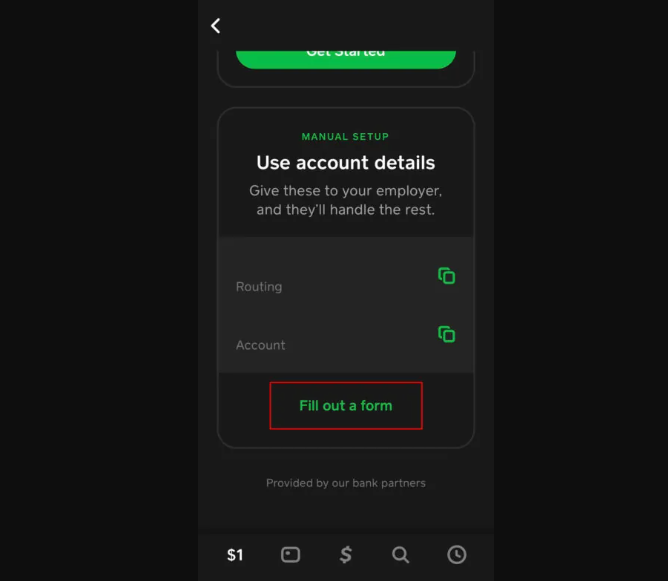
- Direct Deposit: Users can receive their paychecks, tax refunds, and government benefits directly into their Cash App account using a unique routing and account number. This feature turns Cash App into a primary banking alternative for many, especially those who prefer digital-first solutions or are unbanked/underbanked. Direct deposit streamlines income management and provides immediate access to funds.
- Cash Card (Debit Card): The Cash Card, a customizable Visa debit card linked to the user’s Cash App balance and issued by Sutton Bank, allows users to spend their funds anywhere Visa is accepted. This empowers users to use their Cash App balance for everyday purchases, online shopping, and ATM withdrawals, effectively transforming their digital balance into spendable cash. The card often includes “Boosts” – instant discounts at specific merchants – which can offer tangible savings and incentivize usage.
Delving into Investing: Stocks and Bitcoin
One of Cash App’s most innovative features, and a significant deviation from traditional banking, is its integrated investment platform. This brings investment opportunities directly to a broader audience, democratizing access to financial markets.
- Stocks: Cash App allows users to buy fractional shares of publicly traded companies, starting with as little as $1. This low barrier to entry makes stock market investing accessible to individuals who might not have large sums to invest or prefer a simpler, app-based experience. While convenient, users must understand that stock investments are not FDIC-insured and carry inherent market risks, meaning the value can go down as well as up. Cash App facilitates these investments through a registered broker-dealer, ensuring regulatory compliance for securities trading.
- Bitcoin: Capitalizing on the growing interest in cryptocurrencies, Cash App also enables users to buy and sell Bitcoin directly within the app. This integration simplifies access to the crypto market, allowing for quick and easy transactions. Like stocks, Bitcoin investments are not FDIC-insured and are subject to significant price volatility. Cash App provides the platform for these transactions but does not act as a financial advisor, emphasizing the user’s responsibility for understanding the risks involved.
These investment features significantly broaden Cash App’s appeal, positioning it not just as a payment app but as a nascent financial hub for digital natives.
Budgeting and Financial Management Through Cash App
While Cash App doesn’t offer sophisticated budgeting tools like some dedicated personal finance apps, its consolidated nature offers implicit benefits for financial management:
- Centralized Funds: For many users, Cash App becomes a primary destination for incoming funds (direct deposits) and outgoing payments (Cash Card, P2P transfers). This centralization can simplify tracking income and expenses for those who primarily use the app for their financial activities.
- Spending Tracking: Users can review their transaction history within the app, providing a digital ledger of their spending. This can aid in understanding spending habits, though it may require manual aggregation for comprehensive budgeting.
- Accessibility for Specific Needs: For individuals managing specific budgets, like side hustles or gig economy earnings, Cash App can serve as a dedicated financial tool, separating these funds from other personal banking accounts.
Regulatory Landscape and Consumer Trust in Digital Finance
The rise of FinTech has presented both opportunities and challenges for regulators. Ensuring consumer protection, financial stability, and fair practices in a rapidly evolving digital environment is paramount, and Cash App operates within this complex landscape.
Navigating the Complexities of FinTech Regulation
Unlike traditional banks, which fall under a clear and consolidated regulatory framework, FinTech companies often navigate a patchwork of state and federal regulations depending on the specific services they offer. For Cash App:
- Money Transmitter Licenses: As a platform that facilitates the transfer of money, Cash App holds money transmitter licenses in various states, which are overseen by state financial regulatory bodies. These licenses often impose requirements related to capital reserves, cybersecurity, and consumer disclosures.
- Securities Regulation: For its stock trading features, Cash App operates through a registered broker-dealer, subjecting these activities to oversight by the Securities and Exchange Commission (SEC) and the Financial Industry Regulatory Authority (FINRA).
- AML and KYC: All aspects of Cash App’s financial operations, including its banking partners and its own compliance efforts, are subject to anti-money laundering (AML) and Know Your Customer (KYC) regulations, mandated by agencies like the Financial Crimes Enforcement Network (FinCEN). These rules aim to prevent illicit financial activities like money laundering and terrorist financing.
This multi-layered regulatory environment, while complex, is designed to provide a comprehensive safety net for consumers, ensuring that even innovative financial platforms adhere to fundamental standards of integrity and security.
Building and Maintaining User Trust
For any financial service, trust is the ultimate currency. Cash App, like all FinTechs, must continually work to build and maintain user confidence. This involves:
- Transparency: Clearly communicating its banking partnerships, the extent of FDIC insurance, and the risks associated with non-insured investments (like stocks and crypto).
- Robust Security: Continuously investing in cybersecurity measures and fraud prevention technologies.
- Responsive Customer Support: Providing effective and timely assistance to users facing issues, whether related to transactions, security, or account management.
- Regulatory Compliance: Demonstrating unwavering adherence to all applicable laws and regulations, which signals reliability and responsible operation.
User trust is a dynamic asset, constantly earned through reliable service, transparent communication, and effective problem resolution.
The Future of Hybrid Financial Models
The “who is Cash App bank” question highlights a broader trend in finance: the emergence of hybrid models where FinTech innovation meets traditional banking infrastructure. This synergy is likely to define the future of personal finance, offering consumers the best of both worlds: the agility and user-friendliness of digital platforms combined with the stability and regulatory protections of established financial institutions. As these models evolve, we can expect even more sophisticated services, greater integration, and continued emphasis on security and consumer protection, all underpinned by strategic partnerships between technology innovators and regulated banks.
In conclusion, while Cash App is not a bank itself, its robust financial ecosystem is meticulously built upon strong partnerships with FDIC-insured institutions like Sutton Bank and Lincoln Savings Bank. This structure ensures that user funds are protected, while allowing Cash App to deliver a broad spectrum of convenient and innovative financial services. For consumers, understanding this framework demystifies the digital finance landscape and reinforces confidence in the platforms that are increasingly central to their financial lives.
aViewFromTheCave is a participant in the Amazon Services LLC Associates Program, an affiliate advertising program designed to provide a means for sites to earn advertising fees by advertising and linking to Amazon.com. Amazon, the Amazon logo, AmazonSupply, and the AmazonSupply logo are trademarks of Amazon.com, Inc. or its affiliates. As an Amazon Associate we earn affiliate commissions from qualifying purchases.