
The aviation industry is currently witnessing one of the most volatile periods in its history, and at the center of this turbulence sits Spirit Airlines. Once the darling of the ultra-low-cost carrier (ULCC) model, Spirit now finds itself navigating a precarious financial landscape characterized by mounting debt, operational hurdles, and a series of blocked merger attempts. For investors, financial analysts, and market spectators, the question of “who is buying Spirit” is not just about a corporate takeover; it is a case study in distressed asset valuation, regulatory intervention, and the future of low-cost business models.
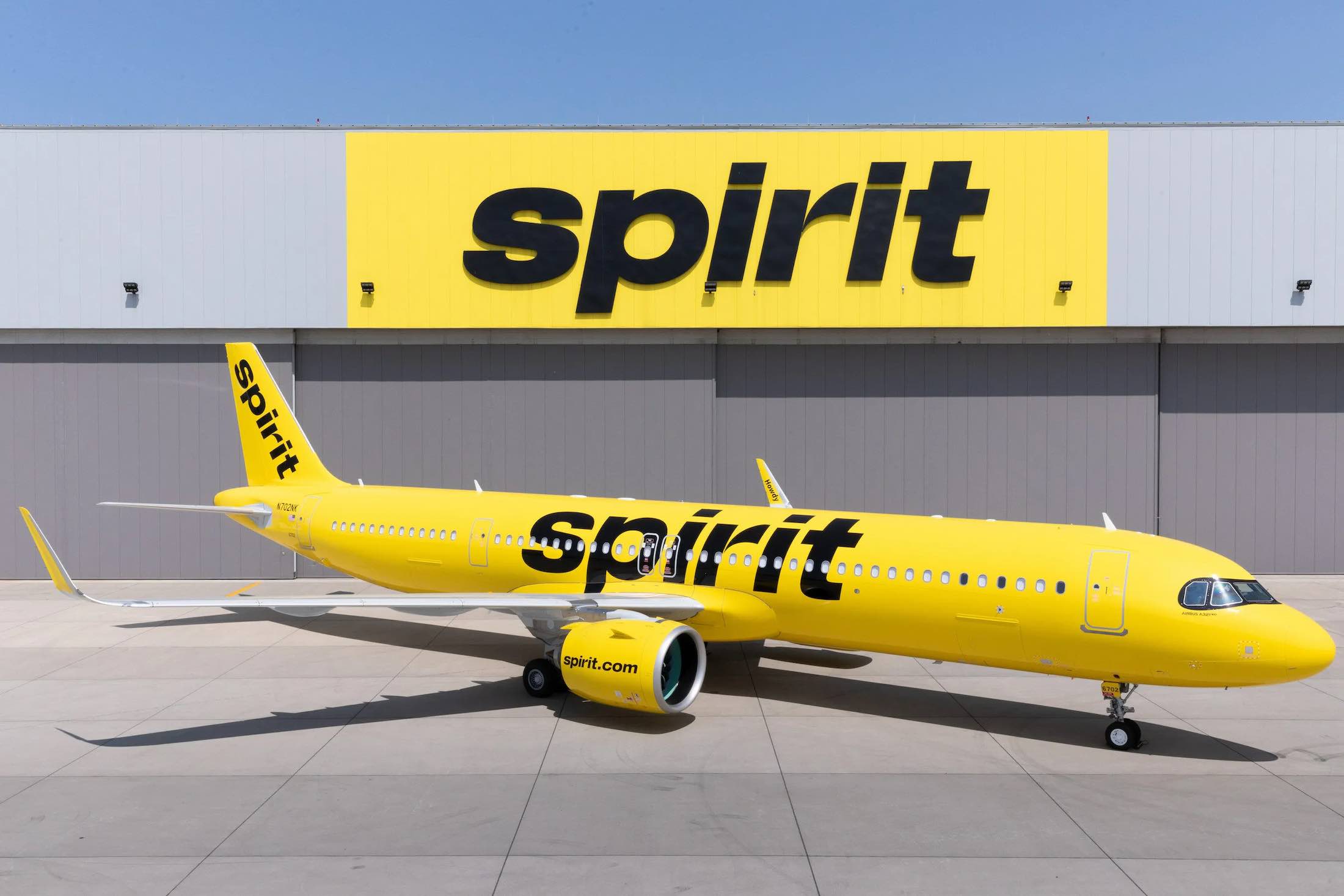
To understand the current state of potential acquisitions, one must look beyond the ticker symbol and into the complex financial engineering and strategic positioning that defines the modern airline industry. The search for a buyer is a high-stakes game where balance sheets, antitrust laws, and market share collide.
The Financial Health of Spirit Airlines: Why an Acquisition is Essential
Before evaluating potential suitors, it is critical to analyze the financial pressures that have made Spirit Airlines a target for acquisition—and a challenge for any prospective buyer. Spirit’s recent fiscal years have been defined by consistent losses, a stark departure from its pre-pandemic profitability.
Debt Obligations and Liquidity Concerns
Spirit Airlines is currently grappling with a substantial debt load. As of mid-2024, the company has significant maturities looming, including over $1 billion in loyalty-program-backed bonds. The primary concern for any acquirer is the restructuring of this debt. With interest rates remaining elevated compared to the last decade, refinancing these obligations is an expensive proposition. For a buyer, the attraction lies in Spirit’s assets—its fleet and its slots—but the liability side of the ledger requires a deep-pocketed partner capable of absorbing or renegotiating these terms.
The Impact of the Pratt & Whitney Engine Recall
Operationally, Spirit has been disproportionately affected by the mandatory inspections and groundings of the Pratt & Whitney Geared Turbofan (GTF) engines. Because a significant portion of Spirit’s neo-fleet utilizes these engines, the airline has been forced to ground dozens of aircraft. While Spirit has reached compensation agreements with Pratt & Whitney, the loss of capacity during peak travel seasons has hampered cash flow. Any entity looking to purchase Spirit must factor in these operational bottlenecks, which complicate the airline’s immediate earning potential.
The Frontrunners and Potential Suitors: Analyzing the Players
The landscape of potential buyers has shifted dramatically since the Department of Justice (DOJ) successfully blocked JetBlue’s $3.8 billion acquisition attempt. However, the underlying strategic value of Spirit remains, leading to several theories about who might step in next.
Frontier Airlines: The Logic of a Low-Cost Consolidation
Frontier Airlines remains the most logical suitor from a business model perspective. In early 2022, Frontier and Spirit had a merger agreement in place before JetBlue swooped in with a higher all-cash offer. The synergy between Frontier and Spirit is clear: both operate on the ULCC model, utilize similar Airbus fleets, and target price-sensitive travelers.
A merger with Frontier would create a massive low-cost entity capable of competing more effectively with the “Big Four” (American, Delta, United, and Southwest). From a financial standpoint, a Frontier-Spirit combination offers significant “synergies”—a corporate euphemism for cost-cutting through redundant management roles, combined marketing spends, and optimized route networks. If Spirit’s valuation drops low enough, Frontier may return to the table, likely proposing a deal that avoids the heavy debt-loading that doomed the JetBlue attempt.
Strategic Private Equity Interests
In the world of distressed debt and corporate restructuring, private equity (PE) firms are often the buyers of last resort. Firms specializing in transportation and infrastructure, such as Indigo Partners (which has a history with Frontier) or other large-scale asset managers, could see Spirit as a “buy-low” opportunity.
A private equity buyout would likely involve taking the company private, delisting it from the New York Stock Exchange, and performing a radical “slash-and-burn” restructuring. By stripping away unprofitable routes, selling off aircraft to lease them back (a common liquidity move in aviation), and renegotiating labor contracts, a PE firm could aim to return Spirit to profitability before selling it again or taking it public in a more favorable market.

The “Big Four” and the Impossible Acquisition
While the major legacy carriers have the capital to buy Spirit, they are effectively sidelined by regulatory reality. The current antitrust climate in the United States makes it nearly impossible for a carrier like Delta or United to acquire Spirit. The DOJ’s successful block of the JetBlue deal was predicated on the idea that removing a low-cost competitor would lead to higher fares for consumers. If the government viewed a JetBlue-Spirit merger as anti-competitive, a merger between Spirit and an even larger legacy carrier would be dead on arrival.
Regulatory Hurdles and the Department of Justice (DOJ) Influence
Any discussion of who is buying Spirit must center on the legal framework governing the U.S. airline industry. The DOJ has taken an increasingly aggressive stance against consolidation, viewing the industry as already too concentrated.
The Precedent Set by the Blocked JetBlue Merger
When Judge William Young blocked the JetBlue-Spirit merger in early 2024, he argued that the deal would harm “cost-conscious travelers” who rely on Spirit’s low-fare structure to afford air travel. This ruling changed the math for any potential buyer. It demonstrated that a buyer cannot simply offer the highest price; they must also prove that the acquisition will not reduce competition in the ULCC segment.
The “Failing Firm” Defense Strategy
As Spirit’s financial position remains precarious, the “failing firm” defense may become a central component of future acquisition attempts. Under this legal doctrine, an otherwise anti-competitive merger may be allowed if one of the companies is in imminent danger of failure and has no other viable buyers. If Spirit can prove that it will face liquidation without a merger, the DOJ might be forced to choose between a consolidated market or a market where Spirit’s capacity disappears entirely. This makes the timing of a sale critical; a buyer might wait until Spirit is on the brink of bankruptcy to maximize their leverage against regulators.
Investment Implications: What This Means for Shareholders and the Market
For investors, the uncertainty surrounding Spirit Airlines has created a high-volatility environment. The stock has seen massive swings based on court rulings, earnings reports, and speculative rumors.
Evaluating Spirit’s Stock Volatility
Investing in Spirit at this stage is essentially a bet on the outcome of a corporate marriage or a bankruptcy restructuring. If a buyer emerges and successfully navigates regulatory hurdles, the upside for shareholders could be significant compared to the current depressed prices. However, if no buyer emerges and the company is forced into Chapter 11, equity holders are often the last in line for recovery, frequently seeing their shares wiped out entirely.
The Bond Market as a Leading Indicator
Institutional investors often look to the bond market rather than the stock market to gauge the likelihood of an acquisition. Spirit’s bonds have traded at deep discounts, signaling that the market perceives a high risk of default. Any news of a potential buyer usually causes a “relief rally” in these bonds. For those analyzing “who is buying,” the movement of Spirit’s 2025 and 2026 debt obligations provides more concrete data than the speculative chatter on social media or retail trading platforms.
The Future of the Ultra-Low-Cost Carrier (ULCC) Business Model
The quest to find a buyer for Spirit Airlines highlights a broader crisis in the ULCC business model within the United States. The rising costs of labor, fuel, and airport fees have squeezed the margins of airlines that rely on $19 base fares.
Consolidation as a Survival Tactic
The “Who is buying” question is a symptom of an industry that may have reached its limit for independent, small-scale players. In a high-cost environment, scale is the only defense. A larger airline has more negotiating power with vendors, a more robust network to absorb localized economic downturns, and more diverse revenue streams (such as premium seating and loyalty programs). Spirit’s struggle suggests that the future of the industry may lie in fewer, larger entities rather than a fragmented field of budget carriers.

How a Buyout Reshapes the Competitive Landscape
Regardless of who buys Spirit, the result will be a repositioning of the American skies. If Frontier eventually succeeds, we see the birth of a ULCC giant. If a private equity firm takes over, we see a leaner, perhaps more aggressive Spirit. If no one buys Spirit and it undergoes a standalone restructuring, we may see the airline abandon its national ambitions to focus on a few core, profitable hubs.
In the final analysis, the identity of Spirit’s buyer will be determined by three factors: the ability to manage a distressed balance sheet, the strategic need for Airbus A320neo family aircraft, and the legal fortitude to challenge the Department of Justice. Until those factors align, Spirit remains the most watched—and most vulnerable—asset in the financial theater of aviation. For the savvy investor or the business strategist, the situation offers a masterclass in the complexities of 21st-century corporate finance, where the value of a company is measured as much by its legal standing as its operational output.
aViewFromTheCave is a participant in the Amazon Services LLC Associates Program, an affiliate advertising program designed to provide a means for sites to earn advertising fees by advertising and linking to Amazon.com. Amazon, the Amazon logo, AmazonSupply, and the AmazonSupply logo are trademarks of Amazon.com, Inc. or its affiliates. As an Amazon Associate we earn affiliate commissions from qualifying purchases.