
The question of “who invented Tesla cars” might seem straightforward, yet its answer delves into a fascinating narrative of technological vision, engineering prowess, and relentless innovation that spans multiple individuals and pivotal moments. Far from being the brainchild of a single inventor, Tesla’s origins are rooted in a collaborative effort to challenge the status quo of the automotive industry and accelerate the world’s transition to sustainable energy. To truly understand the invention of Tesla cars is to explore the technological journey from its initial spark to its current dominance as a leader in electric vehicle (EV) and clean energy technologies. This exploration is fundamentally about the evolution and application of cutting-edge technology to solve complex problems in mobility and energy.

The Foundational Visionaries: Pre-Musk Era Innovation
Before Elon Musk became the public face of Tesla, the company was conceived by two engineers driven by a shared vision for high-performance electric vehicles. Their initial efforts laid the critical technological groundwork that would eventually allow Tesla to disrupt the automotive world.
Martin Eberhard and Marc Tarpenning: The Genesis of Tesla Motors
In July 2003, Martin Eberhard and Marc Tarpenning officially incorporated Tesla Motors. Both were seasoned entrepreneurs with backgrounds in technology, having previously built and sold successful companies (Eberhard in digital books, Tarpenning in network storage). Their motivation for founding Tesla was deeply rooted in technological and environmental considerations. They were frustrated by the limitations of internal combustion engine (ICE) vehicles and the lack of compelling electric alternatives. They envisioned an electric sports car that would not compromise on performance or aesthetics, directly challenging the prevailing notion that EVs were slow, impractical, or only for niche environmentalists.
Eberhard, serving as the first CEO, was the primary technological architect of the early Tesla Roadster. Tarpenning, as CFO and later VP of Electrical Engineering, focused on the business aspects but also contributed significantly to the hardware and software development. Their initial technological premise was audacious: to create a viable electric car by leveraging readily available lithium-ion battery cells – the same type used in laptops – but on a much larger scale. This approach, while seemingly simple, required immense engineering ingenuity to manage thousands of individual cells for safety, efficiency, and longevity. Their initial designs and patents focused on battery thermal management, power electronics, and motor control systems, setting the technical direction for the company’s first product.
Early Technological Hurdles and Solutions
The path to the first Tesla vehicle was fraught with significant technological challenges. Integrating thousands of small laptop batteries into a single, high-voltage, high-capacity pack suitable for automotive use was unprecedented.
-
Battery Technology: The primary hurdle was the sheer scale and complexity of the battery pack. They decided against large format cells, which were immature at the time, opting instead for thousands of smaller 18650 cells. This required designing a sophisticated Battery Management System (BMS) that could individually monitor and balance the charge and discharge of each cell, prevent overheating (a major safety concern), and optimize overall pack performance and lifespan. This BMS technology was a critical early invention for Tesla.
-
Power Electronics: Converting the direct current (DC) from the battery pack into alternating current (AC) for the motor, and managing the precise delivery of power, required advanced inverter technology. This system also had to be compact, efficient, and robust enough for automotive conditions.
-
Drivetrain Integration: Mating the electric motor with a transmission that could handle the high torque of an electric motor and efficiently transfer power to the wheels was another engineering feat. Early attempts involved multi-speed transmissions, but eventually, Tesla opted for a simpler, single-speed gearbox, which became a hallmark of EV design for its efficiency and direct power delivery.
These early engineering decisions and problem-solving efforts by Eberhard, Tarpenning, and their growing team were the true “invention” phase of Tesla cars, establishing the core technological principles that would underpin all subsequent models.
Elon Musk’s Entry and Accelerated Technological Evolution
While the foundational work was crucial, it was the arrival of Elon Musk that provided the capital, leadership, and bold vision necessary to transform Tesla from a promising startup into a global automotive disruptor.
Investment, Leadership, and Shifting Trajectories
Elon Musk first invested in Tesla Motors in February 2004, becoming the largest shareholder and chairman of the board. His substantial investment of $6.5 million was critical in pulling the company out of early financial difficulties and enabling the development of the Roadster. Musk was not just an investor; he brought an ambitious, aggressive technological roadmap and a profound belief in the power of electric vehicles to change the world. He pushed for accelerated development, emphasizing not just performance but also scalability and the ultimate goal of making EVs accessible to the masses.
Musk’s influence on Tesla’s technological trajectory was immense. He advocated for proprietary technology development, pushing the company to become vertically integrated and control every aspect of its vehicles, from software to battery design to manufacturing processes. This approach diverged from traditional automotive models that relied heavily on external suppliers and allowed Tesla to innovate at a much faster pace. He became CEO in 2008, solidifying his role in steering Tesla’s technological direction.
The Tesla Roadster: A Technological Proof of Concept
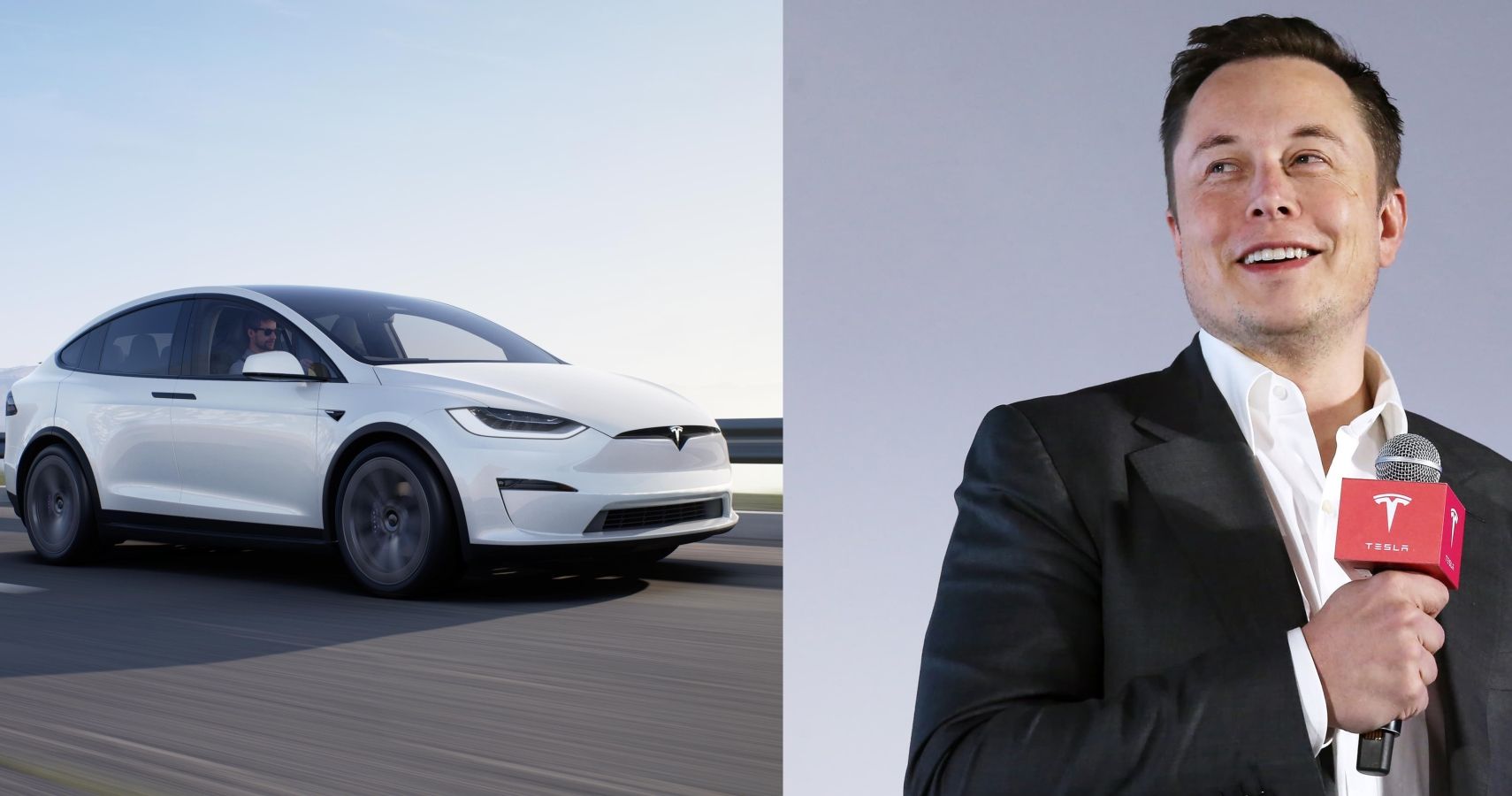
The Tesla Roadster, launched in 2008, was the culmination of these early efforts and served as a powerful technological statement. While it utilized a chassis from Lotus (the Elise), nearly 90% of the car was re-engineered by Tesla. This included:
-
The Powertrain: At its heart was Tesla’s proprietary AC induction motor, custom-designed for high efficiency and power output. The integration of this motor with the advanced battery pack and power electronics delivered unprecedented acceleration and range for an EV at the time.
-
Battery Pack Innovation: The Roadster’s battery pack was a marvel of engineering. Comprising 6,831 individual lithium-ion cells, it demonstrated the viability of using small-format cells in a large-scale automotive application. The sophisticated BMS ensured thermal management and cell balancing, allowing the car to achieve over 200 miles of range on a single charge – a revolutionary figure in 2008.
-
Software Integration: Even in the Roadster, Tesla began laying the groundwork for its software-defined vehicle approach. The car’s electronics were highly integrated, with custom software controlling everything from motor performance to battery health monitoring.
The Roadster proved that electric cars could be fast, stylish, and offer a significant range, debunking numerous myths and proving the core technologies worked. It was a critical stepping stone, validating the initial “invention” and setting the stage for more ambitious projects.
Democratizing Electric Vehicles: The Model S and Beyond
With the technological success of the Roadster, Tesla shifted its focus to producing more affordable, mass-market electric vehicles, requiring even greater leaps in design, engineering, and manufacturing.
Innovating for the Mainstream: Powering the Electric Revolution
The Model S, introduced in 2012, was a game-changer. It was designed from the ground up as an electric vehicle, allowing for optimal packaging and a revolutionary interior space.
-
Battery Architecture and Range: The Model S introduced larger battery packs (e.g., 85 kWh initially) strategically placed in the floor, lowering the center of gravity and improving handling. Continuous improvements in battery chemistry and pack design have pushed ranges far beyond initial expectations.
-
Electric Motor Design: Tesla moved towards highly efficient, custom-designed permanent magnet motors for its newer vehicles, offering superior power-to-weight ratios and efficiency. The dual-motor all-wheel-drive system was another technological innovation, providing superior traction and performance through precise electronic control of each motor.
-
Software-Defined Vehicle: Perhaps the most radical technological innovation of the Model S was its deep integration of software. Over-The-Air (OTA) updates became a standard feature, allowing Tesla to add new functionalities, improve performance, and fix bugs remotely – a concept unheard of in traditional automobiles. This effectively made the car a “computer on wheels.”
-
Autopilot Hardware: From its early days, Tesla began integrating advanced sensor suites (cameras, radar, ultrasonics) into its vehicles, laying the foundation for its ambitious autonomous driving efforts. This hardware platform, continuously upgraded, is a core technological element of every Tesla car.
-
Supercharger Network: Recognizing that charging infrastructure was a bottleneck for EV adoption, Tesla invented and rapidly deployed its proprietary Supercharger network. This fast-charging technology was critical for long-distance travel, offering a seamless and convenient charging experience that rivaled gasoline refueling times. This infrastructure play was as much a technological invention as the cars themselves, enabling practical EV ownership.
Vertical Integration and Manufacturing Innovation
Tesla’s technological advantage extends beyond the car itself into its unique approach to manufacturing.
-
Gigafactories: Tesla’s Gigafactories are massive, highly automated facilities designed to produce vehicles and batteries on an unprecedented scale. They represent a significant investment in manufacturing technology, integrating everything from raw material processing to final assembly under one roof.
-
Battery Cell Production: Tesla has aggressively pursued in-house battery cell development, culminating in its 4680 battery cells. These larger, tabless cells promise higher energy density, faster charging, and lower costs, representing a major technological leap in battery manufacturing and design.
-
AI in Manufacturing: Tesla leverages artificial intelligence and advanced robotics extensively in its production lines, aiming for maximum efficiency and precision. This includes sophisticated vision systems for quality control and autonomous robots for material handling and assembly. This focus on “the machine that builds the machine” is a unique technological hallmark.
Beyond the Car: Expanding Tesla’s Technological Ecosystem
Tesla’s technological ambition has always extended beyond just vehicles, encompassing a broader vision for a sustainable energy future. This involves innovating in energy generation, storage, and AI.
Energy Storage and Solar Technologies
To truly accelerate the world’s transition to sustainable energy, Tesla recognized the need for robust energy storage solutions to complement intermittent renewable sources like solar and wind.
-
Powerwall, Powerpack, and Megapack: These battery energy storage systems (BESS) represent a significant technological invention. Powerwall is designed for residential use, providing backup power and optimizing solar consumption. Powerpack and Megapack are industrial-scale solutions designed for utilities and businesses, providing grid stability, peak shaving, and renewable energy integration. These systems use advanced battery chemistry, thermal management, and sophisticated software controls to manage energy flow efficiently.
-
Solar Roof: This innovative product integrates solar cells directly into aesthetically pleasing roof tiles, offering a durable and visually appealing alternative to traditional solar panels. It combines photovoltaic technology with architectural design, creating a seamless and integrated energy solution for homes.
Autonomous Driving and AI Development
Tesla’s most ambitious and controversial technological endeavor is its pursuit of full self-driving (FSD) capabilities.
-
Full Self-Driving (FSD) Software Stack: This is a complex artificial intelligence system that processes real-time data from the vehicle’s cameras to perceive the environment, predict the behavior of other road users, and make driving decisions. The FSD software is constantly evolving through continuous updates, leveraging a vast fleet of customer cars as data collectors.
-
Neural Networks and Data Collection: Tesla’s approach relies heavily on training deep neural networks with billions of miles of real-world driving data. This data-centric approach to AI development is central to its autonomous driving strategy. The company has also developed its own custom AI training chip, Dojo, to accelerate the processing of this massive dataset.
-
AI Hardware: Tesla designs its own custom AI chips (e.g., HW3.0, HW4.0) that are purpose-built for efficient neural network inference in the car, enabling real-time processing of camera data with low latency. This full-stack approach, from silicon to software, is a hallmark of Tesla’s AI strategy.
Conclusion: A Collaborative Legacy of Technological Disruption
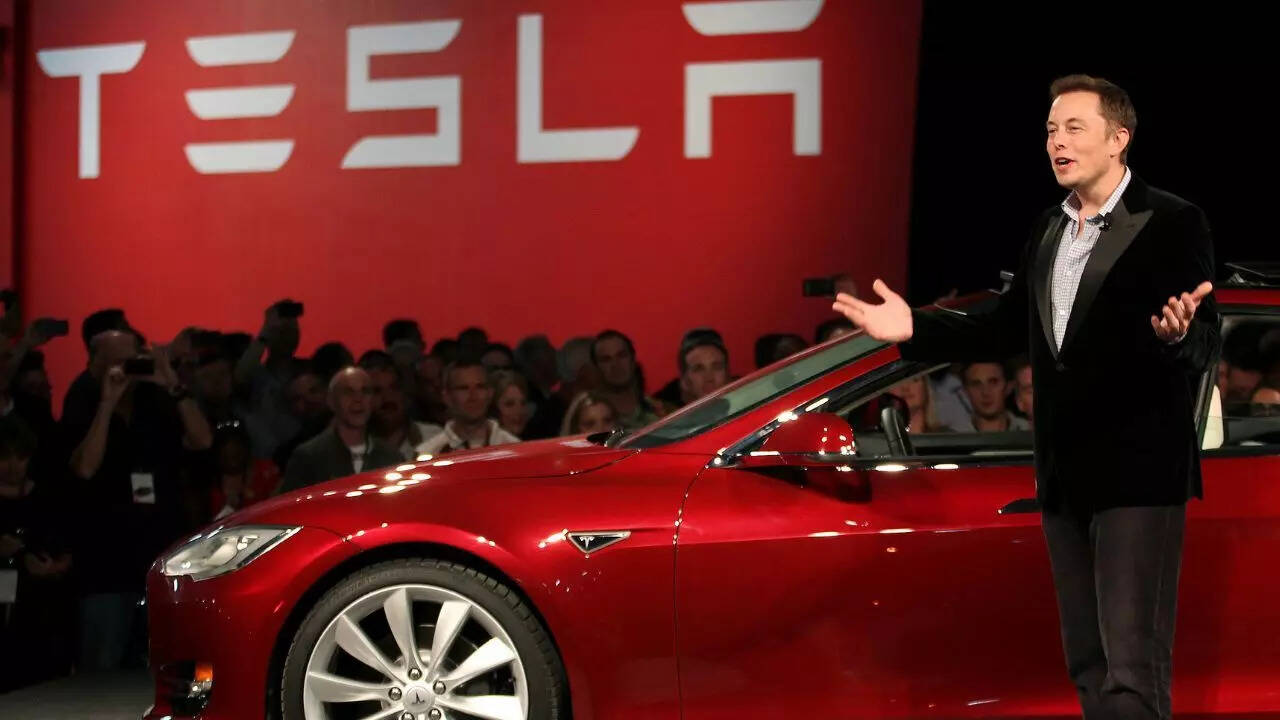
The question “who invented Tesla cars?” does not have a single, simple answer. It is a testament to the fact that groundbreaking innovations are rarely the product of one individual but rather a confluence of visionary ideas, dedicated engineering, and persistent leadership. Martin Eberhard and Marc Tarpenning invented the initial concept and laid the crucial technological groundwork for the first Tesla vehicle, proving the viability of a high-performance electric sports car. Elon Musk, with his strategic investment, unparalleled ambition, and relentless drive, then took this nascent invention and scaled it into a global technological phenomenon, pushing the boundaries of automotive engineering, software integration, battery technology, and manufacturing processes.
Tesla cars are not just vehicles; they are rolling computers, sophisticated energy storage units, and platforms for cutting-edge artificial intelligence. Their “invention” is an ongoing process, a continuous cycle of technological disruption driven by a culture of pushing what’s possible. From the initial concept of a high-performance EV battery pack to the development of self-driving software and massive energy storage solutions, Tesla’s journey is a comprehensive narrative of technological innovation, reshaping not just the automotive industry but the broader energy landscape itself. The true inventors of Tesla cars are the countless engineers, designers, and visionaries who have contributed to its multi-faceted technological evolution.
aViewFromTheCave is a participant in the Amazon Services LLC Associates Program, an affiliate advertising program designed to provide a means for sites to earn advertising fees by advertising and linking to Amazon.com. Amazon, the Amazon logo, AmazonSupply, and the AmazonSupply logo are trademarks of Amazon.com, Inc. or its affiliates. As an Amazon Associate we earn affiliate commissions from qualifying purchases.