
The question of “who invented the share market” is not merely an inquiry into historical figures but a fascinating journey into the very foundations of modern capitalism and global finance. It’s a story without a single inventor, but rather a complex tapestry woven over centuries, involving merchants, governments, and innovative financial instruments that transformed commerce and wealth creation. Far from being a sudden invention, the share market evolved organically, driven by the increasing capital demands of ambitious ventures and the human desire for shared risk and reward. Understanding its genesis is crucial for anyone engaging with personal finance, investing, or business finance today, as it illuminates the underlying principles that continue to govern financial markets worldwide.
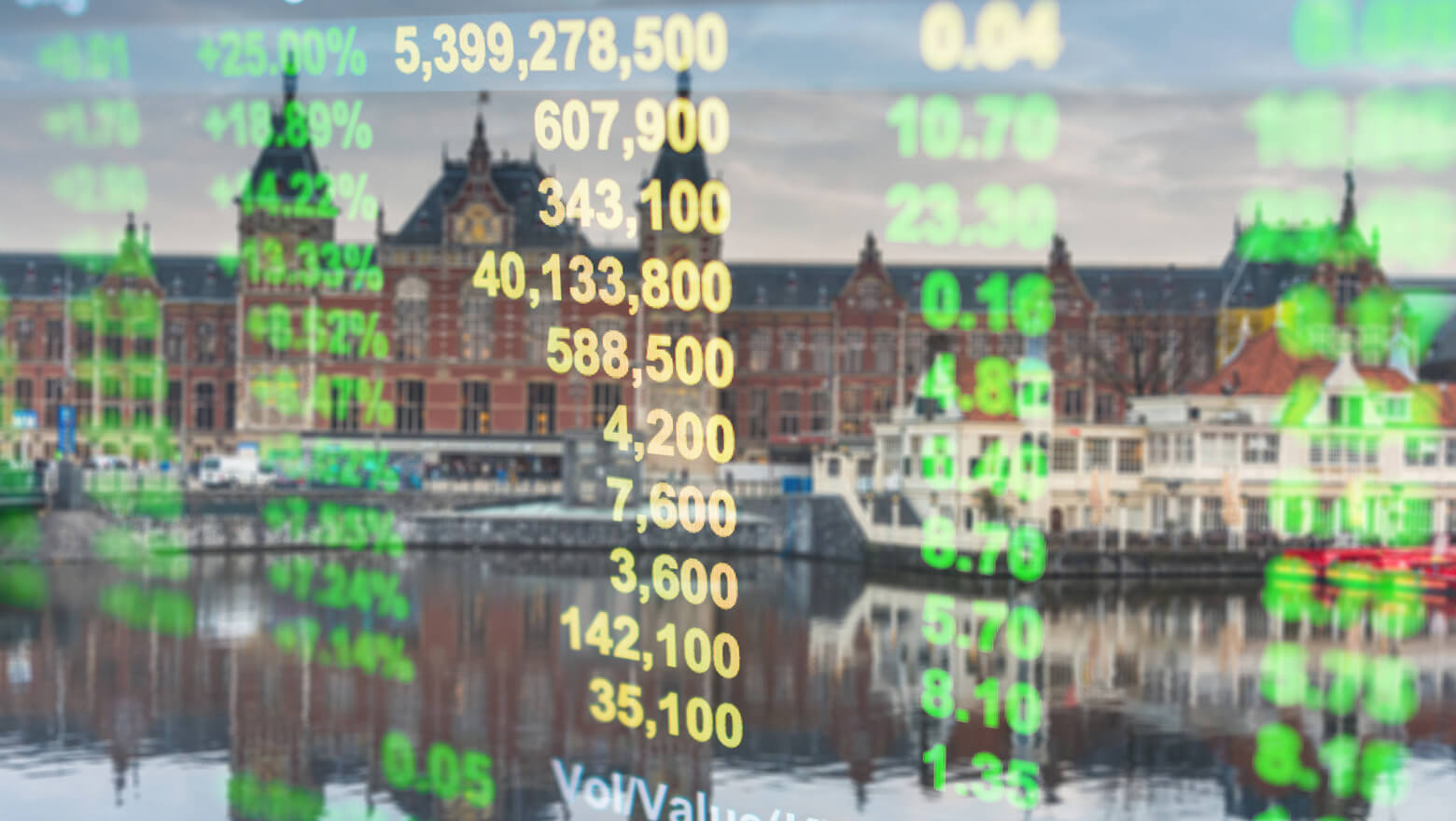
The Nascent Seeds: Early Forms of Investment and Trade
The concept of shared ownership and pooled resources is ancient, predating what we recognize as a formal share market by millennia. Early civilizations engaged in various forms of collective investment and risk-sharing to undertake projects too large or perilous for any single individual. These embryonic systems laid the groundwork for the more sophisticated financial mechanisms that would later emerge.
From Ancient Barter to Merchant Partnerships
Long before the advent of currency, rudimentary forms of trade involved bartering goods and services. As societies grew more complex, so did their commercial activities. Ancient Mesopotamia, Egypt, Greece, and Rome all had sophisticated mercantile systems. Merchants often formed temporary partnerships to finance trading voyages, sharing both the potential profits and the significant risks of piracy, storms, or failed ventures. These were often short-term agreements, dissolving once the specific enterprise concluded. For instance, in ancient Rome, “publicani” were groups of private citizens who formed companies to bid on government contracts, such as tax collection or public works, pooling their capital and sharing the profits. While these weren’t “shares” in the modern sense, they represented an early form of collective investment in business ventures.
The medieval period saw the rise of more formalized partnerships, particularly among Italian city-states like Venice and Genoa, which were epicenters of maritime trade. The “commenda” was a common arrangement where an investor (commenda) provided capital to a merchant (tractator) who undertook a voyage, with profits split according to a pre-agreed ratio. These partnerships, while still project-specific, allowed for the aggregation of capital and the distribution of risk across multiple individuals, significantly expanding the scope of trade. The fundamental principle of separating capital provision from active management, and sharing the resulting profits or losses, was taking root.
The Rise of Early Commodity Exchanges
While not directly dealing with company shares, the development of commodity exchanges was a critical precursor to stock markets. These markets provided a centralized location for buyers and sellers to meet, establish prices, and standardize trading practices. Bruges, a leading trading city in medieval Flanders, is often credited with one of the earliest forms of exchange. The Van der Beurze family, whose house served as a meeting place for merchants in the 13th century, lent their name to what would become the term “börse” or “bourse” (exchange) in many European languages.
These early exchanges primarily facilitated the trade of goods like textiles, spices, and grains, and later bills of exchange (early forms of credit). They introduced concepts crucial to modern finance, such as standardized contracts, fixed meeting times, and the formation of a collective market price based on supply and demand. The infrastructure for efficient trading, although rudimentary, was being established. The experience gained in organizing these markets for tangible goods would prove invaluable when the focus shifted to intangible assets: ownership stakes in companies.
The Birth of Modern Share Trading: A Dutch Innovation
The true inflection point in the history of the share market arrived in the early 17th century, largely fueled by the ambitious, capital-intensive colonial ventures of European powers. The scale of these endeavors demanded an unprecedented aggregation of capital, leading to the invention of a financial instrument that would revolutionize investment: the transferable share.
The Revolutionary Role of the Dutch East India Company (VOC)
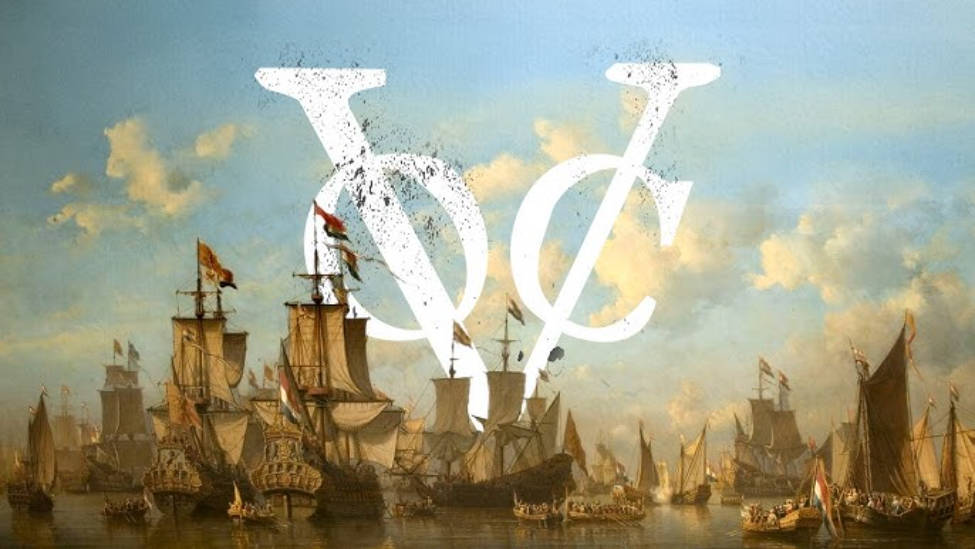
The Dutch East India Company (Vereenigde Oostindische Compagnie, or VOC), founded in 1602, is widely acknowledged as the world’s first true multinational corporation and the pioneer of the modern publicly traded company. Its establishment marked a monumental shift in how large-scale enterprises were financed. The VOC required immense capital to fund its long and perilous voyages to Asia, build and maintain ships, establish trading posts, and sustain military protection. No single merchant or even a small group of wealthy individuals could bear such a financial burden.
To raise the necessary funds, the VOC issued shares to the public, allowing ordinary citizens, not just the wealthy elite, to invest. Crucially, these shares were not project-specific, but represented a fractional ownership of the company itself, giving investors a claim on future profits from all the company’s ventures, indefinitely. Furthermore, and this was the revolutionary step, these shares were transferable. Investors could buy and sell their shares to others without needing the company’s direct involvement or approval. This liquidity transformed investment, making it more attractive by allowing investors to exit their positions and recoup capital whenever they wished, instead of being locked in until the company’s dissolution. The VOC’s model demonstrated the immense power of aggregated capital through distributed ownership, enabling the funding of ventures on a scale previously unimaginable.
The World’s First Official Stock Exchange: Amsterdam
The innovation of the transferable share naturally led to the need for a marketplace where these shares could be easily traded. This is where Amsterdam steps into history as the home of the world’s first official stock exchange. Initially, VOC shares were traded informally among merchants in coffee houses and public squares. However, the volume and complexity of these transactions soon necessitated a more organized environment.
By the mid-17th century, the Amsterdam Stock Exchange (known as the “Beurs”) became the central hub for trading VOC shares, as well as shares in other emerging companies and government bonds. It was here that sophisticated trading practices, including short selling, options trading, and even rudimentary forms of futures contracts, first emerged. Brokers facilitated transactions, and prices were publicly displayed, providing transparency (relative to the time). The Amsterdam Exchange’s institutionalization provided the framework for continuous price discovery and liquidity, solidifying the share market as a distinct and powerful financial entity. It became a blueprint for stock exchanges that would later emerge in other major European cities.
Evolution and Expansion: From Bourses to Global Markets
The Dutch model quickly spread across Europe, adapted and refined by other trading nations. Each new market contributed to the sophistication and reach of the share market, often learning from both successes and spectacular failures.
London’s Coffee Houses and the Rise of Brokerage
Across the North Sea, London was rapidly becoming a financial hub. The Royal Exchange, founded by Sir Thomas Gresham in the 16th century, initially focused on commodities and bills of exchange. However, by the late 17th and early 18th centuries, the trading of company shares—initially in emerging joint-stock companies like the East India Company (English version) and later numerous smaller ventures—migrated to the vibrant coffee houses of Change Alley, particularly Jonathan’s Coffee-House and Garraway’s Coffee-House. These establishments became informal meeting places for brokers and speculators, laying the groundwork for what would become the London Stock Exchange.

The bustling environment of these coffee houses fostered the growth of specialized intermediaries: stockbrokers. These individuals facilitated trades between buyers and sellers, charging commissions for their services. The development of a professional brokerage class was crucial for the market’s efficiency and liquidity, creating a necessary link between investors and the burgeoning number of companies seeking capital. This period also saw the emergence of what we now call “market makers,” individuals willing to buy and sell shares to ensure continuous trading.
The South Sea Bubble and the Need for Regulation
The early 18th century witnessed one of the most infamous speculative bubbles in history: the South Sea Bubble (1720) in Britain. The South Sea Company, established to trade with South America (and later, to manage part of the national debt), saw its share price skyrocket based on hype and speculation rather than underlying value. This frenzy led to a proliferation of “bubble companies”—dozens of hastily formed, often fraudulent, joint-stock companies seeking public investment for absurd schemes.
When the bubble burst, thousands of investors were ruined, leading to widespread public outcry. The aftermath prompted the British Parliament to pass the Bubble Act of 1720, which restricted the formation of joint-stock companies without royal charter. While initially stifling legitimate corporate development, the South Sea Bubble served as a harsh lesson on the dangers of unregulated markets and unchecked speculation. It highlighted the critical need for investor protection, transparency, and a regulatory framework, concepts that remain central to financial markets today. These early financial crises, though devastating, were instrumental in shaping the evolution towards more structured and regulated exchanges.
The Advent of Structured Exchanges and Indices
As the 18th and 19th centuries progressed, informal trading venues gave way to more organized and regulated exchanges. The London Stock Exchange formally constituted itself in 1773, followed by the New York Stock & Exchange Board (now the NYSE) in 1792 with the Buttonwood Agreement. These institutions established formal rules, membership requirements, and centralized trading floors, bringing much-needed order and integrity to the markets.
The need to track market performance led to the development of financial indices. While modern indices like the Dow Jones Industrial Average emerged in the late 19th century, the concept of aggregating the performance of a basket of securities to represent broader market trends had its roots in earlier attempts to gauge economic sentiment. These indices became vital tools for investors to understand market movements and for economists to assess economic health.
Key Figures and Enduring Legacy
While no single individual “invented” the share market, its development was a collaborative effort involving countless individuals, some famous, many anonymous. The system itself became the enduring invention.
The Anonymous Innovators and System Builders
The “inventors” of the share market were not solitary geniuses but rather a succession of pragmatic individuals and groups who incrementally improved existing systems to meet new financial demands. These included:
- Early Merchants: Who devised partnerships and bills of exchange.
- Dutch Financiers and Legislators: Who championed the VOC model and formalized the Amsterdam Exchange.
- London Coffee House Brokers: Who created an informal yet bustling marketplace.
- Enlightened Legislators and Regulators: Who, often in response to crises, worked to establish rules and structures.
- Mathematicians and Statisticians: Who later developed methods for risk assessment, pricing, and market analysis.
It was the collective ingenuity in recognizing the need for shared capital, the transferability of ownership, and the creation of liquid marketplaces that truly constitutes the “invention” of the share market.
The Share Market’s Transformative Impact on Capitalism
The invention and evolution of the share market profoundly transformed global capitalism. It provided an unparalleled mechanism for:
- Capital Formation: Enabling companies to raise vast sums of money for exploration, infrastructure, industrialization, and innovation.
- Risk Distribution: Allowing individual investors to participate in large ventures with limited liability, spreading risk across many participants.
- Liquidity: Offering investors the flexibility to buy and sell ownership stakes, making investment more attractive.
- Wealth Creation: Providing a means for individuals to grow their wealth by investing in successful enterprises.
- Economic Development: Fueling industrial revolutions and technological advancements by directing capital to productive uses.
Without the share market, the scale of economic development witnessed over the past few centuries, from colonial empires to modern tech giants, would have been impossible. It democratized investment, albeit imperfectly, and connected individual savings to global enterprise.
The Digital Frontier: Modern Share Markets
The 20th and 21st centuries have seen the share market undergo another profound transformation, primarily driven by technological advancements. While the core principles remain, the mechanisms and accessibility have been revolutionized.
Technology’s Role in Globalizing Investment
The advent of computers, the internet, and sophisticated telecommunications has profoundly impacted the share market. Trading floors, once bustling physical spaces, have largely been replaced by electronic trading systems. This shift brought several key changes:
- Increased Speed and Efficiency: Trades can now be executed in milliseconds across continents.
- Global Access: Retail investors around the world can access markets that were once the exclusive domain of institutional players.
- Reduced Costs: Electronic trading and online brokerages have significantly lowered transaction costs.
- Sophisticated Analytics: Technology enables real-time data analysis, algorithmic trading, and complex financial modeling.
Platforms like the NASDAQ, initially an electronic quotation system, demonstrated the power of digital trading, leading to the widespread adoption of electronic exchanges globally. Technology has broken down geographical barriers, creating a truly interconnected global financial marketplace where events in one region can instantly impact markets worldwide.
Navigating the Complexities of Contemporary Markets
Today’s share market is a complex ecosystem involving traditional exchanges, alternative trading systems (ATS), high-frequency trading firms, institutional investors, and millions of individual participants. Regulations are more stringent than ever, driven by lessons learned from past bubbles and crises, and aimed at ensuring market fairness, transparency, and investor protection.
However, new challenges arise with technological advancements, including cybersecurity threats, market manipulation through advanced algorithms, and the need for continuous regulatory adaptation. Despite these complexities, the fundamental purpose of the share market remains unchanged: to facilitate the efficient allocation of capital, allowing individuals and institutions to invest in promising enterprises, share in their growth, and ultimately drive economic progress. From the Dutch East India Company’s first shares to today’s instantaneous global trades, the spirit of collective investment and shared opportunity continues to define this essential pillar of the global economy.
aViewFromTheCave is a participant in the Amazon Services LLC Associates Program, an affiliate advertising program designed to provide a means for sites to earn advertising fees by advertising and linking to Amazon.com. Amazon, the Amazon logo, AmazonSupply, and the AmazonSupply logo are trademarks of Amazon.com, Inc. or its affiliates. As an Amazon Associate we earn affiliate commissions from qualifying purchases.