
The modern vehicle has evolved into a sophisticated mobile computer, and the dash cam is its essential black-box recorder. No longer just a hobbyist gadget, the dashboard camera has become a critical piece of automotive technology that provides legal protection, enhances driver safety, and integrates with global positioning and cloud storage networks. However, as the hardware becomes more advanced—incorporating 4K sensors, AI-driven collision detection, and 24/7 parking surveillance—the question of “who installs dash cams” has shifted from a simple DIY task to a specialized technical service.
The Evolution of Dash Cam Technology and the Need for Professional Integration
The first generation of dash cams was rudimentary, often powered by a simple cigarette lighter adapter and mounted with a basic suction cup. Today, the landscape is entirely different. Modern units are sophisticated pieces of edge-computing hardware that require a stable, permanent connection to the vehicle’s electrical infrastructure.

From Basic Recording to AI-Powered Telematics
Today’s high-end dash cams are equipped with more than just a lens. They feature Advanced Driver Assistance Systems (ADAS), which use computer vision to alert drivers of lane departures or impending forward collisions. Integrating these features requires precise calibration and positioning. Furthermore, telematics integration allows fleet managers or individual owners to track vehicle location and speed via GPS, necessitating a clean, uninterrupted signal that can only be achieved through strategic placement and wiring.
Hardware Complexity: Hardwiring and Power Management
The most significant technical shift is the move toward “hardwiring.” To utilize “Parking Mode”—a feature where the camera monitors the vehicle while the ignition is off—the device must be wired directly into the vehicle’s fuse box. This involves identifying constant power sources and “switched” power sources. If done incorrectly, the camera can drain the car’s battery to a point where the engine will not start. Professional installers use specialized hardwire kits with low-voltage cutoff modules to prevent this, a technical nuance that distinguishes a professional setup from a casual one.
Key Professionals Specialized in Automotive Tech Installation
When seeking a professional for dash cam installation, the choice depends on the complexity of the hardware and the specific vehicle model. Modern cars, especially electric vehicles (EVs) like Teslas, have sensitive CAN bus systems that require expert handling to avoid voiding warranties or triggering error codes.
Certified Mobile Electronics Technicians (MECP)
The gold standard for dash cam installation is a technician certified by the Mobile Electronics Certified Professional (MECP) program. These professionals are trained specifically in the electrical systems of vehicles. They understand how to route cables around side-curtain airbags—a critical safety consideration that many DIYers overlook. If a cable is routed in front of an airbag deployment zone, the dash cam could become a dangerous projectile during an accident. MECP-certified techs ensure that the technology remains a safety asset, not a liability.
Automotive Dealerships and Specialized Accessory Shops
Many high-end dealerships now offer dash cam installation as a “port-installed” or “dealer-installed” accessory. While often more expensive, this ensures that the installation meets the manufacturer’s rigorous standards. Alternatively, specialized car audio and security shops have transitioned into automotive tech hubs. These shops have the diagnostic tools necessary to tap into complex wiring harnesses and can often integrate multi-channel systems (front, rear, and cabin-facing cameras) seamlessly into the vehicle’s interior trim.
Mobile Installation Services and On-Demand Techs
With the rise of the gig economy and specialized tech services, mobile installers have become a popular choice. Companies like Best Buy’s Geek Squad or independent mobile tech specialists will travel to the client’s home or office. This service is particularly beneficial for professionals who cannot afford the downtime of leaving their vehicle at a shop. These technicians arrive with specialized prying tools, multimeters, and soldering equipment to perform a professional-grade installation on-site.
The Technical Process: How a Modern Dash Cam is Integrated
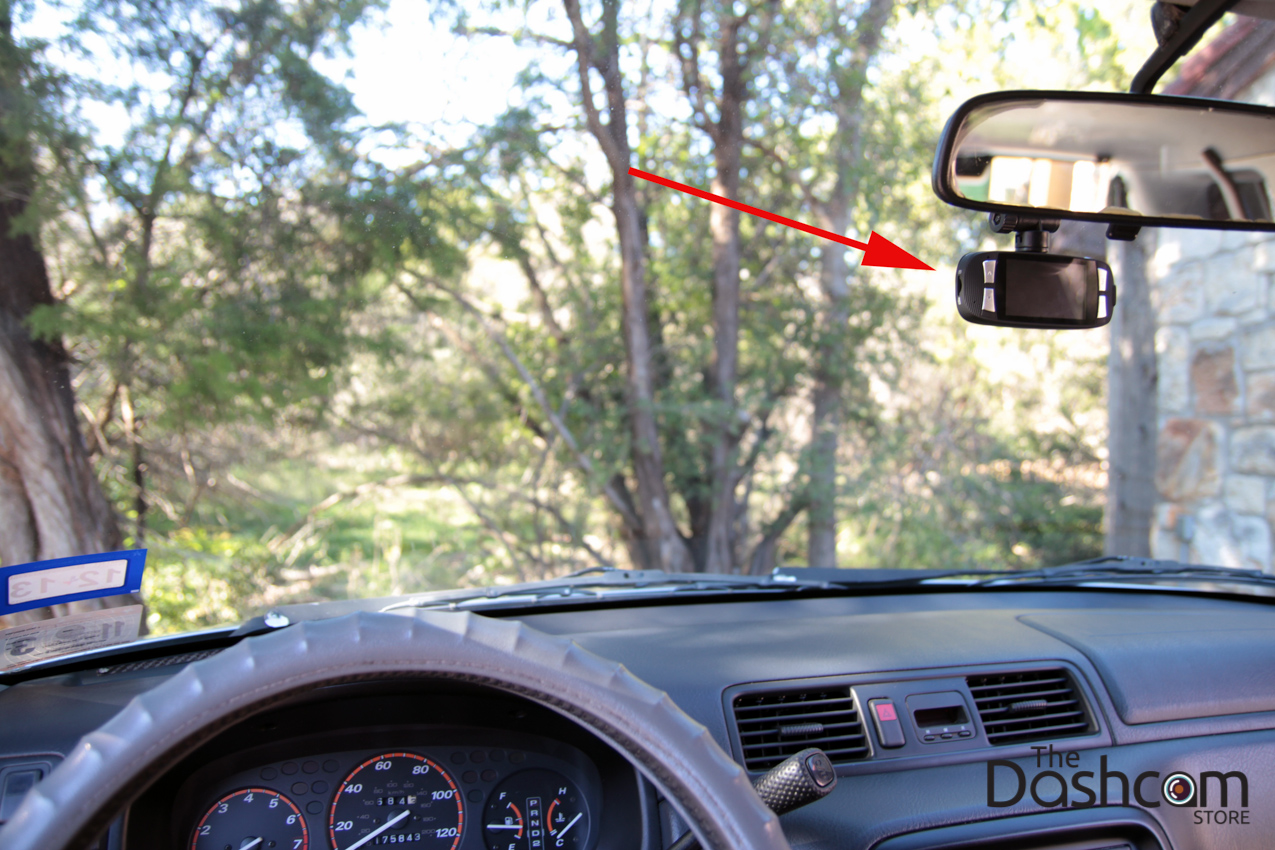
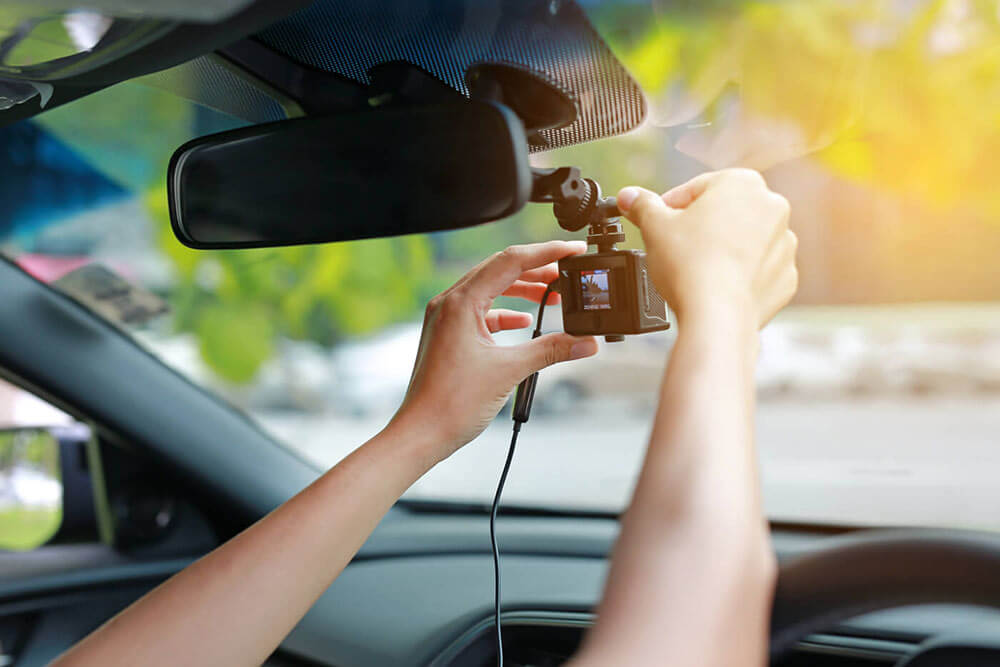
The installation of a dash cam is a methodical process that bridges the gap between hardware mounting and software configuration. A professional installation typically follows a strict technical protocol to ensure both aesthetic cleanliness and functional reliability.
Identifying the Fuse Box and Tapping into Power
The core of the installation involves the fuse box, usually located under the dashboard or in the engine bay. A technician uses a circuit tester or multimeter to find a fuse that remains “hot” even when the car is off (for parking mode) and another that only receives power when the engine is running. Using “Add-a-Circuit” fuse taps, the installer creates a dedicated, fused path for the dash cam. This prevents the camera from interfering with critical vehicle functions like the ECU or ABS systems.
Cable Management and Interference Prevention
Routing the cables is where technical precision meets craftsmanship. The goal is a “stealth” installation where no wires are visible. Cables are tucked behind the headliner, routed down the A-pillars (behind the airbag), and through the weather stripping. Importantly, high-quality installers are aware of Electromagnetic Interference (EMI). Poorly shielded cables or improper routing can interfere with the car’s FM radio or DAB reception. Professionals use ferrite cores or high-shielded cables to mitigate these digital noise issues.
Configuring Cloud Storage and GPS Modules
Once the physical installation is complete, the digital setup begins. Many modern dash cams, such as those from BlackVue or Thinkware, offer LTE connectivity. This requires the installation of a SIM card and the configuration of a cloud account. The technician helps the user set up the companion app, ensuring the G-sensor sensitivity is calibrated correctly. If the sensor is too sensitive, every pothole will trigger a “locked” video file, quickly filling up the microSD card. Finding the “Goldilocks zone” for motion detection and impact sensing is a vital part of the technical handover.
Choosing Between DIY and Professional Tech Support
While the “Tech” enthusiast might be tempted to handle the installation personally, there are several variables that might make professional support the more logical choice. The decision often comes down to the value of the vehicle and the complexity of the camera system.
Risks of Improper Installation: Battery Drain and Short Circuits
The most common tech failure in DIY dash cam setups is the dreaded “Battery Discharge” warning. Modern cars monitor their battery health via a Battery Management System (BMS). When a dash cam is hardwired incorrectly, the BMS may detect an “unnatural” parasitic draw, which can lead to the car disabling certain features (like keyless entry) or failing to start. Professional installers use dedicated dash cam battery packs (LiFePO4 technology) to bypass the car’s main battery entirely for long-term parking surveillance, ensuring the vehicle’s primary power source remains untouched.
When to Hire a Pro for Multi-Channel Systems
A single front-facing camera is relatively simple to install. However, 2-channel (front and rear) or 3-channel (front, rear, and interior) systems exponentially increase the difficulty. Running a cable from the front windshield to the rear window in a hatchback or SUV requires navigating through flexible rubber conduits (grommets) to ensure the wire doesn’t pinch or snap when the trunk is opened. For these complex architectures, the technical expertise of a professional is almost always required to ensure the longevity of the hardware.
The Future of In-Car Surveillance and Digital Security
As we look toward the future of automotive technology, the role of the dash cam installer is evolving into that of a “connected car” specialist. We are moving toward a world where dash cams are not just passive observers but active participants in the digital ecosystem.
Integration with Smart Home and IoT
Future installations will likely involve syncing dash cam data with smart home systems. Imagine a scenario where your car pulls into the driveway, and the dash cam automatically uploads the day’s footage to your home NAS (Network Attached Storage) via Wi-Fi 6. Professionals in this field will need to understand networking protocols and data encryption to ensure that these video feeds remain secure from hackers.
The Rise of 360-Degree AI Monitoring
We are already seeing the emergence of 360-degree cameras that utilize AI to identify specific threats—such as a person looking into the window versus a person just walking past. These systems require high-bandwidth data transfers and sophisticated processing units. The installation of such tech will move beyond simple wiring and into the realm of system architecture, where thermal management (ensuring the camera doesn’t overheat) and data throughput become the primary technical challenges.
In conclusion, “who installs dash cams” is a question with an increasingly technical answer. While the hardware is more accessible than ever, the integration of that hardware into the complex electrical and digital fabric of a modern vehicle requires a specialized skillset. Whether it is a certified MECP technician, a dealership specialist, or an experienced mobile installer, the goal remains the same: to ensure that the dash cam functions as a seamless, reliable, and secure extension of the vehicle’s technology suite. As cars become smarter, the hands that install their “eyes” must be equally sophisticated.
aViewFromTheCave is a participant in the Amazon Services LLC Associates Program, an affiliate advertising program designed to provide a means for sites to earn advertising fees by advertising and linking to Amazon.com. Amazon, the Amazon logo, AmazonSupply, and the AmazonSupply logo are trademarks of Amazon.com, Inc. or its affiliates. As an Amazon Associate we earn affiliate commissions from qualifying purchases.