
Tax season is often greeted with a mix of apprehension and confusion. For many, the central question is not just how to file, but whether they are legally required to do so in the first place. In the world of personal finance, understanding your tax filing requirements is more than just a legal necessity; it is a foundational element of fiscal responsibility and wealth management. Whether you are a salaried employee, a freelance professional, or an investor, knowing the thresholds and triggers for tax compliance is essential for maintaining your financial health and avoiding costly penalties.
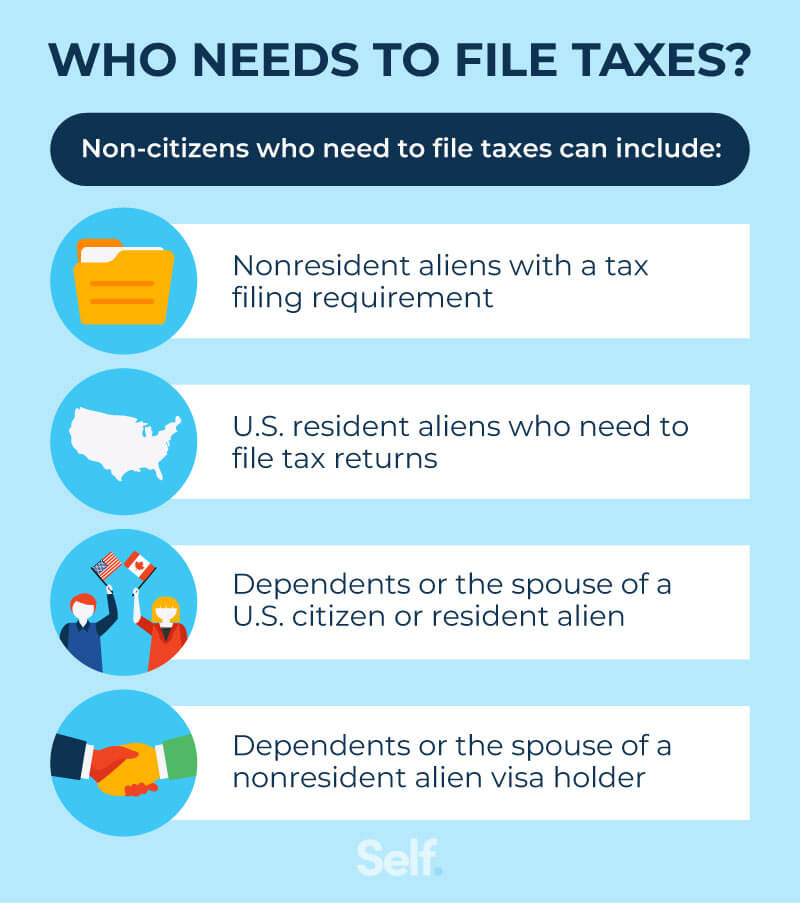
Understanding the Thresholds: Who is Legally Required to File?
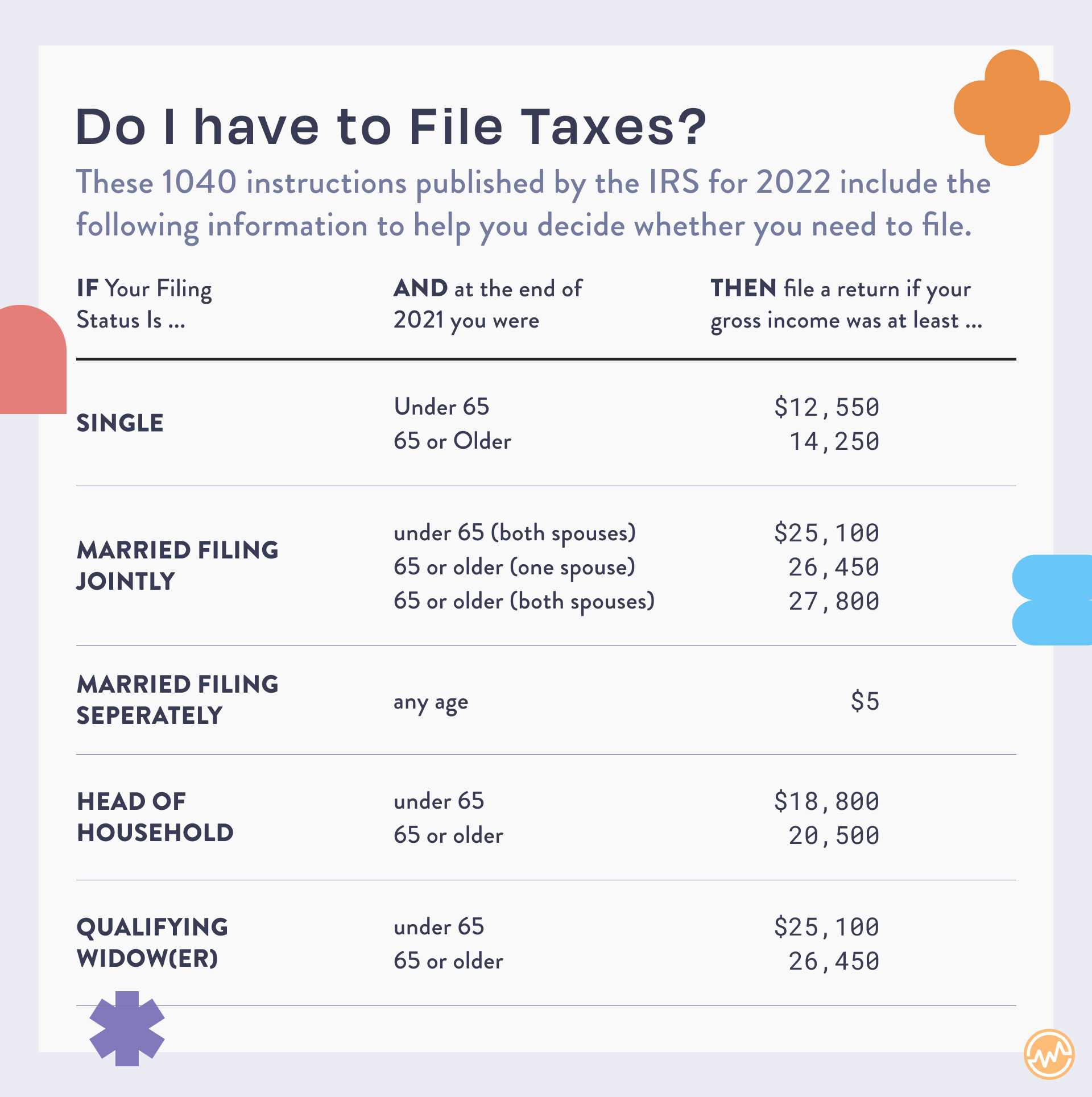
The requirement to file a federal tax return is primarily determined by three factors: your gross income, your filing status, and your age. The Internal Revenue Service (IRS) sets specific income mirrors every year, typically indexed to inflation, which dictate the minimum amount of money you can earn before a return becomes mandatory.
Income Limits by Filing Status
For most taxpayers, the filing requirement aligns closely with the standard deduction. If your gross income for the year exceeds the standard deduction for your filing status, you generally must file a return. For instance, a single individual under the age of 65 typically faces a threshold of approximately $13,850 (based on recent tax years). For those filing as Married Filing Jointly, the threshold effectively doubles.
However, these numbers change if you are over 65 or blind, as the standard deduction increases, thereby raising the income threshold for filing. It is crucial to check the current year’s specific limits, as “gross income” includes all income you receive in the form of money, goods, property, and services that isn’t exempt from tax.
Self-Employment and the $400 Rule
In the modern economy, more people are moving away from traditional W-2 employment toward “1099” work or side hustles. The rules for the self-employed are significantly stricter than for traditional employees. If you have net earnings from self-employment of $400 or more, you are legally required to file a tax return, regardless of your total gross income.
This lower threshold exists because the government needs to collect Social Security and Medicare taxes (self-employment taxes) that are not automatically withheld from your pay throughout the year. Even if your business operated at a slight loss but your gross receipts were high, or if your total income is below the standard deduction, that $400 net profit trigger remains the golden rule for freelancers and small business owners.
Dependency Status and Unearned Income
The rules become more nuanced for dependents, such as children or students. A dependent must file a return if their unearned income (interest, dividends, or capital gains) exceeds a certain amount—often around $1,250—or if their earned income exceeds the standard deduction for a dependent. If a dependent has a mix of both, a specific formula is used to determine the threshold. This is often referred to as the “Kiddie Tax” territory, designed to prevent parents from shifting large amounts of investment income to children in lower tax brackets.
Beyond the Mandate: Why You Should File Even if You Don’t Have To
While the law dictates who must file, financial experts often suggest that many people should file even if they fall below the income thresholds. Filing a return when it isn’t required can be a strategic move to recover money that would otherwise stay in the government’s coffers.
Recovering Overpaid Withholdings
The most common reason to file voluntarily is to get a refund of federal income tax withheld from your pay. If you worked a part-time job or had a seasonal gig, your employer likely withheld taxes based on the assumption that you would earn a full year’s salary. If your total annual income ended up below the filing threshold, you likely owe zero tax, meaning every dollar withheld should be returned to you. The only way to claim this “interest-free loan” back from the government is to file a return.

Claiming Refundable Tax Credits
Refundable credits are a unique feature of the tax code where, if the credit reduces your tax liability to zero, the remaining balance is paid out to you as a refund. The Earned Income Tax Credit (EITC) is one of the most significant. It is designed for low-to-moderate-income working individuals and families. Additionally, the Child Tax Credit (CTC) and the American Opportunity Tax Credit (for education expenses) can result in significant payouts. Many eligible individuals miss out on thousands of dollars simply because they believe that since they don’t “owe” taxes, they don’t need to file.
Establishing Financial Documentation
In the realm of personal finance, a tax return serves as an official “financial transcript.” If you plan to apply for a mortgage, a car loan, or student financial aid (FAFSA), lenders and institutions will almost always require the last two years of tax returns to verify your income. Consistent filing builds a paper trail that proves financial stability, which is invaluable when you are ready to make major life purchases or investments.
Special Situations: Unique Categories and Exceptions
The complexity of the financial world means that some individuals fall into special categories where filing requirements aren’t immediately obvious based on domestic income alone.
The Gig Economy and Digital Assets
With the rise of platforms like Uber, Airbnb, and Etsy, the IRS has increased its scrutiny of “platform-based” income. Furthermore, the world of digital assets has introduced new requirements. If you sold, exchanged, or used cryptocurrency to pay for goods, you have a reportable financial event. Even if your “profit” was minimal, the failure to disclose these transactions can lead to audits. The IRS now asks directly on Form 1040 whether you received or sold any digital assets, making transparency a requirement for all.
Foreign Earned Income and Expatriates
The United States is one of the few countries that taxes based on citizenship rather than residency. If you are a U.S. citizen or green card holder living abroad, you are generally required to file a U.S. tax return if your global income exceeds the filing thresholds. While the Foreign Earned Income Exclusion (FEIE) and Foreign Tax Credits may prevent you from actually paying U.S. taxes, the requirement to report that income remains. Failure to file can result in the loss of these exclusions and significant penalties regarding foreign bank account reporting (FBAR).
High Net Worth and Capital Gains
For investors, filing requirements can be triggered by transactions rather than just net profit. If you sold stocks or property, you might receive a Form 1099-S or 1099-B. Even if you sold the asset at a loss, you should file to report that loss. Reporting capital losses allows you to offset capital gains or even deduct up to $3,000 against your ordinary income, carrying the rest forward to future years. This is a vital strategy in “tax-loss harvesting,” a key component of sophisticated wealth management.
Long-Term Financial Planning: Taxes as a Strategy, Not a Chore
Viewing tax filing as a once-a-year hurdle is a mistake. In the context of business finance and personal investing, tax compliance should be integrated into your year-round strategy.
Tax-Advantaged Investing
Understanding your filing status and bracket allows you to make informed decisions about where to put your money. If you are close to a higher tax bracket, increasing contributions to a traditional 401(k) or IRA can lower your Adjusted Gross Income (AGI), potentially bringing you below certain phase-out limits for credits or even moving you into a lower tax bracket entirely. This is the essence of “tax-efficient” investing.
Leveraging Financial Tools
To manage the “who has to file” dilemma effectively, utilizing modern financial tools is essential. From bookkeeping software for freelancers to investment aggregators that track cost-basis, staying organized throughout the year makes the filing process seamless. Professional financial advisors often recommend keeping a “tax folder” (digital or physical) to store receipts for deductible expenses, such as home office costs, charitable donations, and medical expenses.
The Importance of Compliance for Future Growth
Ultimately, filing taxes is about more than just satisfying the IRS. It is about maintaining a clean financial record. For entrepreneurs, clear tax records are necessary if you ever want to sell your business or seek venture capital. For individuals, it ensures you are contributing to the Social Security system, which determines your future retirement benefits. By understanding who has to file and ensuring you meet (or strategically exceed) those requirements, you secure your place in the broader financial ecosystem, paving the way for long-term stability and growth.
aViewFromTheCave is a participant in the Amazon Services LLC Associates Program, an affiliate advertising program designed to provide a means for sites to earn advertising fees by advertising and linking to Amazon.com. Amazon, the Amazon logo, AmazonSupply, and the AmazonSupply logo are trademarks of Amazon.com, Inc. or its affiliates. As an Amazon Associate we earn affiliate commissions from qualifying purchases.