
In the realm of personal finance, few expenses are as ubiquitous and necessary as auto insurance. It’s a legal requirement in most places, a safeguard against unforeseen financial ruin, and a perennial source of questioning for consumers: “Who truly has the lowest auto insurance rates?” The answer, unfortunately, is rarely simple and seldom static. Rather than pointing to a single insurer, identifying the lowest rates involves a dynamic interplay of personal circumstances, market conditions, and a proactive approach to financial management. This article will delve into the complexities of auto insurance pricing, offering insights and strategies for individuals seeking to optimize their coverage costs without compromising essential protection. For anyone managing a household budget, understanding how to secure the most competitive auto insurance rates is not just about saving money; it’s about smart financial planning and ensuring long-term stability.

Understanding the Auto Insurance Landscape
Before embarking on the quest for the lowest rates, it’s crucial to grasp the fundamental mechanics of how auto insurance premiums are calculated. This foundational knowledge empowers consumers to make informed decisions and better understand the variations they encounter.
The Core Purpose of Auto Insurance
At its heart, auto insurance is a risk management tool. Insurers assess the likelihood of you filing a claim and the potential cost of that claim, then charge a premium to cover that risk. The primary types of coverage typically include:
-
Liability Coverage: Protects you financially if you cause an accident that inj injures others or damages their property. This is usually the minimum legally required coverage.
-
Collision Coverage: Pays for damage to your own vehicle resulting from a collision, regardless of fault.
-
Comprehensive Coverage: Covers damage to your vehicle from non-collision events, such as theft, vandalism, fire, natural disasters, or hitting an animal.
-
Personal Injury Protection (PIP) / Medical Payments (MedPay): Covers medical expenses for you and your passengers after an accident, regardless of fault.
-
Uninsured/Underinsured Motorist (UM/UIM): Protects you if you’re involved in an accident with a driver who has no insurance or insufficient insurance.
Each type of coverage adds to the overall premium, and the limits you choose for each significantly impact the final cost.
Key Factors Influencing Premiums
Insurance companies employ sophisticated algorithms to evaluate risk, drawing on a multitude of data points. While the exact weighting varies by insurer, common factors include:
-
Driving Record: A clean driving history with no accidents or violations is paramount for lower rates. Speeding tickets, DUIs, and at-fault accidents are significant red flags.
-
Age and Experience: Younger, less experienced drivers typically face higher premiums due to statistical data indicating a greater propensity for accidents. Rates generally decrease as drivers gain experience and reach middle age, then might slightly increase again in advanced years.
-
Vehicle Type: The make, model, year, safety ratings, and even the color of your car can affect rates. Expensive cars, sports cars, and those with high theft rates often cost more to insure. Vehicles with advanced safety features (e.g., automatic emergency braking) might qualify for discounts.
-
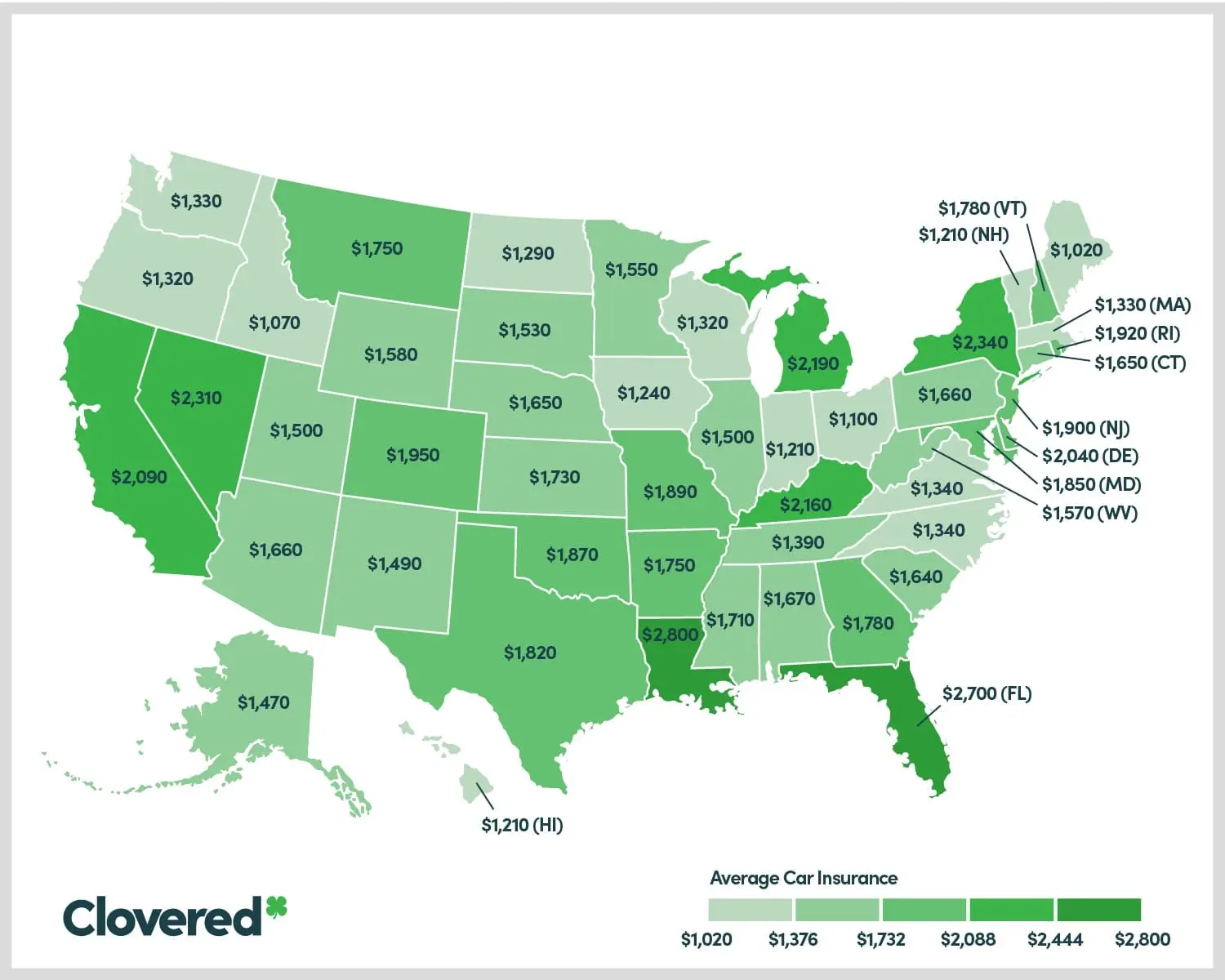
Location: Where you live and park your car profoundly impacts your premium. Urban areas with higher traffic density, crime rates, or incidence of natural disasters usually have higher rates than rural or suburban areas.
-
Credit Score: In many states, insurers use a credit-based insurance score (which differs from a traditional credit score but is derived from similar data) as a predictor of claim likelihood. A higher score often correlates with lower premiums.
-
Annual Mileage: The more you drive, the higher your exposure to risk, thus potentially higher premiums.
-
Marital Status and Homeownership: Married individuals and homeowners are often perceived as more stable and less risky, potentially leading to lower rates.
The Myth of a Single “Lowest Rate” Provider
It’s a common misconception that one insurance company consistently offers the lowest rates for everyone. The truth is, different insurers specialize in different risk profiles. One company might be highly competitive for young drivers with clean records, while another might offer superior rates for older drivers with luxury vehicles. The “lowest rate” is a moving target, uniquely tailored to an individual’s specific profile and the insurer’s underwriting guidelines at that moment. This emphasizes the necessity of personalized research and comparison rather than relying on generalized claims.
Strategies for Unearthing the Best Deals
Given the personalized nature of auto insurance pricing, a proactive and systematic approach is essential for finding the most affordable coverage.
Comparison Shopping: Your Most Potent Weapon
The single most effective strategy for finding lower auto insurance rates is rigorous comparison shopping. This means obtaining quotes from multiple insurance providers simultaneously. Do not limit yourself to just one or two well-known companies. Explore a wide range of insurers, including national giants, regional specialists, and even smaller, local providers.
-
Gather Your Information: Before you start, have all necessary details at hand: driver’s license numbers, vehicle identification numbers (VINs), driving history (any recent tickets or accidents), current coverage limits, and any relevant demographic information.
-
Be Thorough and Consistent: When getting quotes, provide the exact same information to each company. Any discrepancies can lead to incomparable quotes and misleading results. Ensure you’re comparing apples to apples regarding coverage limits, deductibles, and included features.
Leveraging Technology: Online Tools and Aggregators
The digital age has revolutionized comparison shopping. Numerous online platforms and aggregators allow you to input your information once and receive multiple quotes from various insurers almost instantly.
-
Insurance Comparison Websites: Sites like Policygenius, The Zebra, or NerdWallet can be excellent starting points. They streamline the process, presenting a clear side-by-side comparison of different policies and prices.
-
Direct-to-Consumer Websites: Don’t forget to visit the websites of individual insurance companies directly. Some offer online-only discounts or unique packages that might not be captured by third-party aggregators.
While convenient, always double-check quotes from these tools with the actual insurers to ensure accuracy, as rates can sometimes fluctuate.
Consulting with Independent Agents
While online tools are powerful, independent insurance agents offer a valuable human element. Unlike captive agents who work for a single company, independent agents represent multiple insurers. They can:
-
Shop for You: An independent agent can do the legwork of gathering quotes from various carriers they represent, saving you time and effort.
-
Provide Expertise: They understand the nuances of different policies and can offer personalized advice, helping you identify coverage gaps or unnecessary add-ons.
-
Advocate on Your Behalf: If you have unique circumstances or a complex driving history, an agent can often find solutions that might be difficult to unearth on your own.
For those who prefer a more personalized approach or have specific needs, an independent agent can be an invaluable resource in the quest for lower rates.
Personalizing Your Rate: What You Can Control
Beyond comparison shopping, many aspects of your personal profile and choices directly influence the premiums you pay. Optimizing these factors can lead to significant long-term savings.
Driving Record and History
This is arguably the most critical factor. Maintaining a clean driving record free of accidents, moving violations, and serious infractions like DUIs will consistently yield the lowest rates. Insurers highly value responsible drivers. If you have a less-than-perfect record, focus on safe driving for a few years to see your premiums decrease as incidents drop off your history. Some insurers even offer “accident forgiveness” or “good driver discounts” as rewards.
Vehicle Type and Safety Features
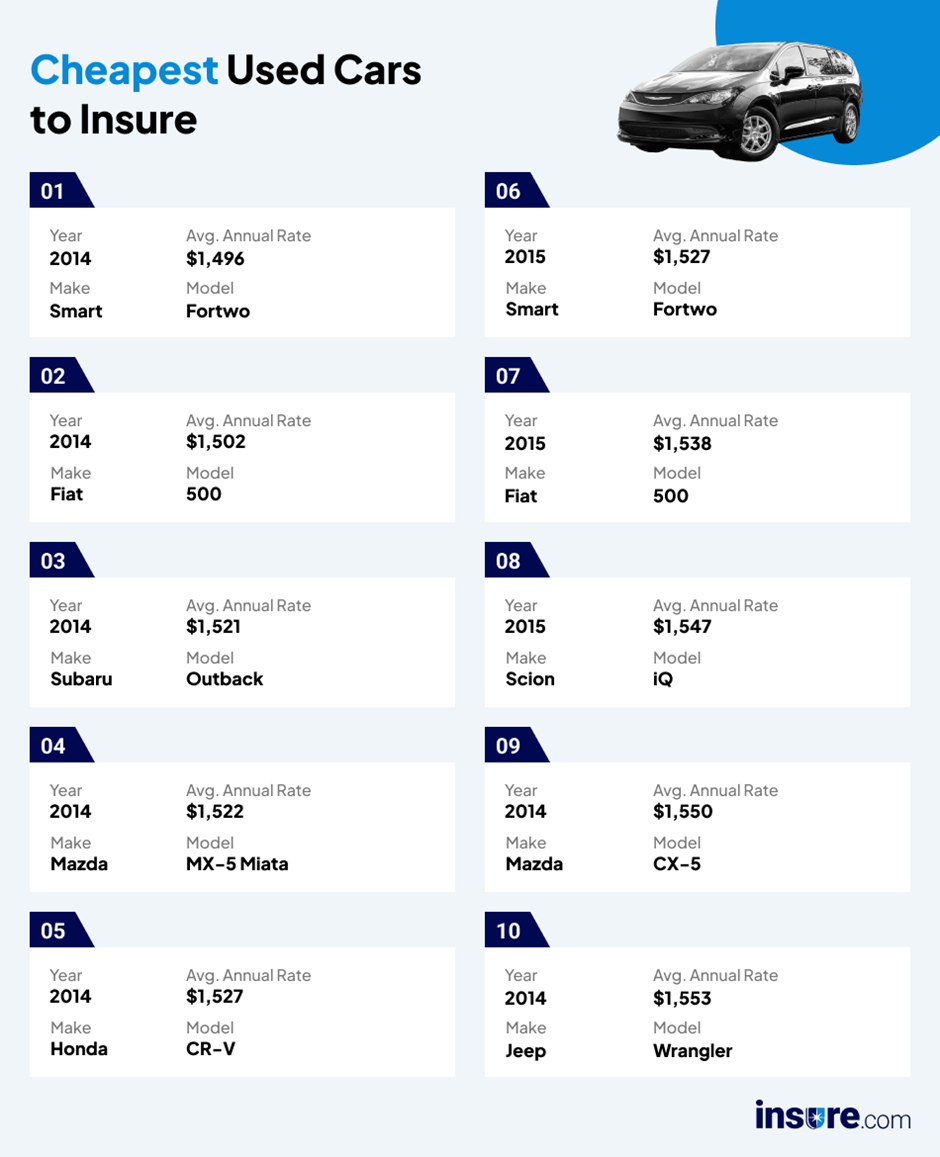
The car you drive matters. Before purchasing a vehicle, research its insurance costs. Factors like:
-
Safety Ratings: Cars with excellent safety ratings (e.g., from IIHS or NHTSA) are less likely to result in injury claims, potentially leading to lower premiums.
-
Theft Rates: Vehicles commonly targeted by thieves often cost more to insure.
-
Repair Costs: Cars with expensive parts or specialized repair requirements will have higher collision and comprehensive premiums.
-
Advanced Safety Features: Features like anti-lock brakes, airbags, automatic emergency braking, lane departure warning, and adaptive cruise control can qualify you for discounts.
Coverage Levels and Deductibles
The choices you make regarding your policy’s specifics directly impact the cost:
-
Deductibles: This is the amount you pay out-of-pocket before your insurance kicks in. Choosing a higher deductible (e.g., $1,000 instead of $500) will lower your premium, but ensure you have enough in savings to cover that deductible if you need to file a claim.
-
Coverage Limits: While you should always carry adequate liability coverage, re-evaluate if you truly need maximum limits on a very old car that isn’t worth much. Conversely, don’t skimp on liability if you have significant assets to protect.
-
Dropping Unnecessary Coverage: For older vehicles with low market value, consider dropping collision and comprehensive coverage altogether. The cost of these coverages might outweigh the potential payout if the car is totaled. A good rule of thumb: if the annual premium for collision and comprehensive exceeds 10% of your car’s value, it might be time to reconsider.
Demographics and Location
While you can’t change your age, you might consider how other demographic factors play a role:
-
Moving: If you’re relocating, be aware that your new zip code could significantly alter your rates, either up or down. Research typical insurance costs for areas before moving.
-
Garaging: Parking your car in a secure garage rather than on the street can sometimes lead to discounts, as it reduces the risk of theft or vandalism.
Bundling Policies and Other Discounts
Insurance companies often reward loyalty and consolidation:
-
Bundling: Insuring your car and home (or renters insurance) with the same company can lead to significant multi-policy discounts, sometimes as much as 10-25% on both policies.
-
Good Student Discounts: Many insurers offer discounts for high school and college students who maintain a certain GPA.
-
Telematics Programs: These programs (e.g., “Drive Safe and Save,” “Snapshot”) involve installing a device in your car or using a mobile app to monitor your driving habits (speed, braking, mileage). Safe drivers can earn substantial discounts.
-
Low Mileage Discounts: If you don’t drive much, you might qualify for discounts based on annual mileage.
-
Safety Feature Discounts: As mentioned, features like anti-theft devices, airbags, and advanced driver-assistance systems can reduce premiums.
-
Payment Method Discounts: Paying your premium in full, setting up automatic payments, or opting for paperless billing can sometimes net small discounts.
-
Affiliation Discounts: Check if your employer, alumni association, or other professional organizations have partnerships with insurers that offer group rates.
Beyond the Price Tag: Value and Reliability
While the quest for the lowest rate is a primary driver, it’s crucial not to let price completely overshadow other vital considerations. The cheapest policy isn’t always the best if it means sacrificing essential coverage, reliable service, or financial peace of mind.
Assessing Customer Service and Claims Processing
The true test of an insurance company comes when you need to file a claim. A low premium won’t mean much if the claims process is a nightmare.
-
Online Reviews and Ratings: Consult independent rating agencies (e.g., J.D. Power, A.M. Best) and read customer reviews to gauge an insurer’s reputation for customer service and claims handling.
-
Accessibility: Does the company offer 24/7 claims support? Is it easy to reach a representative? What are their digital tools like for filing and tracking claims?
-
Responsiveness: A reputable insurer should be prompt and fair in processing claims, guiding you through the process efficiently.
Financial Stability of the Insurer
You want to ensure your insurer will be around and capable of paying out claims, especially large ones.
- Ratings Agencies: Organizations like A.M. Best, Moody’s, and Standard & Poor’s rate the financial strength of insurance companies. Look for highly-rated insurers to ensure their ability to meet their financial obligations.
Policy Features and Add-ons
Sometimes a slightly higher premium might be justified by superior policy features or valuable add-ons:
-
Roadside Assistance: Many policies offer this as an optional extra, which can be invaluable in a breakdown.
-
Rental Car Reimbursement: Covers the cost of a rental car while your vehicle is being repaired after a covered incident.
-
Gap Insurance: Especially useful for new cars, gap insurance covers the difference between what you owe on a car loan and its actual cash value if it’s totaled.
-
New Car Replacement: Some policies will replace your new car with a brand-new one if it’s totaled within a certain timeframe.
Evaluate whether these additional features, though they add to the premium, provide significant value and peace of mind for your specific situation.
The Ongoing Quest: Re-evaluating Your Coverage Annually
Finding the lowest auto insurance rates is not a one-time event. The insurance market is dynamic, and your personal circumstances change. What was the best deal last year might not be this year.
Life Changes and Their Impact on Rates
Significant life events can drastically alter your insurance profile:
-
Marriage: Can often lead to lower rates.
-
Moving: A new address can change your risk assessment.
-
New Car Purchase: A different vehicle means different insurance costs.
-
Adding/Removing Drivers: Teenagers add significant cost; removing a child who moves out can lower it.
-
Improving Credit Score: A better credit score can unlock lower premiums.
-
Claim-Free Period: Reaching a milestone of several years without an accident or ticket often makes you eligible for new discounts.
The Evolving Market and New Entrants
The insurance industry is constantly innovating. New companies emerge, existing ones adjust their pricing models, and technology introduces new ways to assess risk (e.g., telematics). By regularly shopping around, you ensure you’re not missing out on competitive offers from new market players or revised pricing from established ones.
Loyalty vs. Savings: When to Switch
While some discounts are offered for long-term loyalty, these often pale in comparison to the savings available by switching providers. Don’t let inertia cost you money. It’s recommended to compare quotes at least once a year, or whenever you experience a significant life change. A quick annual review could save you hundreds of dollars.
In conclusion, the question of “who has the lowest auto insurance rates” is deeply personal and multifaceted. There’s no universal answer, but rather a personalized solution found through diligent research, strategic decision-making, and consistent re-evaluation. By understanding the factors that influence premiums, leveraging comparison tools, optimizing your personal risk profile, and prioritizing value alongside cost, you can confidently navigate the complex world of auto insurance and secure coverage that is both comprehensive and financially advantageous. This proactive approach is a cornerstone of effective personal financial management, ensuring you protect your assets without overspending.
aViewFromTheCave is a participant in the Amazon Services LLC Associates Program, an affiliate advertising program designed to provide a means for sites to earn advertising fees by advertising and linking to Amazon.com. Amazon, the Amazon logo, AmazonSupply, and the AmazonSupply logo are trademarks of Amazon.com, Inc. or its affiliates. As an Amazon Associate we earn affiliate commissions from qualifying purchases.