
The quest for the cheapest airline flights is no longer just a matter of luck or booking on a specific Tuesday afternoon. In the modern economy, finding the lowest fare is a sophisticated exercise in personal finance, market analysis, and strategic spending. As airfare remains one of the most volatile consumer commodities, understanding which carriers consistently offer the lowest prices—and how they maintain those price points—is essential for any budget-conscious traveler or business professional looking to optimize their travel overhead.
To answer “who” has the cheapest flights, one must look beyond the sticker price and examine the financial structures of the global aviation industry. The market is bifurcated between legacy carriers and Ultra-Low-Cost Carriers (ULCCs), each utilizing different fiscal strategies to attract passengers. Finding the “cheapest” flight requires a deep dive into unbundled pricing, ancillary revenue, and the financial tools available to the modern consumer.
The Economics of Low-Cost Carriers: How Brands Sacrifice Service for Savings
The title of “cheapest airline” almost always belongs to the Ultra-Low-Cost Carrier (ULCC) segment. In North America, this includes carriers like Spirit Airlines, Frontier Airlines, and Allegiant Air. In Europe, Ryanair and Wizz Air dominate the conversation. These companies do not operate like traditional airlines; they operate like high-efficiency logistics firms that happen to move human beings.
The Ultra-Low-Cost Carrier (ULCC) Business Model
The primary reason these airlines can offer the “cheapest” flights is their commitment to a singular financial goal: minimizing the “cost per available seat mile” (CASM). To achieve this, ULCCs utilize a point-to-point route system rather than the hub-and-spoke model used by Delta or United. By flying into secondary airports—such as London Stansted instead of Heathrow, or Fort Lauderdale instead of Miami—they significantly reduce landing fees and gate costs.
Furthermore, these airlines maintain a young, homogenous fleet. By flying only one type of aircraft (often the Airbus A320 family or Boeing 737), they drastically reduce maintenance costs and training expenses for pilots and mechanics. From a personal finance perspective, the consumer benefits from these back-end efficiencies through lower base fares, which can sometimes be as low as $20 for short-haul domestic routes.
Hidden Costs and the “Unbundled” Pricing Strategy
When identifying who has the cheapest flights, the “Money” niche demands an analysis of the total cost of ownership (TCO) for a plane ticket. ULCCs pioneered the “unbundled” pricing model. This means the base fare only covers the transportation of the passenger from point A to point B in a standard seat. Everything else—carry-on bags, checked luggage, seat selection, and even water—is treated as an ancillary service.
For the disciplined traveler, this is a financial boon. If you can travel with only a small personal item and forego a pre-assigned seat, you are effectively subsidizing your travel with the fees paid by less-prepared passengers. However, if you require the amenities of a legacy carrier, the “cheapest” airline can quickly become the most expensive. A $40 Spirit flight can easily balloon to $150 once a carry-on bag and a seat assignment are added, potentially surpassing the “all-in” price of a mid-tier carrier like Southwest or JetBlue.
Leveraging Financial Tools to Lower Travel Expenditures
Finding the cheapest flight is only half the battle; the other half is utilizing financial instruments to further discount the cost. In the world of personal finance, travel is often the largest discretionary expense, and optimizing it requires a mix of technology and savvy banking.
Credit Card Rewards and Point Valuation
The cheapest airline flight is the one you don’t pay for with cash. High-level personal finance management involves leveraging credit card rewards to offset travel costs. For many, the “cheapest” airline is whoever has a partnership with their primary credit card.
For example, Chase Sapphire Reserve holders can get 1.5 cents per point in value when booking through the Chase Travel Portal, often making a $400 flight “cost” only 26,000 points. Meanwhile, Southwest Airlines remains a favorite in the financial community because of the “Companion Pass,” which effectively cuts the cost of flights in half for couples or business partners. When calculating who is the cheapest, one must factor in the “earn and burn” rate of the airline’s loyalty program. An airline with a slightly higher base fare but a more generous points-to-dollar ratio may represent a better long-term financial move.
Dynamic Pricing and the Role of Financial Timing

Airlines use sophisticated AI-driven algorithms to practice dynamic pricing, adjusting fares in real-time based on demand, search history, and competitor pricing. To secure the cheapest flights, a traveler must understand these market cycles.
From a business finance perspective, booking “dead zones”—such as the first two weeks of December or the month of February—can yield prices that are 40% to 60% lower than peak season. Additionally, using financial tools like Google Flights or Skyscanner allows users to track price volatility. Setting “price alerts” is essentially the travel equivalent of a “limit order” in stock trading; you are waiting for the market to hit your target price before executing the transaction.
Global Price Leaders: Comparing the Heavy Hitters in Budget Travel
To definitively answer who has the cheapest flights, we must look at the specific brands that consistently lead the market in low-cost inventory across different regions.
North American Value Leaders: Southwest vs. Spirit
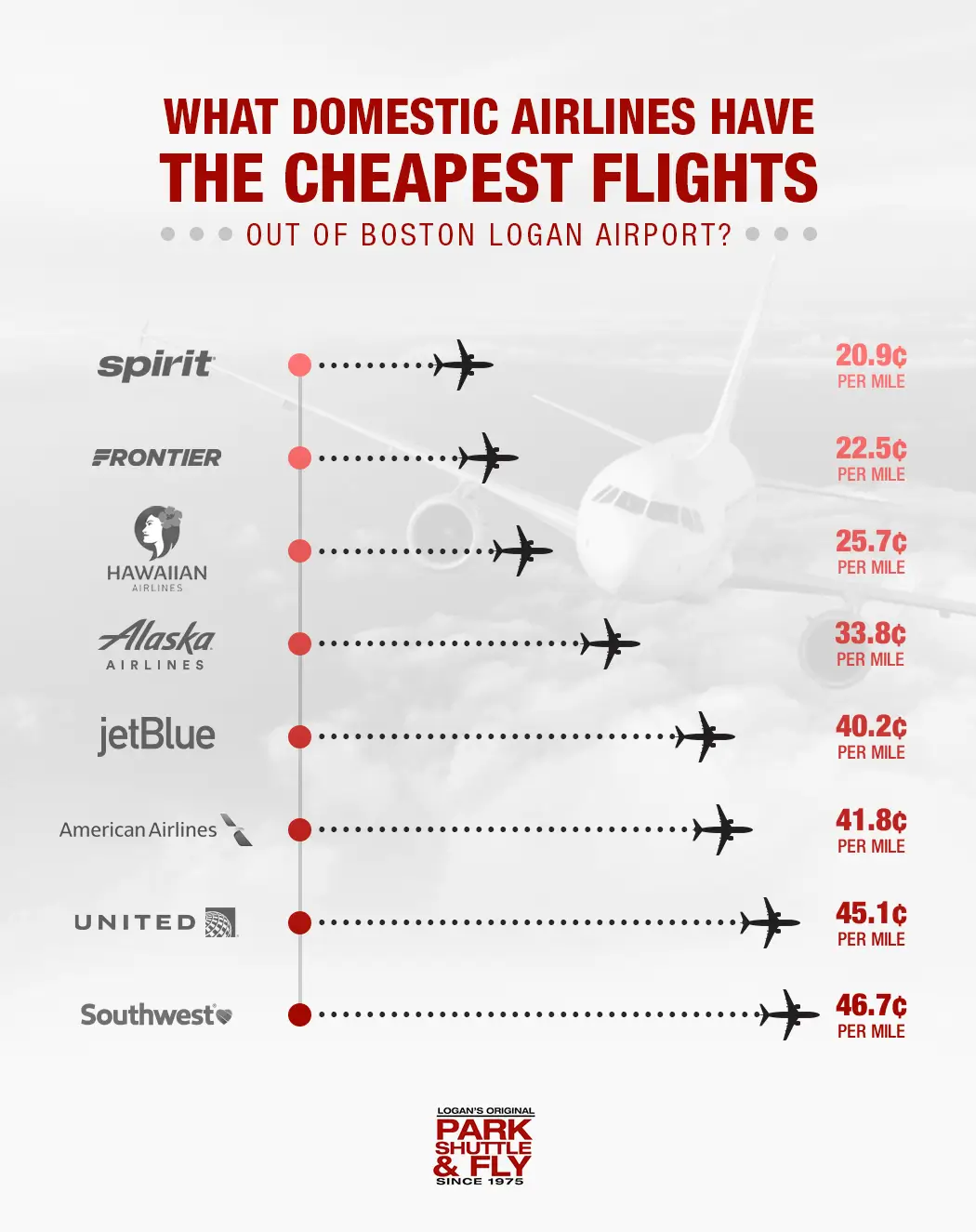
In the United States, the battle for the cheapest flight is usually a showdown between Spirit and Southwest. While Spirit often has the lower advertised price, Southwest is frequently the winner in net cost. Southwest’s “Bags Fly Free” policy (two checked bags) and lack of change fees provide a financial safety net that ULCCs lack. For a family of four, the savings on baggage alone can exceed $300, making Southwest the superior choice for those who cannot travel light.
However, for the solo traveler on a weekend trip, Spirit and Frontier remain the undisputed kings of the $50 round-trip. Their financial model relies on high aircraft utilization—keeping planes in the air as many hours a day as possible—which allows them to flood the market with low-cost seats.
Europe and Asia: The Frontier of Extreme Budgeting
Globally, the title of “cheapest airline” often shifts to Europe’s Ryanair. Ryanair’s fiscal discipline is legendary in the business world; they have historically achieved some of the lowest operating costs in the industry. It is not uncommon to find flights between major European capitals for less than the cost of a train ticket to the airport.
In Asia, AirAsia holds a similar mantle. By dominating the secondary hubs in Southeast Asia, they have made air travel accessible to a demographic that previously relied on buses and ferries. Their financial success stems from a massive scale and a highly aggressive ancillary revenue strategy, selling everything from duty-free goods to insurance directly through their app.
Integrating Travel Into Your Personal Finance Framework
Ultimately, the search for the cheapest flight should be part of a larger personal finance strategy. If you are spending hours of your time to save $20, you may be experiencing a poor return on investment regarding your “time-value of money.”
The Sinking Fund Strategy for Vacations
Financial experts often recommend the use of “sinking funds” for travel. By automating a monthly transfer into a dedicated high-yield savings account for travel, you can capitalize on “mistake fares” or flash sales the moment they appear. The cheapest flights are often available for a very limited window; having liquid capital ready to deploy allows you to lock in a $300 flight to Europe that might cost $900 tomorrow.

Maximizing ROI on Business Travel
For the entrepreneur or small business owner, the “cheapest” flight is the one that offers the best return on investment. This doesn’t always mean the lowest price. A direct flight on a legacy carrier that arrives at 9:00 AM might be “cheaper” in terms of productivity than a ULCC flight with two layovers that arrives at midnight, requiring an extra night in a hotel and a lost day of work. In business finance, “soft costs”—such as fatigue and lost time—must be weighed against “hard costs” like the ticket price.
In conclusion, identifying who has the cheapest airline flights requires a dual-pronged approach: recognizing the airlines whose business models are built on low-cost efficiency, like Spirit and Ryanair, and utilizing financial tools and timing to drive those costs even lower. By focusing on the “all-in” cost, leveraging credit card rewards, and understanding the mechanics of dynamic pricing, you can ensure that your travel spend is always optimized for maximum value. Finding the cheapest flight isn’t just about the airline; it’s about the financial strategy you bring to the booking process.
aViewFromTheCave is a participant in the Amazon Services LLC Associates Program, an affiliate advertising program designed to provide a means for sites to earn advertising fees by advertising and linking to Amazon.com. Amazon, the Amazon logo, AmazonSupply, and the AmazonSupply logo are trademarks of Amazon.com, Inc. or its affiliates. As an Amazon Associate we earn affiliate commissions from qualifying purchases.