
Finding the most competitive rates for car insurance is a cornerstone of sound personal finance management. For the average driver, insurance is not merely a legal requirement but one of the most significant recurring expenses in their monthly budget. However, the question of “who has the best rates” does not have a single, universal answer. The insurance industry operates on complex actuarial science, where premiums are tailored to the specific risk profile of the individual. While one company may offer a rock-bottom rate for a homeowner in the suburbs with a clean driving record, another may be far more competitive for a young urban professional with a single speeding ticket.
Understanding the landscape of auto insurance requires looking beyond marketing slogans and diving into the financial structures of the providers, the variables that influence their algorithms, and the strategies consumers can use to lower their costs.
The Leading Providers for Competitive Pricing
When examining the national landscape, a few companies consistently rise to the top of the list for affordability. These providers leverage different business models—ranging from direct-to-consumer digital platforms to vast networks of local agents—to offer competitive pricing.
Geico: The Direct-to-Consumer Efficiency Leader
Geico is frequently cited as the lowest-cost provider for a broad demographic of drivers. Owned by Berkshire Hathaway, Geico benefits from immense financial stability and a business model that emphasizes direct sales. By bypassing a traditional network of independent agents, the company reduces overhead costs, a portion of which is passed on to the consumer in the form of lower premiums. Geico is particularly competitive for drivers with good credit scores and those who prefer managing their policies through a high-quality digital interface.
State Farm: The Value of Mutual Insurance
State Farm holds the largest market share in the United States, and its pricing remains highly competitive due to its status as a mutual insurance company. Unlike publicly traded insurers that must answer to shareholders, State Farm is technically owned by its policyholders. This structure often allows the company to focus on long-term stability and competitive pricing rather than short-term profit margins. State Farm is often the most affordable option for families who bundle multiple vehicles and home insurance policies, leveraging significant multi-line discounts.
Progressive: Excellence in High-Risk and Telematics
Progressive has carved out a niche by being exceptionally competitive for drivers who might be penalized elsewhere. This includes drivers with a lapse in coverage or a less-than-perfect driving record. Progressive was also a pioneer in telematics through its Snapshot program. For drivers who are willing to have their driving habits monitored via a mobile app or plug-in device, Progressive often offers the best rates by pricing insurance based on actual behavior rather than general demographic data.
USAA: The Gold Standard for Military Families
While it is not available to the general public, USAA consistently offers the lowest rates in almost every state where it operates. Open only to active-duty military, veterans, and their immediate families, USAA’s member-focused model allows it to maintain lower loss ratios and provide superior customer service at a fraction of the cost of its competitors. If you qualify for USAA, it is almost invariably the best financial choice for auto insurance.
The Key Variables Influencing Your Personal Rate
The “best” rate for you is dictated by a set of variables that insurance companies use to predict the likelihood of you filing a claim. In the realm of personal finance, understanding these levers allows you to better position yourself for lower premiums.
The Critical Role of Credit-Based Insurance Scores
In most states, your credit score is one of the most powerful factors in determining your car insurance rate. Actuarial data shows a strong correlation between credit history and the likelihood of filing a claim. Drivers with “excellent” credit can pay up to 50% less than those with “poor” credit for the exact same coverage. Improving your credit score is not just an investment in your ability to borrow; it is a direct strategy for reducing your annual insurance expenditures.
Geographical Risk Profiles
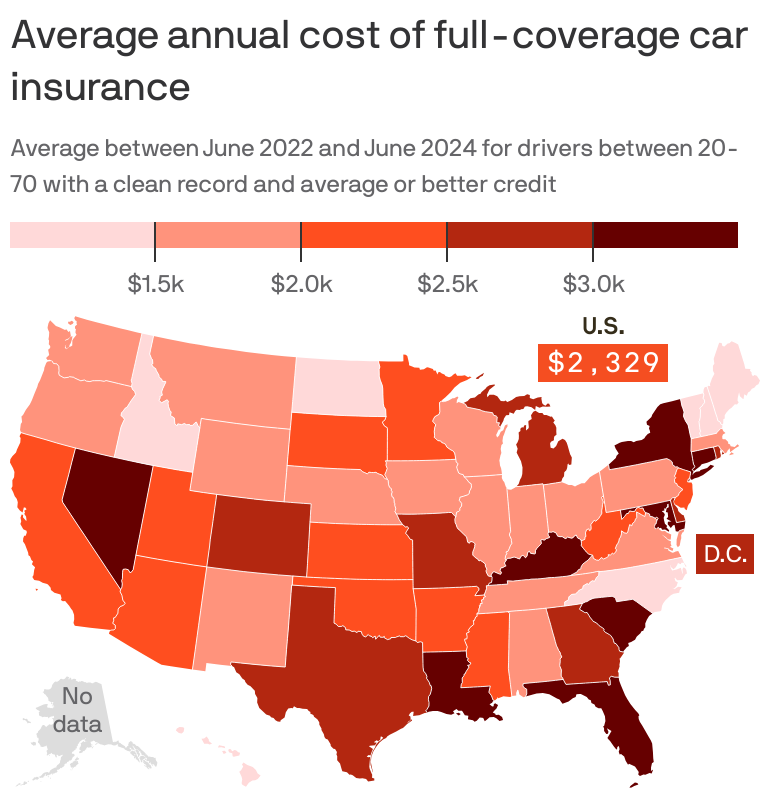
Your zip code acts as a proxy for risk. Insurers look at local crime rates (theft and vandalism), the density of traffic, the frequency of accidents in the area, and even the likelihood of extreme weather events like hail or flooding. Living in a high-traffic urban environment will almost always result in higher premiums than living in a rural area. When moving, it is wise to factor in the potential change in insurance costs as part of your new cost-of-living calculation.
Age, Experience, and the “Risk Curve”
Insurance rates follow a distinct curve based on age. Teenagers and young adults under 25 face the highest rates due to a lack of driving experience and a higher statistical likelihood of engaging in risky driving behavior. Rates typically stabilize and reach their lowest point between the ages of 35 and 60. As drivers enter their senior years, rates may begin to creep up again as reaction times and vision factors are recalculated into the risk pool.
Strategies to Secure the Lowest Possible Premium
Finding the best rate is not a passive activity. It requires an active engagement with the market and an understanding of the financial tools available to policyholders.
Mastering the Art of Discount Stacking
Most consumers are aware of the “bundling” discount, which combines home and auto insurance. However, the most savvy financial planners “stack” multiple discounts to drive the premium down further. These can include:
-
Affiliation Discounts: Reductions for being a member of certain alumni associations, professional organizations, or credit unions.
-
Safety Features: Discounts for vehicles equipped with autonomous emergency braking, lane-departure warnings, and anti-theft systems.
-
Billing Discounts: Choosing to pay the entire six-month or annual premium upfront (Paid-in-Full) or opting for paperless billing and automatic bank drafts.
-
Education Discounts: “Good Student” discounts for drivers under 25 who maintain a B average or higher.
Adjusting Deductibles and Coverage Limits
A fundamental principle of insurance is that you should only insure against losses that you cannot afford to pay out of pocket. For an older vehicle with a low market value, maintaining comprehensive and collision coverage might not make financial sense. Furthermore, increasing your deductible from $500 to $1,000 can reduce your premium by 15% to 30%. This is an effective strategy if you have a sufficient emergency fund to cover the higher deductible in the event of an accident.
The Rise of Usage-Based Insurance (UBI)
The most significant trend in the money-saving aspect of car insurance is the shift toward Usage-Based Insurance. Programs like State Farm’s “Drive Safe & Save” or Allstate’s “Drivewise” track mileage, speed, braking intensity, and the time of day you drive. If you are a low-mileage driver or someone who avoids late-night driving and hard braking, UBI can offer some of the steepest discounts in the industry, sometimes reaching 40% off the base rate.
The Financial Importance of Annual Policy Audits
One of the biggest mistakes in personal finance is “insurance inertia”—the tendency to stay with the same provider for years out of habit. The car insurance market is incredibly volatile, with rates fluctuating based on the insurer’s recent loss ratios and corporate strategy changes.
The Myth of Loyalty
While some companies offer “loyalty discounts,” these are often overshadowed by “price optimization.” This is a controversial practice where some insurers raise rates slightly on long-term customers who they believe are unlikely to shop around. By comparing rates every 12 months, you ensure that you are always benefiting from the most current competitive pricing.
Shopping During Major Life Events
Major life milestones should always trigger a search for new insurance rates. Getting married, buying a home, improving your credit score, or even reaching the age of 25 can significantly change your risk profile in a way that your current insurer may not automatically recognize. A new quote from a competitor might capture these improvements more aggressively than an existing policy renewal.
Managing Insurance as a Financial Asset
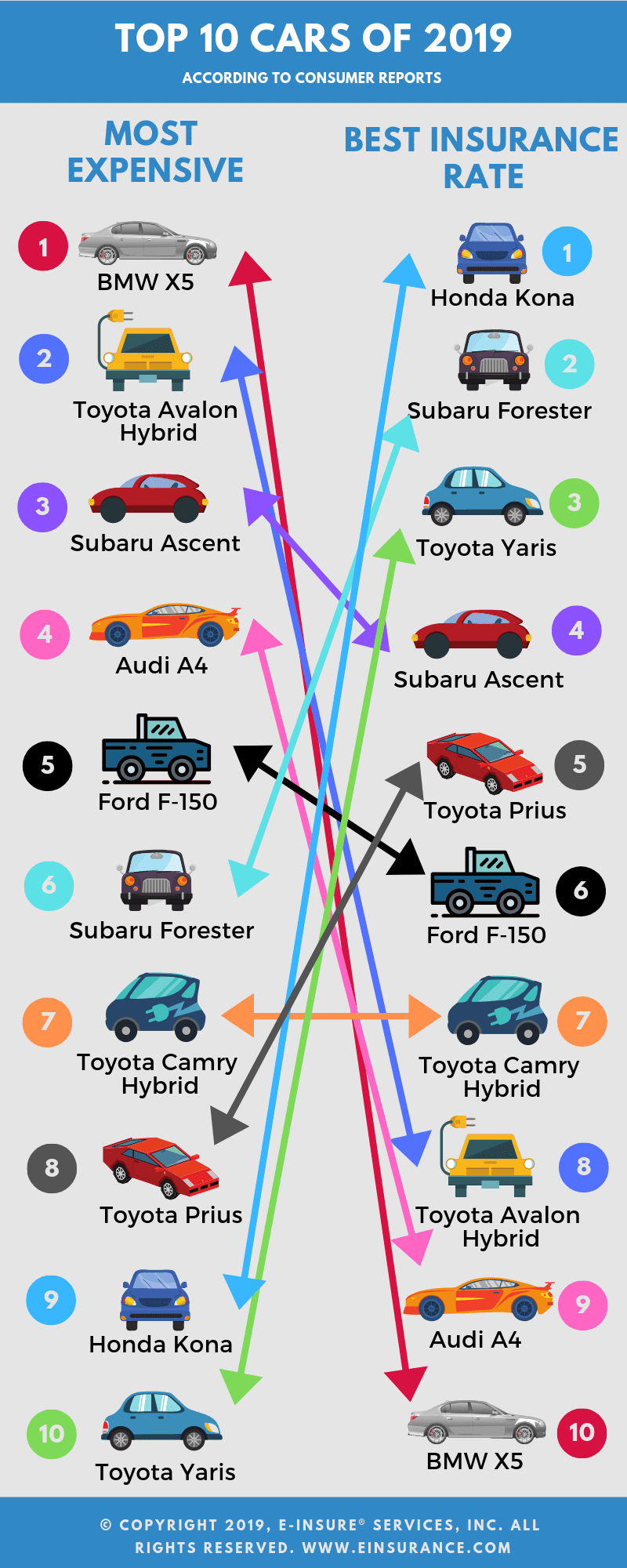
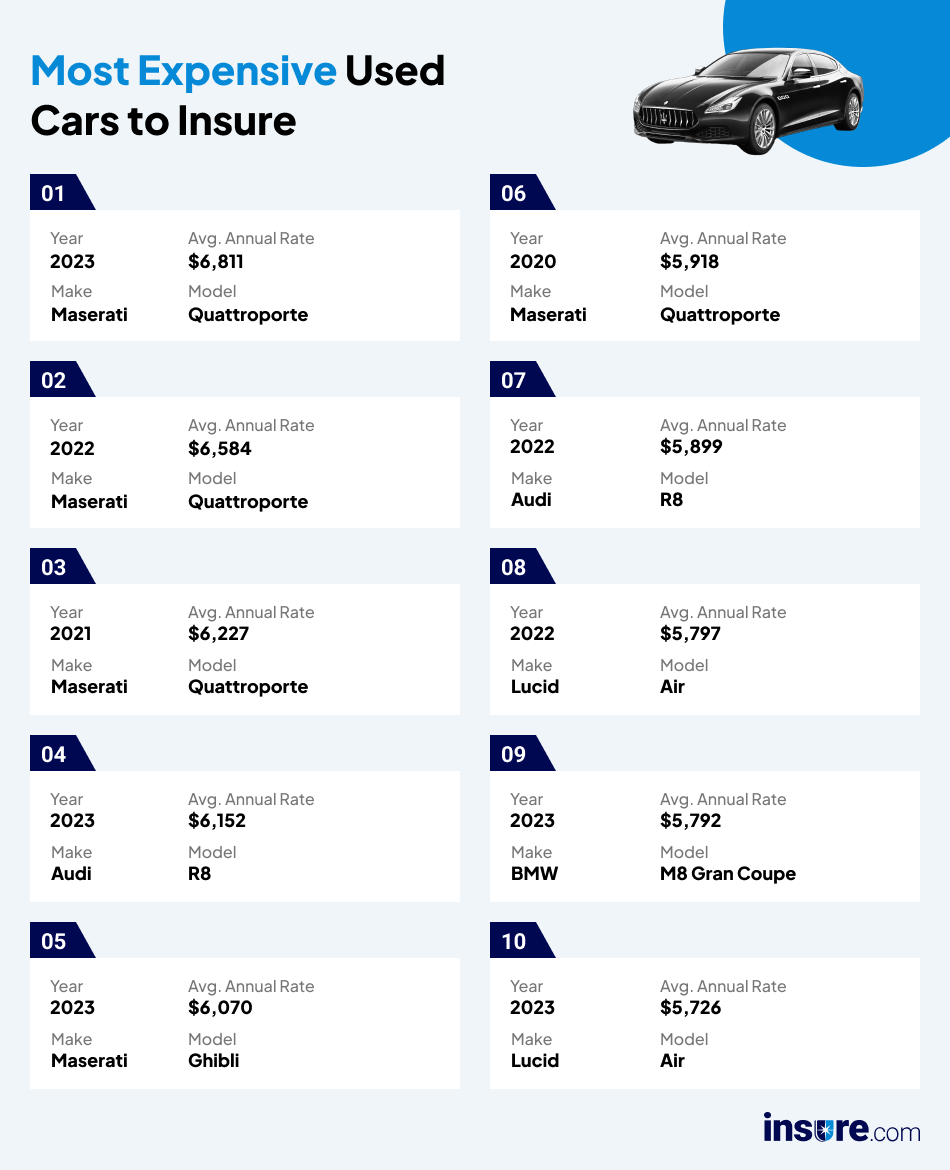
Ultimately, the best rates for car insurance are found by drivers who treat their policy as a manageable financial asset rather than a fixed utility bill. By maintaining a high credit score, choosing vehicles with lower insurance symbols (typically SUVs and minivans over high-performance sports cars), and utilizing technology to prove safe driving habits, you can command the lowest prices the market has to offer.
The “best” company is the one that aligns with your specific life stage and risk factors. Whether it is the digital efficiency of Geico, the member-owned benefits of State Farm, or the data-driven precision of Progressive, the power to lower your rates lies in continuous market education and the willingness to pivot when a better financial opportunity arises. In the broader context of building wealth and managing expenses, optimizing your auto insurance is a high-impact, low-effort move that pays dividends every month.
aViewFromTheCave is a participant in the Amazon Services LLC Associates Program, an affiliate advertising program designed to provide a means for sites to earn advertising fees by advertising and linking to Amazon.com. Amazon, the Amazon logo, AmazonSupply, and the AmazonSupply logo are trademarks of Amazon.com, Inc. or its affiliates. As an Amazon Associate we earn affiliate commissions from qualifying purchases.