
Securing a mortgage is arguably the most significant financial commitment the average person will make in their lifetime. With the housing market constantly shifting under the influence of inflationary pressures, Federal Reserve policies, and global economic stability, the question of “who has the best mortgage rates” is both timely and complex. Finding the lowest rate is not merely about finding a specific “winner” among banks; it is about understanding the financial mechanisms that drive interest rates and identifying which institution aligns best with your unique financial profile.
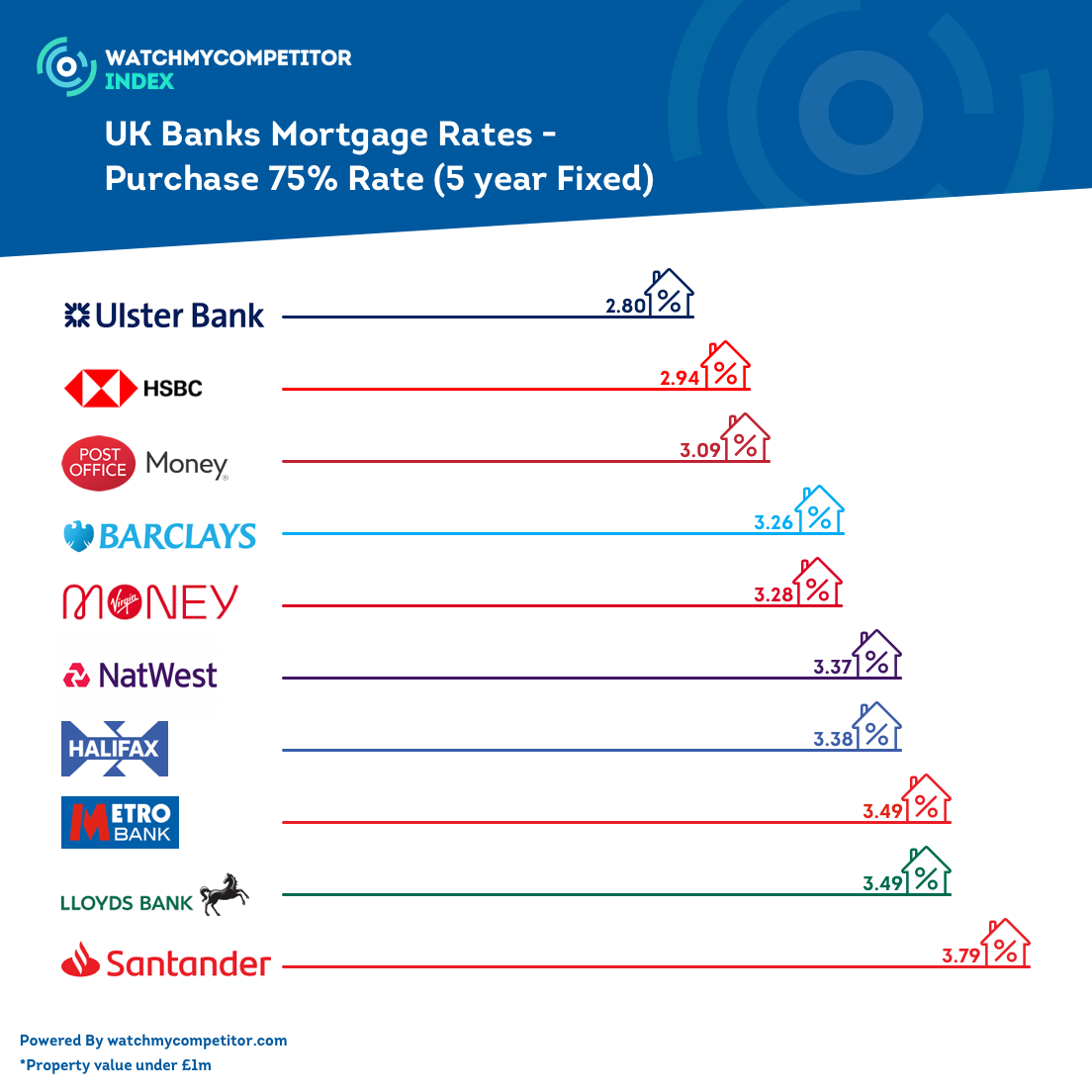
Even a marginal difference of 0.25% in an interest rate can result in tens of thousands of dollars in savings over the life of a 30-year fixed-rate loan. Therefore, a strategic approach to selecting a lender is a fundamental pillar of sound personal finance and long-term wealth building.
The Diversity of the Mortgage Market: Where to Start Your Search
The mortgage market is far from a monolith. It is composed of various types of institutions, each with its own capital requirements, risk tolerances, and profit motives. To find the best rate, you must first understand the different “neighborhoods” of the lending world.
Traditional Commercial Banks
Large national banks like Chase, Bank of America, and Wells Fargo are often the first stop for prospective homebuyers. These institutions have massive balance sheets and offer the convenience of “relationship pricing.” If you already hold significant assets in a checking or savings account with a major bank, they may offer a fractional reduction in your mortgage rate to keep your business within their ecosystem. However, because these banks have high overhead costs, their “street rates” (rates offered to the general public) may not always be the most competitive.
Credit Unions: The Member-First Advantage
Credit unions are member-owned, not-for-profit cooperatives. Because they do not have to answer to external shareholders, they often return profits to their members in the form of lower interest rates and reduced fees. For many borrowers, local or national credit unions (such as Navy Federal or Pentagon Federal) offer some of the lowest mortgage rates in the country. The trade-off is that you must meet their eligibility requirements for membership, which are often based on your profession, location, or military service.
Online Lenders and Fintech Disruptors
In the last decade, non-bank online lenders like Rocket Mortgage and Better.com have revolutionized the industry. These companies use sophisticated algorithms and streamlined digital interfaces to lower the cost of loan origination. By operating without physical branches, they can often pass those savings onto the consumer. They are particularly competitive for borrowers with high credit scores who value speed and transparency in the application process.
The Anatomy of a Mortgage Rate: Why Quotes Differ
When you see a mortgage rate advertised online, it is often a “teaser” rate based on a perfect financial scenario. In reality, the rate you are offered is a highly personalized figure dictated by several risk factors. Understanding these variables is key to positioning yourself for the best possible offer.
The Impact of Credit Scoring Models
Your credit score is the single most influential factor in determining your mortgage rate. Lenders use tiers to price risk; a borrower with a 760 score will almost always receive a better rate than one with a 680 score. This is because, from a financial perspective, the higher score represents a lower probability of default. If your score is on the cusp of a higher tier, it may be financially prudent to delay your home search for a few months to pay down debt and boost your score, potentially saving you thousands in interest.
Loan Type and Term Length
The structure of the loan also dictates the rate. Generally, a 15-year fixed-rate mortgage will have a lower interest rate than a 30-year fixed-rate mortgage because the lender is exposed to interest rate risk for a shorter duration. Similarly, “conforming loans” (those that meet the criteria to be sold to Fannie Mae or Freddie Mac) usually have lower rates than “Jumbo loans,” which exceed standard lending limits and carry more risk for the lender.
Economic Drivers: The Fed and the 10-Year Treasury
While individual factors matter, the “floor” for mortgage rates is set by the broader economy. Specifically, mortgage rates tend to track the yield on the 10-year Treasury note. When investors are nervous about the economy, they buy bonds, which lowers yields and subsequently lowers mortgage rates. Conversely, when the Federal Reserve raises the federal funds rate to combat inflation, the cost of borrowing increases across the board. Keeping an eye on these macroeconomic indicators can help you time your application during a “dip” in the market.
Identifying the Top Performers for Specific Borrower Profiles
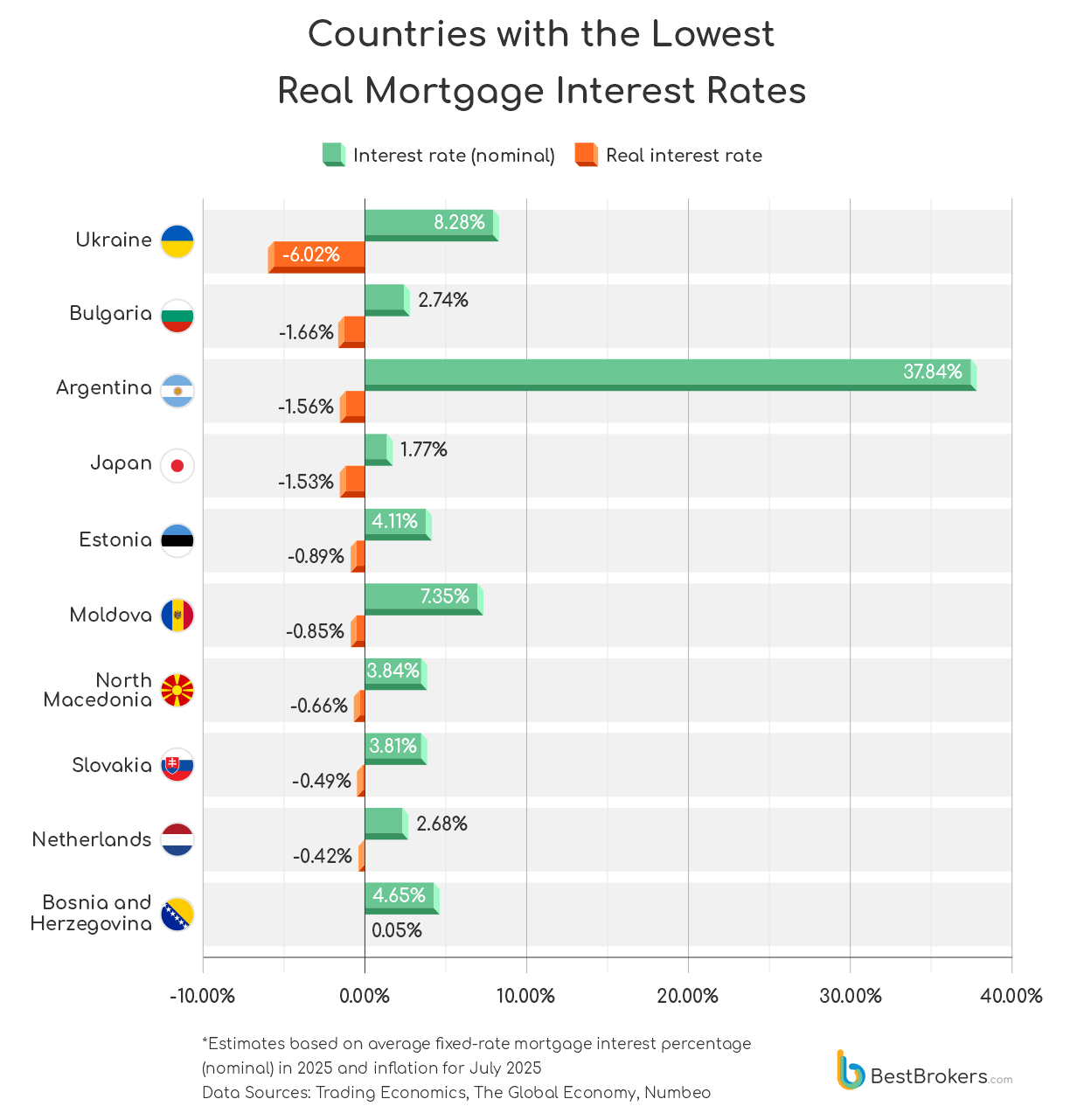
There is no single “best” lender for everyone. The institution that offers the best rate for a veteran might be the most expensive option for a first-time homebuyer with a small down payment. Finding the best rate requires matching your profile to the lender’s specialty.
Best for Low Down Payments and FHA Loans
Borrowers who cannot afford a 20% down payment often turn to FHA (Federal Housing Administration) loans. Specialized lenders and certain community banks often have the most competitive rates in this niche. Because the government insures these loans, lenders can offer lower rates even to those with less-than-perfect credit. However, it is essential to calculate the cost of Mortgage Insurance Premiums (MIP), which can offset the benefit of a low interest rate.
Best for Jumbo Loans and High-Net-Worth Individuals
For luxury properties requiring loans that exceed the conforming limit, private wealth management firms and large commercial banks often provide the best rates. These institutions view the mortgage as a “loss leader”—a way to establish a relationship with a high-net-worth client who might eventually use their investment and estate planning services. For these borrowers, the “best rate” is often negotiated behind closed doors rather than found on a public website.
Best for Military Members and Veterans
VA loans, backed by the Department of Veterans Affairs, consistently offer some of the lowest interest rates on the market, often significantly below conventional rates. Lenders like United Shore or specialized credit unions like Navy Federal are leaders in this space. Since VA loans require zero down payment and no private mortgage insurance (PMI), they represent the gold standard of mortgage financing for those who qualify.
Expert Tactics to Lower Your Mortgage Interest Rate
Once you have identified a few high-quality lenders, the work of securing the best rate is not finished. There are proactive financial maneuvers you can employ to further drive down your costs.
The Math Behind Discount Points
When a lender offers you a rate, they may also give you the option to “buy down” the rate by paying discount points at closing. One point typically costs 1% of the loan amount and reduces your interest rate by roughly 0.25%. This is a purely mathematical decision: if you plan to stay in the home long enough to reach the “break-even point” (the moment the monthly savings exceed the upfront cost of the points), it is an excellent financial investment.
Optimizing Your Debt-to-Income (DTI) Ratio
Lenders are not just looking at your income; they are looking at how much of that income is already committed to other debts. A high DTI ratio suggests financial strain, which leads lenders to increase your interest rate to compensate for the perceived risk. By paying off a car loan or credit card balance before applying for a mortgage, you can improve your DTI and potentially unlock a more favorable rate tier.
The Power of the Rate Lock
Mortgage rates fluctuate daily, and sometimes hourly. Once you have found a rate you are happy with, you must “lock” it. A rate lock guarantees that your interest rate won’t change between the time you apply and the time you close, provided you close within a specific window (usually 30 to 60 days). In a rising rate environment, a timely lock can save you from a last-minute spike in your monthly payment.
The Long-Term Financial Impact of Rate Selection
To truly understand who has the best mortgage rates, one must look beyond the monthly payment and examine the total cost of capital. The “best” rate is the one that minimizes the total interest paid over the life of the loan while maintaining the borrower’s liquidity.
Amortization and Interest Over Time
On a standard 30-year mortgage, the majority of your payments in the first ten years go toward interest rather than principal. This is why a lower rate is so critical; it accelerates the speed at which you build equity. When comparing lenders, ask for a full amortization schedule. This document will show you exactly how much interest you will pay over time, allowing for a side-by-side comparison that a simple “APR” (Annual Percentage Rate) might obscure.

The Refinancing Pivot Strategy
Sometimes, the “best” rate today is simply a bridge to a better rate tomorrow. Financial experts often suggest that if rates drop by 0.75% to 1% after you buy your home, it may be time to refinance. By keeping your credit in top shape and maintaining equity in your home, you remain agile. The institution that had the best rate when you purchased your home may not be the one that offers the best refinancing deal later.
In conclusion, finding the best mortgage rate is an active pursuit rather than a passive one. It requires a blend of macroeconomic awareness, meticulous credit management, and aggressive shopping across different types of financial institutions. By understanding that the “best” rate is a reflection of your own financial health as much as the lender’s appetite for risk, you can navigate the market with confidence and secure a mortgage that serves as a foundation for your financial future.
aViewFromTheCave is a participant in the Amazon Services LLC Associates Program, an affiliate advertising program designed to provide a means for sites to earn advertising fees by advertising and linking to Amazon.com. Amazon, the Amazon logo, AmazonSupply, and the AmazonSupply logo are trademarks of Amazon.com, Inc. or its affiliates. As an Amazon Associate we earn affiliate commissions from qualifying purchases.