
Navigating the landscape of mortgage loans can often feel like an overwhelming task, particularly when the central question revolves around securing the most advantageous interest rate. A mortgage is likely the largest financial commitment most individuals will make in their lifetime, making even a small difference in the interest rate translate into tens of thousands of dollars saved or spent over the loan’s duration. This article will demystify the process of finding the best mortgage loan rates, exploring where to look, what factors influence these rates, and actionable strategies to ensure you secure the most competitive terms available.
Understanding Mortgage Rates: More Than Just a Number
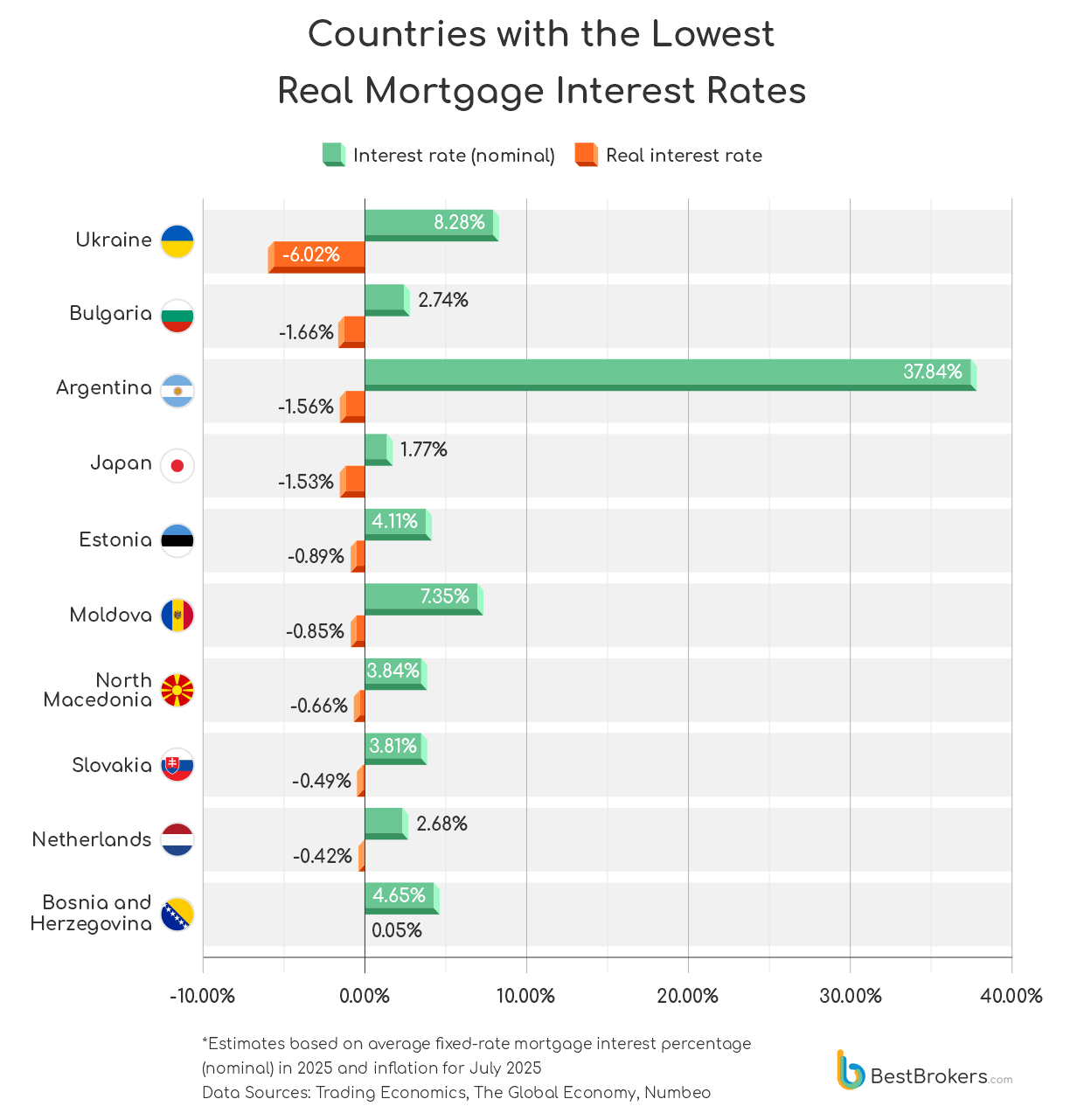
Before embarking on the quest for the “best” rate, it’s crucial to understand what mortgage rates represent and the multifaceted factors that sculpt them. A mortgage rate isn’t a static, universally applied figure; rather, it’s a dynamic reflection of economic conditions, lender policies, and individual borrower profiles.
What Constitutes a “Good” Rate?
Defining a “good” mortgage rate is subjective and evolves with market conditions. What was considered excellent a few years ago might be average today, and vice versa. Generally, a good rate is one that is competitive within the current market, aligns with your financial goals, and keeps your monthly payments manageable. It’s not just about the lowest percentage point, but also about the overall cost of the loan over its lifetime, including fees and other charges. To gauge what’s considered “good,” prospective borrowers should monitor daily rate trends, consult multiple lenders, and understand the difference between the advertised interest rate and the Annual Percentage Rate (APR).
Key Factors Influencing Your Rate
Several critical factors converge to determine the interest rate a lender offers you. Understanding these can empower you to improve your standing as a borrower.
- Credit Score: Your credit score is perhaps the most significant determinant. Lenders use it to assess your creditworthiness and the likelihood of you repaying the loan. A higher credit score (typically 740 and above for conventional loans) signals lower risk to lenders, often resulting in access to the most favorable rates. Conversely, a lower score will generally lead to higher rates or even difficulty qualifying for a loan.
- Debt-to-Income (DTI) Ratio: This ratio compares your total monthly debt payments to your gross monthly income. Lenders prefer a lower DTI, as it indicates you have sufficient income to manage additional mortgage payments without overextending yourself. A DTI below 43% is generally considered acceptable, but lower is always better.
- Loan-to-Value (LTV) Ratio: The LTV ratio compares the amount of the loan to the appraised value of the home. A higher down payment results in a lower LTV, which translates to less risk for the lender. Borrowers with an LTV of 80% or less (meaning a 20% or greater down payment) typically qualify for better rates and avoid private mortgage insurance (PMI).
- Loan Type and Term: Different loan products (e.g., 30-year fixed, 15-year fixed, adjustable-rate mortgages) carry different risk profiles for lenders and, consequently, different rates. Shorter-term loans (e.g., 15-year fixed) generally have lower interest rates than longer-term loans (e.g., 30-year fixed) because the lender’s money is tied up for a shorter period.
- Market Conditions: Broader economic factors, such as inflation, the federal funds rate set by the Federal Reserve, and investor demand for mortgage-backed securities, significantly impact prevailing mortgage rates. When the economy is strong and inflation is a concern, rates tend to rise.
- Property Location and Type: The property’s location and type (e.g., single-family home, condo, multi-family dwelling) can also subtly influence rates, as certain property types or areas may carry different risk perceptions for lenders.
The Difference Between APR and Interest Rate
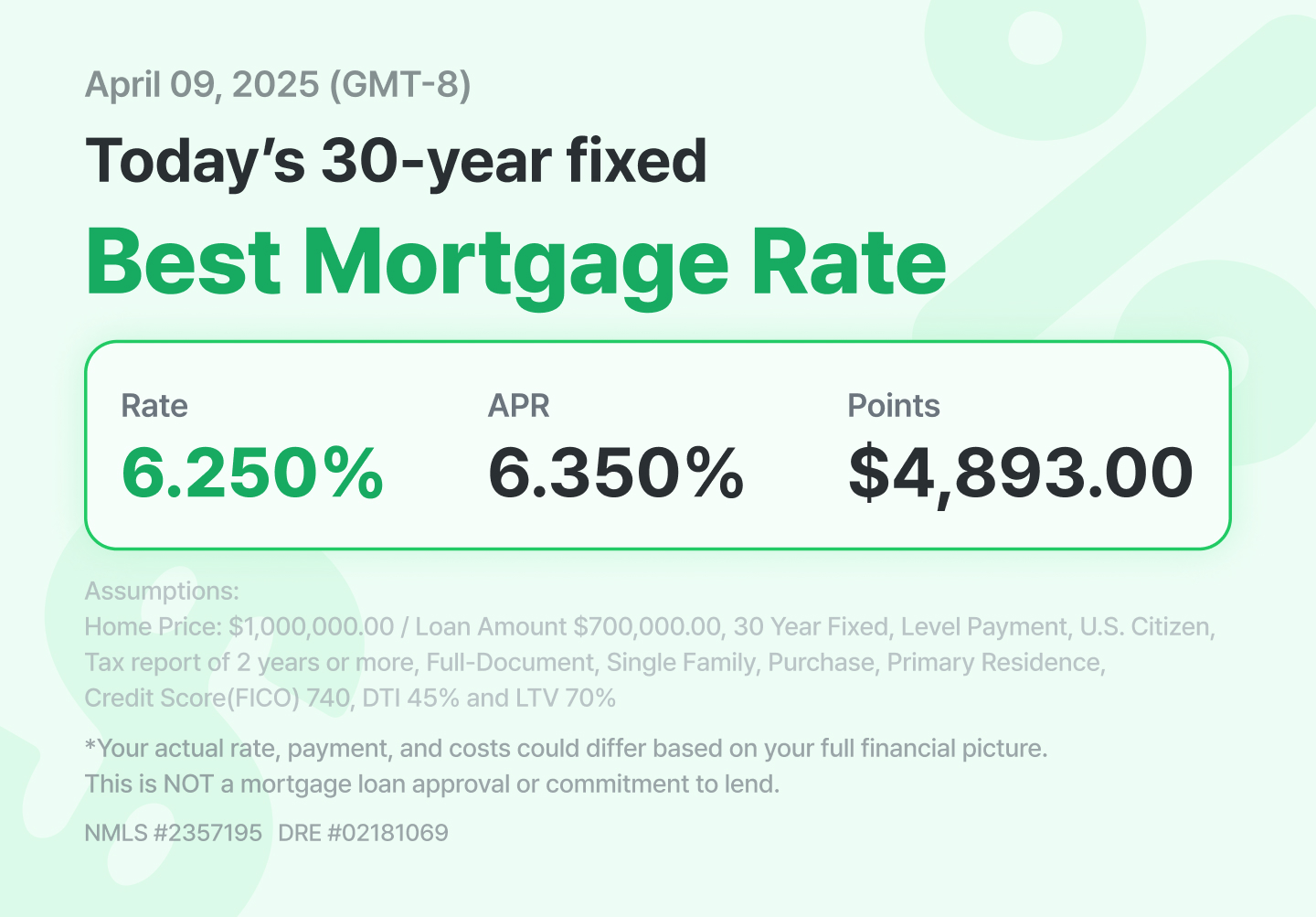
It’s crucial not to confuse the interest rate with the Annual Percentage Rate (APR). The interest rate is the cost of borrowing the principal amount and is used to calculate your monthly mortgage payment. The APR, on the other hand, represents the total cost of the loan over its lifetime, expressed as an annual percentage. It includes not only the interest rate but also most other costs associated with the loan, such as origination fees, discount points, mortgage insurance, and other lender charges. When comparing offers, the APR provides a more comprehensive and accurate picture of the true cost of borrowing, making it a better metric for apples-to-apples comparisons between different lenders.
Where to Look for Competitive Rates
The sheer number of mortgage providers can be daunting. To find the best rates, it’s essential to cast a wide net and understand the distinct advantages each type of lender offers.
Traditional Banks vs. Credit Unions
- Traditional Banks: Large national banks and regional banks are often the first stop for many borrowers. They offer a wide range of loan products, established reputations, and extensive branch networks for in-person service. Their rates can be competitive, but they might be less flexible than smaller institutions, and their underwriting processes can sometimes be more rigid.
- Credit Unions: As member-owned non-profit organizations, credit unions often offer more personalized service and can sometimes provide slightly lower interest rates or more flexible terms, especially for members with strong financial standing. Their focus is on member benefit rather than shareholder profit. However, eligibility often requires membership, and their product offerings might be less diverse than larger banks.
Online Lenders and Mortgage Brokers
- Online Lenders: The rise of online-only lenders has revolutionized the mortgage industry, offering convenience, streamlined digital processes, and often very competitive rates due to lower overhead costs. Websites like Rocket Mortgage, Better.com, and LoanDepot provide quick pre-approvals and allow you to manage much of the application process digitally. However, the lack of in-person interaction might be a drawback for some borrowers.
- Mortgage Brokers: A mortgage broker acts as an intermediary between you and various lenders. They don’t lend money themselves but work with a network of banks, credit unions, and other financial institutions. Brokers can shop around on your behalf, potentially finding a wider array of loan options and better rates than you might uncover independently. They can be particularly useful for borrowers with unique financial situations or those who want to simplify the comparison process. However, ensure you understand how they are compensated (either by the lender or through a fee from you) to avoid conflicts of interest.
Specialized Lenders and Government-Backed Programs
Beyond the mainstream, there are also specialized lenders and government programs designed to assist specific borrower groups.
- FHA Loans: Backed by the Federal Housing Administration, FHA loans are designed for low-to-moderate-income borrowers, particularly first-time homebuyers, who may not qualify for conventional loans. They feature lower credit score requirements and allow for lower down payments, but they do require mortgage insurance premiums (MIP).
- VA Loans: Guaranteed by the U.S. Department of Veterans Affairs, VA loans are an excellent option for eligible service members, veterans, and surviving spouses. They often require no down payment, have competitive interest rates, and do not require private mortgage insurance.
- USDA Loans: Offered by the U.S. Department of Agriculture, these loans are for low-to-moderate-income borrowers in eligible rural areas. They typically require no down payment and offer favorable terms, aiming to promote homeownership in less dense regions.
Strategies for Securing the Lowest Rates
Finding the lowest rate isn’t solely about where you look; it’s also about optimizing your financial profile and employing smart negotiation tactics.
Improving Your Credit Score
As discussed, your credit score is paramount. Before applying for a mortgage, dedicate time to improving it. This includes paying bills on time, reducing existing debt, avoiding opening new lines of credit, and checking your credit report for errors. Even a few points can make a difference in the rate you’re offered.
Increasing Your Down Payment
A larger down payment immediately reduces the lender’s risk and lowers your LTV ratio, often translating to a better interest rate. Aim for at least 20% to avoid PMI, but even increasing your down payment from 3% to 5% or 10% can make a difference.
Shopping Around and Comparing Offers
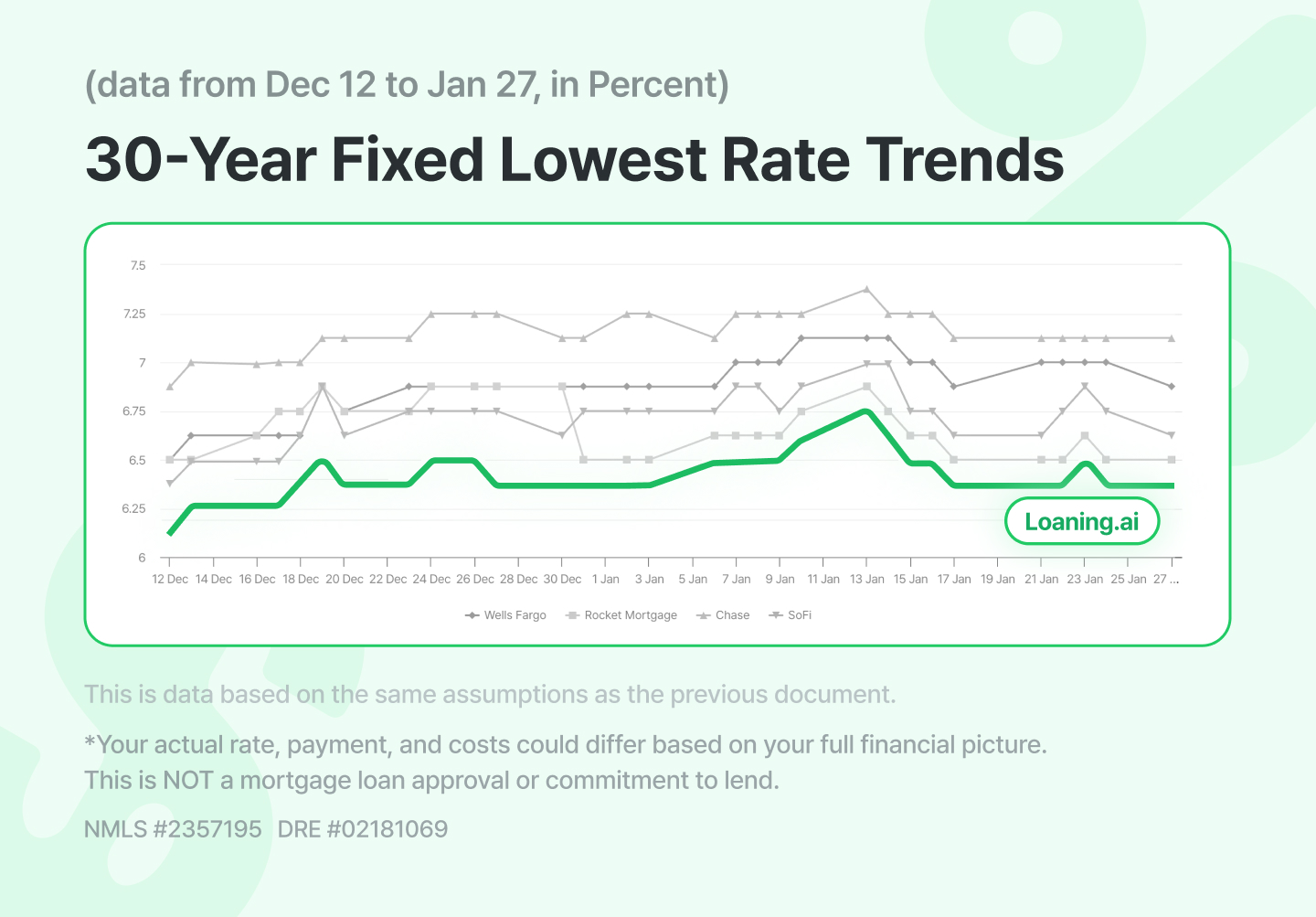
This is perhaps the most critical step. Do not settle for the first offer you receive. Apply with at least 3-5 different lenders (within a 14-45 day window to minimize the impact on your credit score). Get a Loan Estimate from each, which is a standardized form detailing the loan terms, projected payments, and closing costs. Compare these diligently, focusing on the APR, interest rate, and specific fees. Leverage competing offers to negotiate for a better rate or lower fees with your preferred lender.
Considering Different Loan Types (Fixed vs. Adjustable)
- Fixed-Rate Mortgages: These loans offer a stable interest rate for the entire life of the loan, providing predictable monthly payments. While initial rates might be slightly higher than adjustable-rate options, they offer unparalleled security against rising interest rates.
- Adjustable-Rate Mortgages (ARMs): ARMs typically start with a lower interest rate for an initial period (e.g., 3, 5, 7, or 10 years) before adjusting periodically based on a market index. They can be attractive for borrowers who plan to sell or refinance before the fixed period ends, or those who anticipate their income increasing. However, they carry the risk of significantly higher payments if rates rise.
Locking in Your Rate
Once you find a desirable rate, you’ll want to “lock” it. A rate lock is a guarantee from your lender that the interest rate offered will remain the same for a specific period (e.g., 30, 45, or 60 days) while your loan application is processed. This protects you from market fluctuations. Be sure to understand the lock-in period and any fees associated with extending it if your closing is delayed.
The Application Process and What to Expect
The mortgage application process, while complex, follows a structured path. Being prepared can alleviate stress and expedite the approval.
Gathering Necessary Documentation
Lenders require extensive documentation to verify your financial stability. This typically includes:
- Proof of income (pay stubs, W-2s, tax returns for the past two years).
- Bank statements and investment account statements.
- Identification (driver’s license, Social Security card).
- Information on existing debts (student loans, car loans, credit cards).
- Rent or mortgage payment history.
Having these documents organized and readily available will significantly streamline the process.
Understanding Loan Estimates and Closing Costs
Upon application, lenders will provide a Loan Estimate, a three-page form that breaks down all the costs associated with your mortgage. This includes the interest rate, monthly payment, closing costs (origination fees, appraisal fees, title insurance, recording fees, etc.), and other key terms. It’s crucial to review this document thoroughly and ask questions about anything you don’t understand. Closing costs can typically range from 2% to 5% of the loan amount, so factor these into your overall budget.
Locking in Your Rate
After you’ve received conditional approval and decided on a lender, you’ll want to officially “lock” your interest rate. This ensures that the rate you were offered doesn’t change before closing, protecting you from market increases. However, be aware of “float-down” options that some lenders offer, which allow you to secure a lower rate if market rates drop before closing, usually for a fee.
Beyond the Rate: Other Factors to Consider
While the interest rate is undeniably a significant component, it’s not the only factor to consider when choosing a mortgage lender. A holistic approach will lead to the best overall borrowing experience.
Lender Fees and Closing Costs
As mentioned, closing costs can add thousands of dollars to your total outlay. Compare these fees carefully across different lenders. Some lenders might offer a slightly lower interest rate but have higher origination fees or other charges that negate the rate advantage. Conversely, some might have a slightly higher rate but offer credits towards closing costs, potentially making it a better deal overall.
Customer Service and Lender Reputation
A smooth mortgage process often hinges on the quality of customer service. Read reviews, ask for referrals, and assess how responsive and knowledgeable a lender’s representatives are during your initial interactions. A lender with a strong reputation for clear communication, efficient processing, and helpful support can make a stressful process much more manageable. Poor customer service can lead to delays, miscommunication, and frustration.
Flexibility and Loan Terms
Consider the flexibility of the loan terms beyond just the rate. Does the lender offer options to pay bi-weekly? Are there prepayment penalties? What are their refinancing policies? Thinking ahead about your long-term financial plans can help you choose a loan product and a lender that can accommodate future changes or opportunities.
In conclusion, finding the “best” mortgage loan rate is a multi-faceted endeavor that requires diligent research, financial preparedness, and a strategic approach. By understanding the factors that influence rates, exploring various lender types, and employing smart negotiation tactics, you can significantly increase your chances of securing a mortgage that aligns perfectly with your financial health and long-term homeownership goals. Remember, the goal isn’t just the lowest number, but the best overall value and experience for your unique situation.
aViewFromTheCave is a participant in the Amazon Services LLC Associates Program, an affiliate advertising program designed to provide a means for sites to earn advertising fees by advertising and linking to Amazon.com. Amazon, the Amazon logo, AmazonSupply, and the AmazonSupply logo are trademarks of Amazon.com, Inc. or its affiliates. As an Amazon Associate we earn affiliate commissions from qualifying purchases.