
For millions of Americans, student loans represent a significant financial commitment, a critical investment in their future, and often, a source of confusion. One of the most common and fundamental questions that borrowers face is, “Who actually has my student loans?” It might seem like a simple query, but the answer can be surprisingly complex, involving multiple lenders, servicers, and various types of loans. Failing to know your loan servicer can lead to missed payments, difficulties in accessing vital repayment programs, and ultimately, a detrimental impact on your financial health.

Understanding who holds your debt is the absolute first step towards effective student loan management. This knowledge empowers you to make informed decisions, navigate repayment options, and ensure you’re meeting your obligations correctly. This article will demystify the process of identifying your student loan servicer, whether your loans are federal or private, and outline the crucial steps to take once you have that information.
The Critical Importance of Knowing Your Loan Servicer
Before diving into how to find your servicer, it’s essential to grasp why this information is so vital. Your loan servicer is not just a billing entity; they are your primary point of contact for all aspects of your student loan debt.
Why Servicer Identification Matters
Your loan servicer is the company responsible for handling the day-to-day administration of your student loans. This includes sending you monthly statements, processing your payments, and providing customer service. They are the go-between for you and the original lender (whether that’s the Department of Education for federal loans or a bank for private loans).
Without knowing your servicer, you cannot:
- Make Payments: You won’t know where to send your money, leading to late payments, penalties, and potentially default.
- Access Account Information: You can’t view your loan balance, interest rate, payment history, or remaining loan term.
- Apply for Repayment Plans: Federal loans offer a variety of income-driven repayment (IDR) plans, deferment, and forbearance options, all of which are handled directly by your servicer. Private lenders may also offer some flexibility, but only through their designated servicer.
- Seek Forgiveness Programs: If you’re pursuing Public Service Loan Forgiveness (PSLF) or other federal forgiveness programs, your servicer is the one who tracks your eligible payments and processes your application.
- Update Contact Information: If you move or change your phone number, updating your servicer is crucial to receive important communications.
Impact on Payments, Repayment Plans, and Forgiveness Programs
The impact of not knowing your servicer extends beyond mere inconvenience. It directly affects your ability to manage your debt strategically. For instance, if you’re struggling to make payments, your servicer is the only entity that can guide you through options like income-driven repayment plans, which can significantly reduce your monthly burden. They can also explain deferment or forbearance options if you face temporary financial hardship. Missing out on these opportunities because you couldn’t identify your servicer could lead to financial distress, damaged credit, and unnecessary stress.
Furthermore, for federal loan borrowers, the servicer plays a pivotal role in federal loan forgiveness programs. Consistent communication with your servicer and ensuring they have accurate records of your employment and payments are critical for eventual loan discharge. Any disconnect can jeopardize years of progress towards forgiveness.
Navigating Federal Student Loans: How to Find Your Servicer
Federal student loans, originated by the U.S. Department of Education, are the most common type of student debt. Fortunately, there’s a centralized, reliable method for tracking them down.
Using StudentAid.gov: Your Central Hub
The official website of Federal Student Aid, StudentAid.gov, is your definitive resource for all federal student loan information. This portal provides a comprehensive overview of your federal loan portfolio, including:
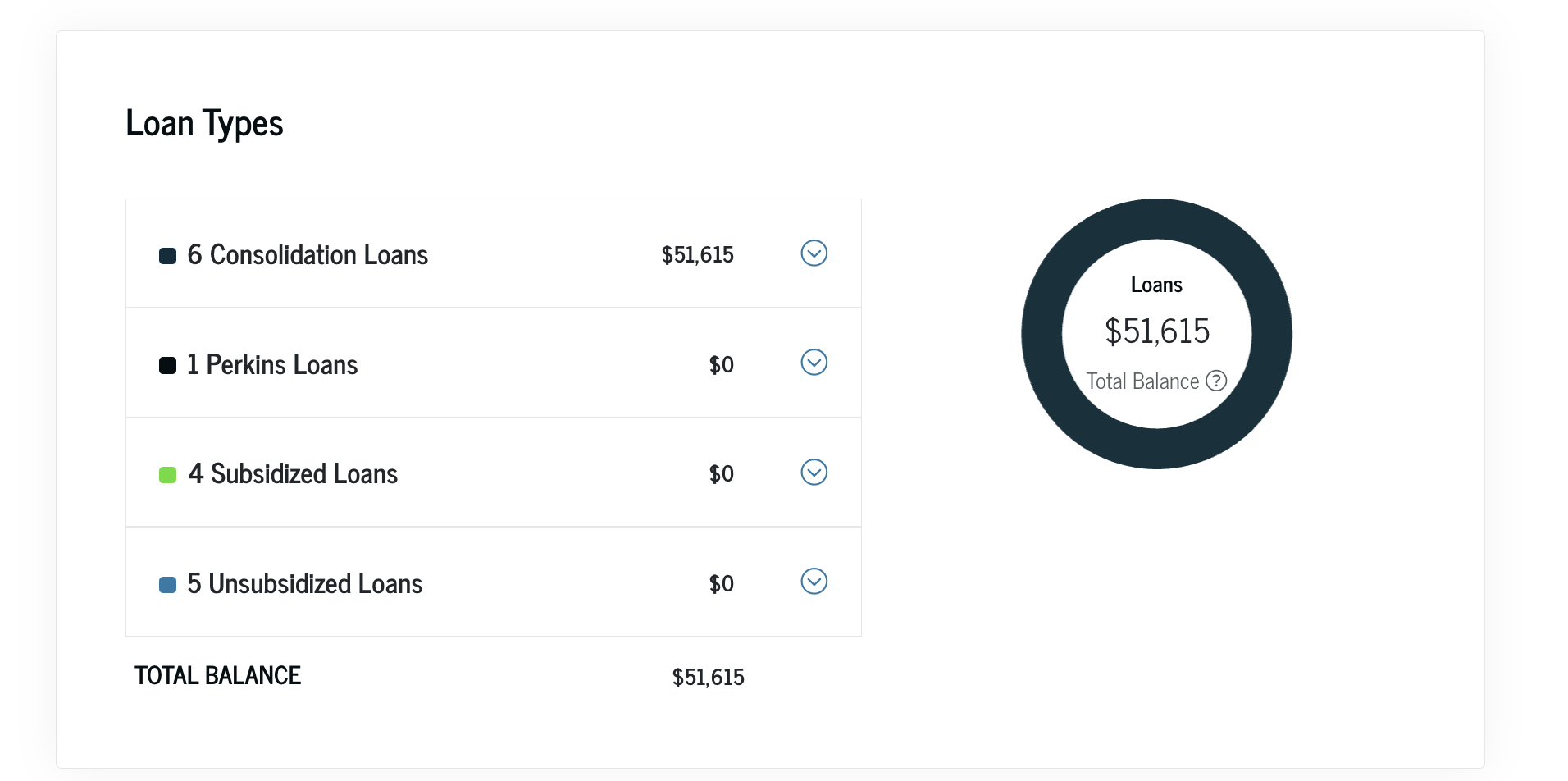
- Loan Details: Loan types (e.g., Stafford, Perkins, PLUS), original loan amounts, current balances, interest rates, and disbursement dates.
- Servicer Information: The name of the company currently servicing each of your federal loans, along with their contact information.
- Payment History: A record of your past payments.
- Grant Information: Details about any federal grants you may have received.
To access this information, you will need to log in using your FSA ID. If you don’t have an FSA ID, you can create one on the website. It’s a secure login and requires linking to your Social Security number, ensuring all your federal loan data is accessible in one place. Regularly checking StudentAid.gov is a best practice for all federal student loan borrowers, especially after graduating, during repayment, or if you suspect your loans might have been transferred.
Understanding Federal Loan Servicers and Their Roles
The U.S. Department of Education uses a handful of contracted loan servicers to manage its vast portfolio of federal student loans. As of late 2023, these typically include companies like Nelnet, Aidvantage (formerly Navient and Great Lakes), MOHELA, and Edfinancial Services. Each servicer operates independently but follows federal guidelines.
When you log into StudentAid.gov, it will clearly indicate which servicer is assigned to which of your federal loans. It’s common to have different federal loans managed by different servicers, especially if you borrowed over several years or your loans were part of a portfolio transfer. Once you identify your servicer(s), visit their specific website to create an account. This account will be your direct portal for making payments, viewing detailed statements, and contacting their customer service.
What to Do if Your Loan Was Transferred
Loan transfers are common, particularly with federal student loans. The Department of Education sometimes consolidates or reassigns loan portfolios to different servicers for various reasons, such as improving efficiency or contract changes. If your loan was transferred, you should receive notifications from both your old and new servicers. These notices typically arrive via mail and email, detailing the transfer date and the contact information for your new servicer.
Even if you don’t recall receiving a notice, your StudentAid.gov account will always reflect your current servicer. If you discover a transfer, the most important steps are:
- Update your contact information: Ensure your new servicer has your current address, email, and phone number.
- Set up an online account: Create a new online account with your new servicer if you don’t already have one.
- Verify auto-payments: If you were on auto-pay with your previous servicer, confirm whether this arrangement transferred over or if you need to re-establish it with the new one. Do not assume it automatically transfers.
- Review your repayment plan: Double-check that your previous repayment plan (especially IDR plans) and any deferment/forbearance status have been accurately reflected and carried over by the new servicer.
Tracking Down Private Student Loans: A Different Path
Private student loans are issued by banks, credit unions, and other financial institutions, not by the federal government. This means they operate under different rules, and there isn’t a single centralized database like StudentAid.gov for them.
Checking Credit Reports: A Comprehensive Approach
For private student loans, your credit report is often the most reliable source of information. Lenders and servicers are required to report your loan activity to the three major credit bureaus: Equifax, Experian, and TransUnion.
You are entitled to a free copy of your credit report from each of these bureaus once every 12 months through AnnualCreditReport.com. When you pull your reports, look for:
- Creditor Names: The name of the bank or institution that originally issued the loan.
- Account Numbers: Unique identifiers for each loan.
- Current Servicer: The company currently managing the loan, if different from the original lender.
- Balance and Payment History: Details about your outstanding debt and repayment activities.
Even if a loan has been transferred multiple times, your credit report should show the most recent servicer or the original lender, which can then be a starting point for further inquiry. It’s a good practice to check your credit reports annually not just for student loans, but for overall financial health and to detect any inaccuracies or fraud.
Contacting Your Original Lender or School
If your credit report doesn’t immediately clarify who has your private student loans, or if you prefer a more direct route, you can try contacting the original lender. This would be the bank or institution that you initially borrowed from. Their customer service department should be able to tell you if they still service your loan or if it was sold to another entity and who that new servicer is.
Another potential source of information is your college or university’s financial aid office. While they don’t service loans, they often keep records of the lenders that students used for private loans, especially if the loans were certified through the school. They might be able to provide the initial lender’s name, which you can then use to start your search.
The Landscape of Private Loan Servicers
Private student loan servicers are numerous and varied, including large banks that service their own loans, specialized private loan servicing companies, and sometimes even federal servicers that also handle private loan portfolios. Examples include Sallie Mae (which often services its own loans), Discover (also services its own), and sometimes companies like Navient or Nelnet might have private loan divisions.
The key takeaway is that private loans lack the uniformity of federal loans. Each private loan may have its own servicer, terms, and conditions. Once you identify your private loan servicer, you’ll need to work directly with them for all repayment inquiries, payment adjustments, or other account management needs. Unlike federal loans, private loans generally offer fewer flexible repayment options, and forgiveness programs are rare.
What to Do Once You’ve Identified Your Servicer
Once you’ve successfully identified all your student loan servicers, the immediate next steps are crucial for effective debt management.
Setting Up Your Online Account and Communication
The very first thing you should do is visit each servicer’s website and create an online account. This account will be your primary portal for:
- Making Payments: Setting up one-time or recurring payments.
- Viewing Statements: Accessing electronic statements and payment histories.
- Updating Information: Changing your address, phone number, or email.
- Communicating with Customer Service: Sending secure messages or finding contact numbers.
Ensure all your contact information is up-to-date with each servicer. Sign up for email and text alerts if available, so you receive timely notifications about payments, account changes, or important updates regarding your loans. Good communication channels are paramount to avoiding missed payments and staying informed.
Exploring Repayment Options and Assistance Programs
After setting up your account, familiarize yourself with the repayment options available through your servicer.
- Federal Loans: For federal loans, explore the various income-driven repayment (IDR) plans (e.g., REPAYE, PAYE, IBR, ICR) that can adjust your monthly payments based on your income and family size. Also, understand the conditions for deferment (postponing payments for specific reasons like going back to school or unemployment) and forbearance (temporary payment suspension due to financial hardship). Your servicer can help you determine eligibility and guide you through the application process.
- Private Loans: While private loans generally offer fewer flexible options, it’s worth inquiring with your servicer about any potential hardship programs. Some private lenders might offer temporary payment reductions or deferment options, particularly in times of widespread economic distress, but these are typically less generous and harder to qualify for than federal options.
Keeping Records and Staying Organized
Maintaining meticulous records of your student loans is a smart financial habit. Keep digital or physical copies of:
- Loan Documents: Original promissory notes, disclosure statements.
- Correspondence: Letters, emails, and any documented conversations with your servicers.
- Payment Confirmations: Records of all payments made.
- Repayment Plan Applications: Copies of any applications for IDR, deferment, or forbearance.
This documentation can be invaluable if you ever need to dispute an error, prove payment history, or verify eligibility for a program. A dedicated folder (digital or physical) for student loan documents can save you immense hassle down the line.
Proactive Steps for Effective Loan Management
Beyond simply identifying your servicer, proactive engagement is key to successful student loan management.
Understanding Your Loan Terms and Conditions
Take the time to thoroughly understand the specific terms and conditions of each of your loans. This includes:
- Interest Rates: Fixed vs. variable, and how they apply to your balance.
- Accrued Interest: How interest is calculated and if it capitalizes (adds to your principal balance).
- Fees: Any origination fees, late payment fees, or other charges.
- Grace Period: The period after you leave school before payments begin.
- Repayment Period: The standard length of time you have to repay the loan.
Knowing these details helps you anticipate costs, plan your budget, and make strategic decisions about accelerated payments or refinancing.
Strategies for Dealing with Loan Transfers
Loan transfers, while sometimes disruptive, don’t have to be financially damaging if you’re prepared.
- Stay Vigilant: Regularly check your email, postal mail, and StudentAid.gov (for federal loans) for transfer notices.
- Confirm Everything: When a transfer occurs, don’t assume anything. Confirm your new servicer, ensure your payment method is active, and verify your repayment plan.
- Keep Old Records: Hold onto all correspondence from your previous servicer, especially any records pertaining to payments, deferments, or forgiveness program progress. This acts as a backup in case of discrepancies with the new servicer.
- Communicate: If you have questions or notice issues after a transfer, contact your new servicer immediately. If they cannot resolve it, escalate to the Federal Student Aid Ombudsman Group for federal loans.

Seeking Professional Guidance
For complex situations, such as multiple loans with different servicers, significant financial hardship, or pursuing specialized forgiveness programs, consider seeking professional guidance.
- Non-Profit Credit Counselors: Organizations like the National Foundation for Credit Counseling (NFCC) offer certified counselors who can provide impartial advice on debt management and budgeting.
- Financial Advisors: A financial advisor specializing in student loans or financial planning can help you integrate your student loan strategy into your broader financial goals, including retirement planning and investing.
- Student Loan Lawyers: In cases of severe disputes, potential fraud, or complex legal challenges, a student loan attorney can offer legal counsel and representation.
Finding out “who has my student loans” is more than just identifying a name; it’s about taking ownership of your financial future. By actively engaging with your loan servicers, understanding your debt, and leveraging available resources, you can transform what might seem like an overwhelming burden into a manageable part of your financial journey. The effort you put into tracking and managing your loans today will pay significant dividends in financial peace of mind and security tomorrow.
aViewFromTheCave is a participant in the Amazon Services LLC Associates Program, an affiliate advertising program designed to provide a means for sites to earn advertising fees by advertising and linking to Amazon.com. Amazon, the Amazon logo, AmazonSupply, and the AmazonSupply logo are trademarks of Amazon.com, Inc. or its affiliates. As an Amazon Associate we earn affiliate commissions from qualifying purchases.