
In the realm of personal finance, few recurring expenses are as ubiquitous—or as variable—as auto insurance. For the modern consumer, the quest for the “cheapest” car insurance is often a primary goal in balancing a monthly budget. However, the answer to who provides the lowest rates is rarely a single name. Instead, it is a complex intersection of actuarial math, regional regulations, and individual financial profiles. Navigating this landscape requires a strategic understanding of how insurance providers assess risk and which institutions consistently leverage their scale or specialized models to offer competitive pricing.

Understanding the Landscape of Affordable Auto Insurance
The quest for the most affordable premium begins with understanding the market structure. The insurance industry is divided between massive national corporations, regional specialists, and niche providers catering to specific demographics. Because each company utilizes its own proprietary algorithm to determine risk, the “cheapest” provider for a 20-year-old in Florida will differ significantly from the cheapest provider for a 50-year-old in Ohio.
The Market Leaders in Low-Cost Coverage
When looking at national averages, a few names consistently rise to the top for cost-effectiveness. Geico is perhaps the most well-known for its “15 minutes could save you 15%” mantra, a brand strategy built entirely on the premise of cost leadership. By utilizing a direct-to-consumer model and minimizing the overhead associated with local agents, Geico has historically been able to undercut traditional competitors.
State Farm and Progressive follow closely, though their pricing models vary. Progressive often appeals to those with unique driving histories or those looking for “Name Your Price” flexibility, while State Farm leverages its massive scale to provide stability in pricing. However, for those who qualify, USAA consistently offers the lowest rates in the industry. Because USAA is restricted to military members and their families, it maintains a lower risk pool, allowing it to pass significant savings on to its members—often beating the nearest competitor by hundreds of dollars annually.
Regional vs. National Providers
One of the most common mistakes in personal finance management is overlooking regional insurers. Companies like Erie Insurance, Auto-Owners Insurance, and Amica often provide rates that are lower than the “Big Four” in specific geographic areas. These companies frequently prioritize customer retention and localized risk assessment over massive advertising budgets. In many states, Erie Insurance is cited as the absolute cheapest option for drivers with clean records, often outperforming national brands on both price and claims satisfaction. For a consumer focused on the bottom line, getting a quote from at least one regional provider is a mandatory step in the shopping process.
Key Factors That Influence Your Personal Insurance Rate
To find the cheapest insurance, one must first understand the variables that insurers use to calculate premiums. In the eyes of an insurance company, your premium is simply a reflection of the statistical likelihood that you will cost them money. By optimizing these factors, you can force the market to give you lower rates.
Credit Score and Financial History
In most states, your credit-based insurance score is one of the most significant predictors of your premium. Actuarial data suggests a strong correlation between financial responsibility and driving safety. From a personal finance perspective, this means that improving your credit score—by lowering credit utilization and ensuring on-time payments—is one of the most effective long-term strategies for reducing car insurance costs. Drivers with “Poor” credit scores can pay more than double what drivers with “Excellent” credit pay for the exact same coverage. If you are seeking the cheapest rates, your financial health is just as important as your driving record.
Driving Record and Risk Assessment
This is the most obvious factor, but its impact cannot be overstated. A single speeding ticket or an at-fault accident can cause premiums to spike by 20% to 50% for three to five years. For those with a marred record, the “cheapest” insurance provider changes entirely. While a company like Travelers might be affordable for a safe driver, a company like Bristol West or Dairyland might be the cheapest for someone requiring an SR-22 or dealing with a recent DUI. High-risk drivers must look for “non-standard” insurers who specialize in rehabilitating driving records through specialized pricing tiers.
The Impact of Vehicle Type and Age
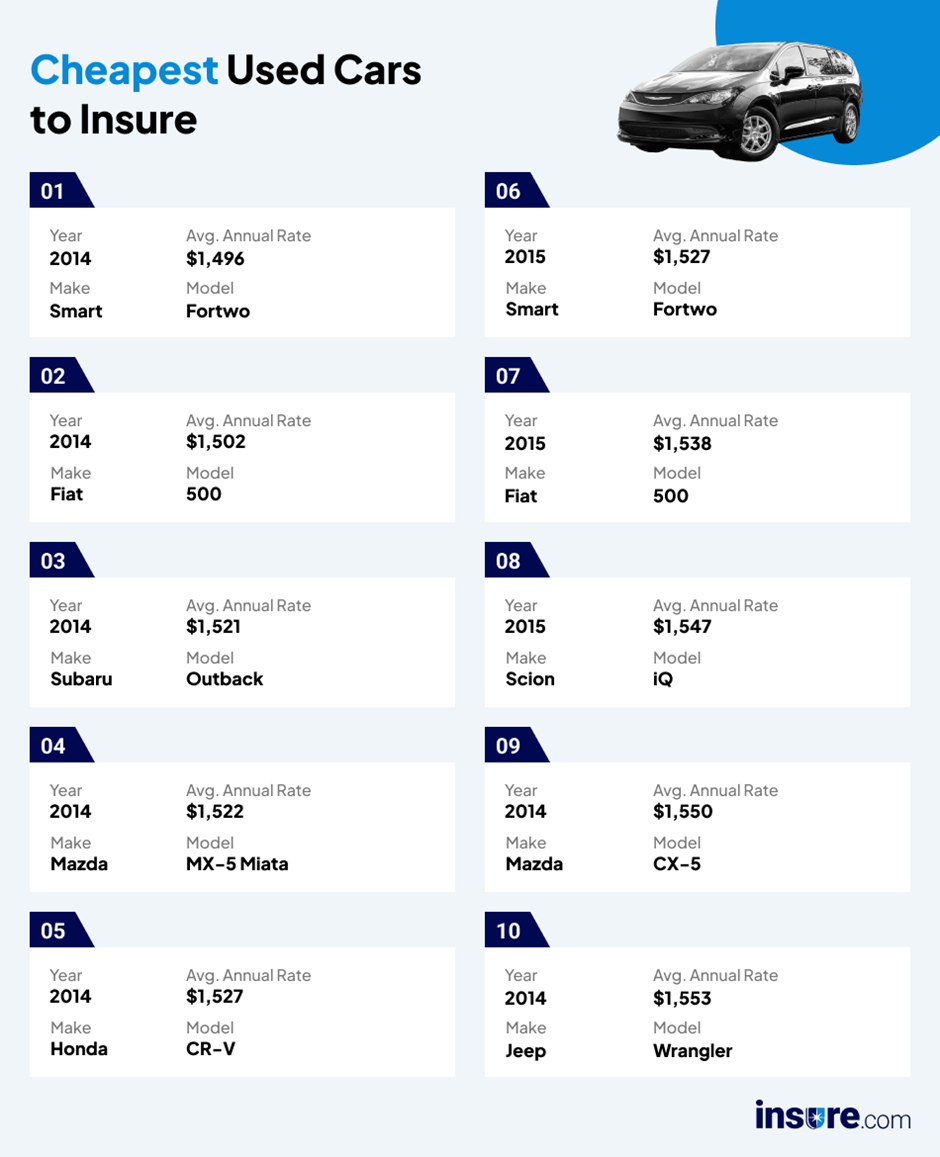
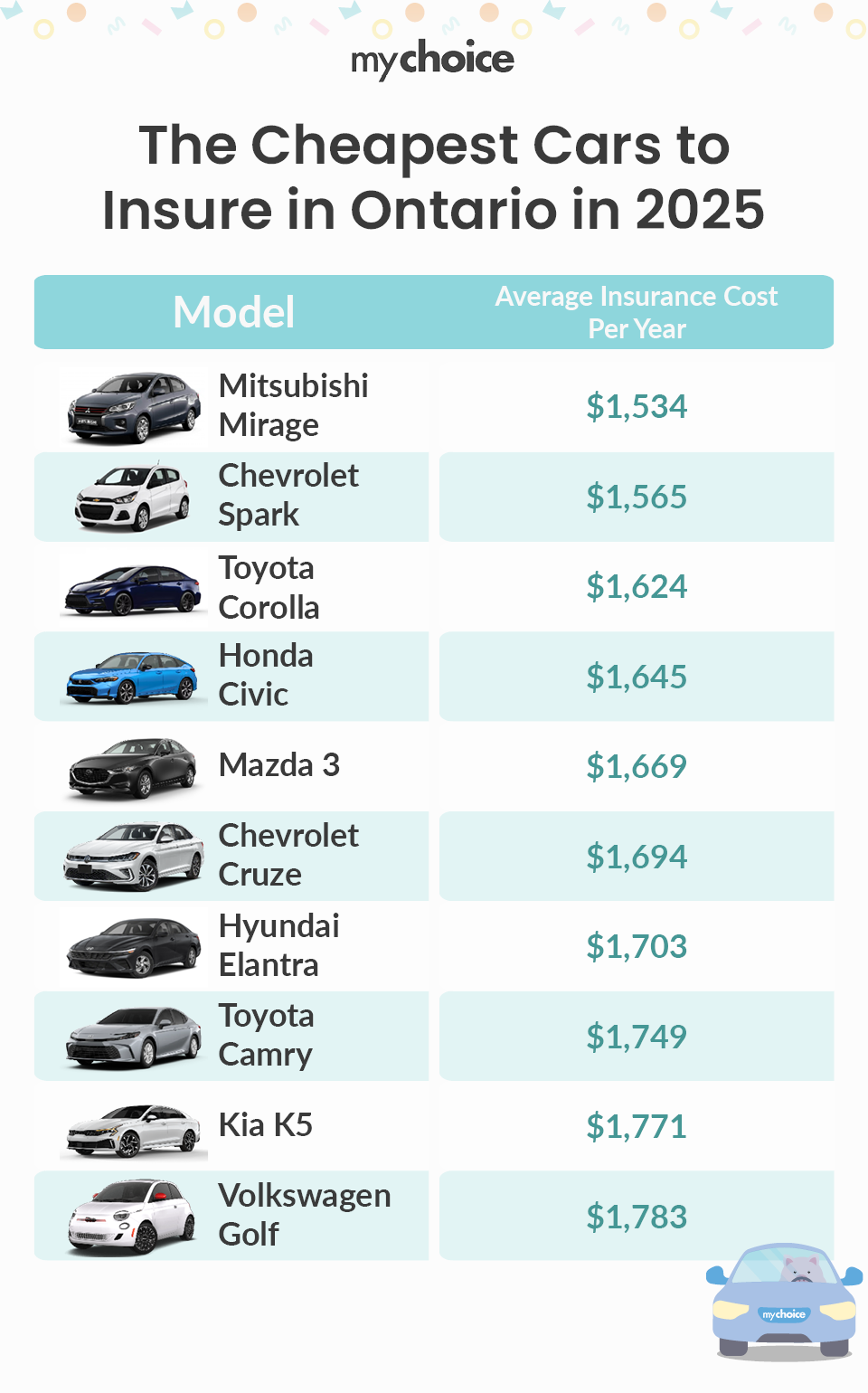
The vehicle you choose to drive dictates the ceiling of your insurance savings. A high-end luxury sedan or a high-performance sports car will always be more expensive to insure due to higher repair costs and a statistical tendency for higher-speed accidents. Conversely, moderately priced SUVs and mid-sized sedans with high safety ratings (such as those from Subaru, Honda, or Toyota) generally command the lowest premiums. When calculating the “total cost of ownership” for a new vehicle, the insurance premium should be factored in alongside the monthly payment and fuel costs. A “cheap” car can become expensive quickly if its insurance group is high.
Strategic Ways to Minimize Your Insurance Expenses
Finding the cheapest insurance is not a passive activity. It requires active management and the tactical application of discounts and policy adjustments.
Maximizing Discounts and Bundling
The most effective way to drop a premium is through “bundling.” Insurers are desperate for customer loyalty, as the cost of acquiring a new customer is significantly higher than the cost of retaining an old one. By combining your auto insurance with a homeowners or renters policy, most providers will offer a multi-policy discount ranging from 5% to 25%.
Beyond bundling, look for “affinity discounts.” Many insurers offer lower rates to members of professional organizations, alumni associations, or specific employers. Furthermore, the “Good Student” discount remains one of the most substantial reductions for households with young drivers, often requiring a 3.0 GPA or higher to qualify.
Adjusting Deductibles and Coverage Limits
In personal finance, the “deductible” is your primary tool for managing risk vs. reward. Raising your deductible from $500 to $1,000 can reduce your comprehensive and collision premiums by as much as 30%. This is a wise financial move if you have a sufficient emergency fund to cover the $1,000 out-of-pocket cost in the event of a claim.
However, one must be careful with liability limits. While opting for “state minimum” coverage will yield the cheapest possible premium, it exposes you to catastrophic financial ruin if you are at fault in a major accident. The goal is to find the “efficient frontier” of insurance: the highest deductible you can afford to pay out of pocket, paired with liability limits that protect your total net worth.
The Role of Usage-Based Insurance (UBI)
The most significant shift in insurance pricing in the last decade is the rise of Telematics or Usage-Based Insurance (UBI). Programs like Progressive’s Snapshot, State Farm’s Drive Safe & Save, and Geico’s DriveEasy allow the insurer to track your driving habits via a smartphone app or a plug-in device. If you are a low-mileage driver or someone who avoids hard braking and late-night driving, UBI can offer discounts of up to 40%. For the budget-conscious driver, this is often the fastest path to the lowest possible rate, as it replaces generalized demographic statistics with your actual driving data.
Navigating the Quote Comparison Process
To truly find who gives the cheapest car insurance, you must engage in a rigorous comparison process. The market is highly fragmented, and prices change quarterly based on the insurer’s recent loss ratios.
Avoiding Hidden Fees and Coverage Gaps
When comparing quotes, the “sticker price” can be deceiving. Some low-cost providers strip away essential services like roadside assistance, gap insurance, or rental car reimbursement to achieve a lower headline rate. When reviewing a quote, ensure you are comparing “apples to apples” regarding bodily injury liability, property damage liability, and uninsured/underinsured motorist coverage. A policy that is $10 cheaper per month but lacks underinsured motorist coverage is not a better deal; it is a significant financial vulnerability.
Evaluating Long-Term Value Over Sticker Price
In the world of money management, price is what you pay, but value is what you get. The cheapest insurance company is not necessarily the one with the lowest monthly premium if they have a history of denying legitimate claims or providing poor customer service. Using resources like the J.D. Power Claims Satisfaction Study or the National Association of Insurance Commissioners (NAIC) Complaint Index can help you identify if a company’s low price is a result of operational efficiency or poor service. For many, paying an extra $5 a month for a company with an “A++” AM Best financial strength rating is a sound investment in peace of mind.
The Future of Competitive Pricing in Personal Finance
As the insurance industry continues to evolve, the definition of “cheap” will increasingly depend on technology and data transparency. We are moving toward a “personalized premium” model where your financial habits, driving patterns, and even the safety features of your specific vehicle build are analyzed in real-time.
For the consumer, the strategy remains the same: maintain a strong financial profile, drive defensively, and shop the market every six to twelve months. The title of “cheapest car insurance provider” is a moving target. By understanding the underlying mechanics of how these companies price their products, you can position yourself to always capture the most competitive rate available, ensuring that your hard-earned money stays in your investment accounts rather than being lost to overpaid premiums. In the end, the cheapest insurance is the one that provides the necessary protection at the lowest actuarial cost, and finding it is a hallmark of savvy personal financial management.
aViewFromTheCave is a participant in the Amazon Services LLC Associates Program, an affiliate advertising program designed to provide a means for sites to earn advertising fees by advertising and linking to Amazon.com. Amazon, the Amazon logo, AmazonSupply, and the AmazonSupply logo are trademarks of Amazon.com, Inc. or its affiliates. As an Amazon Associate we earn affiliate commissions from qualifying purchases.