
The question of “who fixes cars” might seem straightforward, but beneath the surface lies a complex financial ecosystem involving individuals, businesses, and an intricate web of costs, investments, and economic decisions. For both vehicle owners and service providers, understanding the monetary aspects of automotive repair is crucial for informed choices and sustainable operations. From the personal finance of a car owner grappling with an unexpected breakdown to the business finance of a sprawling dealership service center, every wrench turn, diagnostic scan, and parts order has a tangible economic impact.

The Core Financial Decision: Professional Service vs. DIY
When a vehicle requires attention, the immediate financial dilemma for many owners is whether to tackle the repair themselves or enlist professional help. This decision is rarely black and white, involving a careful balance of direct costs, potential savings, and inherent risks.
The Cost of Expertise and Specialization
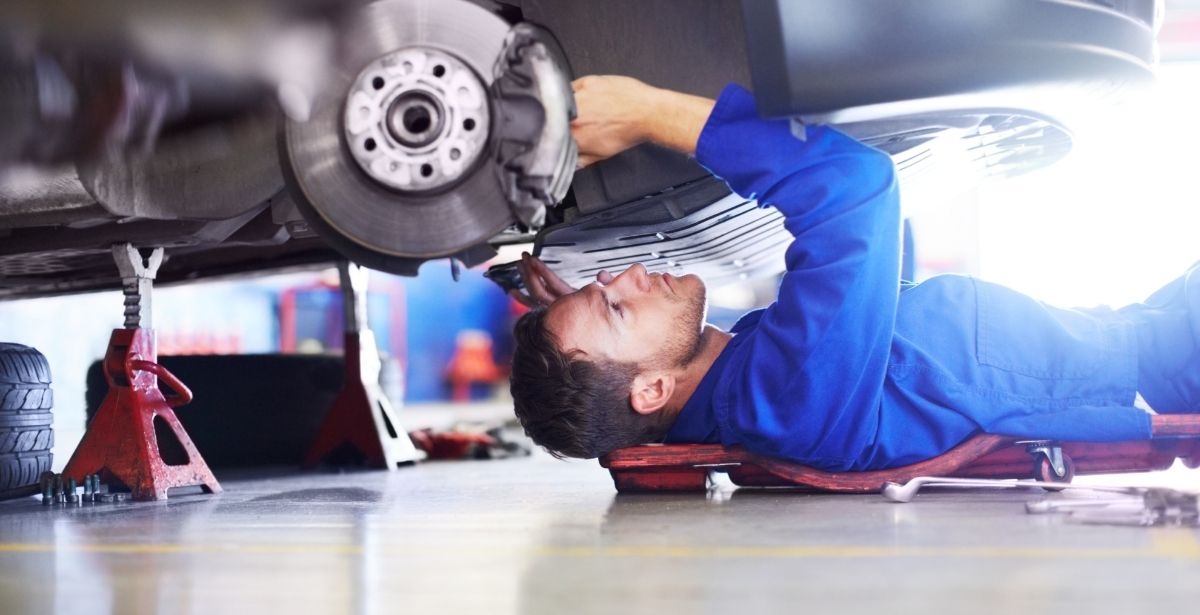
Professional automotive repair shops represent a significant financial investment for their owners and, consequently, for their customers. Labor rates, which often appear high, reflect a multitude of underlying costs. These include the wages and benefits for highly trained technicians who possess specialized skills and certifications across various vehicle makes, models, and technologies. As cars become more sophisticated, incorporating complex electronics, advanced driver-assistance systems (ADAS), and electric powertrains, the demand for specialized knowledge—and the cost of acquiring and maintaining it—skyrockets.
Beyond labor, professional shops invest heavily in diagnostic equipment, which can run into tens of thousands of dollars for a single advanced scan tool, not to mention recurring software subscription fees. Specialized tools, lifts, alignment machines, and safety equipment also represent substantial capital expenditures. Furthermore, shops bear operational overheads such as rent, utilities, insurance, waste disposal (especially for hazardous materials like used oil), and parts inventory. When an owner pays for professional service, they are not merely paying for a mechanic’s time but for access to this entire infrastructure of expertise, technology, and compliance, which mitigates personal risk and ensures a correct, lasting repair.
DIY: Apparent Savings vs. Hidden Costs
The allure of Do-It-Yourself (DIY) car repair is undeniable, primarily driven by the prospect of saving on labor costs. For minor repairs or routine maintenance (like oil changes, air filter replacements, or tire rotations), the financial savings can be significant, often reducing the expense to just the cost of parts. This approach empowers individuals and can foster a deeper understanding of their vehicle.
However, the financial picture of DIY repair can quickly become more complicated, revealing a host of hidden costs and risks. Incorrect diagnosis is perhaps the most insidious; misidentifying a problem can lead to purchasing the wrong parts, wasting money, and prolonging the vehicle’s downtime. Worse, an incorrect repair can cause further, more extensive damage, turning a simple fix into a much costlier professional intervention. Investing in necessary tools, even for basic repairs, can add up, and some specialized tools might only be used once, making their purchase financially inefficient. There’s also the opportunity cost of time spent researching, troubleshooting, and performing the repair—time that could be used for income-generating activities or leisure. Finally, safety risks are inherent in working with vehicles, and a poorly executed repair can even void a vehicle’s warranty, leading to substantial financial responsibility if subsequent issues arise.
The Business of Automotive Repair: Models and Margins
The landscape of professional car repair is diverse, comprising various business models each with distinct financial structures and profit drivers.
Independent Shops vs. Dealerships
Independent repair shops form the backbone of the automotive service industry. Financially, they often operate with lower overheads than dealerships, allowing for potentially more competitive labor rates and greater flexibility in parts sourcing (aftermarket vs. OEM). Their profitability often hinges on a strong reputation, repeat customer business, efficient inventory management, and maximizing technician productivity. While they may not have direct factory support, many independents invest in continuous training and multi-brand diagnostic tools to service a wide array of vehicles.
Dealership service centers, conversely, are typically integrated into larger automotive sales operations. Their financial model benefits from official factory training, direct access to proprietary diagnostic tools, and exclusive use of Original Equipment Manufacturer (OEM) parts, which often command higher margins. They are the preferred choice for warranty work, ensuring compliance with manufacturer standards. While their labor rates are generally higher due to greater overhead (larger facilities, extensive amenities, branding fees, etc.), they offer unparalleled expertise for specific brands and often provide a more premium service experience. For dealerships, the service department is not only a profit center but also a crucial component of customer retention and long-term brand loyalty, often subsidizing lower profit margins on new vehicle sales.
Specialized Repair Centers and Franchises
Beyond general repair, specialized shops focus on particular vehicle systems (e.g., transmissions, brakes, exhaust, auto body, glass). These centers often attract customers with unique or complex problems, allowing them to command premium prices due to their focused expertise and specialized equipment. Financially, these businesses thrive on niche demand and the ability to execute high-value, complex repairs that general shops might defer.
Franchise repair operations (e.g., Midas, Jiffy Lube, Meineke) offer a blend of independent ownership with corporate brand recognition and standardized processes. Franchisees pay initial fees and ongoing royalties, but gain access to established marketing, training, and supply chains. Financially, this model often leads to faster market penetration and customer trust, though the profit margins can be influenced by franchise fees and corporate-mandated pricing or parts sourcing. Their profitability relies on efficient, high-volume service delivery for common maintenance tasks and routine repairs.
The Gig Economy and Mobile Mechanics

The rise of the gig economy has introduced mobile mechanics, who operate without a fixed brick-and-mortar location. Their financial model is characterized by significantly lower overheads, as they avoid rent, large utility bills, and extensive shop equipment. This allows them to offer competitive pricing, often passing some of these savings onto the customer. For customers, the primary financial benefit is convenience and often a lower labor rate. For the mechanics, it offers flexibility and the ability to operate independently with lower startup costs. However, mobile mechanics face limitations; complex repairs requiring heavy lifts, specialized equipment for alignments, or extensive diagnostic equipment might still necessitate a visit to a traditional shop, impacting their revenue potential for larger jobs.
Long-Term Financial Planning for Vehicle Maintenance and Repair
For any car owner, understanding the financial implications of vehicle maintenance goes beyond immediate repair costs and extends into long-term budgeting and asset management.
The Cost-Benefit of Proactive Maintenance
One of the most significant financial advantages in vehicle ownership comes from embracing proactive maintenance. Regular oil changes, tire rotations, fluid checks, and scheduled inspections are not expenses but rather investments that prevent more costly repairs down the line. A neglected fluid change can lead to transmission failure, an unaddressed small leak can escalate into major engine damage, and worn brake pads, if ignored, can score rotors, multiplying repair costs. Quantifying this benefit is challenging, but studies consistently show that owners who adhere to manufacturer-recommended maintenance schedules spend significantly less on major repairs over the life of their vehicle. This preventative approach safeguards the vehicle’s longevity and resale value, offering substantial financial returns in the long run.
Extended Warranties and Insurance Considerations
Extended warranties, purchased beyond the manufacturer’s standard coverage, present a financial trade-off. For owners of vehicles with historically high repair costs or those who prefer predictable monthly expenses over unexpected large bills, an extended warranty can offer peace of mind. However, the financial benefit depends heavily on the warranty’s terms, exclusions, and the actual frequency and cost of repairs. For some, it’s a valuable insurance policy; for others, it’s an unnecessary expense.
Car insurance also plays a critical financial role. Collision and comprehensive coverage directly address the repair costs resulting from accidents, theft, or natural disasters, protecting owners from catastrophic out-of-pocket expenses. Understanding deductibles and policy limits is vital for financial preparedness when a major repair due to an incident is necessary.
Budgeting for Automotive Expenses
Effective personal finance mandates budgeting for all vehicle-related expenses, not just the purchase price or loan payments. This includes fuel, insurance, routine maintenance, and, crucially, a contingency fund for unexpected repairs. Setting aside a dedicated amount monthly or annually for potential breakdowns can transform a financial shock into a manageable expense. Recognizing depreciation as an ongoing “cost” of ownership also helps in long-term financial planning, influencing decisions about when to repair, when to replace, and how much to invest in an aging vehicle.
The Evolving Financial Landscape: Tech, Training, and Transparency
The automotive repair industry is constantly evolving, driven by technological advancements that reshape its financial dynamics.
Investment in Diagnostic Technology
Modern vehicles are essentially computers on wheels, requiring sophisticated diagnostic tools and software to identify problems accurately. Repair shops must continually invest in these cutting-edge technologies, which come with high upfront costs and often recurring subscription fees for updates and data access. This financial burden is ultimately reflected in labor rates and diagnostic fees passed on to the customer. For shops, choosing between generalist tools and brand-specific equipment involves a significant financial calculation based on their target market and service offerings.
Technician Training and Certification Costs
As vehicle technology advances, so too must the skills of the technicians. Training for hybrid and electric vehicles (EVs), ADAS calibration, and complex networked systems requires ongoing financial investment from both technicians (personal development) and repair shop owners (staff training programs, certifications). These training costs are essential for shops to remain competitive and competent, and they contribute to the value and cost of the specialized labor they provide. A well-trained technician is more efficient, makes fewer mistakes, and can handle a broader range of repairs, all of which impact a shop’s profitability and customer satisfaction.
The Push for Pricing Transparency
The digital age has brought an increasing demand for pricing transparency in all service industries, including automotive repair. Online platforms, review sites, and comparison tools allow consumers to research repair costs, compare quotes, and scrutinize service quality more easily. This shift puts financial pressure on repair shops to offer competitive and clear pricing, potentially compressing profit margins but also driving efficiency and encouraging better customer service. For consumers, this transparency empowers more informed financial decisions, ensuring they get fair value for their repair investments.
In conclusion, “who fixes cars” is a question with deep financial implications. Whether it’s a professional shop investing in cutting-edge diagnostics, a savvy car owner budgeting for maintenance, or a mobile mechanic leveraging low overheads, the monetary aspects are central to every decision and interaction within the world of automotive repair. Understanding these financial dynamics is key to navigating the complexities of vehicle ownership and service in the 21st century.
aViewFromTheCave is a participant in the Amazon Services LLC Associates Program, an affiliate advertising program designed to provide a means for sites to earn advertising fees by advertising and linking to Amazon.com. Amazon, the Amazon logo, AmazonSupply, and the AmazonSupply logo are trademarks of Amazon.com, Inc. or its affiliates. As an Amazon Associate we earn affiliate commissions from qualifying purchases.