
For most automotive manufacturers, the financing process is tethered to a traditional dealership model. When you walk into a Ford or Toyota dealership, the “F&I” (Finance and Insurance) office acts as a middleman, shopping your credit profile around to various captive lenders or local banks. Tesla, however, has fundamentally disrupted this model. By utilizing a direct-to-consumer sales strategy, the way Tesla handles financing is uniquely streamlined, digital-first, and reliant on a sophisticated network of high-tier financial institutions.
If you are considering purchasing a Tesla, understanding who actually holds the note on your vehicle is crucial for managing your personal finances. While you may apply through the Tesla app, the capital behind your loan often comes from some of the largest banking entities in the world.
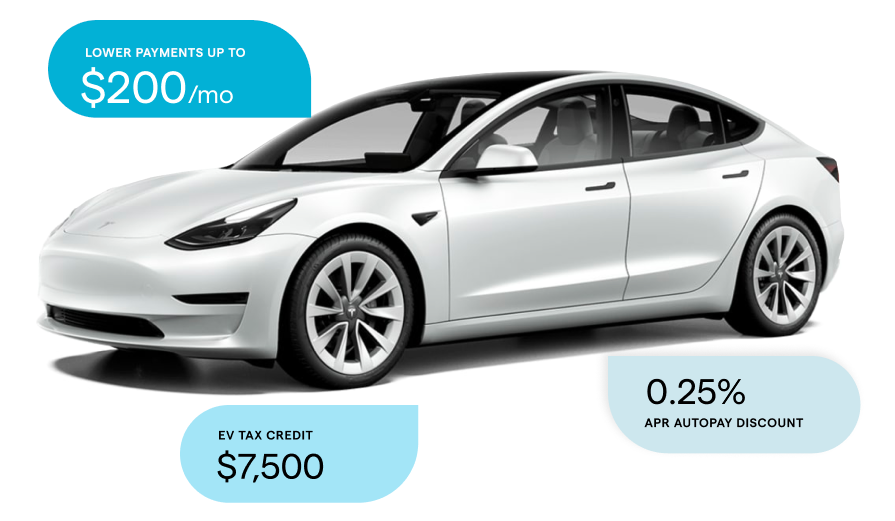
Understanding Tesla’s Direct-to-Consumer Lending Model
Tesla’s approach to financing is built on the same philosophy as its software: vertical integration and minimalism. Instead of negotiating with a finance manager at a dealership, buyers interact with Tesla Financial Services—a subsidiary of Tesla, Inc.—through the digital checkout process. However, Tesla is not a traditional bank; it acts more as a facilitator and a primary lender for specific products, primarily leases.
Tesla Financial Services: The In-House Arm
Tesla Financial Services (TFS) is the internal division that manages the brand’s financial products. While TFS is increasingly taking on more of the lending burden, its primary focus has historically been on Tesla’s leasing programs. When you lease a Model 3 or a Model Y, you are often entering into a direct contract with Tesla. This allows the company to maintain control over the vehicle’s residual value, which is a key component of their business strategy, especially as they look toward a future involving autonomous ride-sharing fleets.
The Role of Third-Party Banking Institutions
For traditional retail loans (financing to own), Tesla functions as an intermediary. When a customer submits a credit application via the Tesla account portal, the system automatically routes that application to a panel of preferred lending partners. These partners are large-scale commercial banks that have established “indirect lending” agreements with Tesla. This allows Tesla to offer competitive market rates without needing to maintain the massive cash reserves required to fund every single vehicle purchase on their own balance sheet.
Key Financial Partners: Who Is Actually Funding the Loans?
Tesla does not publicly list a single exclusive partner because their lending panel shifts based on regional availability, market conditions, and the applicant’s credit profile. However, several major institutions consistently appear as the primary backers of Tesla loans.
Major Traditional Banks
The backbone of Tesla’s financing network consists of “Big Four” banks and other major national lenders.
-
JPMorgan Chase: Historically, Chase has been one of Tesla’s most prominent partners. They provide the liquidity for a significant portion of Tesla’s retail loans in the United States. Chase’s robust auto-finance division is well-equipped to handle the high volume of applications generated by Tesla’s quarterly delivery surges.
-
Wells Fargo: Another frequent partner, Wells Fargo often competes for Tesla’s prime and super-prime borrowers. If you have a high credit score (720+), there is a strong probability that your loan may be serviced through Wells Fargo.
-
U.S. Bank: This institution is often utilized for both retail financing and some leasing backend operations. They are known for providing competitive rates that align with Tesla’s goal of keeping monthly payments attractive to a broad demographic.
-
TD Bank and Ally Financial: These lenders are frequently brought into the mix to provide specialized terms or to fill gaps in regional coverage. Ally, in particular, is a veteran of the automotive finance space and understands the unique depreciation curves of electric vehicles.
Credit Unions and Regional Lenders
In addition to the national giants, Tesla sometimes routes applications to regional players or large credit unions, such as Alliant Credit Union. Alliant was an early adopter of EV financing and has a long-standing relationship with the Tesla community. For the consumer, this can sometimes result in more personalized service or slightly more favorable gap insurance options compared to the larger “automated” banks.
The Mechanics of a Tesla Finance Agreement
Navigating a Tesla finance agreement requires a clear understanding of the difference between the “service” and the “source.” Even if your monthly payments are managed through the Tesla app UI, the underlying contract is a legal agreement between you and the assigned bank.

Lease vs. Loan: Financial Implications
Choosing between a lease and a loan through Tesla involves different financial partners and different long-term outcomes.
-
Leasing: When you lease through Tesla, you are essentially paying for the depreciation of the car over a set period (usually 36 months). A critical point for Tesla lessees is that the company currently does not offer a “lease buyout” option for many of its models. This means you cannot choose to own the car at the end of the term; it must be returned to Tesla. Financially, this allows Tesla to reclaim the hardware for their secondary market or future robotaxi fleet.
-
Financing (Loans): If you choose to finance, you are the owner of the vehicle. Once the loan is paid off to the partner bank (Chase, Wells Fargo, etc.), the title is released to you. This is generally considered the better long-term financial move for those who drive high annual miles or plan to keep the vehicle for more than five years.
Interest Rates and Credit Score Impacts
Tesla’s financing partners focus heavily on “Prime” borrowers. To get the best rates advertised on Tesla’s website, a credit score of 720 or higher is usually required. If an applicant’s score is lower, Tesla’s automated system may still find a match, but the interest rate will scale accordingly. Unlike a traditional dealership where a finance manager might “mark up” the interest rate to earn a commission (a practice known as “dealer reserve”), Tesla typically passes the bank’s rate directly to the consumer, ensuring a more transparent and often lower-cost experience.
Navigating the Application Process via the Tesla App
The efficiency of Tesla’s financing is largely due to its integration into the Tesla mobile app and web portal. The entire financial journey, from credit application to digital signature, is designed to minimize friction.
The Digital Credit Application
Once a vehicle is ordered and a VIN (Vehicle Identification Number) is assigned or nearing assignment, the “Financing” section of the Tesla app unlocks. You enter your social security number, employment information, and desired down payment. The system then pings its partner banks simultaneously. Within minutes—and sometimes seconds—an offer is presented. This offer will detail the lending institution, the APR, and the monthly payment.
Streamlining Business Finance for Fleet Sales
Tesla also offers specialized financing for business entities. If an LLC or corporation is purchasing a Tesla, the financing is often handled through specialized commercial divisions of the same partner banks. For business owners, this opens up significant tax advantages, such as Section 179 deductions, provided the vehicle meets certain gross vehicle weight rating (GVWR) requirements—though this is more common with the Model X and Cybertruck than the Model 3.
Alternative Financing Options for Tesla Buyers
While Tesla’s internal portal is convenient, savvy investors and personal finance enthusiasts often look elsewhere to find the absolute lowest cost of capital. You are not obligated to use Tesla’s preferred lenders.
Personal Loans and Credit Unions
Many buyers find that their local credit union offers “Green Auto Loans” with interest rates that beat Tesla’s national partners by 0.5% to 1.5%. Because Tesla is a direct-sales company, you can simply provide your credit union with the purchase agreement and have them wire the funds directly to Tesla. This “third-party financing” is a common strategy for those looking to optimize their debt-to-income ratio or secure longer loan terms that Tesla’s partners might not offer.
Home Equity Lines of Credit (HELOC)
In a high-interest-rate environment, some homeowners choose to use a HELOC to purchase their Tesla. This allows the buyer to pay “cash” to Tesla while essentially financing through their home’s equity. While this can sometimes offer a lower interest rate, it carries the risk of using your home as collateral for a depreciating asset—a move that requires careful financial consideration.
Maximizing Value in Your Tesla Financing Journey
Securing a Tesla is as much a financial decision as it is a technological one. Because Tesla manages its lending through a sophisticated, high-volume network of partners like JPMorgan Chase and Wells Fargo, the process is incredibly efficient. However, the convenience of the app should not replace due diligence.
To get the most out of your Tesla purchase, it is recommended to:
-
Check your credit score early: Ensure your profile is in the “Super Prime” range to access the lowest tiers of Tesla’s partner rates.
-
Compare third-party rates: Get a quote from a local credit union before clicking “accept” in the Tesla app.
-
Consider the total cost of ownership: Remember that while Tesla’s partners fund the car, you are responsible for the insurance and maintenance, though the latter is significantly reduced in an EV.
By understanding the web of financial institutions that support Tesla’s growth, buyers can navigate the acquisition of their vehicle with the same precision that the car handles the road. Whether you are leasing directly through Tesla Financial Services or holding a loan with a national bank, knowing who you are financing through is the first step toward a successful long-term investment in the future of transport.
aViewFromTheCave is a participant in the Amazon Services LLC Associates Program, an affiliate advertising program designed to provide a means for sites to earn advertising fees by advertising and linking to Amazon.com. Amazon, the Amazon logo, AmazonSupply, and the AmazonSupply logo are trademarks of Amazon.com, Inc. or its affiliates. As an Amazon Associate we earn affiliate commissions from qualifying purchases.